Oral Appliance Therapy: a Comfortable CPAP Alternative in Boston
Introduction to CPAP Alternatives in Boston
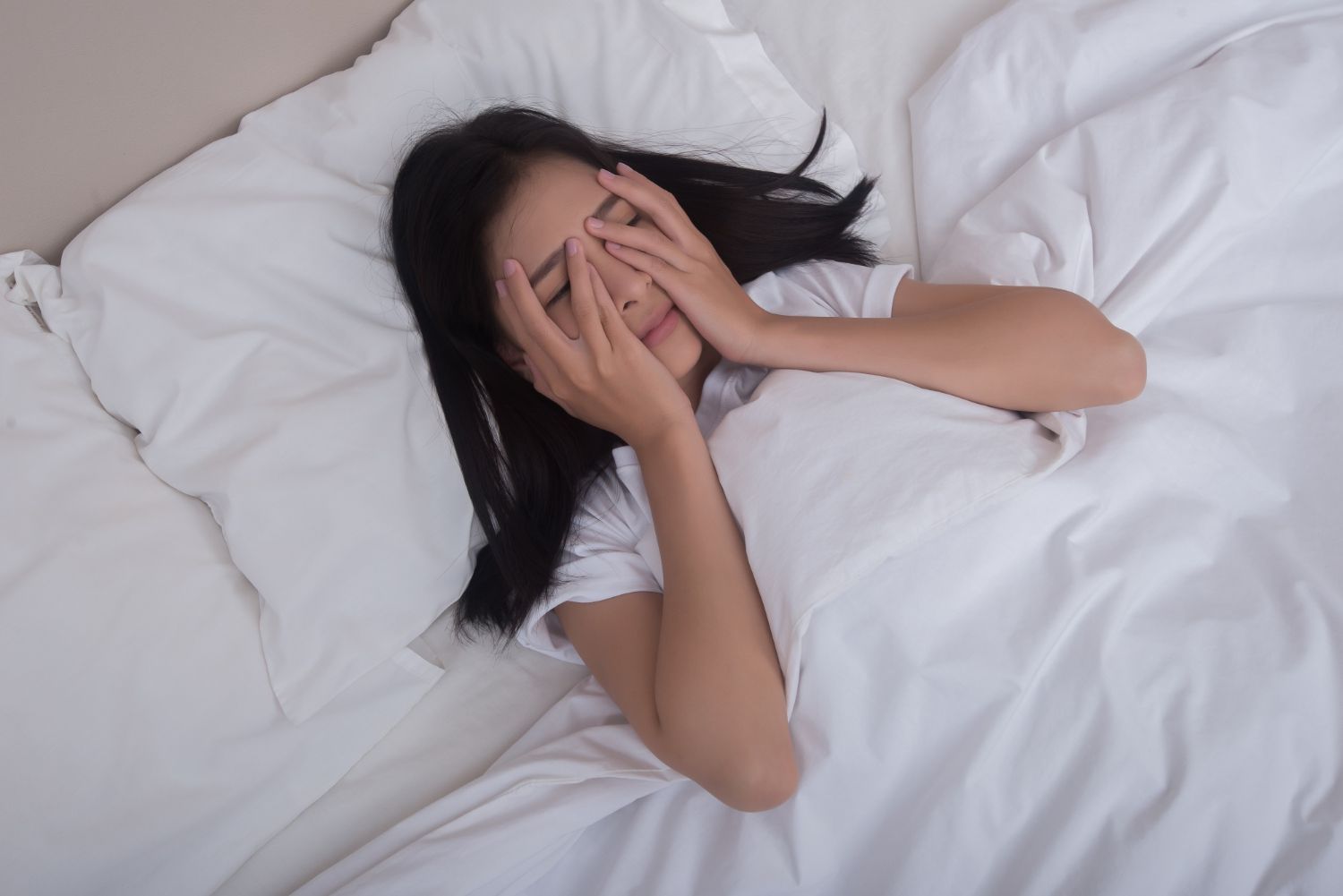
Obstructive sleep apnea can make every night feel like a fight for air. When breathing keeps stopping during sleep, it can lead to loud snoring, restless nights, morning headaches, daytime fatigue, and strain on relationships. Many people searching for effective CPAP alternatives in Boston are surprised to learn that a simple custom oral appliance can significantly improve both snoring and sleep apnea.
CPAP is often called the gold standard treatment, but not everyone can get comfortable with it. Masks, straps, air leaks, and machine noise can make it hard to relax, and traveling with a CPAP can feel like carrying an extra suitcase. That is why many adults start looking for something that feels easier to live with. One option that often fits that need is oral appliance therapy, which is the focus of our work at Great Sleep Dental, a dental sleep medicine practice in the Boston area.
What Is Oral Appliance Therapy?
Oral appliance therapy uses a small, custom-made device that fits over your teeth, similar to a mouthguard. It gently shifts your lower jaw and supports your tongue so your airway stays more open while you sleep. As one of the most patient-friendly CPAP alternatives, oral appliance therapy works by helping keep the soft tissues in your throat from collapsing and blocking airflow.
It is important to understand the difference between prescription oral appliances and over-the-counter gadgets. You may see basic snoring mouthguards online or in stores, but those are not designed or fitted for obstructive sleep apnea. They usually do not match your bite very well and often feel bulky or uncomfortable.
Professionally made oral appliances are:
- Custom designed for your teeth and bite
- Made with medical-grade materials
- Prescribed based on a sleep apnea diagnosis
- Adjustable so they can be fine-tuned over time
These appliances are cleared for treating snoring and mild to moderate obstructive sleep apnea. In some cases, they can also be used for people with more severe apnea when CPAP is not working out, under the guidance of a sleep physician.
Why Patients Prefer Oral Appliances Over CPAP
Many adults who try CPAP soon find that the hardest part is not understanding the treatment. It is actually sticking with it every night. That is where oral appliances often feel like a breath of fresh air. For many adults who have tried traditional therapies, oral appliance therapy has become their preferred choice among CPAP alternatives because it is easier to live with night after night.
Some of the reasons people tend to prefer oral appliances include:
- No mask, straps, or hoses to adjust in the dark
- Quiet, so it often disturbs the bedroom less
- Small enough to fit in a nightstand drawer
- Easy to bring in a backpack or carry-on bag
An oral appliance is also helpful for people who enjoy camping or travel often for work, when carrying a machine, hoses, and a power source feels like too much. When a device is simple and comfortable, many patients find they are more likely to use it regularly. For sleep apnea, steady use is key, because treatment only works on the nights you wear it.
How Great Sleep Dental Personalizes Oral Appliance Therapy
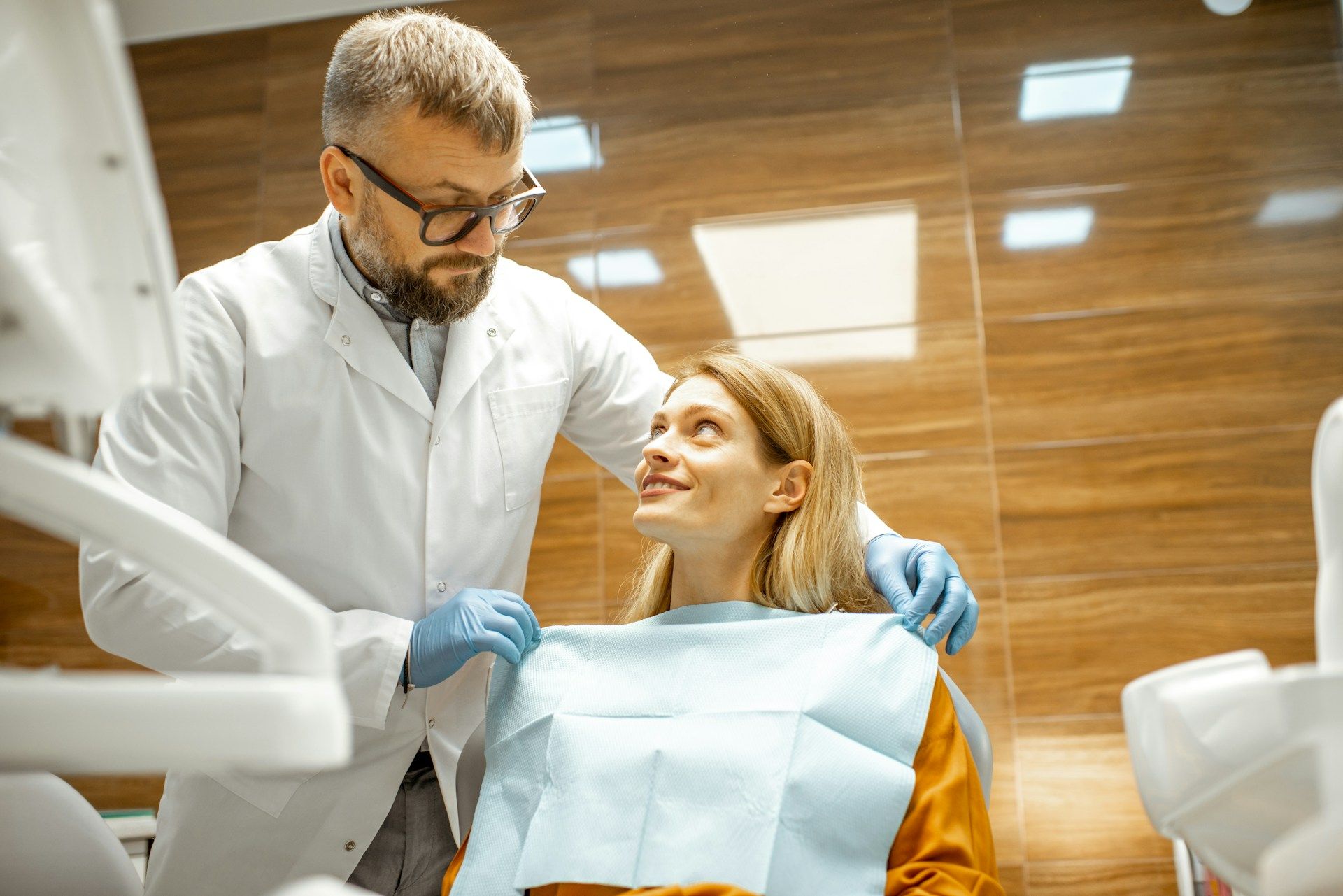
Everyone’s airway and bite are a little different. At Great Sleep Dental, our Boston-area team helps you explore CPAP alternatives and then customizes an oral appliance that fits your unique airway and bite. We take time to get to know your sleep concerns and your past experience with treatments.
The process usually includes:
- Reviewing your medical and sleep history
- Looking over any past sleep studies you may have
- Working together with your sleep physician
- Checking your teeth, gums, and jaw movement
Once oral appliance therapy is chosen, we use precise methods to create your device. That can include digital scans or detailed impressions of your teeth so we can design an appliance that fits securely and feels as natural as possible. After the appliance arrives, we adjust it carefully to reach a balance between comfort and airway support.
Follow-up visits are also an important part of care. We check how you are sleeping, make small changes to the position of your jaw if needed, and look for any bite or jaw changes. Your sleep physician may order a follow-up sleep study to measure how well the appliance is working.
Who Is a Good Candidate for Oral Appliance Therapy?
Not every person with sleep apnea will be best served by the same treatment. Oral appliance therapy is often a good option for people with primary snoring or mild to moderate obstructive sleep apnea. It can be especially helpful for those who tried CPAP but could not get used to the mask or equipment.
If you have been diagnosed with sleep apnea but find yourself searching for CPAP alternatives that better match your lifestyle, you may be an excellent candidate for oral appliance therapy. It may also be considered for some people with more severe apnea who simply cannot tolerate CPAP, but that decision is made carefully with a sleep physician.
When we evaluate someone for an oral appliance, we pay attention to:
- Overall dental health and gum condition
- Jaw joint comfort and any history of TMJ problems
- Existing crowns, bridges, or implants
- Teeth grinding or clenching habits
These details help us choose the right type of appliance and adjust it in a way that supports both your airway and your long-term oral health.
What to Expect From Treatment and Results
Starting oral appliance therapy is a step-by-step process. After the initial consultation and confirmation of your diagnosis, we gather records and impressions to design your custom appliance. Once it is made, you come in for a fitting, and we show you how to insert, remove, and clean it. Among today’s CPAP alternatives, oral appliance therapy offers one of the smoothest adjustment periods, with most Boston patients adapting within a few weeks.
During the first days and weeks, it is normal to notice:
- Mild jaw or tooth soreness on waking
- A little extra saliva at night
- Slight changes in how your teeth touch in the morning
These early changes often fade as your muscles and joints get used to the new position. If anything feels off, we adjust the appliance to keep it as comfortable as possible. Over time, many people report quieter nights, fewer awakenings, and a feeling of more refreshing sleep. Daytime energy, focus, and mood can improve when breathing is more stable at night.
We continue to see you on a regular schedule to monitor your bite, jaw comfort, and sleep progress. Adjustments and follow-up sleep testing help confirm that your snoring and apnea events are improving while your teeth and jaw stay healthy. With steady use and proper care, a well-made oral appliance can be a long-term tool to support better sleep and better days.
Sleep Better With Comfortable, Convenient Treatment
If you are ready to explore effective
CPAP alternatives, we can help you find a solution that fits your life and your sleep. At Great Sleep Dental, we focus on personalized care that prioritizes comfort, long term health, and real-world results. Our team will walk you through your options, answer your questions, and guide you step by step. To schedule a visit or ask about next steps,
contact us today.