Is It Time to Switch from CPAP to a Dental Device?
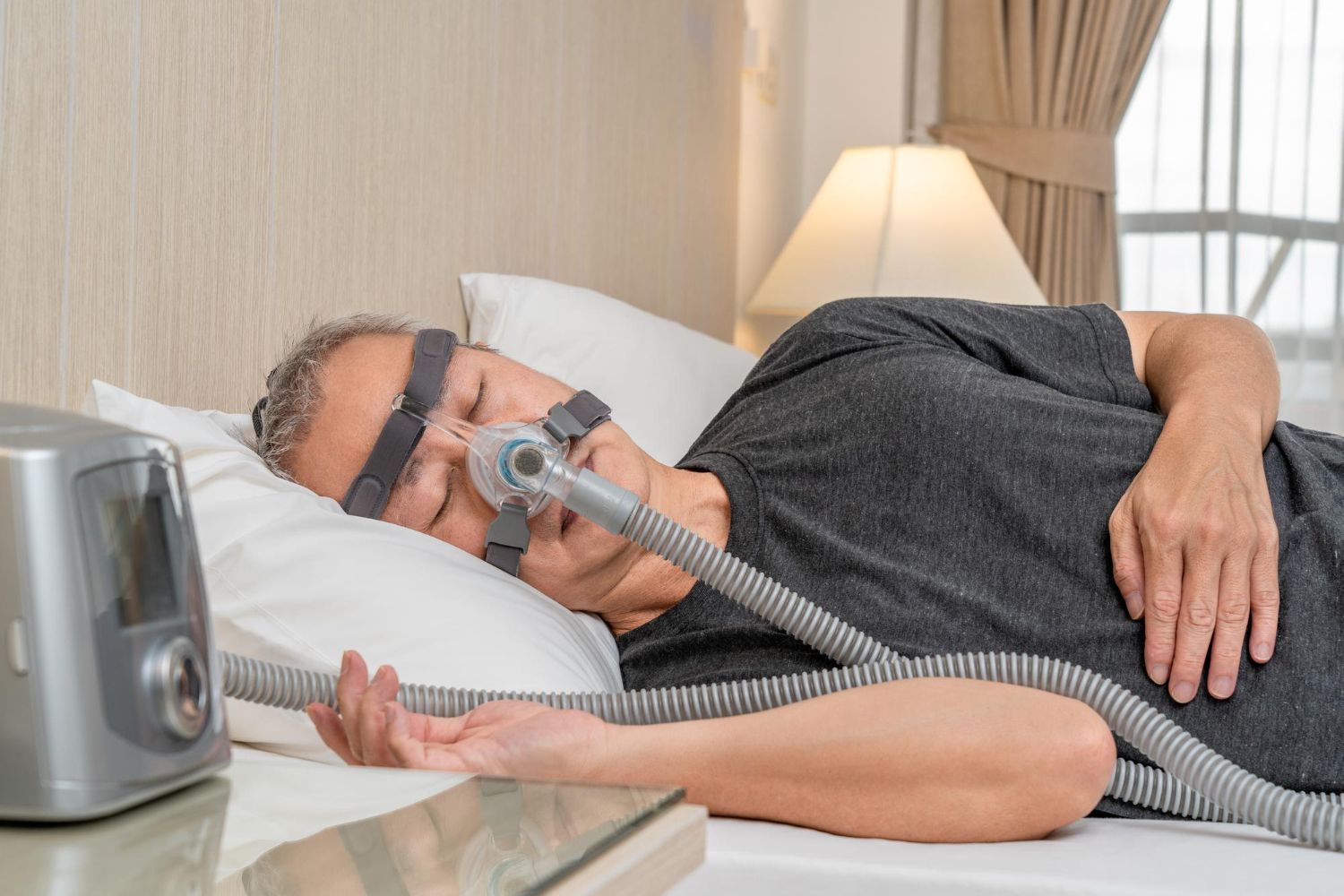
CPAP treatment for sleep apnea helps many people breathe better at night, but it’s not always an easy fit. Wearing a mask, dealing with the noise, or struggling to get comfortable can make it tough to stick with the routine. For some, the equipment ends up causing more frustration than relief. Sleep is supposed to feel restful, not like a chore. That’s why more people are starting to look into dental devices as another way to manage sleep apnea. At Great Sleep Dental in the Boston area, we focus on custom oral appliance therapy as an effective CPAP alternative for many people with obstructive sleep apnea and snoring.
These mouthpiece-style devices are simpler, smaller, and quieter. Instead of pushing air into your throat, they gently adjust your jaw to keep your airway open through the night. Switching from a CPAP to a dental device isn’t for everyone, but for the right person, it can be a big improvement in routine and comfort. If CPAP isn’t working, it might be time to look at new options.
When CPAP Isn’t Working for You
CPAP can be helpful when it fits into your life. But the truth is, not everyone can adjust to the nightly routine. Some people feel trapped under the mask, and others can’t get used to the air pressure or the sound of the machine. There are also those who simply skip using it because they dread how it feels. If that sounds familiar, you're not alone.
Here are a few signs that your CPAP may not be the right match:
- You often wake up tired, even after using it all night
- You find yourself skipping it more nights than you'd like to admit
- The equipment affects your sleep, comfort, or even your relationship
Trying your best but still feeling drained every morning can wear on your spirit. We run into this a lot with people who’ve tried to give CPAP a fair shot but feel backed into a corner. When that starts to happen, a different kind of support may be worth exploring.
How Dental Devices Help with Sleep Apnea
Dental devices work by shifting the lower jaw slightly forward during sleep. That gentle shift helps keep your airway from collapsing or narrowing when you're lying down. It's a subtle change, but it has a big effect on breathing.
Instead of wearing a mask strapped to your face, you wear a slim, custom-made device that fits over your teeth. There are no hoses, no air pressure, and no electric cords. For people who prefer a lower-profile solution, this setup can be much easier to live with. Some even say they forget they’re wearing it after a while. At Great Sleep Dental, these devices are made from detailed scans of your teeth and jaw so they are tailored to your bite rather than relying on a one-size-fits-all design.
A dental device might be a good fit if:
- You’ve tried CPAP and can’t get comfortable with it
- Your sleep apnea is mild to moderate
- You’re looking for something easier to travel with or maintain
It’s not the right answer for everyone, but it can work well for those who want a quieter, less bulky way to treat sleep apnea.
What to Expect If You’re Thinking About Switching
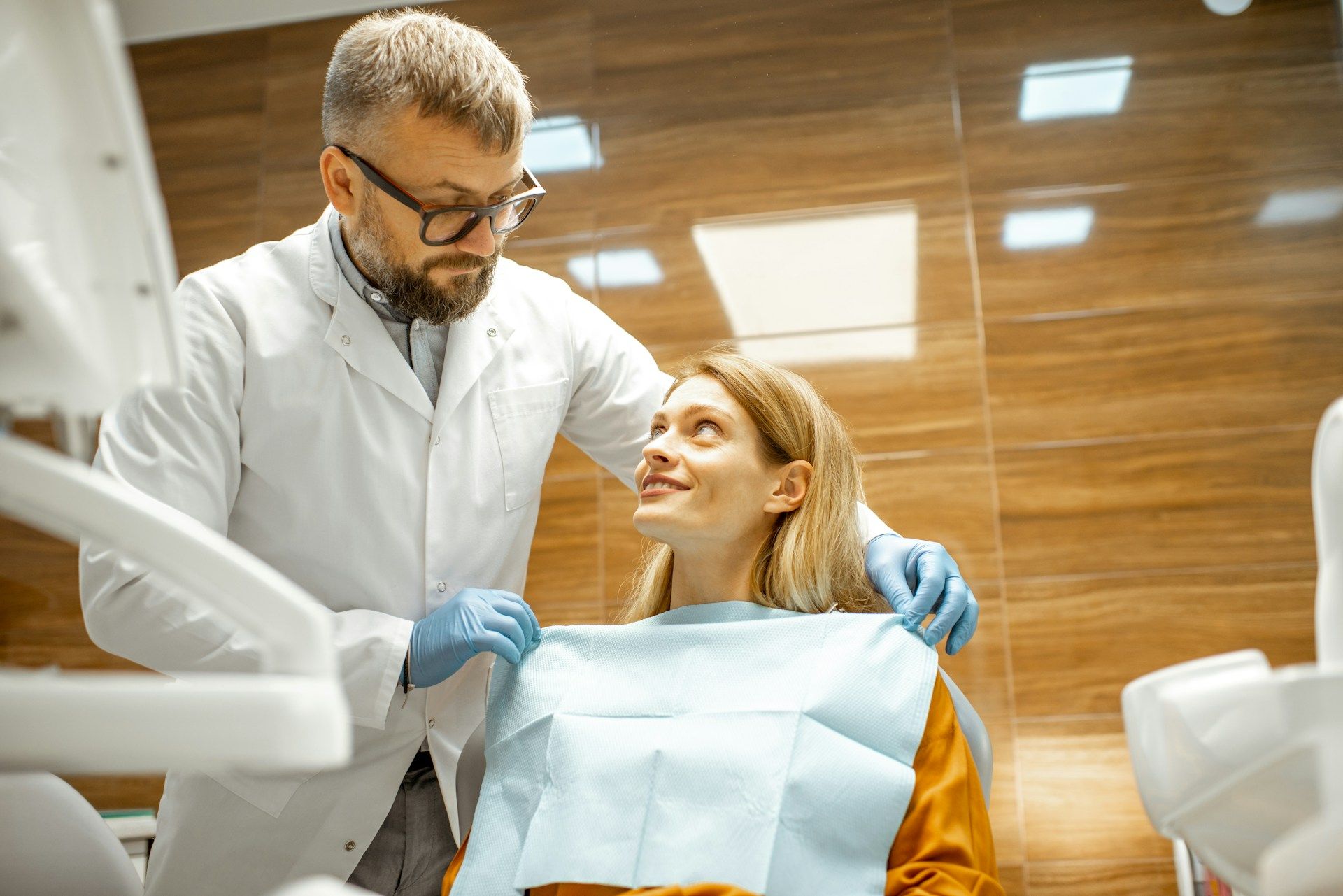
Switching from a CPAP to a dental device starts with a conversation with your sleep doctor or dentist. They’ll want to know how you’ve been sleeping, what your goals are, and whether a dental option could help.
Most people who move forward will go through a few basic steps:
1. Review your sleep studies to understand your needs
2. Get a custom mold taken of your mouth to make the device
3. Come back in once it’s made to be sure it fits and works right
Unlike a CPAP, there’s no trial and error with settings. It’s more about how it fits in your mouth and how it supports your airway. Good follow-up is key to making sure your results are what they should be, but the process is usually straightforward.
We often hear concerns about switching things up after getting used to a CPAP setup. In many cases, the shift to a dental device feels more natural and gives people back more freedom with how they sleep.
How to Know if a Dental Device Might Be Right for You
If you're on the fence, it can help to ask some simple questions about your current sleep setup. These might point you toward whether it's time for something different.
- Do I wear my CPAP every night, or do I often avoid it?
- Do I still feel tired even after wearing it?
- Does it cause sleep problems of its own?
- Would something simpler and smaller be easier for me to handle?
If you find yourself saying yes to most of these, a dental device could offer a way forward. An honest talk with a professional will give the clearest answer. One size doesn’t fit all when it comes to sleep. Having support from someone who understands both options can make the next step feel less overwhelming.
If you’re still benefiting from CPAP treatment for sleep apnea and don’t mind using it, great. But if it’s a constant battle, there are other options worth considering.
A Better Night's Sleep May Be Closer Than You Think
Sleep treatments don’t have to be one style fits all. When one approach isn’t working, it’s okay to look for something new. Dental devices provide a quieter, less bulky option that makes sleep support feel easier and more natural. They’re not a replacement for everyone, but for the right person, they can be a real help.
If your current treatment leaves you feeling restless, frustrated, or just plain tired, it may be worth asking if a switch would help. Good sleep changes more than just how rested we feel, it shapes our mood, focus, and energy throughout the day. A small change in how you treat sleep apnea might open the door to better mornings.
Feeling stuck with a routine that doesn't lead to restful sleep can be frustrating. At Great Sleep Dental, we know that finding a comfortable alternative doesn't have to be complicated, and we're here to help you explore better options. Many people only realize the strain in their nightly routine when they finally sleep without interruptions. If you're curious whether a dental device could offer better support than your current CPAP treatment for sleep apnea, we're ready to talk. Contact us to take the first step toward easier rest.