Steps to Find the Right Oral Device for Your Sleep Needs

Sleep issues can touch every part of daily life, even the parts we don't expect. If you've been waking up tired, dealing with snoring, or noticing your partner struggling through the night, you’re not alone. These signs can point to obstructive sleep apnea, something that goes beyond just feeling tired. It can affect how you focus, how patient you feel, and how well you connect with others.
One way people manage this condition is with oral appliance therapy for obstructive sleep apnea. These small, night-worn devices can make a big difference when breathing is blocked during sleep. For many, they’re a helpful alternative when bulky machines feel like too much. If you’re thinking about getting one, knowing the steps behind choosing the right fit can be a good place to start.
Understanding How Oral Appliances Work
Oral appliances help keep your airway open during sleep. When the tongue or lower jaw falls back too far, it can block airflow and lead to interrupted breathing. These devices hold the jaw gently forward, stopping those blockages from happening again and again during the night.
They’re different from CPAP machines, which use air pressure to force the airway open. Oral appliances don’t need electricity or tubing. They're small, silent, and typically fit inside the mouth kind of like an athletic mouthguard. But instead of protecting teeth, they're helping you sleep better by letting air move freely.
A trained dentist works closely with you to make sure the device fits just right. That means taking digital scans of your mouth, checking how your jaw moves, and making steady adjustments over time until it feels comfortable and works properly. The attention to your bite and jaw alignment is an important part of making sure the device works as it should, so you can breathe more easily and sleep more deeply.
Signs That an Oral Device Might Be Right for You
If you wake up feeling groggy most mornings, or you’ve been told you snore loudly or stop breathing for short periods while sleeping, those might be signs of sleep apnea. And if you're hoping for something more discreet or comfortable than a traditional machine, an oral appliance might fit your needs.
Here are some signs that might mean oral appliance therapy is a good option:
- Daytime tiredness that doesn't go away with a good night's rest
- Snoring loud enough to disturb others
- Waking with a dry mouth, headaches, or a sore jaw
- Trouble staying asleep or waking up gasping for air
Some people also notice mood changes, like feeling cranky or forgetful more often. Sleep struggles may cause tension with family or coworkers and even make it harder to focus on tasks. A proper sleep evaluation can help figure out what's going on and show whether oral appliance therapy can help make nights smoother and days easier to manage.
What to Expect at Your First Sleep Dental Visit
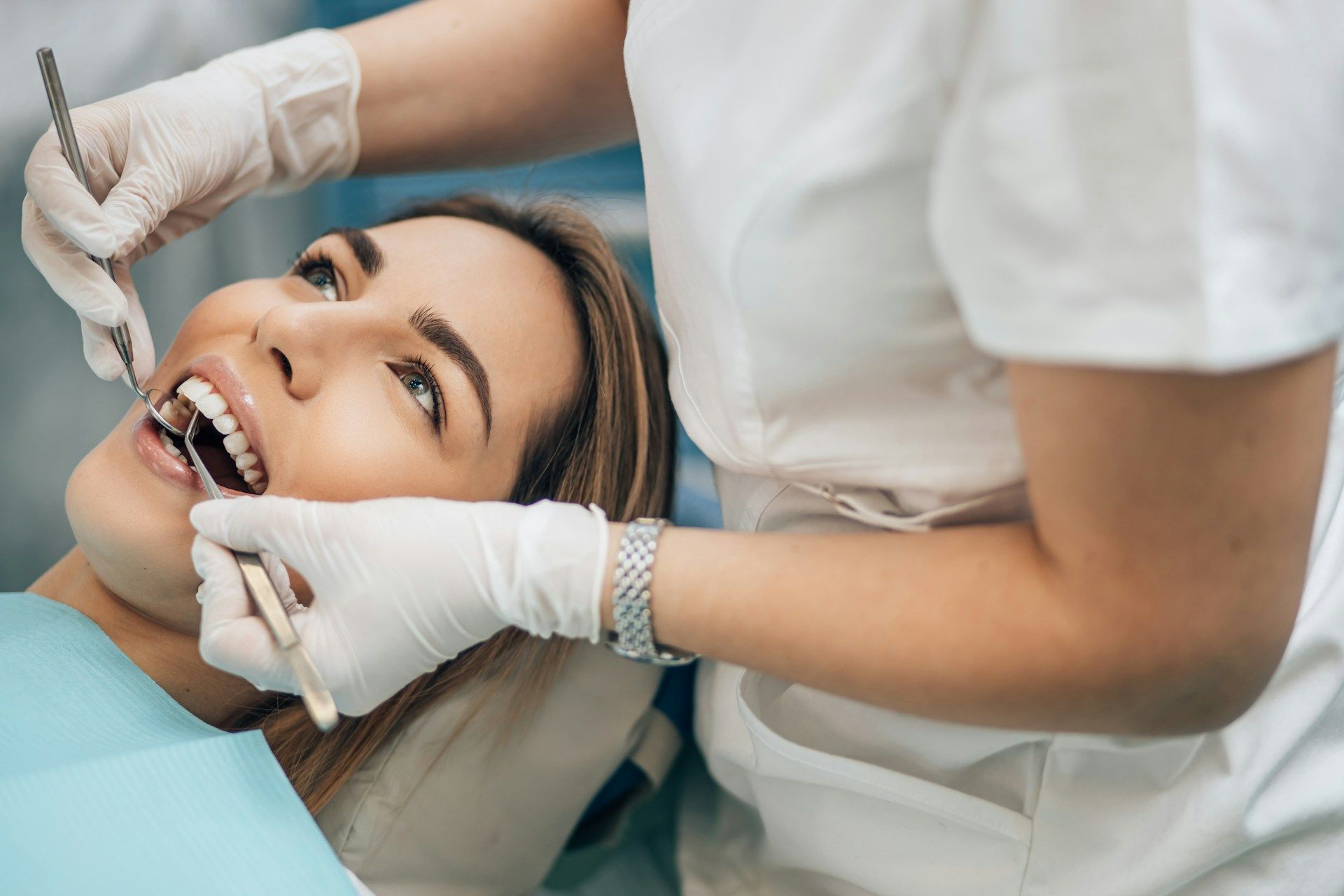
Getting started with sleep care might feel unfamiliar, but the first visit is usually calm and full of information. Instead of walking into a stressful medical setting, you sit down to talk through your sleep patterns, how you’ve been feeling, and what kinds of issues have come up at night.
At that visit, your dentist might take a digital scan of your mouth. This helps create a detailed look at your teeth and jaw, which becomes the starting point for a custom oral device. Everything from how your bite lines up to where your jaw rests while sleeping gets taken into account. After that, the dentist walks through what to expect as the device is created and gives tips on how to get ready for sleep with the oral appliance.
If you haven’t had experience with oral appliances before, the process is meant to be straightforward and comfortable. The dental team will answer your questions, check for any potential issues with your teeth or gums, and talk about your nightly routine and changes you might have noticed. Many people find that being able to talk about their struggles with sleep is reassuring, and just knowing there is a plan can ease worries about starting something new.
For people who’ve never tried anything like this before, the appointment is less about making decisions quickly and more about asking questions and learning about what might help.
Custom Fitting vs. Over-the-Counter Devices
Some people think about using a mouthguard from the drugstore when they notice snoring. But store-bought solutions aren’t made to treat sleep apnea, and they aren’t adjusted to match how your jaw needs to move to keep your airway open.
Custom oral appliances are different for a few important reasons:
- They’re made from digital scans of your teeth, so they fit firmly without being too tight
- They can be adjusted as your sleep patterns change over time
- They are built to support breathing, not just reduce teeth grinding or snoring
Custom fitting makes a big difference in how well the device works and how it feels to wear. A bulky or poorly fit appliance can lead to sore jaws or disrupted sleep, which defeats the whole purpose. With a well-fitted device, it feels natural to wear it nightly. Regular check-ins help spot any changes early and make quick adjustments when needed. Having ongoing support from your dentist means any discomfort can be fixed, and your chances of getting better sleep aren’t interrupted by small problems.
Custom appliances also consider the details of how your mouth moves and how your airway works while you sleep. The materials used are chosen for long-term comfort and durability, which helps people stick with their treatment plan for the long run.
Keeping Your Device Working Long Term
Once you’ve gotten used to wearing an oral appliance, the next step is keeping it in good shape. These devices sit in your mouth every night, so they collect saliva, plaque, and debris just like retainers or dentures would.
To keep your oral appliance working well, focus on these habits:
- Clean it each morning with a soft brush and mild soap
- Store it in a dry, protective case when not in use
- Watch for cracks or buildup and let your dentist know if something seems off
It’s also helpful to have your dentist check the device during regular dental visits. This makes sure the fit and function are what they should be. Early signs of wear, changes in your teeth, or jaw discomfort can all be addressed right away, before they turn into bigger problems.
We also recommend bringing your device to follow-up dental visits. That way, the fit can be checked regularly, and any signs of wear can be addressed early. Staying on top of these small steps keeps the appliance comfortable and working the way it should.
When used consistently over time, oral devices can help improve sleep, reduce daytime sleepiness, and support better breathing every night.
Sleep Better, Feel Better Every Day
Finding a comfortable and easy-to-use device for sleep troubles can make a big difference in how each day feels. Instead of just powering through another sleepy morning, you get to wake up feeling more rested, focused, and present. Picking the right oral device means choosing something that works with your body, not against it.
When sleep starts to feel easier, everything from your patience level to your ability to focus can feel smoother too. Whether you’re just starting to spot signs of poor sleep or you’ve been trying different options for a while, knowing how these devices work and what goes into getting the right one is a step in the right direction.
Ready to sleep more comfortably without bulky machines or noisy attachments? We can help you determine if a custom-fit approach is right for you. Many people with snoring or interrupted sleep have found relief through
oral appliance therapy for obstructive sleep apnea, especially when other options haven't worked well. We take time to understand your sleep habits and ensure your device fits just the way it should. At Great Sleep Dental, our focus is on helping you breathe easier at night and feel better during the day. Call us to schedule a visit.