Morning Headaches and Jaw Pain: Hidden Clues to Sleep Apnea

Waking up with a pounding head and aching jaw can make the whole day feel harder. When this happens over and over, it is easy to blame stress, your pillow, or too much screen time. But morning headaches and jaw pain can be signs that something is going wrong with your breathing while you sleep.
In this article, we will talk about how sleep apnea and nighttime teeth grinding can work together to strain your jaw, disturb your sleep, and leave you feeling exhausted. We will also explain how a dental sleep medicine practice can look at the full picture and help guide you toward gentle TMJ discomfort treatment that actually starts at night, not in the middle of your busy day.
Morning Pain That Starts in Your Sleep
Many people feel stuck in a loop. They go to bed at a reasonable time, sleep for what seems like enough hours, then wake up with:
- A tight, sore jaw
- A dull or throbbing headache
- A stiff neck or facial soreness
- A heavy, foggy feeling that does not match the clock
It is easy to shrug this off and think, “I must be stressed” or “I just slept funny.” While stress and posture can play a role, these symptoms can also be powerful clues that you are fighting to breathe while you are asleep.
When your airway gets narrow or blocked at night, your body does not just sit there. It reacts. One way it reacts is by clenching and grinding the teeth, a habit called bruxism. That constant pressure can strain your jaw joints and muscles. Over time, this can lead to both morning headaches and TMJ discomfort that does not seem to have a clear cause.
A dental sleep medicine practice near Boston that focuses on sleep-disordered breathing looks at these symptoms in a different way. Instead of treating jaw pain and headaches as random problems, we connect them to what might be happening with your airway and breathing while you sleep.
How Sleep Apnea Triggers Morning Headaches
Obstructive sleep apnea is a condition where the soft tissues in the throat relax too much during sleep. The airway gets narrow or closes, and breathing either becomes very shallow or stops for short periods. When that happens, oxygen levels can drop, and the brain quickly sends a signal to wake the body just enough to start breathing again.
These brief arousals can happen many times through the night. Even if you do not remember waking up, your body does. This stop-and-start pattern can affect:
- Blood flow and blood vessels in the head and neck
- Muscle tension in the jaw, neck, and shoulders
- How deeply you reach the most restful stages of sleep
All of this can show up as a morning headache that feels like pressure, tightness, or a band around your head. Poor quality sleep can also lead to brain fog, irritability, and mood changes. During allergy season, when nasal passages are stuffier, these breathing issues can feel even worse, and headaches may seem to flare.
Common warning signs that your morning headaches might be tied to sleep apnea include:
- Loud snoring that bothers a bed partner
- Gasping, choking, or pauses in breathing during sleep
- Waking with a dry mouth or sore throat
- Feeling sleepy or needing naps during the day
When these go along with jaw pain or TMJ discomfort, it is a sign that your teeth and jaw may be working overtime at night.
The Hidden Link Between TMJ Pain and Night Breathing
The temporomandibular joint, or TMJ, is the hinge that connects your lower jaw to your skull, just in front of your ears. This joint, along with a group of muscles in your cheeks, temples, and neck, helps you talk, chew, yawn, and swallow. It also stays active while you sleep.
If your airway is narrow, your body may try to open it by sliding the lower jaw forward. That forward position can pull on the TMJ and strain the muscles. When this happens night after night, you can wake up with:
- Jaw soreness or stiffness
- Pain in front of the ears or in the cheeks
- Tender teeth or teeth that feel “bruised”
- Clicking or popping in the jaw
Clenching and grinding are also very common in people with sleep-disordered breathing. That pressure can wear down the teeth and place extra stress on the TMJ. This is why TMJ discomfort treatment that only focuses on daytime bite alignment, stress, or a simple night guard may not solve the real problem.
To truly calm an overworked jaw, it often helps to ask a deeper question: what is happening with my breathing and airway when I sleep?
Why a Dental Sleep Specialist May Be the Missing Piece
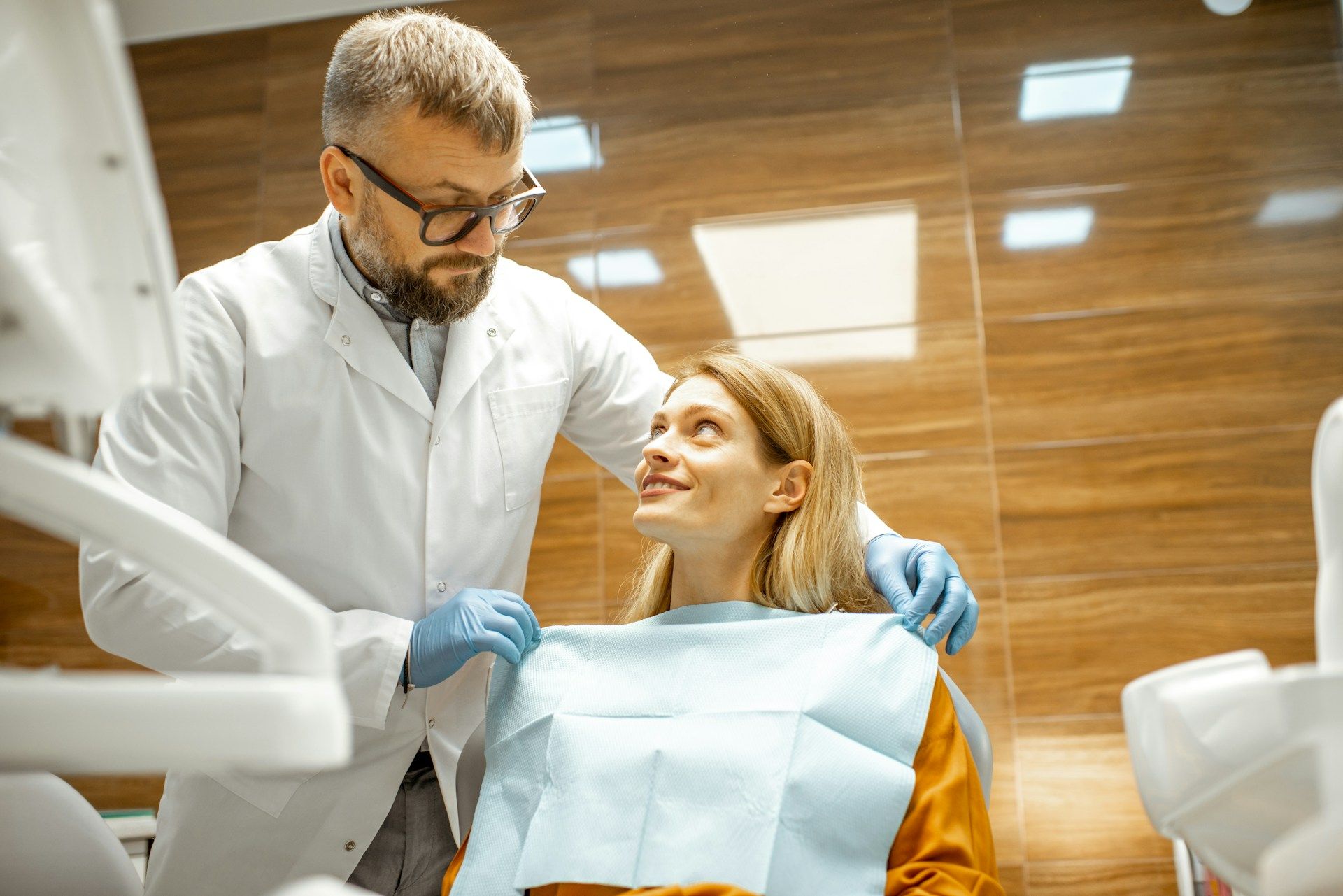
A dental sleep medicine practice is different from a general dental office. While general dentistry focuses on cavities, cleanings, and everyday dental care, a dental sleep specialist is trained to look at how your teeth, jaw, and airway work together during sleep. This includes understanding snoring, sleep apnea, and oral appliance therapy.
When you see a dental sleep specialist for headaches or jaw pain, the process often includes:
- A careful review of your medical and dental history
- Screening questions about snoring, sleep quality, and daytime fatigue
- A close look at jaw joints, muscles, and how your teeth fit together
- Evaluation of tooth wear patterns that may suggest grinding
If there is concern about sleep apnea, the dental sleep specialist can coordinate with your physician to arrange appropriate sleep testing. Putting all this information together helps show whether your headaches and TMJ pain are linked to sleep-disordered breathing.
When TMJ discomfort treatment is based on this full picture, it can be more targeted and more likely to last. Instead of chasing symptoms with pain pills, guesswork, or night guards that do not address the airway, the focus turns to treating the root causes that are active while you sleep.
Oral Appliance Therapy as a Gentle Alternative to CPAP
For many people with snoring or mild to moderate sleep apnea, a custom oral appliance can be a comfortable alternative to CPAP. This small device fits over the teeth, a bit like a retainer, and gently holds the lower jaw and tongue in a position that helps keep the airway more open.
Compared to CPAP, an oral appliance:
- Is quiet and does not use air pressure, masks, or hoses
- Is small and easy to pack for travel or overnight stays
- Can feel more natural for people who move around in their sleep
- Allows many people to sleep in different positions more easily
When an oral appliance is carefully designed and adjusted, it can do more than reduce snoring. By supporting a better airway position, it can lower the strain on jaw muscles that were working all night to pull the jaw forward on their own. That support can be an important part of TMJ discomfort treatment, especially when jaw pain is tied to sleep-disordered breathing.
At a dental sleep medicine practice, follow-up is just as important as the first fitting. Regular visits help fine-tune the device for comfort, check your teeth and jaw joints, and work with your medical team to confirm that sleep apnea is being managed well.
Relieve Jaw Pain and Restore Comfortable Sleep
If jaw tension, headaches, or interrupted sleep are affecting your daily life, we are ready to help you find real relief at Great Sleep Dental. Explore your personalized options for
TMJ discomfort treatment and discover a plan tailored to your specific symptoms and goals. To schedule a visit or ask questions about what to expect, simply
contact us and our team will walk you through the next steps.