Understanding How Sleep Disorders Affect Your Relationships
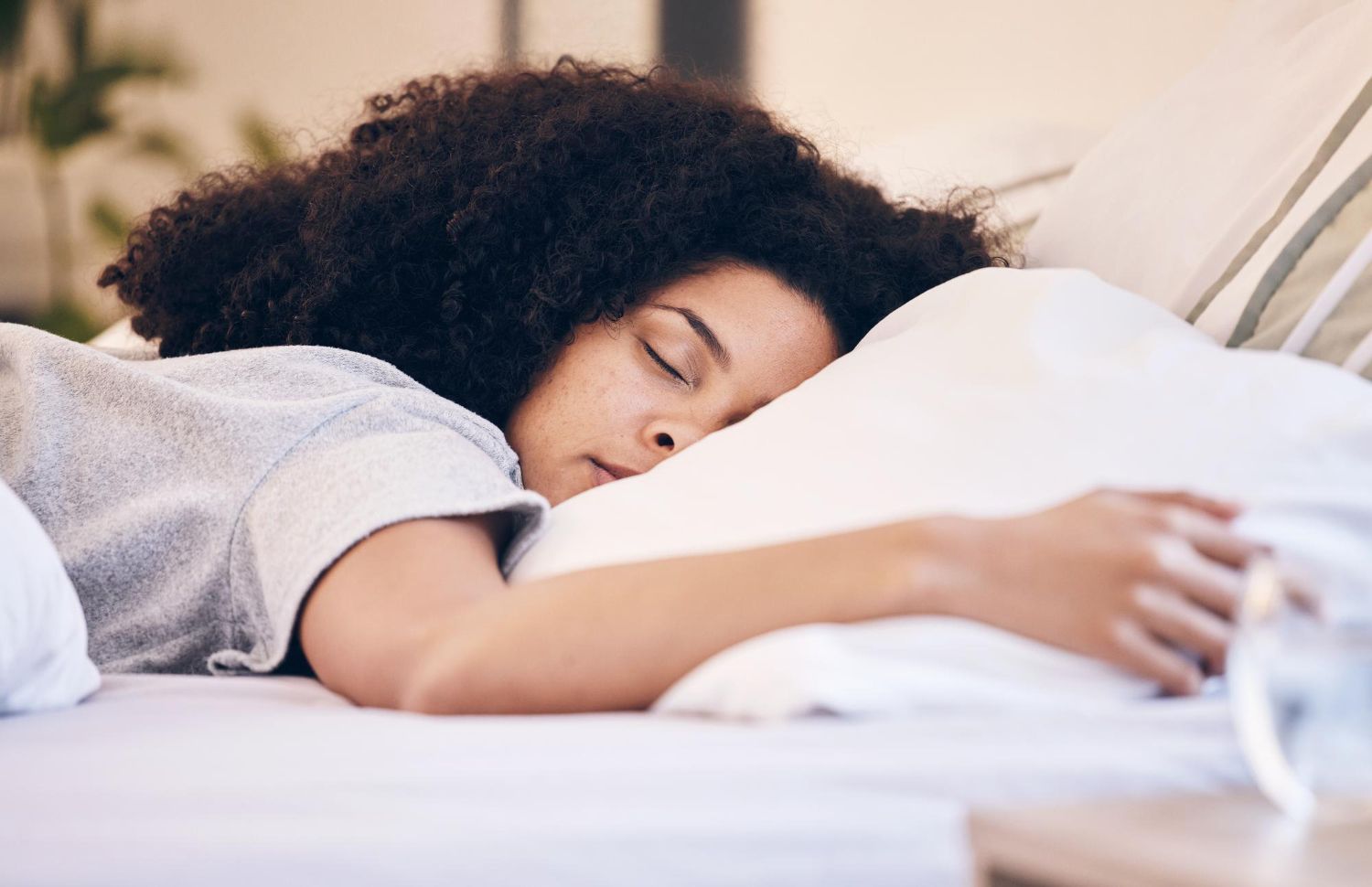
Most people think sleep issues only affect the person who's struggling, but that’s not always true. Trouble falling asleep, waking up gasping, or constant tossing doesn’t just leave someone tired the next day. It can change the way they speak to loved ones, how much patience they show, and even how connected they stay in their relationships. That kind of strain can creep in slowly or hit all at once, but either way, it's something worth looking into.
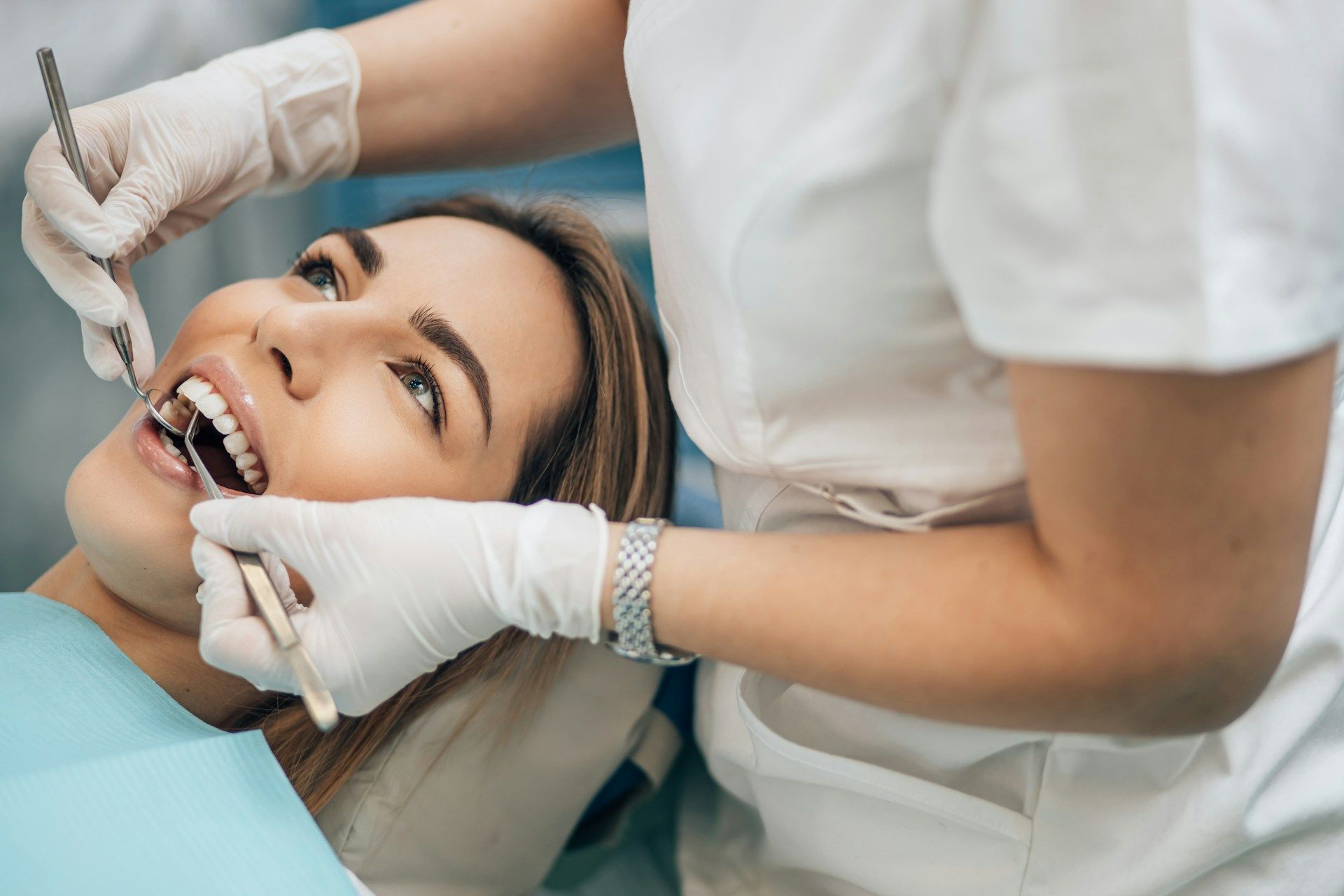
When broken sleep becomes the norm, the people closest to us usually notice, even if we don’t always want to admit it. That’s one reason sleep disorders clinics matter. They don’t just help identify what’s going on at night, they give people a way to understand how those nights affect their daily lives and relationships, too. At Great Sleep Dental in the Boston area, we see every day how treating sleep apnea, snoring, and TMJ-related issues can make home life feel calmer and more connected.
What Happens When Sleep Is Disrupted Every Night
When sleep keeps getting cut short, it wears us down in more ways than one. It’s not just about feeling groggy in the morning. It’s also about how hard it becomes to focus, stay calm, or respond kindly when something doesn’t go as planned.
Here’s what often happens when restful sleep becomes rare:
- Tempers get shorter, and little things spark big reactions
- It gets harder to feel empathy or show interest in someone else’s day
- We pull away from conversations or avoid situations that feel too draining
Over time, poor sleep starts to shape how we interact with others. Even close relationships can begin to feel fragile or tense when one person is stuck in a pattern of tiredness. And if the other person doesn't quite understand what's going on, it can lead to feelings of blame or confusion. It might seem like someone doesn’t care, but really, they're just exhausted.
How Sleep Challenges Can Affect Romantic Relationships
Romantic partners often feel the impact of sleep trouble before anyone else. Sharing a bed means both people notice what’s going on at night. Snoring, restlessness, or sudden gasps can wake the other person again and again.
Sometimes, couples end up sleeping apart just to get some rest. For some, this helps. For others, it adds to a feeling of growing distance. That extra space at night can lead to less touch, less talking, and eventually, less closeness overall.
Other things that can happen in couples or marriages when sleep issues stay unresolved:
- Frustration builds from feeling like things aren't being addressed
- One person may feel ignored or dismissed when they bring up concerns
- Misunderstandings grow when communication is clouded by fatigue
No one means to snap or shut down emotionally, but it’s hard to be fully present when you're always tired. And when both people are impacted, it becomes harder to know where to begin fixing things.
How Sleep Disorders Impact Parenting and Family Life
Poor sleep doesn't just affect two people, it ripples through the whole home. Parents who are tired tend to feel more stressed. Mornings feel rushed, evenings get loud, and patience runs low by the time dinner hits the table.
When a child isn’t sleeping well, it can take a toll on both parents, turning rest time into a constant guessing game. And when an adult in the home has sleep problems, it adds another layer of stress that shows up in day-to-day life.
Things that often happen when sleep disorders show up in family life include:
- Less energy to stay present during family routines or activities
- More frequent arguments about chores, parenting, or time together
- Children feeling anxious or unsettled when adults seem irritable or distant
Even when everyone’s trying their best, sleep affects the whole emotional atmosphere. Families thrive when rest feels steady and safe, especially for the adults leading the household.
Why Talking to a Sleep Dentist Can Strengthen Your Relationships
Getting help doesn’t just improve sleep. It can bring a better understanding of what's really going on beneath those restless nights. That insight makes it easier to explain things to a partner, child, or friend, without it turning into blame or resentment.
Sleep disorders clinics offer more than testing. They often look at how disrupted sleep patterns affect mood, memory, and relationships. That kind of approach can make all the difference when conversations at home start to feel stuck. At Great Sleep Dental, this often includes using convenient home sleep studies and, when appropriate, custom oral appliance therapy as a quiet CPAP alternative, so both the patient and their partner can share more peaceful nights.
Here’s how taking that step can help relationships feel smoother again:
- It gives people clear language to talk about their experience without guessing
- It relieves guilt on both sides when there’s a plan in place
- Once sleep improves, emotional balance and patience tend to return too
When the body gets what it needs at night, it’s easier to stay calm, speak kindly, and listen with real interest. That alone can shift the tone at home in noticeable ways.
Stronger Sleep, Stronger Connections
Getting rest isn’t just about letting the brain recover. It’s about waking up as the person you want to be, more patient, present, and able to show care in your relationships. Whether it's romantic, family-based, or between friends, strong connections rely on clear communication and emotional steadiness, both of which are much harder to hold onto when sleep is falling apart.
When sleep problems are addressed head-on, it’s not just about silence at night or more time under the covers. It’s about how life feels in the in-between moments too. From the way we greet a partner in the morning to how we respond to a child’s questions at dinner, better sleep usually shows up in small, meaningful ways that matter more than we think.
If sleep disruptions are starting to affect how you connect with loved ones, it might be time to get some clarity on what’s really going on at night. At Great Sleep Dental, we help people understand the root of their sleep trouble and how it shows up in daily life, not just bedtime. Many people find answers and support by working with experienced providers at trusted sleep disorders clinics who look beyond the symptoms to see the full picture. Getting the right insight can be the first step toward better sleep and healthier relationships. Contact us to see how we can help.