When At-Home Sleep Testing Makes More Sense Than a Lab Study
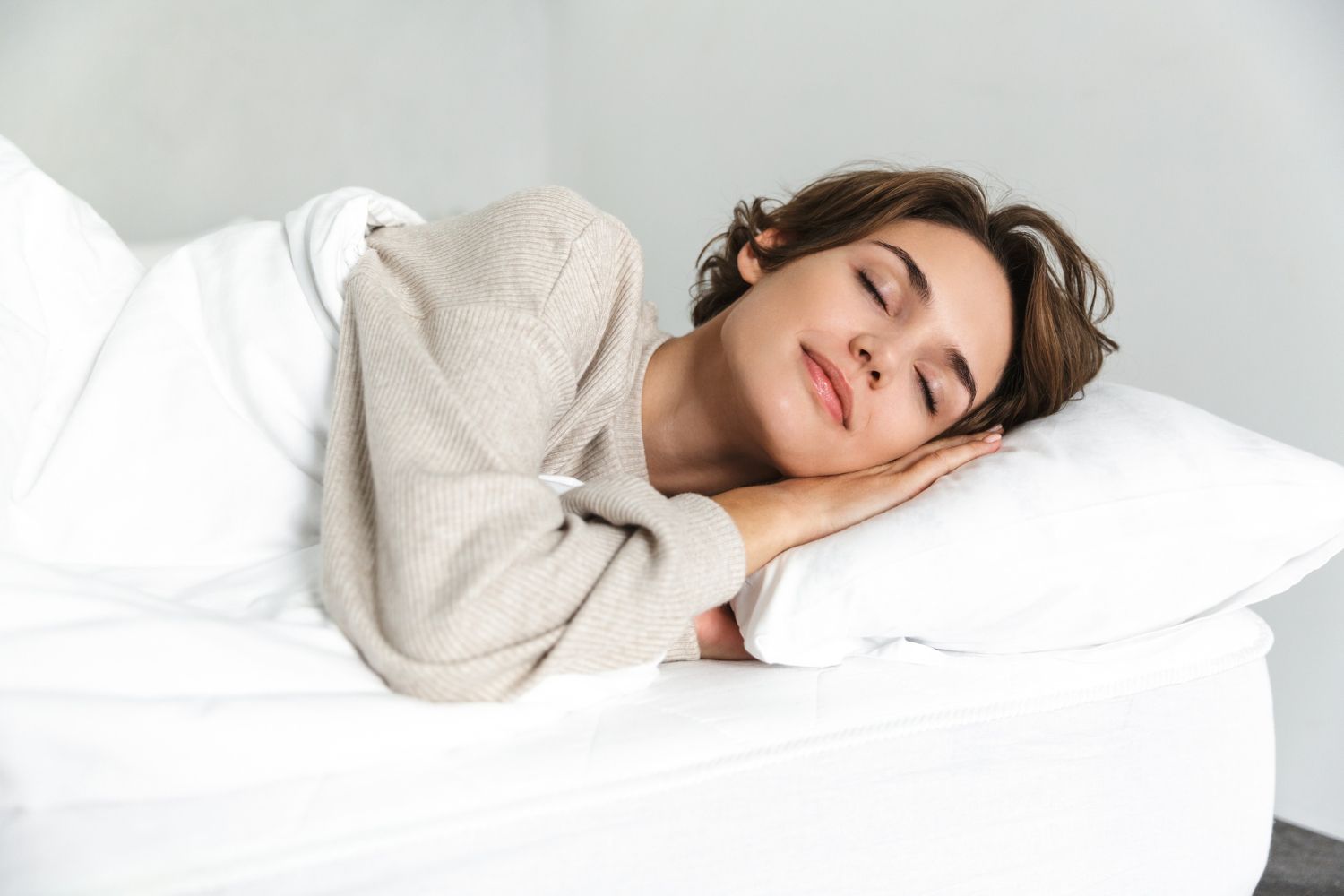
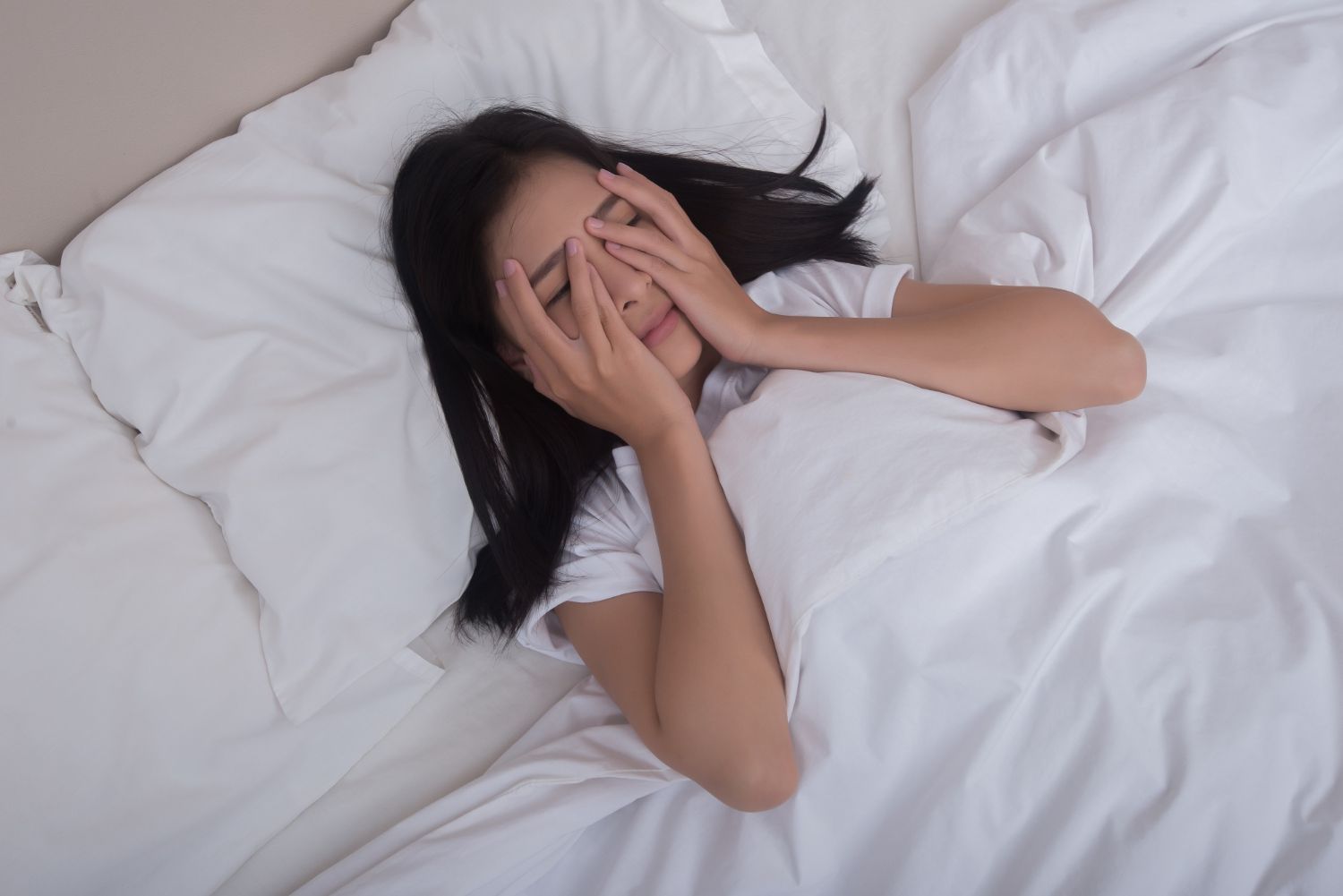
When sleep feels off night after night but the cause isn't clear, it's easy to feel frustrated. Many people struggle with rest but don’t know where to start. An at-home sleep study test offers a way to gather helpful answers in a familiar setting, often without the stress of going into a lab.
Choosing the right kind of sleep test depends on the person and their unique symptoms. Some people benefit from more complex testing in a lab, while others may not need that level of detail. Understanding why your sleep is off is key, and for many, an at-home option can be enough to move forward with clarity and next steps. At Great Sleep Dental in the Boston area, many patients begin with a convenient home sleep study that records breathing and sleep patterns in their own bed so results reflect a typical night of rest.
When Testing Sleep at Home Might Be a Better Fit
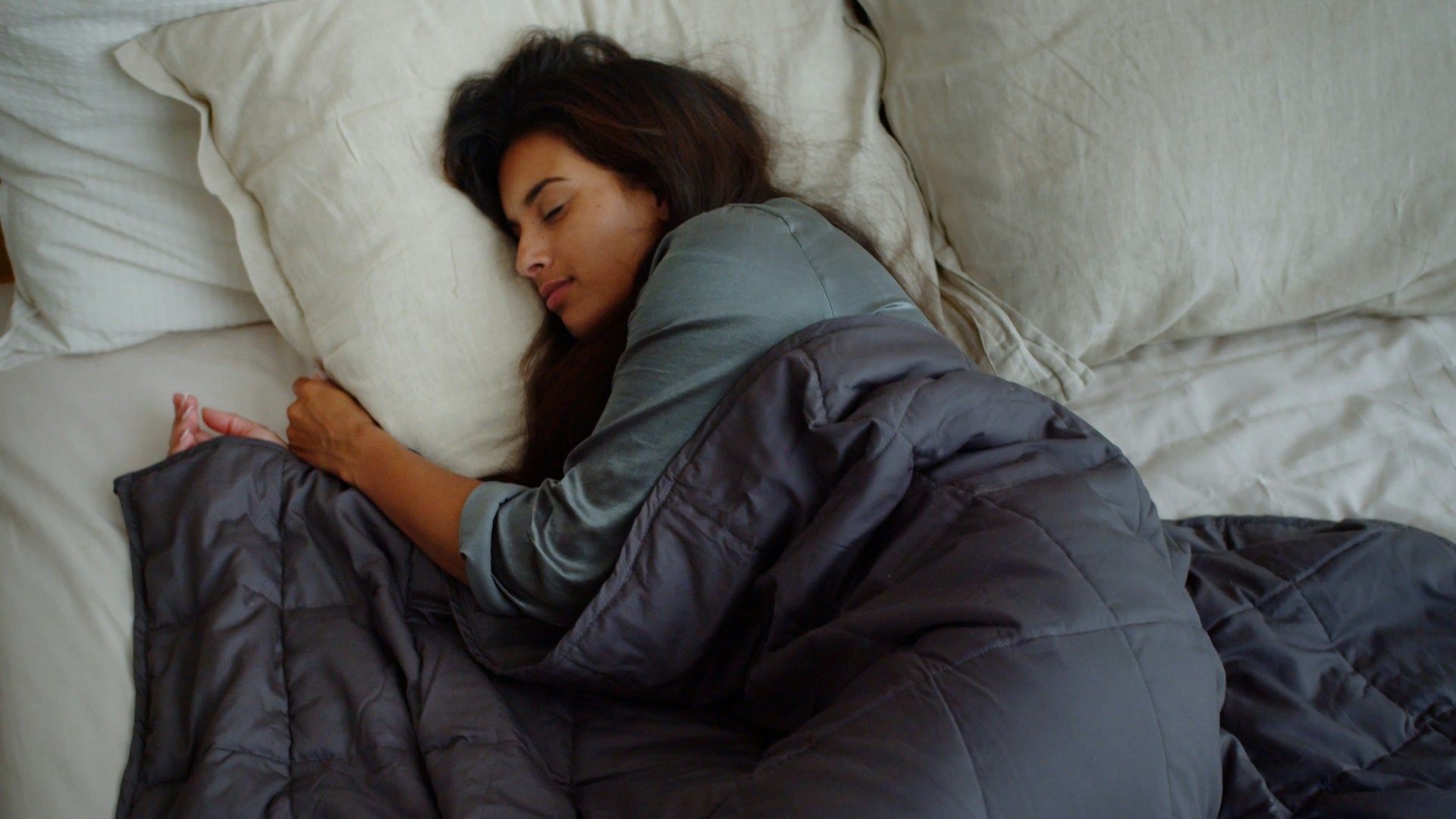
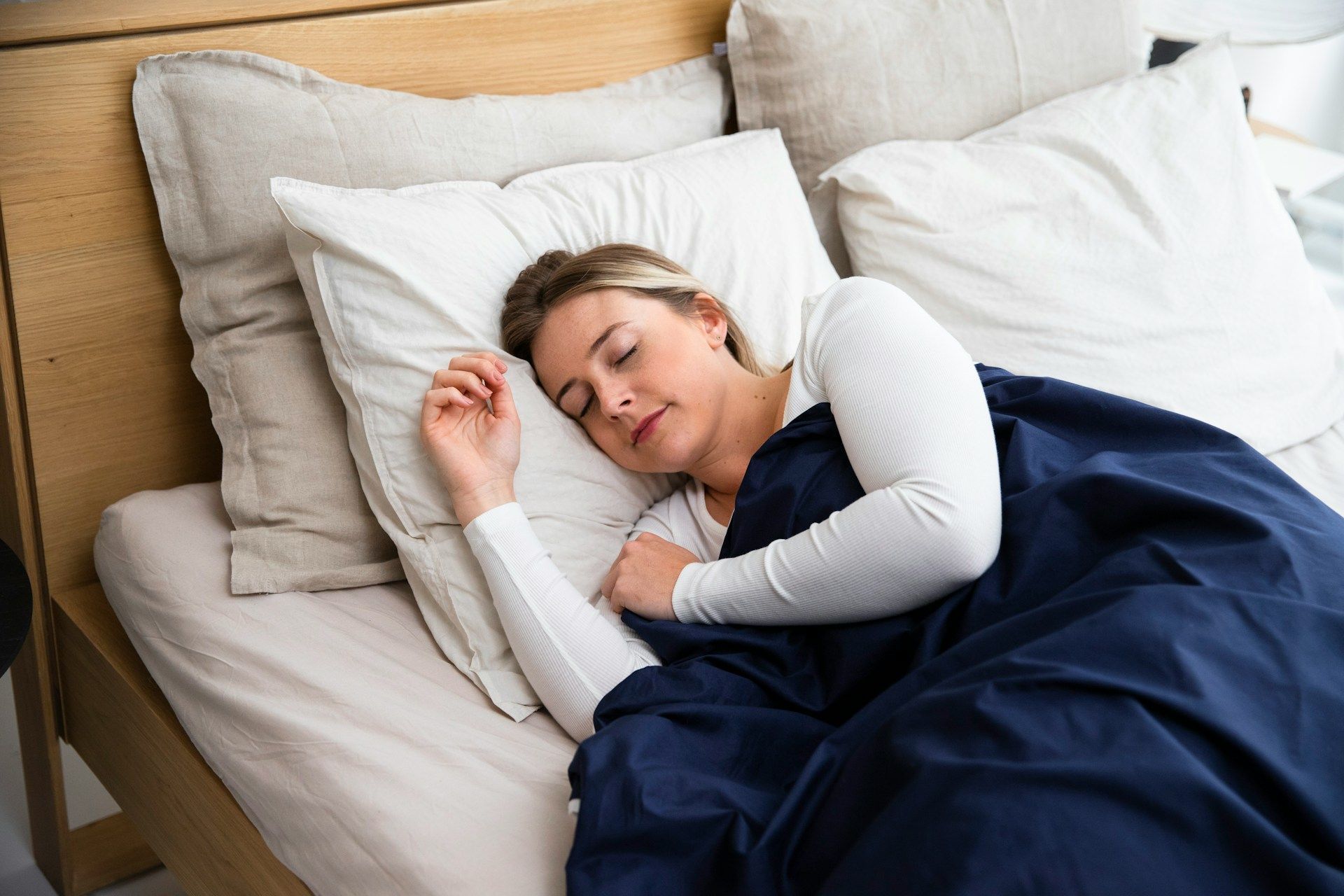
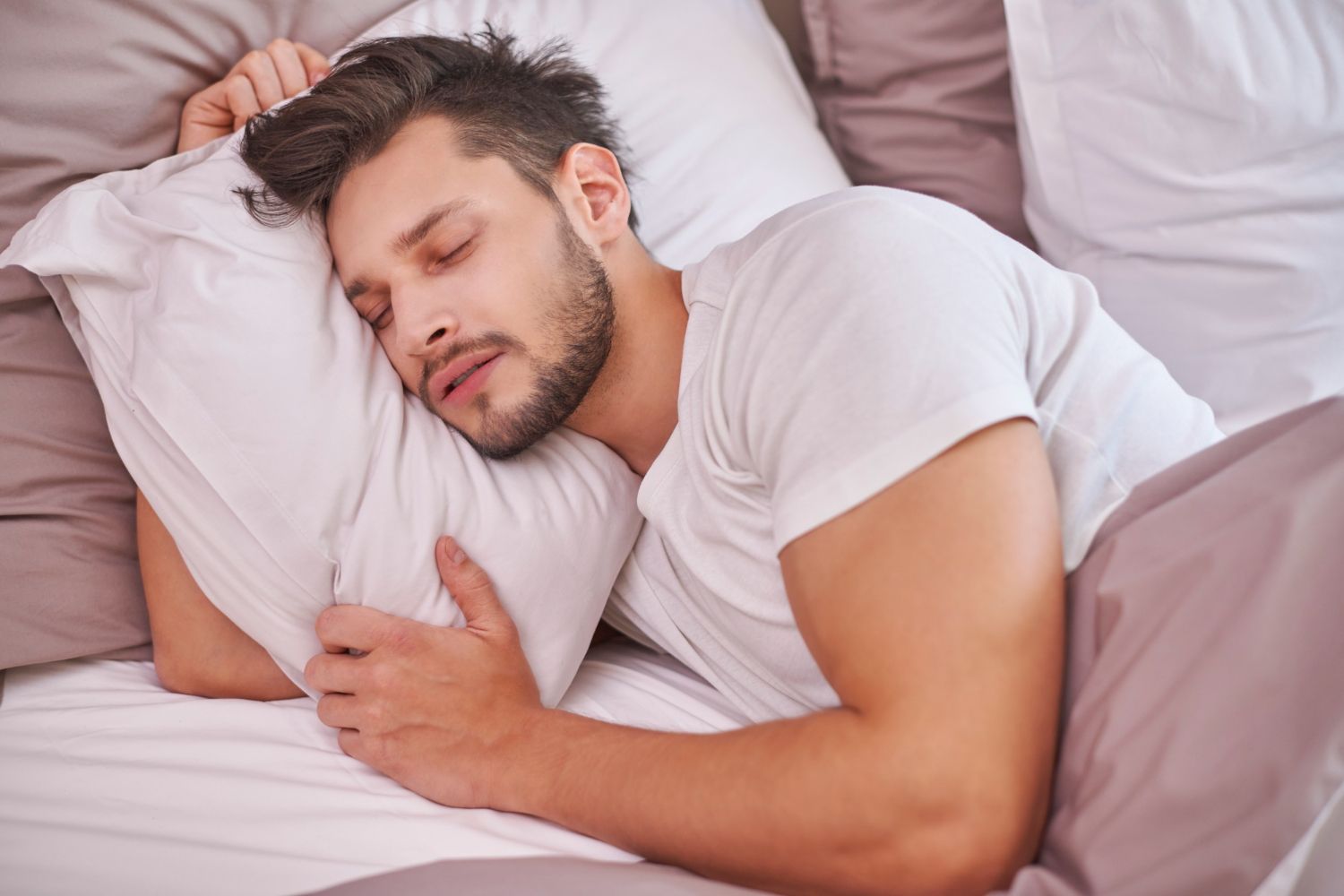
Some people sleep better at home simply because it’s home. The comfort of your own bed, your usual routine, and the peace of a familiar space can make a big difference when trying to understand poor sleep patterns. If you're already having trouble resting, the last thing you want is to be hooked to monitors in a strange room.
For mild sleep symptoms or less frequent disruptions, an at-home setup is often a good place to begin. You may not need every layer of testing a lab offers if you're just trying to understand snoring, nighttime movements, or waking without feeling rested. Some differences between home and lab testing are small, while others can help narrow down the kind of support you need.
Here are situations where testing at home might make more sense:
- You have a hard time falling asleep in new environments
- Your sleep issues seem mild and aren’t linked to any health emergencies
- You want baseline answers before considering more involved testing
Sometimes getting helpful feedback only requires a few simple tools, not a whole night in a lab under observation.
What Makes In-Lab Sleep Studies More Involved
Lab-based tests offer a more complete picture when symptoms are frequent, intense, or involve possible medical concerns. A lab setup tracks more than just breathing. It usually covers brain waves, heart activity, leg movement, oxygen, and eye motion. This wide range of data helps identify complex sleep issues like central apnea or unexplained waking patterns.
In many lab tests, your body is monitored throughout the night by trained professionals. Sensors are placed on the skin to watch movement, activity, and changes that aren’t always visible or obvious. It’s more hands-on, but that’s often what makes it helpful in certain cases.
A lab test may be the better choice when:
- Breathing seems to stop frequently during sleep
- You've been diagnosed with health conditions that could affect rest
- Earlier at-home tests didn’t lead to clear answers
There’s a time and place for both options, and knowing what your body needs helps guide the next step.
How an At-Home Sleep Study Test Works Step by Step
Even though the process happens on your own time and in your own space, an at-home sleep test still follows a step-by-step setup. Before the test night, you’ll usually receive a small kit. It includes easy-to-use tools for measuring key sleep details like airflow, oxygen, and chest movement.
Here’s how the process usually works:
1. You wear a small device or two while sleeping, such as a belt around your chest and a clip on your finger
2. These devices track your breathing patterns, snoring, oxygen levels, and how often your body wakes up without you realizing it
3. You follow your normal routine and go to sleep on your typical schedule
The goal is not to change anything at all. Letting the night play out naturally can give the most useful data.
After the test, the results are reviewed by a sleep-focused provider. From there, you can decide whether the findings are clear or if more support is needed. At Great Sleep Dental, home sleep study results are often used alongside a custom oral appliance plan, especially for people looking for a comfortable alternative to CPAP.
Choosing Between At-Home and Lab Tests with Help from a Professional
Picking the right kind of sleep test isn’t something most people do on their own. It usually starts with a conversation. Symptoms like snoring, clenching, gasping, or just ongoing fatigue can mean a lot of different things. That’s why working with a provider who listens and understands sleep concerns makes a big difference.
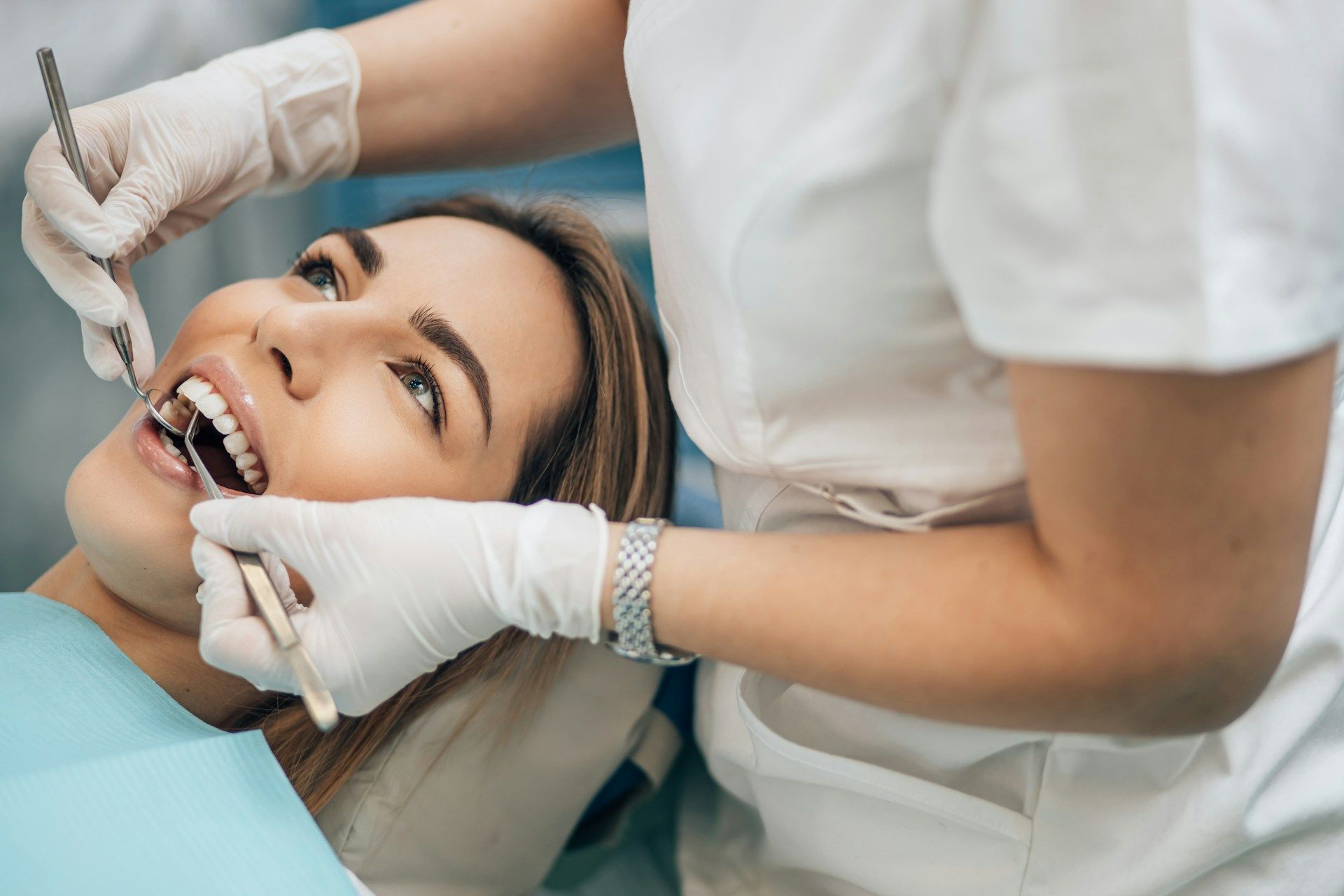
Dentists or doctors trained in sleep assessments can decide what kind of test might give the clearest results. Sometimes, a basic test at home is a strong place to begin. Other times, they may recommend heading to a lab, especially if they spot patterns that suggest the body needs closer tracking.
The main idea here is that guessing rarely helps. Your body gives clues, it’s just about finding the right way to read them.
Clearer Sleep Insights Start at Home for Many
Not every sleep issue needs wires, hospital beds, or nights away from home to be understood. For many people, rest can improve once the right questions get answered. An at-home sleep study test offers a low-pressure way to start that process without changing much about your daily life.
Feeling tired all the time or waking up groggy doesn’t always mean something serious, but it does often mean something is off. The right test creates a starting point. It brings your sleep behavior into focus so that the days ahead feel more manageable, and a little more restful too.
Getting started with sleep testing doesn't have to feel overwhelming or clinical. For many people, an at-home sleep study test is a simple first step that fits easily into everyday life. It provides helpful insight without the need to leave your own bed. At Great Sleep Dental, we guide you through the process so you feel supported from start to finish. Contact us today to find out if this approach is right for you.