How to Clean and Maintain Your Sleep Apnea Dental Appliance
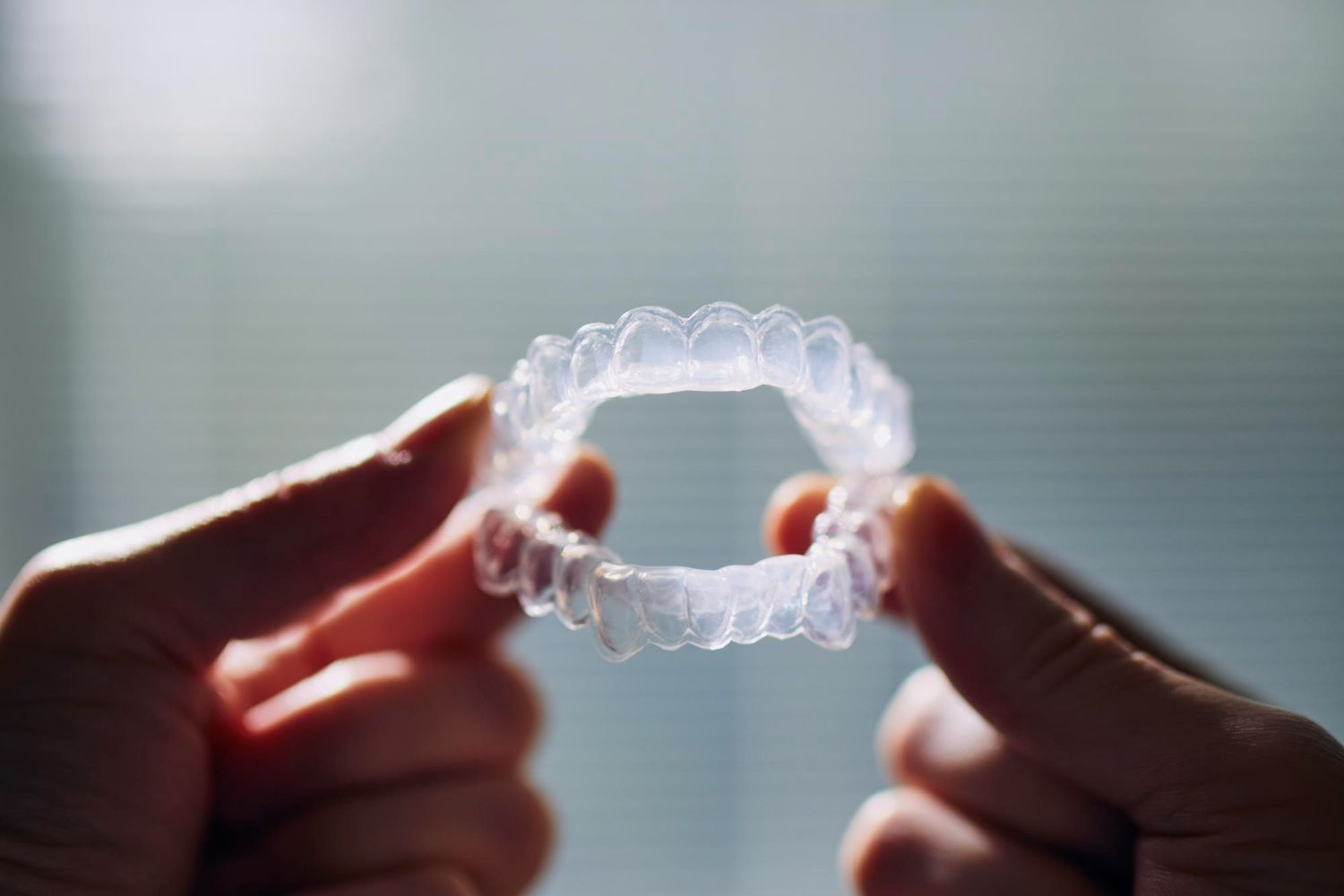
Keeping your sleep apnea dental appliance clean isn't just about hygiene. It’s about making sure it actually works the way it should, night after night. When sleep aid devices like oral appliances are taken care of, they stay comfortable and effective. That means fewer disruptions and more peaceful sleep.
At Great Sleep Dental in the Boston area, each oral appliance is custom-made from a 3D digital scan of your teeth and designed for nightly use, which makes regular, gentle cleaning especially important. We know how easy it is to forget small maintenance steps when life is busy. That’s why we’re sharing practical ways to clean and care for your device with less guesswork and more clarity. Stick with us, and we’ll walk through how to keep everything spotless, simple, and sleep-ready.
Why Cleanliness Matters for Your Oral Appliance
When an oral appliance isn’t cleaned regularly, bacteria and buildup can sneak in before you notice. These can create more than just an unpleasant smell. You could end up with gum irritation, dry mouth, or a coating that dulls the surface of your device. Residue also reduces the comfort of the fit and, over time, may affect how well it supports your airway.
This is why it’s worth staying on top of cleaning, even if it feels like a small chore. Regular care helps your sleep aid device stay dependable and safe to use. It’s easier to maintain good sleep when the device doing the work stays fresh and intact.
Daily Cleaning Routine Made Simple
Starting your day with a quick appliance rinse only takes a few seconds, but it’s the most important step. When you remove the appliance in the morning:
- Rinse it under cool or lukewarm water to wash away saliva and any debris
- Gently brush it with a soft toothbrush (not the one you use for your teeth)
- Use a mild, fragrance-free soap that's safe for oral appliances, nothing abrasive
- Avoid toothpaste as many contain rough ingredients that can scratch the surface
Once it’s clean, let the appliance air dry completely. Placing it on a clean towel in an open area works well. Don't close it up in a case while it’s still wet or damp. That’s how mold and odor can start to build.
Weekly Deep Cleaning Tips
Even with a daily rinse and brush, your appliance can collect stubborn residues over time. A once-a-week deep clean helps prevent anything from sticking around too long. This doesn’t need to be complicated or time-consuming.
Here’s how to keep it simple:
- Choose a cleaning product approved for oral devices (your dentist can suggest one)
- Soak the appliance following the label instructions, usually for about 15 to 20 minutes
- After soaking, give it another soft brush to remove any loosened deposits
- Rinse it well with fresh water and let it air dry fully
Try not to use hot water, bleach, or alcohol-based cleaners. These can change the shape of the device or wear down the material. Stick to gentle methods that keep the structure safe while getting rid of buildup.
How to Store and Handle Your Appliance Safely
Taking care of your appliance doesn’t end after cleaning. How you handle and store it each day matters just as much. Small habits add up and help protect it from damage or contamination.
To keep your oral appliance in good shape:
- Always store it in its protective case when not using it
- Keep the case clean with regular washing and drying
- Avoid leaving the appliance where it might be exposed to heat or sunlight
- Don’t place it near pets or where it might fall or get accidentally stepped on
Protecting the device when it’s not in use keeps it working properly longer. A solid, dry case is your best friend between uses.
Watch for Signs It May Be Time to Replace or Adjust
Even with good care, appliances don’t last forever. And sometimes, signs that something’s off can show up in your sleep before you spot the issue with the device.
If you notice any of these changes, take a closer look or talk to your dentist:
- The appliance feels loose, too tight, or rough in spots
- You see cracks, permanent stains, or buildup that cleaning won’t fix
- Your sleep starts to feel less restful or you’re waking more during the night
- You’re noticing new morning jaw tension or soreness
Never try to adjust the device on your own. A trained sleep dentist can check the fit and make the right tweak. Your comfort and sleep depend on how well your device fits and functions.
Sleep Better by Keeping Your Appliance in Top Shape
Clean sleep aid devices do their job better and last longer. That means fewer disruptions from poor fits or uncomfortable pressure points. Regular care doesn’t need to be complicated, just consistent and gentle.
When you rinse, clean, and store your appliance the right way, it rewards you with better, more dependable rest. It’s a small habit that can improve your nights and help your days feel clearer and more focused. Whether this is week one or year three of using your oral appliance, how you care for it makes a real difference.
At Great Sleep Dental, we believe good sleep starts with small, everyday habits, like caring for your oral appliance the right way. When you wonder how long your device will last or if it's still doing its job, we're here to help you figure that out. Many patients are surprised to learn how much their nightly routine can affect the strength and comfort of their sleep aid. For more on how sleep aid devices work and how to get lasting results, contact us today.