Why Women Are Often Misdiagnosed With Sleep Disorders
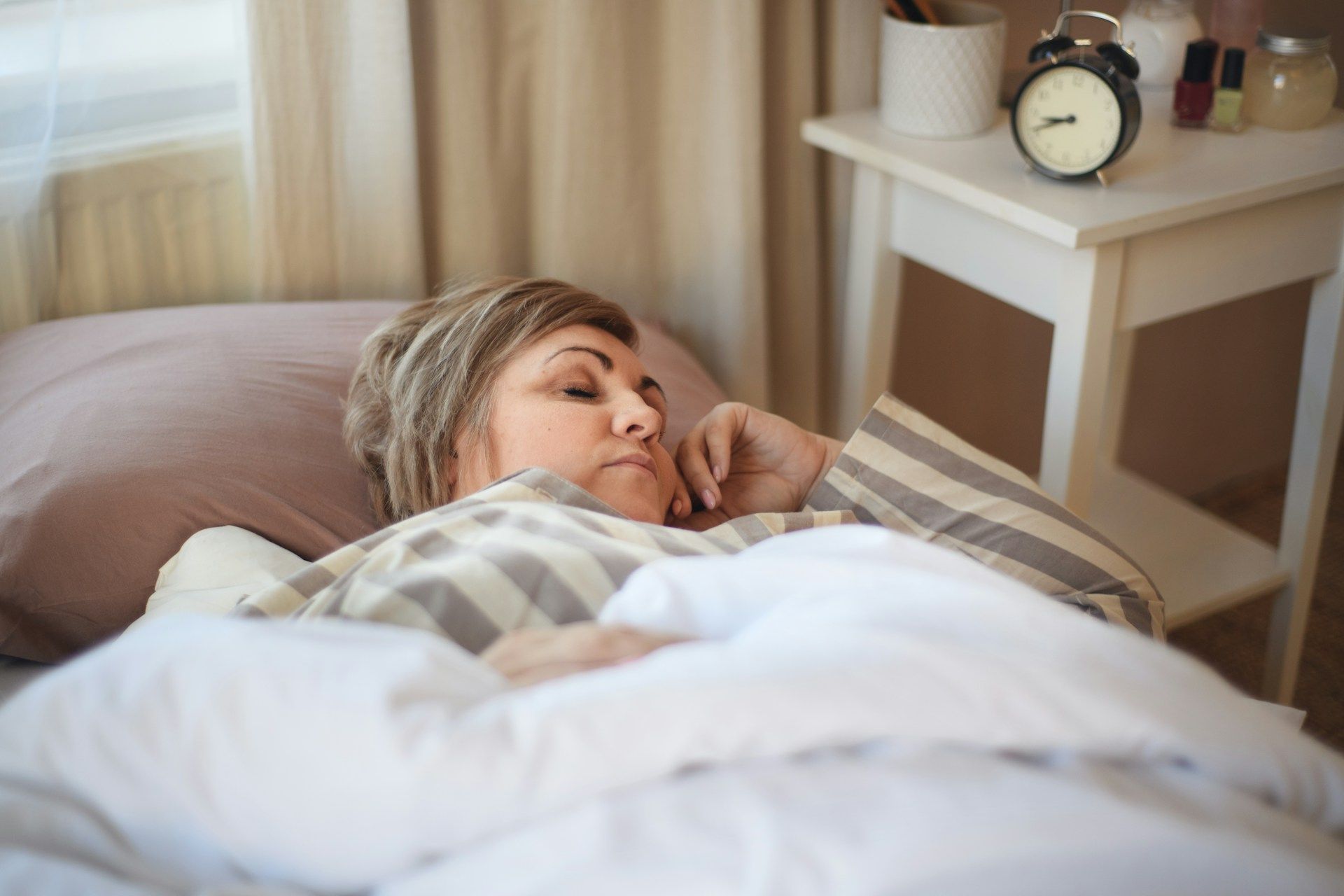
Sleep disorders show up in different ways, especially in women, and that’s one reason they’re often missed. Many women live for years with poor sleep, low energy, or mood changes, not realizing there might be a real medical issue behind it. Instead, they’re sometimes told it’s just stress, hormones, or part of getting older.
When sleep problems don’t get the right attention, people end up stuck in cycles of fatigue and frustration. For many, a sleep apnea screening is the turning point. It can help connect the dots between daily exhaustion and what’s really happening at night. Understanding how sleep issues show up in women is key to getting better rest. At Great Sleep Dental in the Boston area, we focus on sleep apnea and snoring care and often begin with simple home sleep testing to see how breathing and oxygen levels change at night.
The Hidden Side of Sleep Disorders in Women
Sleep disorders often look different in women compared to men. That’s a big reason why they’re commonly misdiagnosed. The signs can be subtle or get brushed off as something else.
What we hear from a lot of women is that their days feel foggy or their moods swing quicker than usual. They’re tired no matter how early they go to bed. But when those symptoms are brought up to a provider, they sometimes get linked to anxiety, depression, or hormonal fluctuations rather than sleep trouble.
Here’s where the misunderstanding happens:
- Fatigue is written off as being “just part of life”
- Trouble focusing is blamed on stress or work overload
- Mood swings are considered hormonal instead of sleep-related
Because of this, many women don’t even consider a sleep disorder could be at play. And when it doesn’t get named for what it is, the problem keeps building.
Why Common Signs Get Missed or Misread
One of the clues many people think should be present with sleep apnea is loud snoring. But in women, that classic symptom isn’t always there, or it might sound soft enough to go unnoticed. That’s why daily signs like brain fog and constant tiredness end up being more important to pay attention to.
When we ask about sleep patterns, women often bring up restless nights or waking up feeling just as tired as when they went to bed. These are strong signals something’s off, but they’re easy to explain away. During checkups, if no one’s asking the right questions, it’s just as easy for those signs to slip through the cracks.
A sleep apnea screening can help spot these quieter signs by tracking what happens while you’re sleeping, not just how you’re feeling during the day. That kind of insight can be worth more than a full week of rest.
The Role of Hormones, Age, and Life Stages
Women’s sleep patterns shift for so many reasons. Hormonal changes during the month, pregnancy, and menopause all affect how restful sleep actually feels. That makes it harder to tell what's part of a sleep disorder and what’s a normal shift.
When someone expects poor sleep because of pregnancy or hot flashes, they’re less likely to think something more is going on. The problem is, real sleep issues can go unnoticed underneath those changes.
Here’s where life stages can blur the signs:
- Pregnancy shifts breathing patterns, which can trigger sleep problems
- Menopause adds night sweats and mood swings that can mask deeper issues
- Monthly hormonal shifts affect how the body moves through sleep cycles
All of these can hide conditions like sleep apnea in plain sight. That’s why symptoms often get misread across different ages.
Women also naturally experience sleep changes at different points in life, so it’s common to pass off disrupted sleep as just “hormonal.” But certain patterns, like waking up frequently or feeling completely drained in the morning, might actually be signaling a deeper problem. For example, women who have never snored before might start to snore softly in menopause or during pregnancy, which can go unnoticed but still point to underlying breathing issues.
There are also social expectations that can make it hard for women to bring attention to their sleep. Many women feel they need to “power through” fatigue, especially when balancing work and caregiving, leading these signs to get ignored. This ongoing cycle can mean the root problem, like sleep apnea or another sleep disorder, goes undetected for years.
What to Expect From a Sleep Apnea Screening
A sleep apnea screening doesn’t have to be complicated or stressful. For many people, it’s as easy as sleeping with a monitor or filling out a detailed questionnaire with a provider. What matters is that it looks beyond just whether you feel sleepy during the day.
Instead, it focuses on what’s happening while you sleep, like whether your breathing changes or pauses more often than it should. That kind of detail helps uncover the cause of ongoing tiredness. And when something like sleep apnea is found, treatment becomes clearer, and more targeted help can follow.
Some benefits of getting a sleep apnea screening include:
- Identifying breathing interruptions that affect sleep quality
- Connecting physical symptoms to real nighttime patterns
- Opening the door to safer, simpler sleep support options
Putting off a screening just keeps the questions unanswered. But taking time to check in can bring relief, especially for someone who’s been feeling off for a long time.
If you’ve never considered a sleep study or think you’re just “too busy” for one, it might be worth looking at how sleep impacts all parts of your life. Even a simple at-home screen helps reveal patterns you can’t see while awake. This kind of objective information, paired with your symptoms, gives your provider the tools to look for solutions tailored to you.
Ask Questions, Get Answers
Bringing up sleep issues during a routine medical visit doesn’t always lead to answers. That’s why it can help to talk to someone who works specifically with sleep disorders and knows how they show up in women.
We hear from people all the time who’ve tried different ways to get their energy back, changing diets, drinking more water, cutting caffeine, and nothing works. When this keeps happening, it’s worth digging deeper. A proper screening can give information regular approaches can’t. For many women who are diagnosed with obstructive sleep apnea, custom oral appliance therapy at Great Sleep Dental offers a comfortable alternative to CPAP that fits more easily into nightly routines.
Once someone understands what their sleep looks like from the inside, it’s easier to make changes that work. Better sleep doesn’t just mean more energy. It often affects how clearly we think, how steady we feel, and how much we’re able to enjoy everyday life.
It’s not uncommon for women to have encountered dismissive responses about their sleep. You may have been told that everyone is tired, or that your mood swings are simply “normal.” In reality, a thorough sleep review can shine a light on health issues that have lingered beneath the surface. By being persistent with questions and exploring screenings, many women finally get answers and relief.
Getting the Rest You've Been Missing
Women often go years with undiagnosed or misdiagnosed sleep issues that silently chip away at daily life. They show up to work or care for loved ones while running on half-empty, convinced there’s nothing wrong other than being busy or getting older. But better sleep isn’t just nice to have. It changes how the entire body functions.
When the problem finally comes into focus, so does the way forward. A sleep apnea screening can help bring those answers to the surface. And once real rest returns, everything else starts to feel a little more possible again.
Feeling off for a while with no relief might signal that it's time to examine what happens at night. Many people don't realize how much undiagnosed sleep issues affect daily life until a proper evaluation provides answers. A simple sleep apnea screening can reveal what's really happening during your sleep and help connect the dots between tiredness, mood changes, and disrupted rest. At Great Sleep Dental, we guide women through the process in a clear and comfortable way, so reach out to us today to start the conversation.