Hidden Dental Clues That Point to Sleep Apnea Problems
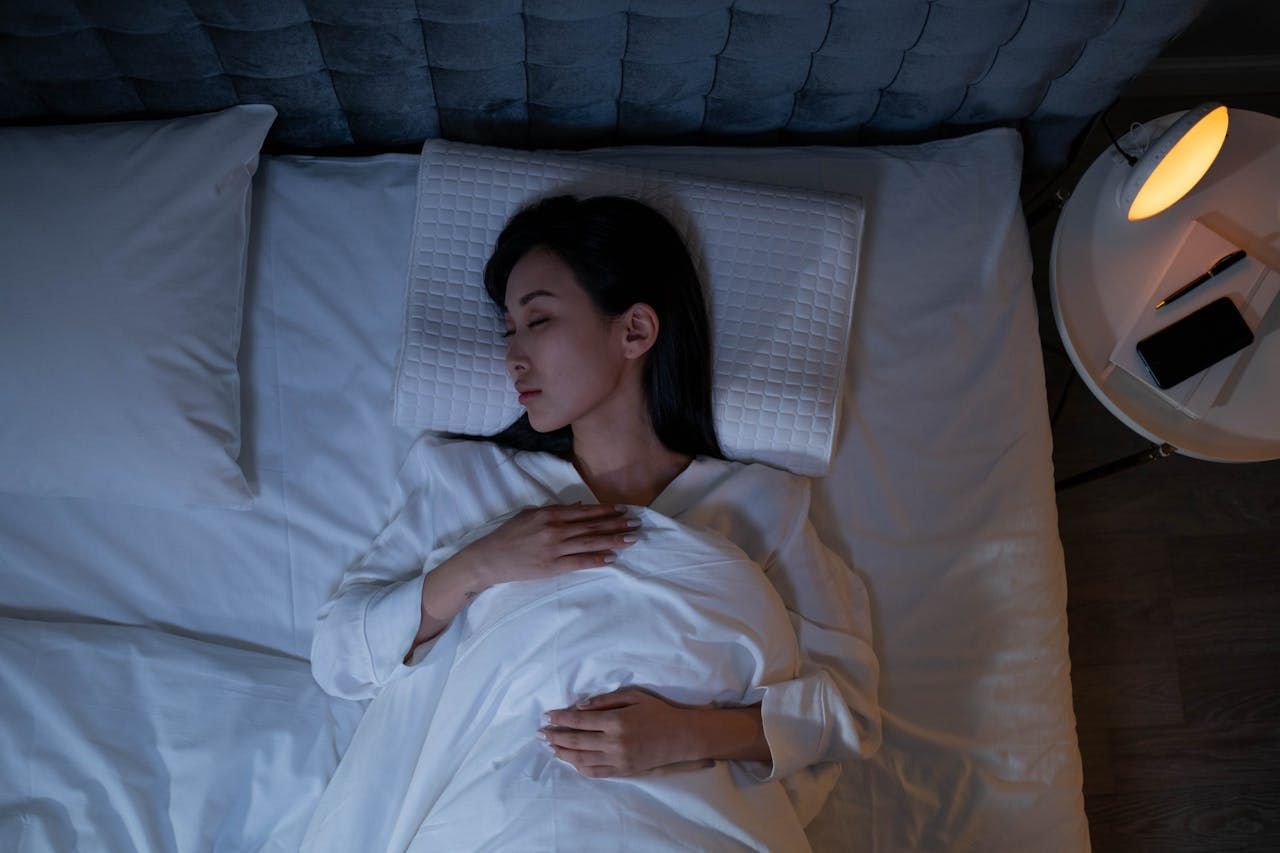
The Surprising Way Your Teeth Reveal Sleep Problems
Your mouth can say a lot about how you sleep, even when you are not aware of any issues. Many people think of the dentist as someone who only checks for cavities or gum disease, but your teeth and jaw can also hint at deeper sleep problems happening at night.
Obstructive sleep apnea is a condition where your airway partly or fully closes while you sleep. Your brain has to wake you up over and over so you can breathe again. This can lead to loud snoring, broken sleep, and daytime fatigue. It often goes undiagnosed, especially for busy people in high-stress areas like Greater Boston who may blame tiredness on work or family life.
When we look in your mouth, we often see hidden dental clues that do not match how you say you are sleeping. These signs can point to possible sleep apnea and poor airway function. For many people, a custom sleep apnea dental appliance can become a comfortable, travel-friendly alternative to CPAP that fits into everyday life more easily.
Nighttime Teeth Grinding and Jaw Pain as Red Flags
Teeth grinding, also called bruxism, is one of the biggest red flags we see during exams. When your airway is partly blocked, your body may clench and grind to tighten muscles and pull the jaw forward to open space to breathe. This can be even more common during allergy heavy nights when nasal breathing is harder.
Common clues we notice include:
- Flat or worn down biting edges
- Tiny fractures or chips that you cannot explain
- Indentations on the sides of the tongue or cheeks
- Thick jaw muscles along the cheeks
You might wake up with:
- Sore or tight jaw joints
- Tension headaches near the temples
- A feeling that your teeth do not quite fit together in the morning
Many people wear a nightguard to protect the teeth from grinding, which can be helpful for the enamel. But if you still wake up tired, foggy, or with headaches even while using a guard, that is a sign to look deeper. A sleep-focused dental evaluation can help check if the grinding is actually a response to disturbed breathing or undiagnosed sleep apnea.
Dry Mouth, Sore Throat, and a Struggling Airway
Another big clue is how dry your mouth feels when you wake up. If your nose is stuffy or your airway is struggling, your body may move to mouth breathing at night to pull in more air. This can leave your oral tissues dried out and irritated by morning.
You may notice:
- Chronic dry mouth that does not match how much water you drink
- Morning sore throat that improves later in the day
- Bad breath that keeps coming back
From our side, we may see:
- Sticky or stringy saliva
- Red or inflamed soft tissues in the mouth and throat area
- More cavities, especially near the gumline
- Gum disease that is hard to control even with good brushing
All of these can be linked to poor nighttime breathing. When the mouth stays open and the airway is working harder, it changes the environment your teeth and gums live in. Exploring whether a sleep apnea dental appliance is right for you can help support your airway, reduce mouth breathing, and protect both your oral health and your sleep quality.
Crowded Teeth, Small Jaws, and Airway Size
Some clues are built into your anatomy. The shape and size of your jaw, the way your teeth fit together, and the space your tongue has can all affect your airway, even if you feel generally healthy.
Things we look for include:
- Narrow upper or lower jaws
- Crowded or overlapping teeth
- A high-arched palate that looks like a narrow U shape
- Teeth that tilt inward, leaving less room for the tongue
People who never had braces, had teeth removed as kids, or have always been mouth breathers may have structural risk factors that make the airway smaller. When you lie on your back and relax during sleep, the tongue and soft tissues can fall into this limited space and partly block airflow.
As dental sleep medicine providers, we assess:
- Jaw position and how the upper and lower teeth meet
- Tongue posture and where it rests when you are relaxed
- How much room there is behind the tongue and soft palate
These details help us understand if your oral anatomy might be putting extra pressure on your airway at night and if a custom appliance could help support a more open position during sleep.
CPAP Frustration and the Power of Dental Appliances
CPAP can be very helpful for many people, but it is not always easy to live with. Masks can feel hot, tight, or noisy, especially on warmer nights. Travel, partners, and bedtime routines can all get more complicated when you add in hoses and machines. Some people stop using their CPAP even though they still need treatment.
A custom sleep apnea dental appliance is different. It looks a bit like a sports mouthguard, but it is carefully shaped for your teeth and jaw. While you sleep, it gently holds your lower jaw slightly forward. This small shift can help keep the airway from collapsing, reduce snoring, and support steadier breathing, all without a mask.
People who may benefit include:
- Loud snorers who are waking their partner
- Those with mild to moderate obstructive sleep apnea
- CPAP users who want a more comfortable or travel-friendly option
For many in the Boston area who are always on the move, an oral appliance can feel easier to stick with so they get consistent treatment instead of giving up on therapy.
Take the First Step Toward Restful, Healthy Sleep
If snoring, daytime fatigue, or disrupted sleep are affecting your life, we can help you find a comfortable solution. Our custom
sleep apnea dental appliance is designed to fit your mouth and support better breathing all night long. At Great Sleep Dental, we will walk you through every step, from evaluation to fitting and follow-up. Ready to talk with our team about your next steps?
Contact us today to schedule an appointment.