Understanding the Connection Between Snoring and TMJ Issues
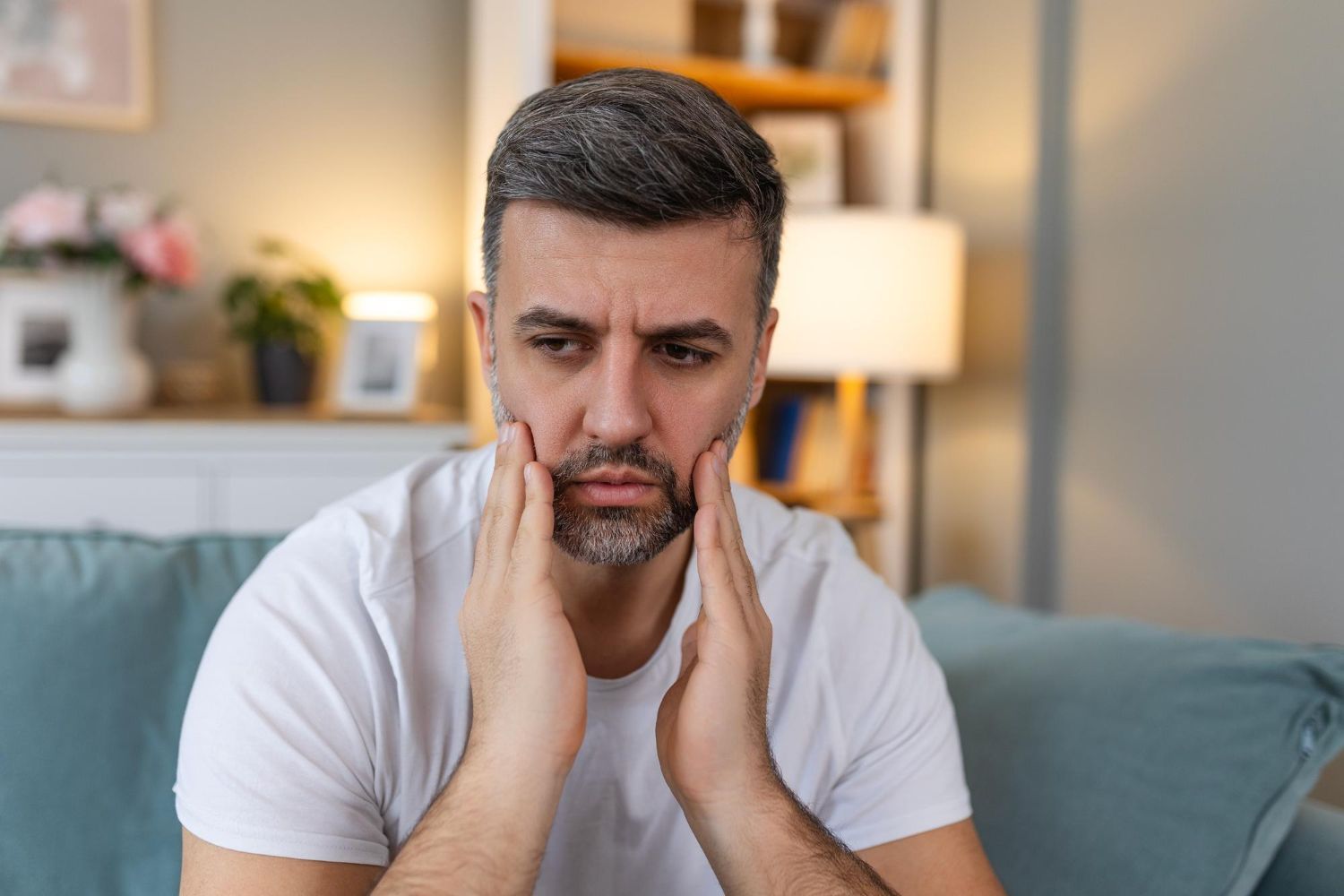
Snoring and jaw pain might seem like two unrelated problems, but they're often more connected than you'd think. Many people with ongoing snoring issues also struggle with stiffness or soreness in the jaw. This can point to underlying jaw joint problems, which might be affecting breathing during sleep. That’s where the connection between snoring and TMJ starts to make sense.
TMJ refers to the joint that helps your mouth open and close, but when it's not working right, it can throw off a lot more than just chewing. Some people look into snoring dental devices to help with noise or disrupted sleep, only to find out their jaw is playing a bigger part in the story. Seeing how the mouth, airway, and jaw all work together can help explain what’s happening and what steps actually make a difference.
What Is TMJ and How It Affects the Jaw
The temporomandibular joint, or TMJ, works like a hinge between your jaw and your head. You use this joint every time you talk, eat, or yawn. But when something goes out of balance, like tight muscles or joint misalignment, it can lead to problems.
Some common TMJ symptoms include:
- Popping or clicking sounds when opening your mouth
- Jaw soreness, especially in the morning or after a long day
- Tension in the face, neck, or temples
When the joint feels off, it often means the surrounding muscles are working too hard. That extra tension can affect how your mouth moves at night. For example, if your jaw sits too far back while you sleep, it might put pressure on the airway, making it harder to breathe smoothly. This is how some TMJ issues can link directly to snoring or restless nights.
Jaw health is closely tied to how well the muscles supporting the joint are functioning. If these muscles are overworked or strained, the discomfort can extend not just through your face but into your neck and upper back. Resting positions of the jaw influenced by pain or stiffness can even become habit over time, further disrupting the natural alignment needed for easy breathing. Being mindful of jaw tension during the day, as well as recognizing changes in how the jaw opens and closes, can provide useful insight into whether TMJ might play a role in sleep issues.
Why Snoring Happens: Airflow and Jaw Position
Snoring usually starts when something gets in the way of air moving through your throat during sleep. For many people, the soft tissues near the back of the mouth relax as they fall asleep, and this creates a narrow path for breathing. When air moves through that tight space, it causes the surrounding tissue to vibrate, which creates the snoring sound.
The jaw plays a bigger role than it often gets credit for. If the lower jaw falls too far backward, it can pull the tongue and soft palate back with it. That blocks the upper airway and makes it easier for snoring to begin or get worse. When TMJ pain or joint strain is part of the situation, your jaw might not rest in a healthy sleep position, raising the risk of blocked airflow.
People often don’t realize this connection until they start looking into treatment options that support both snoring and jaw health. Bringing a tired, tight jaw forward just a bit during sleep can be enough to keep the airway clearer.
Factors like sleeping on your back, using thick pillows, or having a naturally narrow airway can all interact with jaw position to worsen snoring. Even changes in daily posture, such as slouching or hunching over, can have an impact by shifting how the jaw and tongue rest when lying down. Over time, if the airway is repeatedly blocked, the body may respond with micro-awakenings, leaving you tired even after a full night in bed.
When Snoring Dental Devices Can Help
That’s where snoring dental devices come in. These small custom-fitted tools are worn in the mouth at night. They don’t use machines or pressure to stop snoring. Instead, they gently hold the lower jaw in a forward position. This small change can widen the airway and make it easier to breathe without noise or disruption.
Here’s how they support both snoring and jaw comfort:
- They help move the jaw slightly forward, keeping it from resting in a way that blocks airflow
- They can support proper jaw alignment and take pressure off strained areas
- They're built based on the shape of your bite, so the fit is personal and stable
Because everyone's mouth is a little different, these devices are usually shaped based on digital scans of your teeth and jaw. That helps make sure the jaw moves just far enough and stays comfortable during sleep.
Custom dental devices are made to account for individual differences in jaw shape, tooth spacing, and bite alignment. A proper fit reduces the risk of soreness or discomfort, and many people find they adapt quickly to wearing such a device. Maintenance is important, regular cleaning and follow-ups with your dentist keep the device working effectively and help identify any needed adjustments early.
Signs It Might Be More Than Just Snoring
Lots of people snore now and then, especially when they’re extra tired or sleeping on their back. But if you’re noticing other patterns too, like sore jaw muscles or tightness around the face, it could be worth looking deeper.
Some signs that TMJ might be part of the problem include:
- Jaw stiffness in the morning, or pain near your cheeks and temples
- Headaches that don’t seem to go away with rest
- Snoring that doesn’t improve, even after trying basic lifestyle changes
- Sore teeth or clenching the jaw during the day
When snoring and jaw pain show up together, it could mean your airway and your TMJ are both struggling to stay in balance. A dental sleep exam can help sort out what’s going on and point to next steps that make real improvements possible.
Paying close attention to early warning signs, such as jaw discomfort that gets worse in the morning, may help you seek help sooner. Not all people with TMJ issues will snore, and not all who snore have a TMJ problem, but when both appear together, a more comprehensive solution is often needed. In some cases, jaw pain may start off mild and become more noticeable over time. This makes it even more important to monitor symptoms carefully and discuss any changes with your dentist or healthcare provider. Observing how your jaw moves, tracks, or clicks can also be helpful information to provide during evaluations.
Simple Changes That Can Make a Difference
Snoring and jaw issues don't always need complicated machines or surgical fixes to improve. For many people, soft night-worn devices combined with better support for jaw alignment can work together to create more restful sleep.
Some helpful tools and changes include:
- Custom dental devices that guide the jaw into a better sleeping position
- Nighttime habits that avoid clenching or grinding
- Regular dental check-ins to track progress and adjust the fit as needed
When the mouth, jaw, and airway are working together, sleep often becomes less disruptive. Keeping up with check-ins gives your dentist a chance to spot small changes early, which makes it easier to stay on track without the discomfort growing worse.
We often find that when people finally breathe easier and sleep through the night, they realize just how heavy the tiredness had been. A small shift in how the jaw is supported can make a big difference over time.
Supportive nighttime routines can also benefit overall sleep quality. Avoiding caffeine and heavy meals late in the evening, creating a relaxing sleep environment, and practicing jaw relaxation techniques before bed can all help reduce tension in the jaw and promote easier breathing. Some people benefit from gentle jaw exercises or massage, which can reduce muscle tightness and make it easier to maintain a healthy jaw position. Over time, these small steps can lead to better mornings and less need for daytime naps.
A Clearer Path to Restful Sleep
Snoring and TMJ issues don’t have to be treated as separate problems. They often go hand in hand, quietly affecting how much rest you actually get. When the jaw isn’t lined up well, the airway can narrow, and that’s when snoring tends to start or get louder.
Looking at the big picture, how your bite, jaw, and airways all work together, can help make it easier to sleep through the night without noise, tightness, or pain. Solutions that support both airflow and jaw comfort often bring the best long-term results.
Snoring and jaw tension may be keeping you from a good night's sleep. We understand how your bite, breathing, and sleep are closely connected and believe small shifts can bring real relief. Our custom-fit options support better rest without making sleep more complicated. To see how snoring dental devices can help you breathe easier through the night, contact Great Sleep Dental today.