Who Should Use a Home Testing Device for Sleep Apnea?
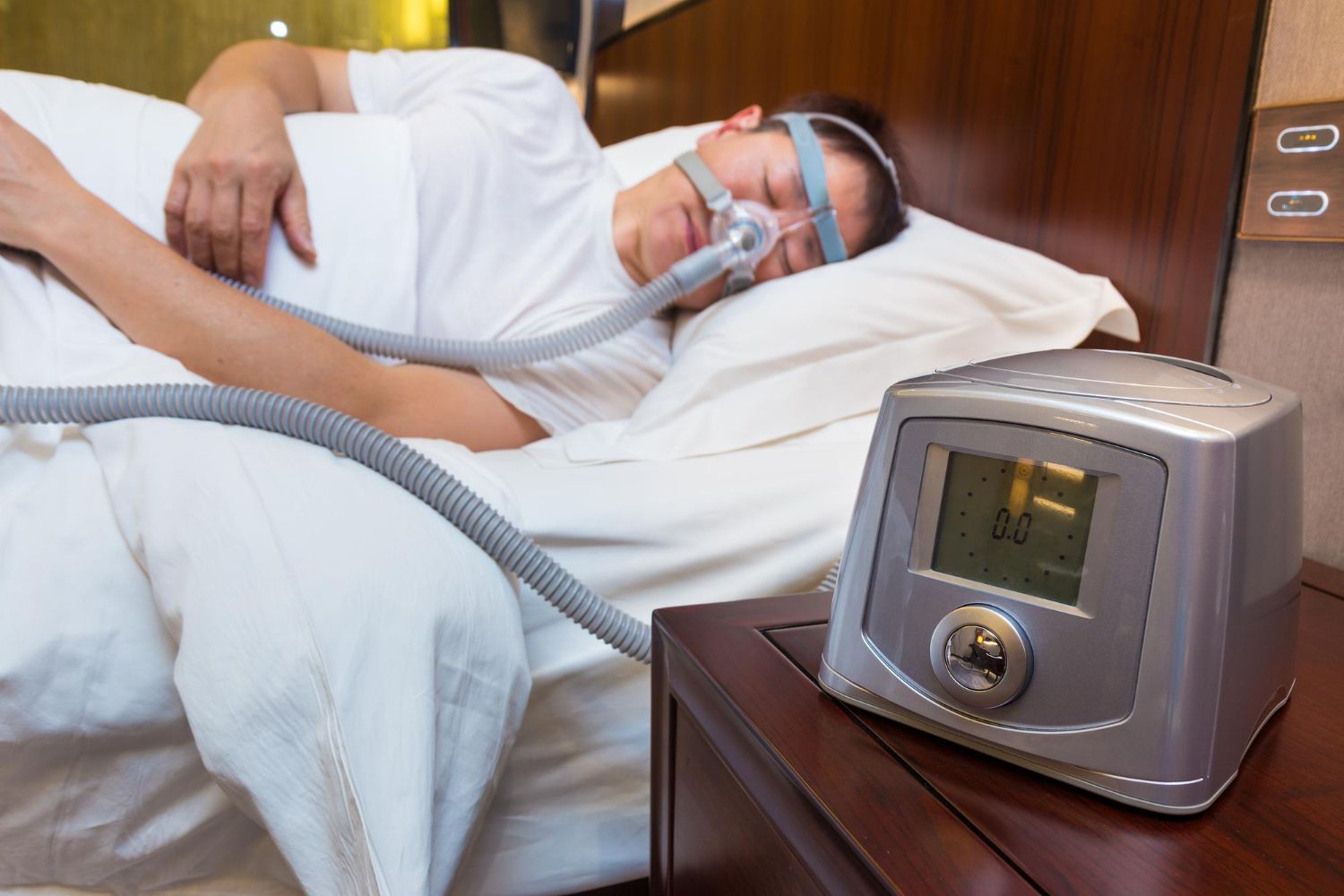
Waking up tired even after a full night of sleep is more common than most people admit. If you snore, toss and turn, or wake up gasping for breath, there’s a chance sleep apnea might be part of the picture. Not everyone wants to spend the night in a medical sleep lab hooked up to wires and machines. That’s where sleep apnea home testing devices come in. These are simple tools designed to collect helpful information at home, often giving people a clear starting point.
In this article, we’ll walk through who might benefit from this kind of testing and why it matters. At Great Sleep Dental in the Boston area, many of our patients begin with a convenient take-home sleep study that tracks breathing and oxygen levels in their own bed before we discuss treatment options.
Who Sleep Testing at Home Might Work For
Home tests do not work for everyone, but they can be a great first step for many people. They usually make the most sense for those with mild symptoms or those unsure about what’s going on with their sleep.
Home testing might be a good option for people who:
- Have light to moderate snoring that seems new or has gotten worse over time
- Feel tired most mornings even after a full night of rest
- Dislike or feel overwhelmed by medical settings and would prefer to test in their own homes
For those who have trouble sleeping in unfamiliar spaces, being able to keep their usual bedtime routine is a big plus. Testing from home allows the body to behave more naturally, which can lead to more reliable results. It’s also a helpful step for anyone who isn’t quite ready for a full overnight study but wants to start looking into possible causes for restless sleep.
When your sleep problems seem minor or unclear, you might not feel ready for testing in a medical setting. Home testing can bridge that gap by letting you start the process in a comfortable way. Sharing familiar surroundings can mean your sleep patterns are closer to normal, which often leads to better information for providers reviewing the data. This sort of small step forward can make a big difference if you’re straightforward about your symptoms, even when they seem minor.
What Home Sleep Testing Devices Actually Do
These devices may look simple, but they gather important clues about your breathing while you sleep. Most home testing kits come with a few wearable sensors that track airflow, oxygen levels, and chest movement. Some may include a finger clip or a belt worn around the chest or stomach. Others might use a small device placed under the nose.
Here’s the basic idea. As you sleep, the device watches how well you breathe and whether your body gets enough oxygen. If your airflow drops or your oxygen dips below a certain point, that’s a clear signal to look closer. These patterns can point toward sleep apnea and help decide what kind of support you might need next. At Great Sleep Dental, those results are reviewed by a sleep-focused provider and often help us decide whether options like custom oral appliance therapy are a good next step.
Compared to testing in a lab, home testing is often simpler but limited. In a lab, more sensors can track things like brain waves and leg movements. Still, for people who just need to know whether something is off, the comfort of being in their own bed can actually produce more accurate data. The body tends to sleep more normally at home, making the results more useful.
Home test kits are generally easy to use. Most have simple instructions and do not require special training, so you can set up the device before bed with little hassle. Because these tests track your breathing patterns and oxygen, they can quickly pick up on disruptions that might be difficult to notice or explain on your own. The goal isn't to replace laboratory testing, but to provide a practical way to find out if your sleep troubles might be linked to apnea or another common issue.
Signs It's Time to Talk About Sleep Testing
It’s easy to keep putting off sleep problems. Maybe you think you're just stressed or not sleeping well because of a busy week. But over time, certain symptoms start to stand out.
Look for signs like these:
- Loud snoring, especially if it’s paired with long pauses in breathing
- Waking up choking or gasping for air
- Daytime sleepiness that you can’t shake, even after going to bed early
- Trouble focusing or staying alert during the day
Some signs are less obvious but still matter. These can include waking up with headaches, feeling irritable for no reason, or finding it hard to stay awake during calm activities like reading or watching TV. It’s better not to guess. Tiredness might seem harmless, but if sleep apnea is behind it, ignoring it can take a toll on your overall health.
That’s where sleep apnea home testing devices can make a difference. They offer a starting point when something feels off but it’s not clear what’s going on. Instead of waiting months to figure it out, you get answers faster and in a way that’s easier to manage.
Paying attention to how often you feel tired, catch yourself nodding off, or forget details can be key clues. The brain and body need solid rest to work well. Even basic steps, like noticing how loud snoring has become or whether someone else has mentioned breathing pauses, can be enough reason to ask a provider about testing. It's worth listening to what your body is trying to tell you instead of brushing it aside.
When Home Testing Isn’t the Right Fit
Home testing makes sense in many cases, but there are times when lab testing is the safer choice. That’s especially true for people whose symptoms are more intense or complex. Some health conditions call for closer monitoring with advanced tools.
You may need to skip home testing if:
- You have serious heart or lung problems
- A previous home test didn’t lead to clear answers
- You're a child or need sleep data linked to brain activity
Lab studies can track more details at once, which makes them useful for people who need deeper testing. For example, if your breathing stops dozens of times a night or you're already on medication for other conditions, a home test might not be enough to show the full picture.
It’s always best to talk to someone trained in sleep care before choosing a test on your own. They’ll ask about your symptoms and medical history to help figure out what kind of test is most useful.
If you have questions about which type of test is a better match, letting a sleep provider sort through your health history and concerns is often the easiest way to decide. Different testing choices can be confusing, but getting clear about your symptoms and personal needs leads to better care. Everyone's situation is a little different, and the right approach balances convenience, comfort, and safety.
A Simple First Step Toward Better Sleep
When you’re constantly tired or snoring keeps getting worse, sleep testing might feel like a big deal. Not every situation calls for an overnight stay in a lab setting. For many people, home testing provides helpful insight without requiring major disruptions.
Sleep apnea home testing devices work best when things feel “off” but not urgent. They’re often a smart way to check for problems before symptoms become harder to manage. These tools are easy to use and can bring peace of mind for people unsure of what’s happening at night. Starting small doesn’t mean the problem is small, it just means you’re taking the first step in a low-pressure, comfortable way.
Sleep affects everything from mood to memory to how your body recharges. When something keeps getting in the way of that process, answers matter. Even if a home test isn’t the final solution, it might just be the opening move in helping you rest better and wake with more energy.
Getting tested for sleep apnea can feel like a big first step, but it doesn't have to be overwhelming. Taking time to explore your options and learn about what suits your needs can give you the confidence to move forward. Remember, early discovery can make managing any sleep disorder much simpler and much less stressful down the road.
Noticing that your sleep isn’t as restful as it should be can be concerning, and we are here to help you take that concern seriously. Many find that beginning with a simple tool at home feels easier than jumping straight into overnight monitoring. We often recommend looking into
sleep apnea home testing devices when symptoms are mild or unclear because these tests offer a helpful first look without extra stress. Ready to talk through whether this kind of testing makes sense for you? Contact Great Sleep Dental today.