How to Know If You’re a Candidate for Oral Appliance Therapy

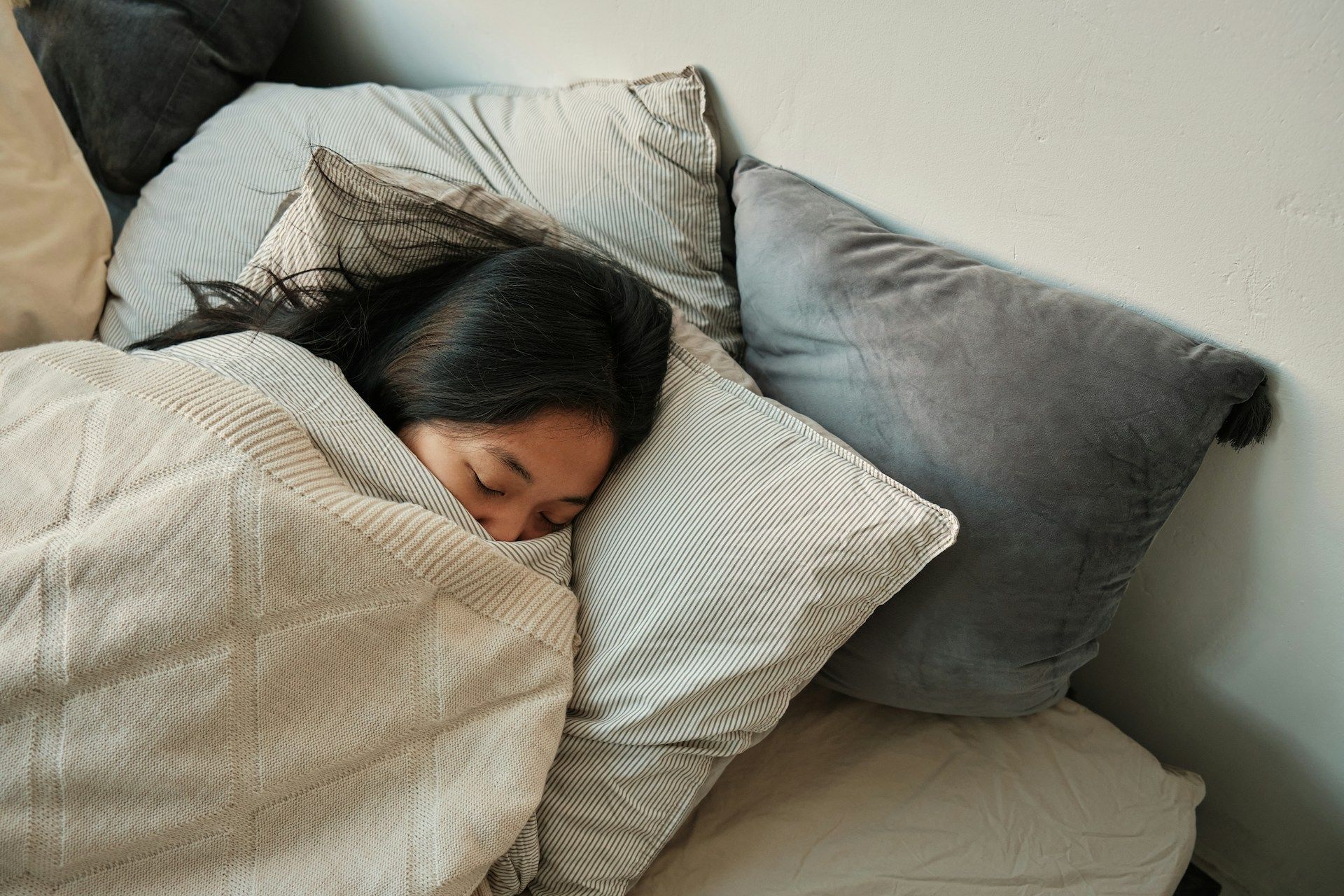
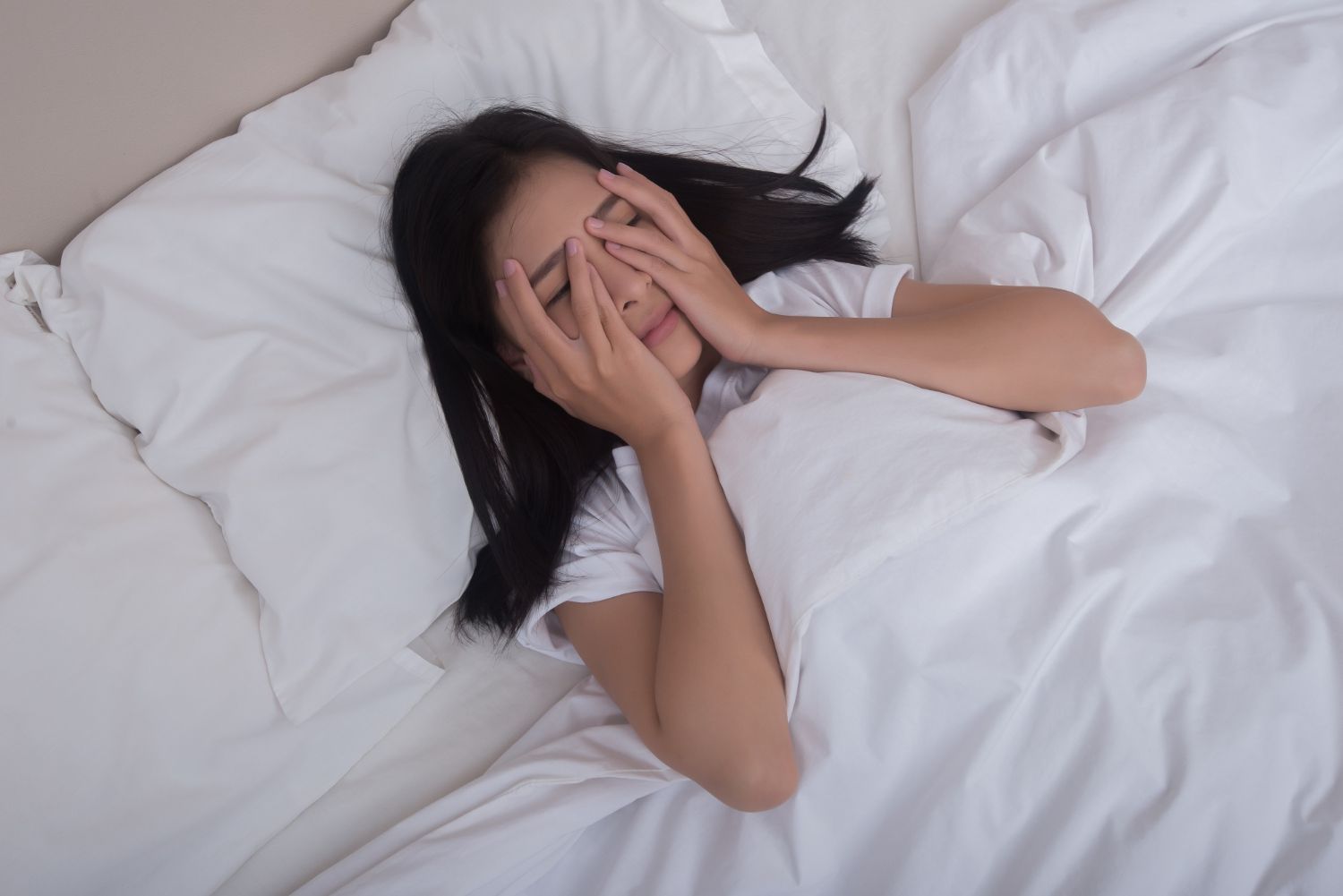
Waking up feeling tired all the time, even after a full night in bed, can be frustrating. You may start wondering if your sleep is really doing what it’s supposed to. For some people, the problem isn’t how much sleep they’re getting but how well they’re breathing during it.
Sleep apnea oral appliance therapy is a treatment option that can help keep airways open at night without using a CPAP machine. It works quietly and comfortably in the background, which can make a big difference for people who can’t get used to more traditional equipment. If all of this sounds a little unfamiliar, don’t worry. We’re going to walk through some key signs that point to whether this might be the right kind of support for you.
What Is Oral Appliance Therapy?
Oral appliance therapy is a sleep treatment that uses a small, custom-made device worn in the mouth at night. It’s a simple-looking tool that packs a helpful punch. It works by adjusting the position of the lower jaw or moving the tongue slightly forward to make more space in the airway. With better airflow, breathing becomes more stable and quiet.
This option is commonly used to help manage obstructive sleep apnea, especially in mild or moderate cases. That’s the type of sleep apnea where the muscles in your throat relax too much during sleep, blocking your airway and making it harder to breathe.
The device doesn’t use air pressure like a CPAP machine, so there’s no mask, no hum of machinery, and no tubes. Instead, the goal is to keep your airway from collapsing naturally using your own mouth’s position. And because it’s usually fitted by a dental professional, the device is made to match the size and shape of your mouth, increasing comfort and ease of use.
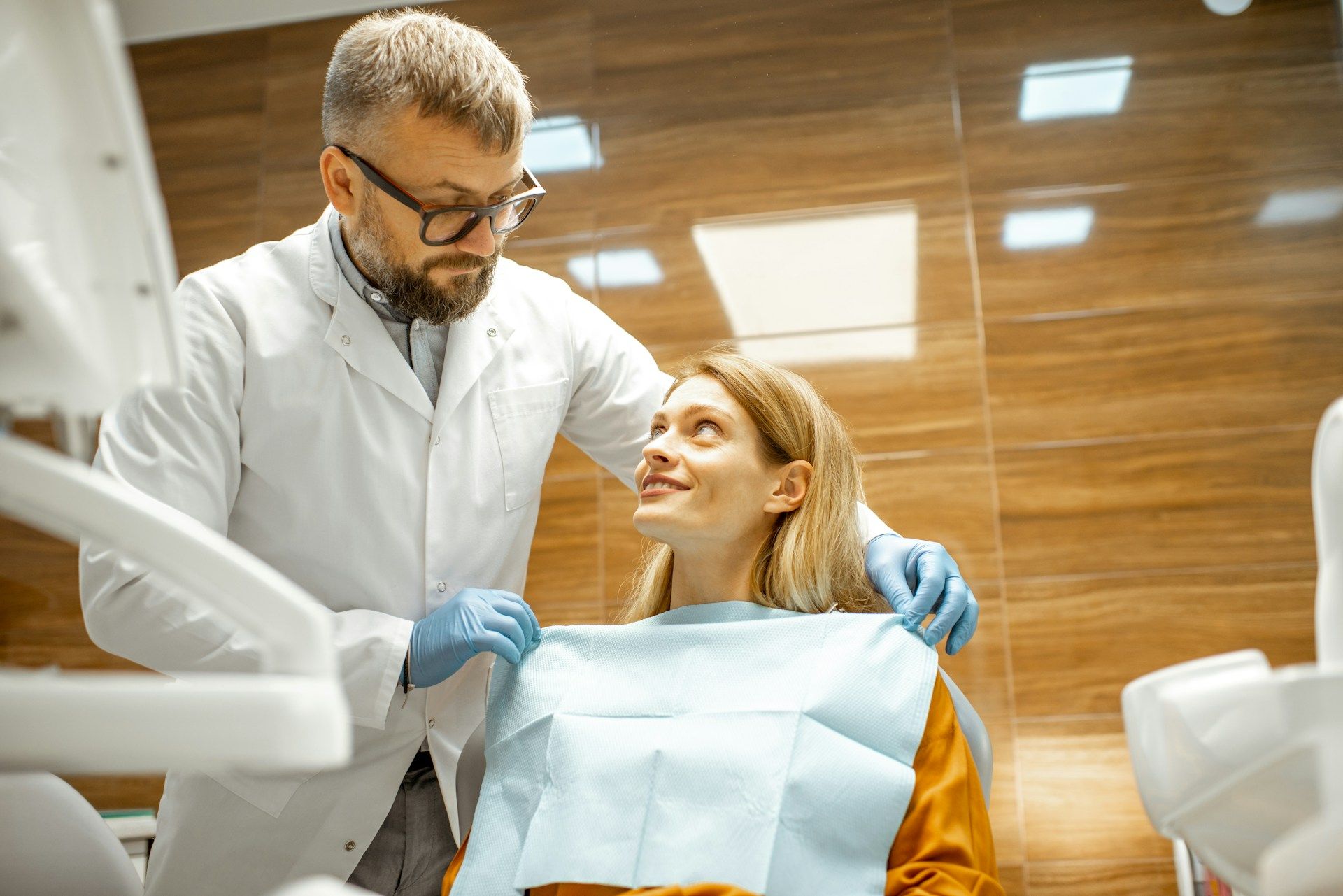
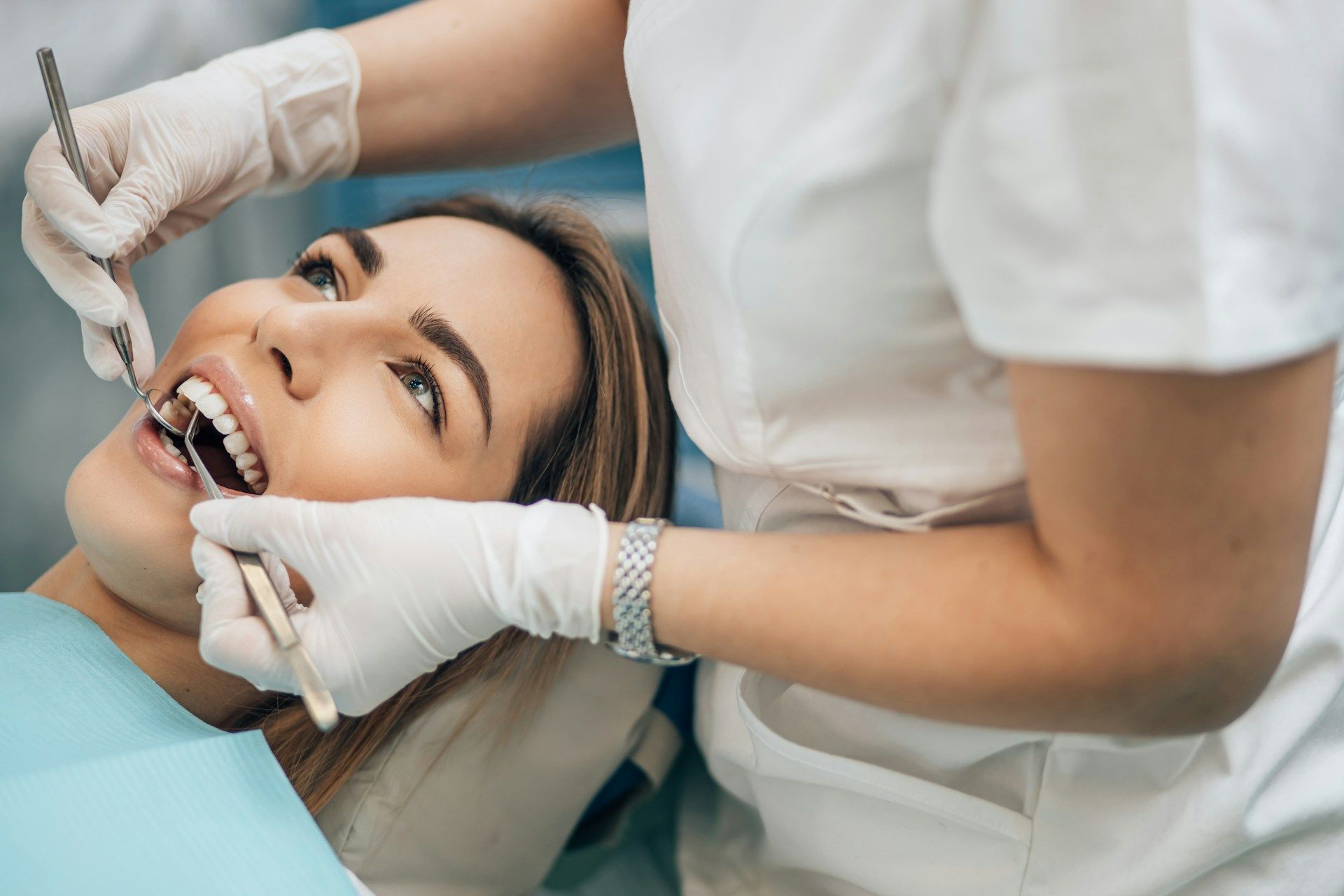
Receiving this kind of therapy begins with a thorough assessment from a dental professional who is trained in sleep medicine. The process will include a detailed evaluation of your jaw, teeth, airway, and sleep history. A custom impression of your mouth is often taken, which ensures the device fits well. Once fabricated and adjusted for comfort, the device is worn as you sleep. Regular follow-ups ensure that the appliance continues to fit appropriately and remains effective over time.
It’s important to note that oral appliance therapy is a medical service that should be supervised by professionals experienced in sleep health. They can help determine whether it’s the best fit for you and also monitor for any changes that might be needed as you adapt to the device.
Signs You May Have Sleep Apnea
Many people who have sleep apnea go through years without knowing. Since the disruptions happen during sleep, most of the signs are easy to miss unless someone else hears or sees them. Still, there are plenty of signals to watch for.
Here are common clues that might point to sleep apnea:
- Loud snoring most nights
- Waking up with a dry mouth or sore throat
- Feeling tired in the morning, even after a full night in bed
- Waking up gasping or choking
- Pauses in breathing that someone else notices
- Struggling to stay focused during the day
- Feeling extra sleepy during quiet activities, like reading or watching TV
These symptoms can feel disconnected at first. But taken together, they often point to problems with nighttime breathing that oral appliance therapy can help address. Getting clear about what you’re experiencing is the first step toward finding a sleep solution that actually brings rest.
Alongside these signs, some people notice changes in mood, such as feeling more irritable or anxious than usual. Sleep apnea can also influence your ability to handle stress and manage daily challenges, sometimes making everything seem a little harder. Occasionally, people experience headaches in the morning or notice that they wake up multiple times a night without understanding why. It’s easy to overlook these patterns, but recognizing the connections is one of the keys to finding relief from restless sleep.
Who Is a Good Candidate for Oral Appliance Therapy?
Not every sleep treatment works for every person. But for many adults who have mild to moderate sleep apnea, oral appliance therapy can be a good fit, especially when the standard CPAP option just isn’t comfortable.
Here’s who might be a strong match for this kind of therapy:
- People who’ve tried CPAP but can’t tolerate the mask or noise
- Patients who have been diagnosed with mild or moderate obstructive sleep apnea
- Individuals who are looking for something quieter and more travel-friendly
- Anyone who’s made lifestyle changes like losing weight or changing sleep positions but still struggles with symptoms
An oral appliance can also be useful for people who don’t want to commit to a bulky machine or those who find the look and feel of CPAP disruptive to sleep. If you’re someone who needs a treatment that feels easy to use, doesn’t get in the way, and still keeps your airway open, this might be an option worth asking about.
In some cases, people with mild jaw discomfort from clenching or grinding their teeth at night find that using a custom-fitted oral appliance can address both sleep-related and jaw issues. Be sure to mention all your symptoms to your dental sleep specialist to ensure the best possible fit and function. Whether your main concern is breathing, comfort, or better travel options, having your needs assessed allows for a more targeted and effective treatment plan.
What Makes a Sleep Appliance Effective?
The success of any oral appliance depends on the fit and how consistently it’s used. While pre-made mouthpieces exist, getting one that’s built just for your mouth helps it work better and feel more comfortable.
Here’s what helps the appliance do its job well:
- A custom fit that holds the jaw in the right place while being comfortable enough for regular use
- Collaboration with a professional who checks the positioning and adjusts the device when needed
- Daily use during sleep and regular follow-up to make sure the device continues to fit properly
When everything’s working as it should, the appliance holds the jaw slightly forward, helping prevent the soft tissue in the throat from blocking airflow. Over time, this can mean better sleep quality, more energy during the day, and fewer interruptions in breathing overnight.
Many people appreciate how simple it feels once they’ve adjusted to wearing it. With that consistency, the device becomes part of a larger plan for better health and rest.
It’s normal to have questions about how and when to clean the device, how often you should return for adjustments, or what to do if your symptoms change. Dental sleep professionals provide clear instructions and are ready to answer any concerns. By staying consistent and communicating with your care team, you maximize the effectiveness of your oral appliance therapy.
Further, regular monitoring helps make sure your device isn’t wearing down over time, and any necessary tweaks can be made before issues arise. If your dentist or sleep professional notices changes in your sleep patterns or symptoms, they may recommend new adjustments or an updated device. The goal is always to keep treatment comfortable, effective, and aligned with your lifestyle.
Better Sleep Starts With the Right Fit
If you've been wondering whether sleep apnea could be behind your restless nights or sluggish mornings, it’s worth digging into those signs. Loud snoring, waking up tired, or even your partner noticing breathing stops could all be pointing to something treatable.
Oral appliance therapy might be the missing piece, especially if other options haven’t worked or felt too disruptive. Getting matched with the right device means you can move toward better rest without all the extra equipment. It’s a decision that focuses on comfort, ease, and results you can feel each morning.
If your sleep still feels off, even with a regular routine, it may be time to look at how well you're breathing at night. Understanding if you’re a fit for this kind of therapy is a helpful step in taking back your energy and focus, one good night of sleep at a time.
Seeing signs of disrupted sleep may mean your sleep quality is at risk, and it might be time to consider
sleep apnea oral appliance therapy as a solution. This approach uses a small custom-fitted device to keep your airway open, offering a quieter, simpler alternative to bulky machines. We at Great Sleep Dental are here to help you find a fit that supports deeper rest and healthier mornings. Contact us today to take the first step.