Do Anti-Snore Mouthguards Work for Mild Sleep Apnea?
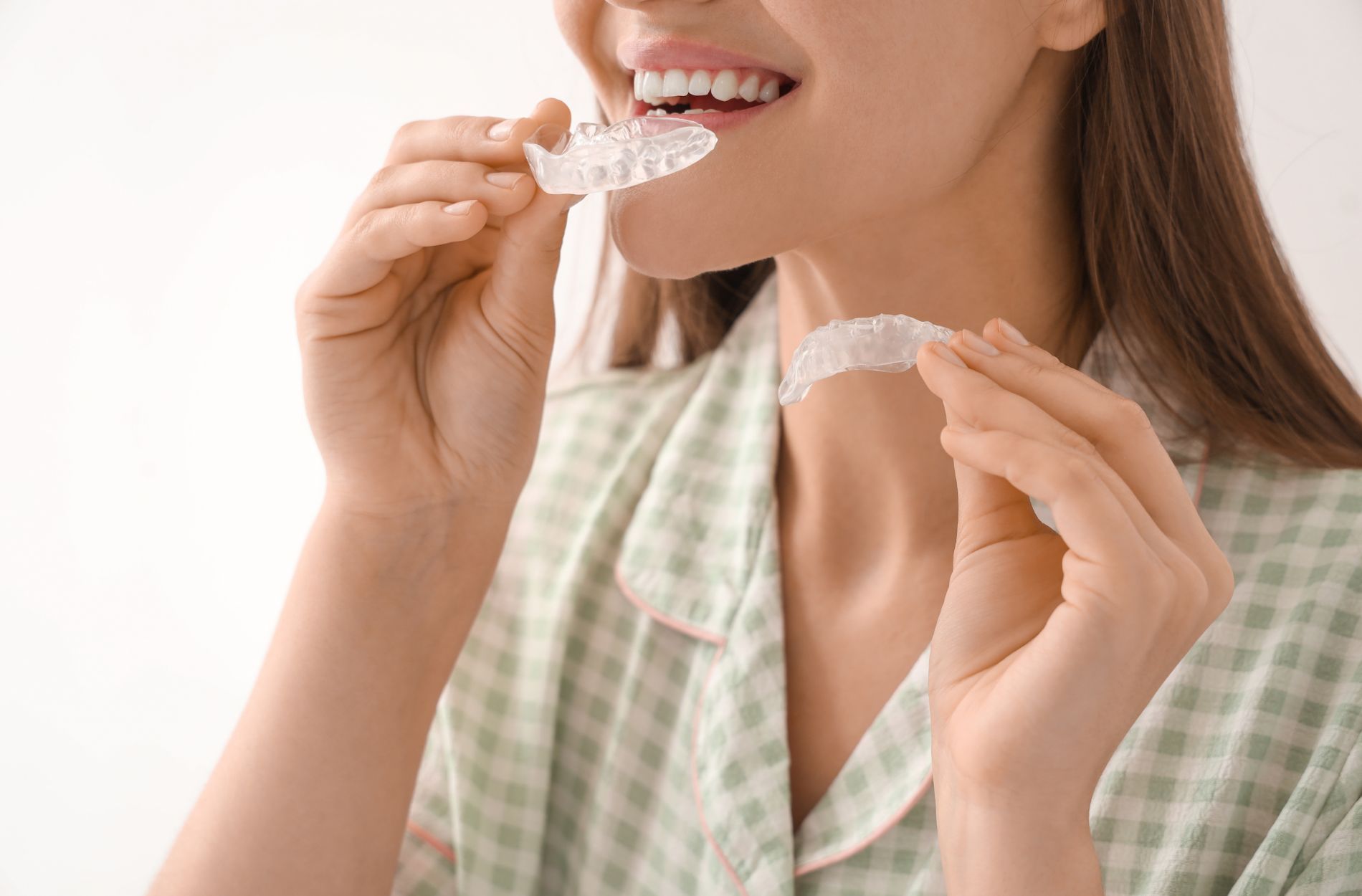
When sleep isn't restful, the search for simple fixes begins. For people with mild sleep apnea, it's common to look for solutions that don’t involve big changes or bulky equipment. One option that stands out is an anti-snore mouthguard. At first glance, it seems like an easy way to improve breathing at night. These devices are small, often look like sports mouthguards, and are made to keep the airway open.
But does that mean they really work for mild sleep apnea? That’s where things get a little more complicated. While some people may benefit from trying a mouthguard for sleep apnea, it’s not always the right answer. Understanding how these devices work and when they’re most likely to help is the first step toward better nights and clearer mornings.
What Is Mild Sleep Apnea and Why Does It Matter
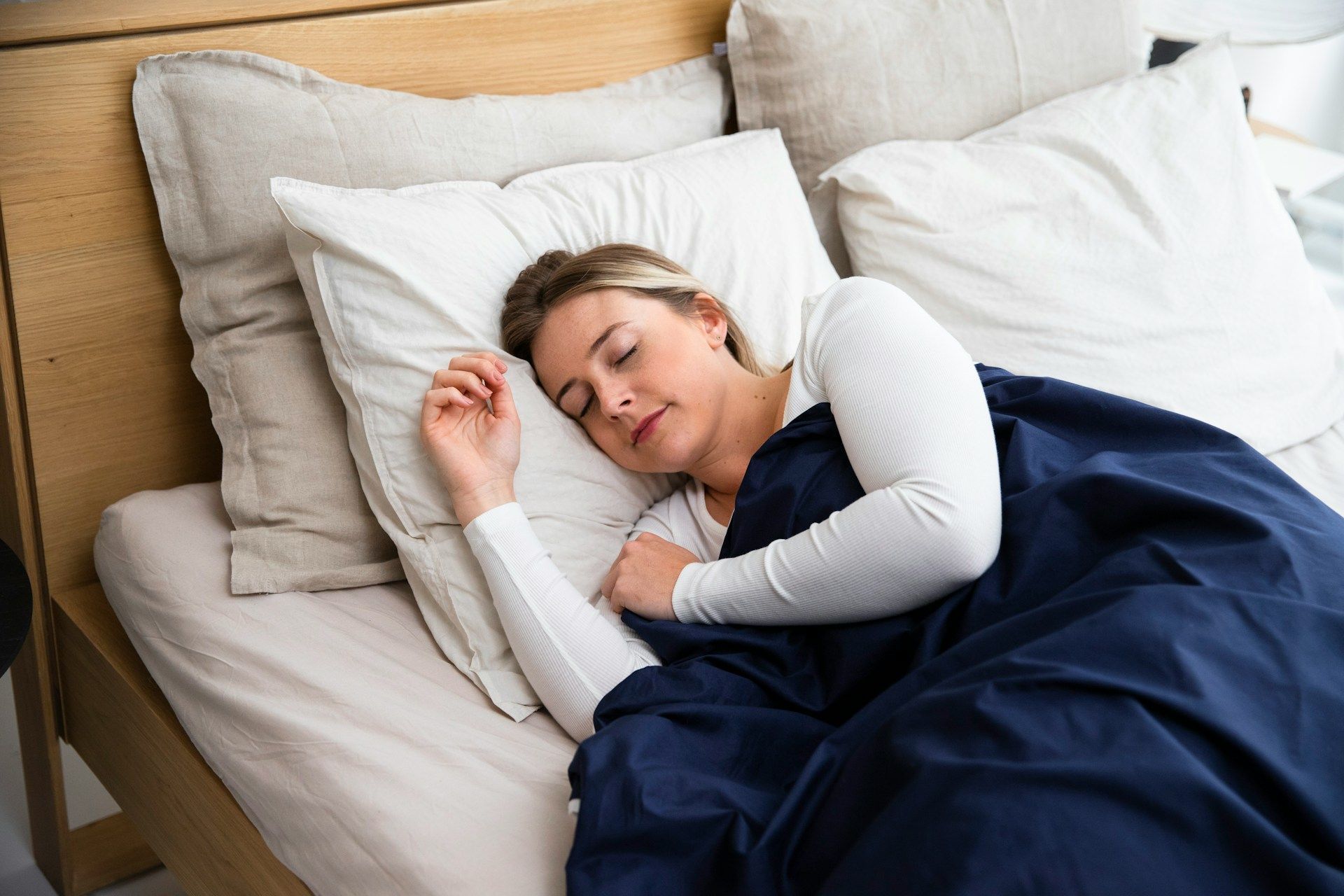
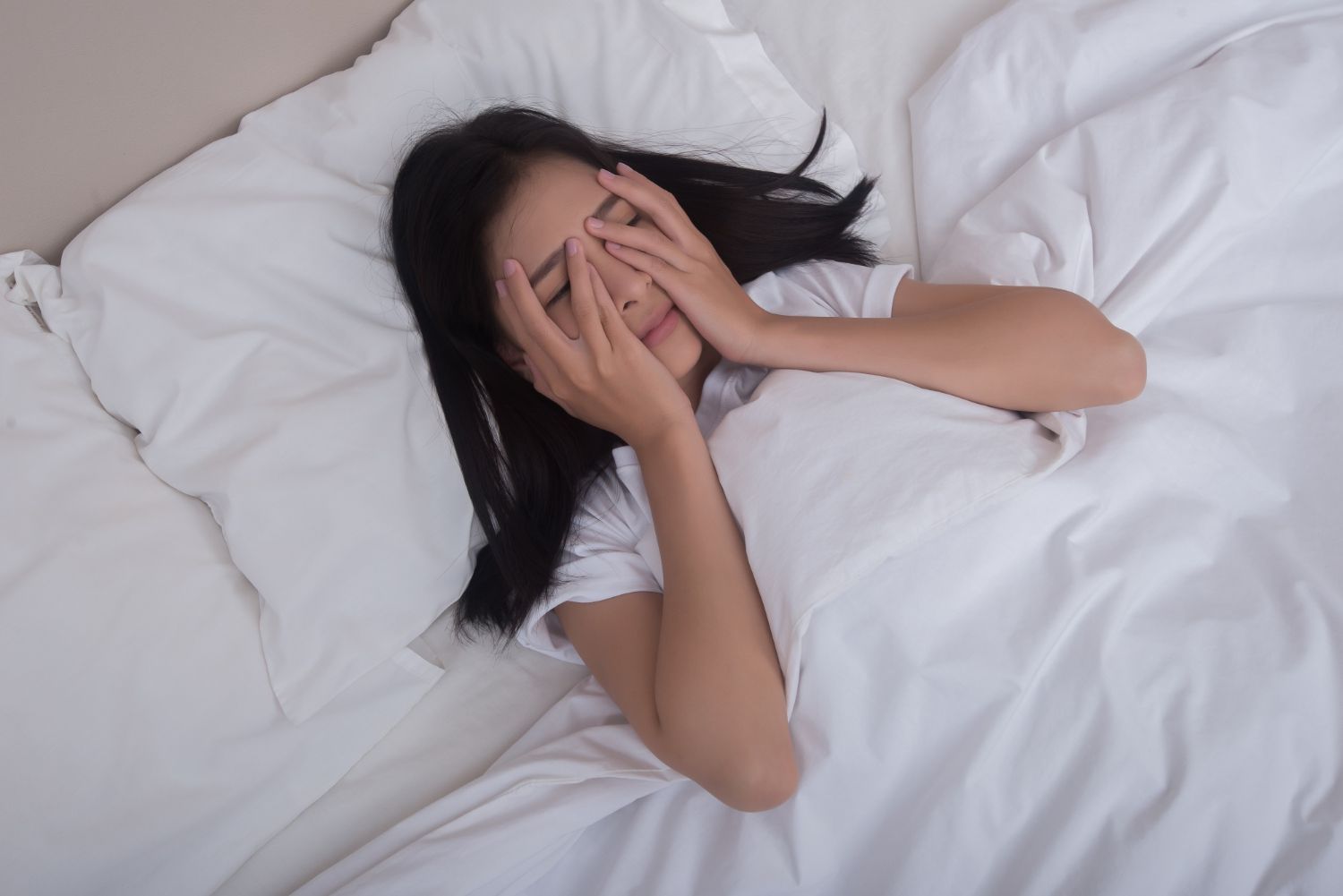
Mild sleep apnea doesn’t always feel like a big problem at first. The signs can show up quietly. Waking up groggy, snoring more often than usual, or feeling foggy during the day might not raise alarms. But over time, these issues can stretch into something more disruptive.
Even though it's called "mild," this stage of sleep apnea still means that breathing pauses at night. That can happen five to fifteen times per hour, depending on the case. It's not loud or dramatic in every situation, so it’s easy to brush off. But that steady interruption in breathing can leave the body feeling unrested, even after hours in bed.
Even small disturbances overnight can add up. When your body isn’t getting the oxygen it needs, energy levels drop, and it becomes harder to focus. These patterns, if overlooked, can continue for years before someone decides to take a closer look.
What Are Anti-Snore Mouthguards Supposed to Do
Anti-snore mouthguards, sometimes known as oral appliances, have one main job: help keep your airway from closing while you sleep. They mostly work by gently shifting the lower jaw forward. That movement creates more space in the throat, which may make breathing easier and steadier.
There are different kinds of mouthguards out there. Some are bought in stores or online and can be shaped at home to fit your teeth. Others are made by professionals using molds of your bite. These tend to fit better and may feel more comfortable to wear all night. At Great Sleep Dental, oral appliances are custom-fitted from a 3D scan of your mouth, are FDA-approved, and are often covered by health insurance when they are used to treat obstructive sleep apnea and snoring.
Even though they look simple, the results can be hit or miss. Some people feel better fast when they start using one. Others don’t notice a big change. The fit, the cause of the snoring, and what’s really happening during sleep all play a part in how well a mouthguard performs.
Can a Mouthguard Help With Mild Sleep Apnea
When breathing problems are on the mild side, a mouthguard for sleep apnea can sometimes help. If the airway only collapses slightly during the night, then keeping the jaw in a forward position might be enough to limit symptoms. It may cut down on snoring and reduce how often you wake up feeling winded or tired. Oral appliance therapy is commonly used for treating mild to moderate obstructive sleep apnea and can even help some people with more severe apnea when CPAP cannot be tolerated, since it gently holds the jaw forward in a nonpharmacological, nonsurgical way.
Still, it's important to know what a mouthguard can and can’t do. These devices don’t work the same for everyone. If the cause of the sleep trouble doesn’t have much to do with jaw position, then adjusting it won’t fix the full issue. Knowing whether your breathing gets interrupted because of posture, muscle tone, or another cause makes all the difference.
Some people try a simple mouthguard first but find only small improvements. That doesn’t mean the idea was wrong, just that the real problem might need more attention. A full sleep evaluation can help identify what’s actually going on behind restless nights.
Signs You Might Need Something More Than a Mouthguard
If a mouthguard seems like it should be helping but doesn’t bring real relief, it could be a sign that mild sleep apnea isn’t the full story. Something deeper might be going on that a basic jaw adjustment can’t reach. Here are a few clues that you might need a different kind of support:
- You still wake up tired, no matter how many hours you sleep
- Morning headaches or dry mouth keep showing up
- You feel like you stop breathing or gasp during the night
These signs could mean that breathing disruptions are more frequent or more severe than first thought. Figuring that out often takes more than just guessing.
A proper sleep study helps draw a clearer line between mild and more serious forms of apnea. More importantly, it can guide the best path forward. Some people will need a combination of changes to feel rested again, not just a device.
When to Ask a Professional for Support
Trying a mouthguard might feel like a low-risk way to see if sleep gets better. But if weeks go by without much change, it may be time to ask for help. There’s no reason to stay stuck in a tired cycle when something more effective could be available.
Any time sleep problems affect your day, action is worth taking. Talking with someone who understands how sleep and the body work together can lead to answers.
It doesn’t mean jumping into a complex process. Sometimes, just starting the conversation is the most important move.
Real Rest Starts With the Right Fit
Mouthguards can have a place in dealing with mild sleep apnea, but they’re not a one-size-fits-all fix. Each person sleeps a little differently. The shape of your airway, your jaw position, and even how your body relaxes all come into play.
Getting back to restful sleep often means figuring out what works for your body specifically. A good fit, not just of a device, but of the approach, can make all the difference.
Even if a mouthguard helps a little, learning whether it's the best next step can lead to better nights in the long run. Listening to your body and paying attention to patterns is how real change starts. Sleep can get better when the support matches what you actually need.
At Great Sleep Dental, we know how important it is to find a sleep solution that actually helps. If you're still waking up feeling tired or unsure if an oral device is the right path, it might be time to take a closer look. Many people with breathing issues during sleep start by trying a simple option like a
mouthguard for sleep apnea, and some discover that more targeted support brings better results. Getting answers starts with a better understanding of how your sleep patterns affect your health. Contact us to talk through what might work best for your situation.