How to Choose Between CPAP Therapy and Dental Devices
When someone is diagnosed with sleep apnea, the next step is usually figuring out how to treat it in a way that works for real life. Most people are told about two main options: CPAP therapy and oral dental devices. Both help manage sleep apnea, just with different methods and experiences.
CPAP has been around for a while and is often the first thing doctors recommend. But for people who find that setup hard to get used to, there are alternative approaches that still support healthy breathing during sleep. If you have been researching ways to improve your rest, understanding the differences in treatment for sleep apnea with CPAP and dental devices can help you make a choice that fits. What matters most is finding something you can actually stick with.
What CPAP Therapy Is and How It Works
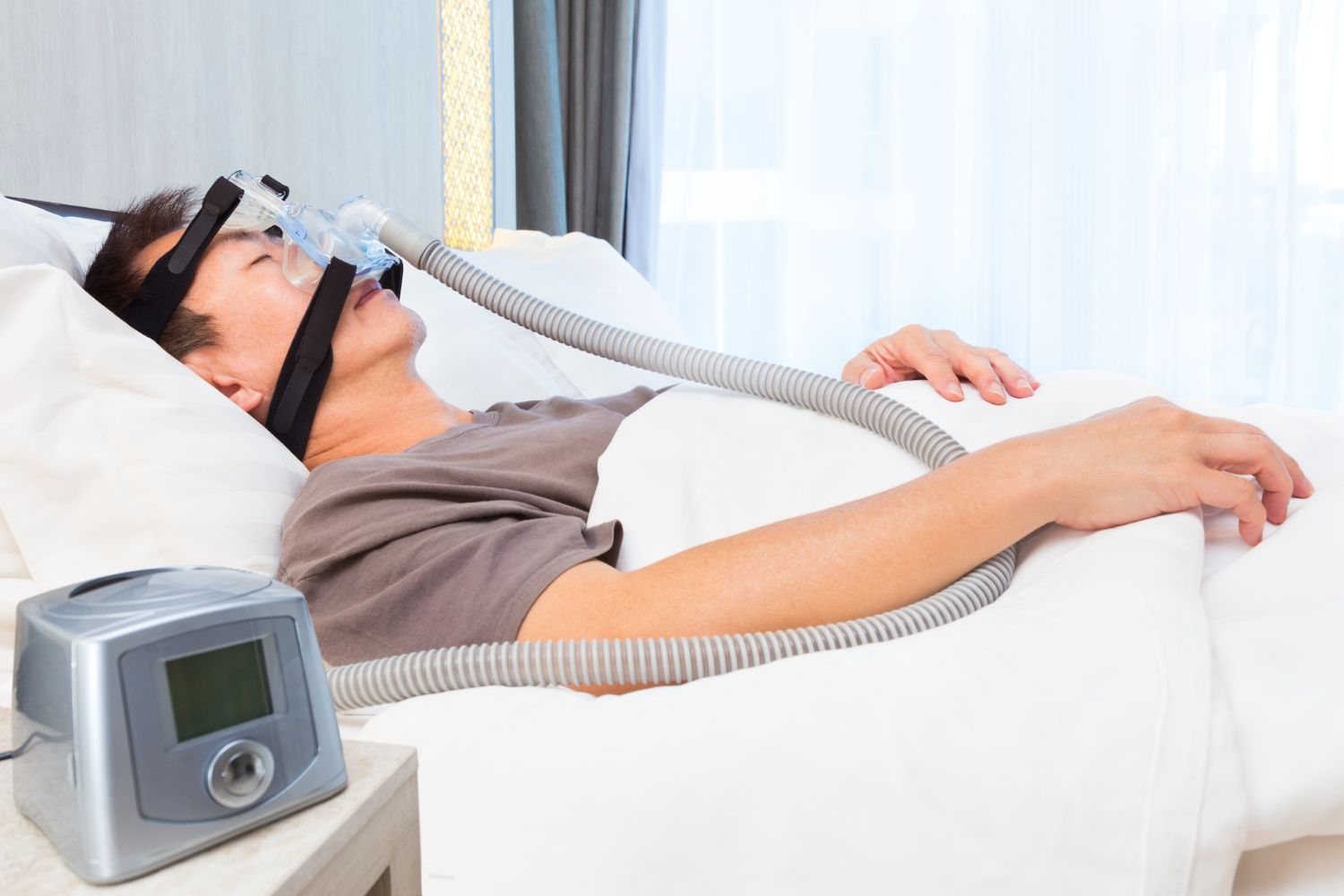
CPAP machines use air pressure to keep your airway open overnight. A steady stream of air moves through a mask that fits over your nose or mouth, keeping the throat from collapsing while you sleep.
This treatment is commonly used, especially when sleep apnea is moderate to severe. Many people try CPAP first because it is widely known and often suggested by doctors. It can be a good fit for some, especially if they do not move around much in their sleep and can get used to wearing the mask.
Still, a few things about CPAP can make it tricky to use every night:
• Adjusting to the sound and feel of the device
• Mask discomfort or trouble getting a proper seal
• Needing a power source and space for the equipment
Even small things, like skin irritation or feeling tethered by tubes, can lead some people to stop using it regularly. That is where it helps to know what the other option looks like.
What Dental Devices Do Differently
Oral appliances are sleep tools made to fit comfortably in your mouth, more like a retainer than a machine. They gently shift the position of your lower jaw or hold your tongue in place so your airway stays open when you lie down. Small changes like that can create just enough space for air to move more freely.
These dental devices work without electricity, masks, or hoses. They are easy to travel with and do not take up much space on a nightstand. Once fitted properly, many people say they are surprised at how simple they are to wear.
People who may prefer dental devices usually fall into a few categories:
• They have trouble sleeping with a CPAP mask or dislike the airflow sensation
• They want a less noticeable solution for mild to moderate sleep apnea
• They move around in bed a lot and need a treatment that stays in place comfortably
While this option is not right for everyone, it can be an effective approach for some, especially when comfort and consistency matter more than anything else.
How to Know Which Option Might Fit Your Needs
Choosing between these two types of treatment starts with how you sleep. If you toss and turn or wake often, either setup might feel different depending on your habits.
Here are a few ways to think it through:
• If you do not like things touching your face, a dental device might feel easier to use
• If you travel often or have limited space, smaller gear can help you stay consistent
• If you sleep deeply with fewer disruptions, CPAP might work fine for you
Cleaning routines, noise levels, and how quickly you fall asleep all play a role too. Some people feel confident wearing a mask if it means better breathing. Others will do better with something less obvious and more flexible.
The best way to decide is not by guessing. Instead, it helps when someone trained in both sleep and airway health can match your needs to the right tool. That guidance makes the process feel less overwhelming and much more personal.
When the Treatment for Sleep Apnea with CPAP Does Not Feel Right
CPAP is a powerful tool, and for many people it makes a noticeable difference right away. But that does not mean it is the best fit for everyone.
Some common reasons people walk away from CPAP include:
• Mask leaks or difficulty getting used to breathing with forced air
• Claustrophobic feelings or restlessness at night
• Discomfort from straps, pressure points, or skin contact
When that happens, oral devices can still offer support but in a different way. They might not push air into your lungs, but they can keep the airway steady enough to help your body rest and recover through the night.
Switching from one method to another is not something to worry about. It is usually the result of careful monitoring and follow-up support from a sleep professional who understands what is working and what is not. Comfort matters, and it is worth talking through options that make sleep feel more natural.
Working with a Trusted Sleep Provider
No matter which direction you lean, we always recommend having someone by your side who understands both dental structure and how sleep works. A good provider will take time to fully look at how your airway moves and how your jaw, tongue, and breathing habits connect.
Sleep studies or take-home sleep tests can often help guide the choice between CPAP and a dental solution. These tools record what is really happening during the night, which gives clear answers, no guesswork required.
This kind of support matters because the goal is not just wearing a device. It is about actually feeling rested when you wake up. Treatment works best when it is chosen based on who you are and how you sleep, not on a one-size-fits-all belief.
Finding Your Best Fit for Better Rest
Getting the sleep you need should not feel like an uphill battle. If one option makes you feel more stable or easier to fall asleep, that may be the right path to explore.
Choosing between a machine and a dental device comes down to finding what fits both your body and your life. There is no perfect approach, just what helps you breathe easier and wake up feeling more like yourself. When that is your focus, the rest starts to come together naturally.
At Great Sleep Dental, we know how important it is to find a solution that feels natural and works with the way you sleep. We understand that weighing your options means learning about each type of support before making a long-term decision. Whether you're using a machine or an oral device, the best results come from a setup that fits seamlessly into your nightly routine. If you're curious about how to begin or what questions to ask first, we welcome you to learn more about your options for
treatment for sleep apnea with CPAP and reach out to us to discuss the best approach for you.