How to Sleep Better When You Can’t Tolerate a CPAP Machine
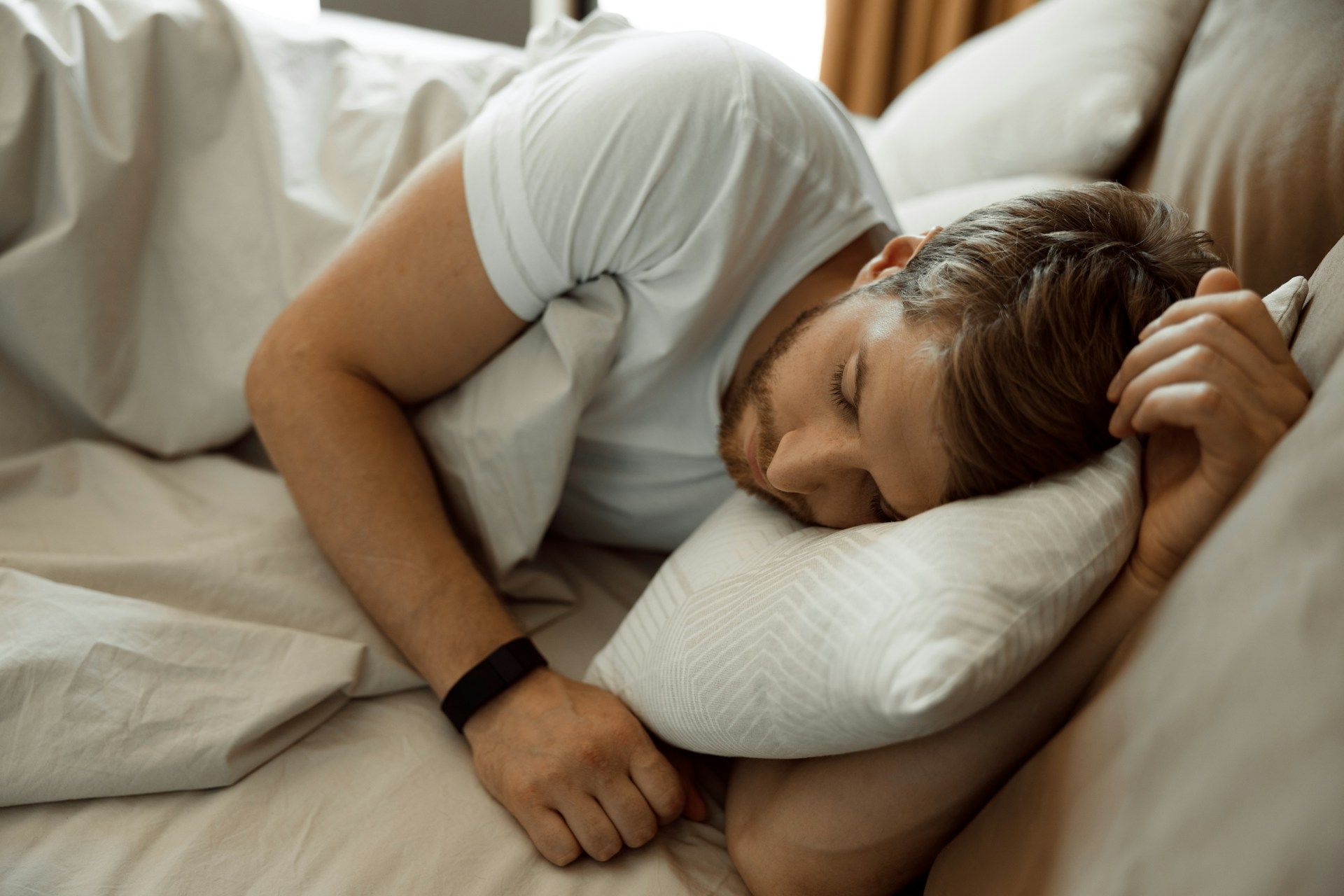
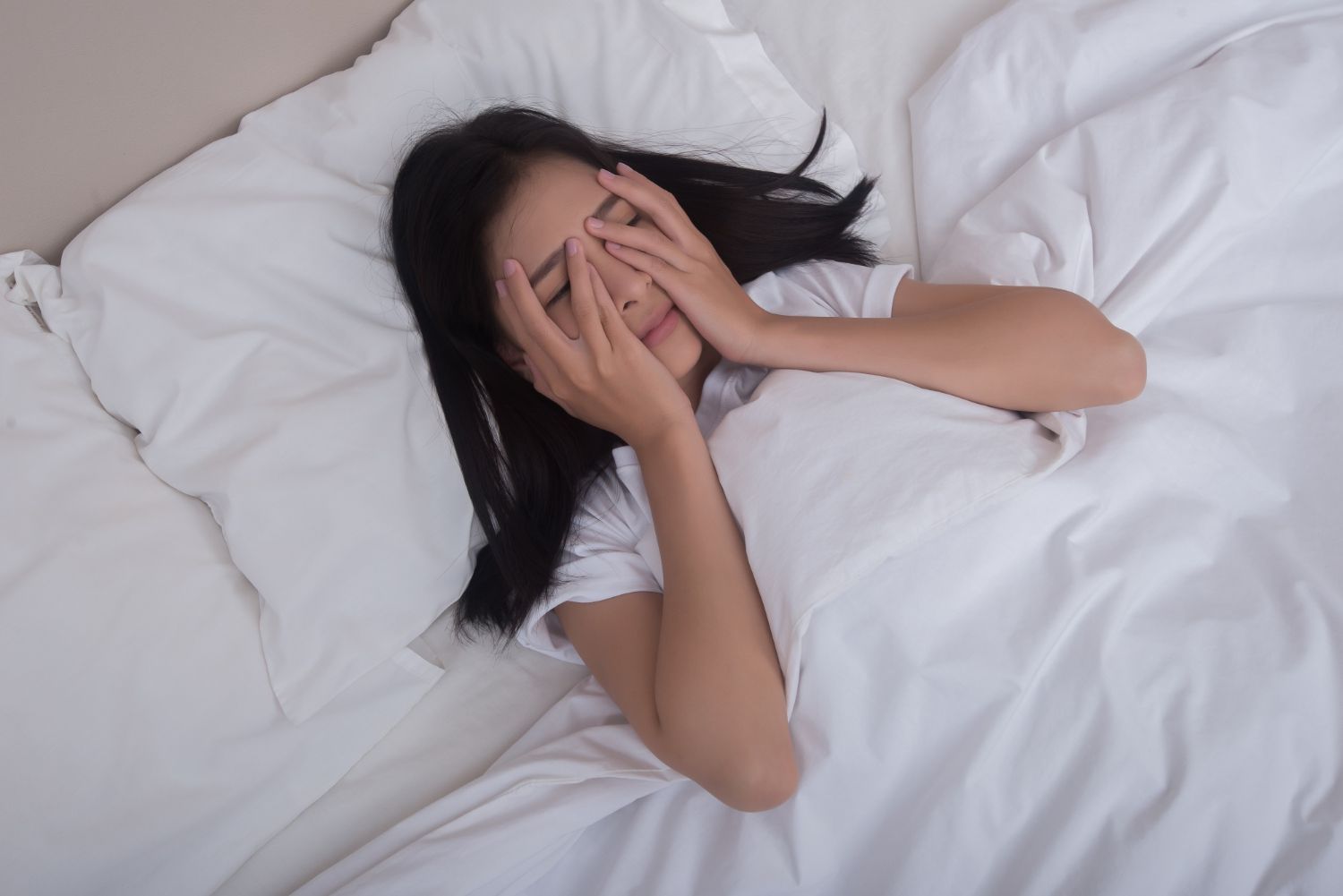
A CPAP machine is one of the most common ways to treat sleep apnea, but that does not mean it works for everyone. Many people feel frustrated, uncomfortable, or even anxious when trying to make CPAP part of their nightly routine. If this sounds like you, you are not alone.
Sleep should not feel like a struggle. If using a CPAP keeps you up or leaves you waking up just as tired as you were before, it may be time to look at different options. The good news is, there are easier ways to manage sleep apnea and feel more rested in the morning. Some people find CPAP alternatives for apnea that feel more comfortable and better fit their lifestyle. At Great Sleep Dental near Boston, Massachusetts, we regularly help people explore these alternatives so they can manage sleep apnea in a way that fits their everyday life.
What Makes CPAP Hard to Use
CPAP machines are built to keep airways open, but many people find them hard to live with. Between the mask, the tube, and the steady airflow, it can feel like too much to deal with, especially at bedtime. These are some of the issues people often mention:
• The mask does not feel right on the face or slips off during sleep
• The machine makes noise that can make it hard to fall or stay asleep
• Keeping the equipment clean and working properly takes extra time
• Feeling claustrophobic or anxious while wearing the mask
For some, these problems show up right away. For others, they become tiresome over time. It is not just about physical comfort either. Struggling to get used to CPAP can leave you feeling like you are failing or stuck with no real solution in sight.
What matters most is recognizing that if something is not working for you, it is okay to say so. You are not doing anything wrong. You are just living with a condition that may need a different kind of support.
Signs Your Sleep Still Needs Support
If you have stopped using your CPAP or never got along with it in the first place, that does not mean your sleep apnea has gone away. It is possible you still have signs that your sleep is not as restful or healthy as it should be. These signs are easy to miss or brush off, especially if you have gotten used to feeling tired.
Take a closer look at how your body feels in the morning and during the day. Do you notice any of these?
• Waking up groggy, no matter how early you went to bed
• Snoring that bothers you or your partner
• Headaches, dry mouth, or sore throat when you wake up
• Feeling foggy or tired even after what felt like a full night of sleep
• Trouble staying focused, staying awake, or getting through the day
These could be signals that your sleep apnea is still affecting you. And if that is the case, ignoring the signs can lead to more strain, especially on your heart, mood, and energy over time. Better sleep does not just feel nice. It plays a real role in the way your body functions.
Exploring Comfortable Alternatives
Not everyone clicks with CPAP, and that is perfectly fine. There is no one-size-fits-all solution when it comes to managing sleep apnea. Some people do much better with simpler, quieter options that work more gently with the body. That is where CPAP alternatives for apnea can come in.
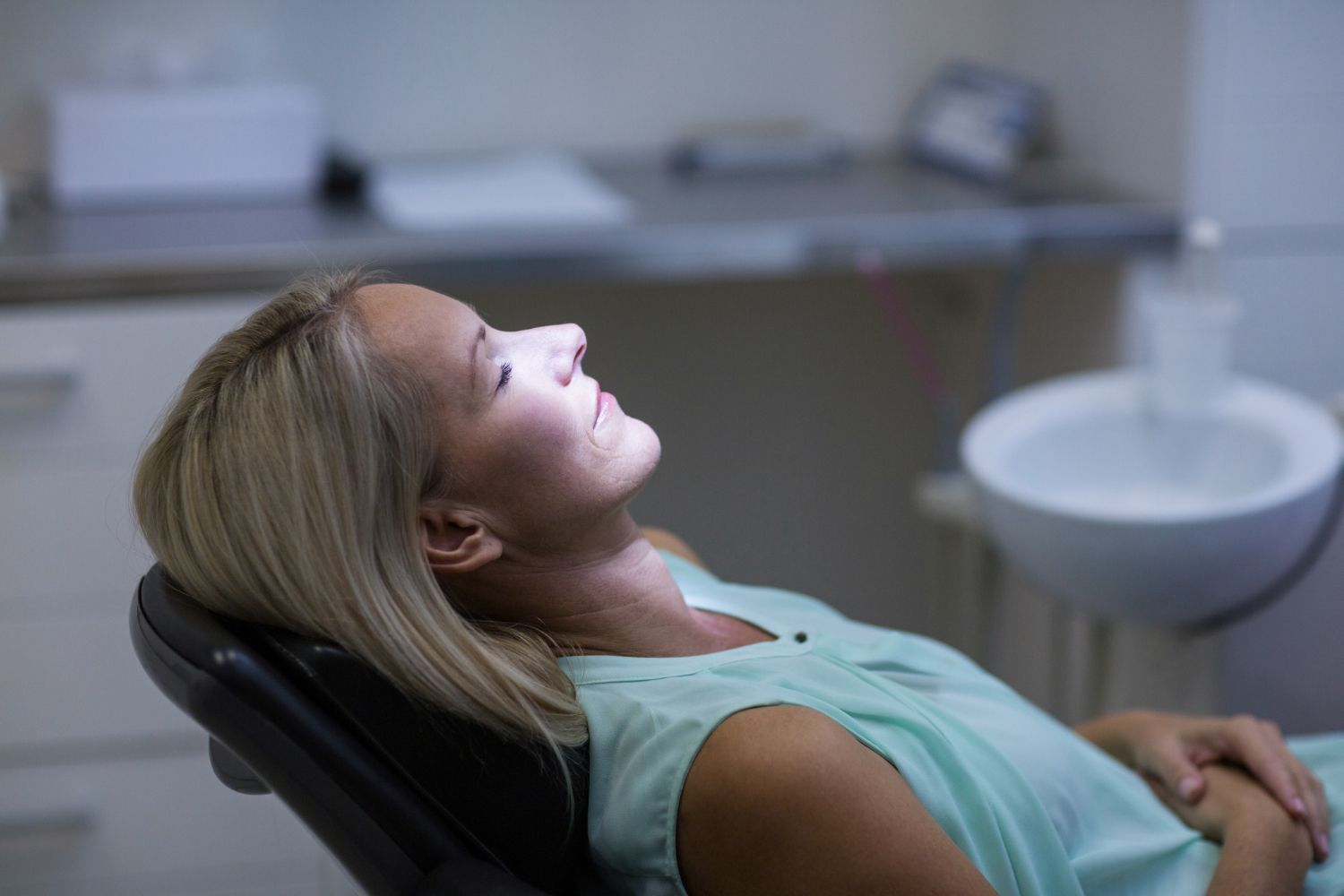
One popular option is an oral appliance. Unlike CPAP, it is a small device that fits in your mouth like a sports mouthguard. It keeps your airway open by adjusting the position of your jaw or tongue during sleep. For many, it is a more natural-feeling way to address breathing problems without the hassle of machines, noise, or face masks.
At Great Sleep Dental, these oral appliances are custom-molded from a 3D scan of your mouth and are thin like a retainer, so you can still move your jaw and talk with them in place. They are small and discreet, FDA-approved, and often covered by health insurance, which can make treatment feel more approachable.
Other people benefit from weight loss, a new sleep position, or help with allergies. But these approaches only go so far and may not work alone. The key is finding something that helps you breathe all night freely, without adding extra stress or disrupting your sleep routine.
If you worry about switching treatments, you are not alone. Lots of people find themselves stuck trying to choose, but it helps to remember that comfort and ease matter. When something is simple to use, you are more likely to stick with it, and that can make a big difference in your long-term success. Trying something new may feel strange, but it could bring a much-needed sense of relief.
How These Options Fit into Your Everyday Life
One of the biggest advantages of oral appliances is how easily they fit into daily life. They do not take up space on your nightstand. No need to plug them in or clean out a water tank. You just put them in before bed, and they do the job while you sleep.
People often tell us they enjoy more freedom with these kinds of tools. Travel becomes simpler. Packing is easier. There is no confusion at airport security or worry about forgetting parts of the machine. At home, the routine stays simple and familiar.
Here are a few benefits to having a more low-key approach to sleep apnea treatment:
• You can stick to your bedtime habits without extra steps
• You do not feel tied to bulky or loud equipment
• You are more likely to stay consistent with your care
Life can get busy, and routines often change, so it is helpful to choose a solution that adapts along with you. Oral appliances are easy to take when you travel, require little cleaning, and do not disrupt your night with noises or lights. This keeps the focus on your rest instead of your equipment.
Making sleep more comfortable can make all the difference. The less your treatment gets in your way, the more likely it is to stick.
Better Sleep Without the Struggle
Getting enough rest should not be this hard. If CPAP has not worked for you, that does not mean your options are gone. It just means you might do better with another approach. Sometimes comfort, fit, and ease make a bigger impact than you expect.
Once you start sleeping better, you may notice your days get brighter too. People sometimes do not realize until later how much their sleep troubles weighed them down. Good sleep allows your body and brain to bounce back, giving you more patience, clearer thinking, and the strength to handle whatever comes up. When treatment fits naturally into your life, you have a better chance at long-lasting results.
There are real solutions out there that do not feel like a hassle. Once sleep starts to feel natural again, everything else begins to shift, too. Your mornings. Your energy. Your mood. Having something that works with your life, not against it, can put better sleep within reach again.
Struggling with your CPAP machine can leave you feeling frustrated and tired. Our custom-fit oral appliance offers a quiet, easy-to-use alternative that fits naturally into your sleep routine. We have seen firsthand how the right support transforms nights, so explore
CPAP alternatives for apnea and contact Great Sleep Dental today.