Understanding the Link Between TMJ Discomfort and Poor Sleep

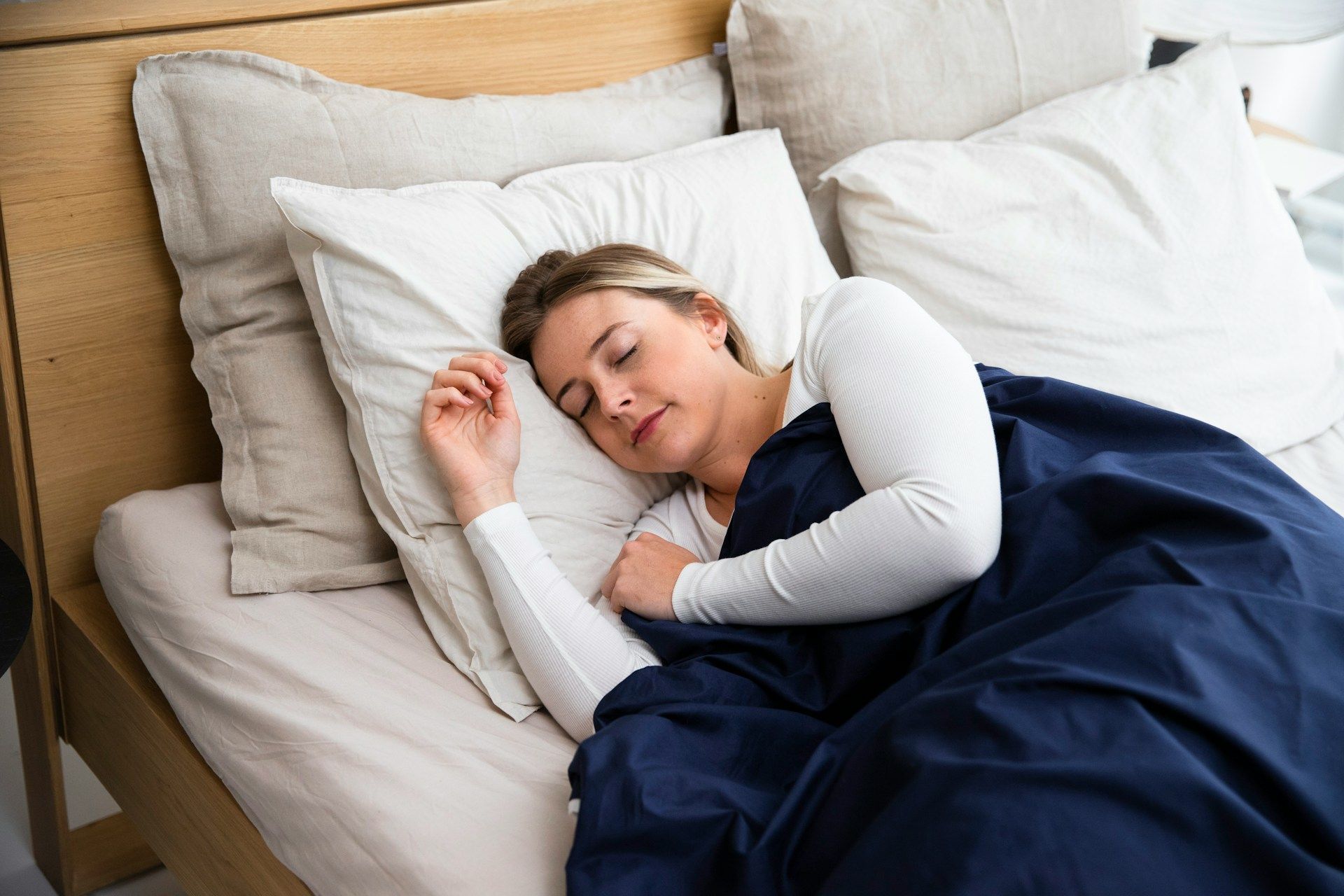
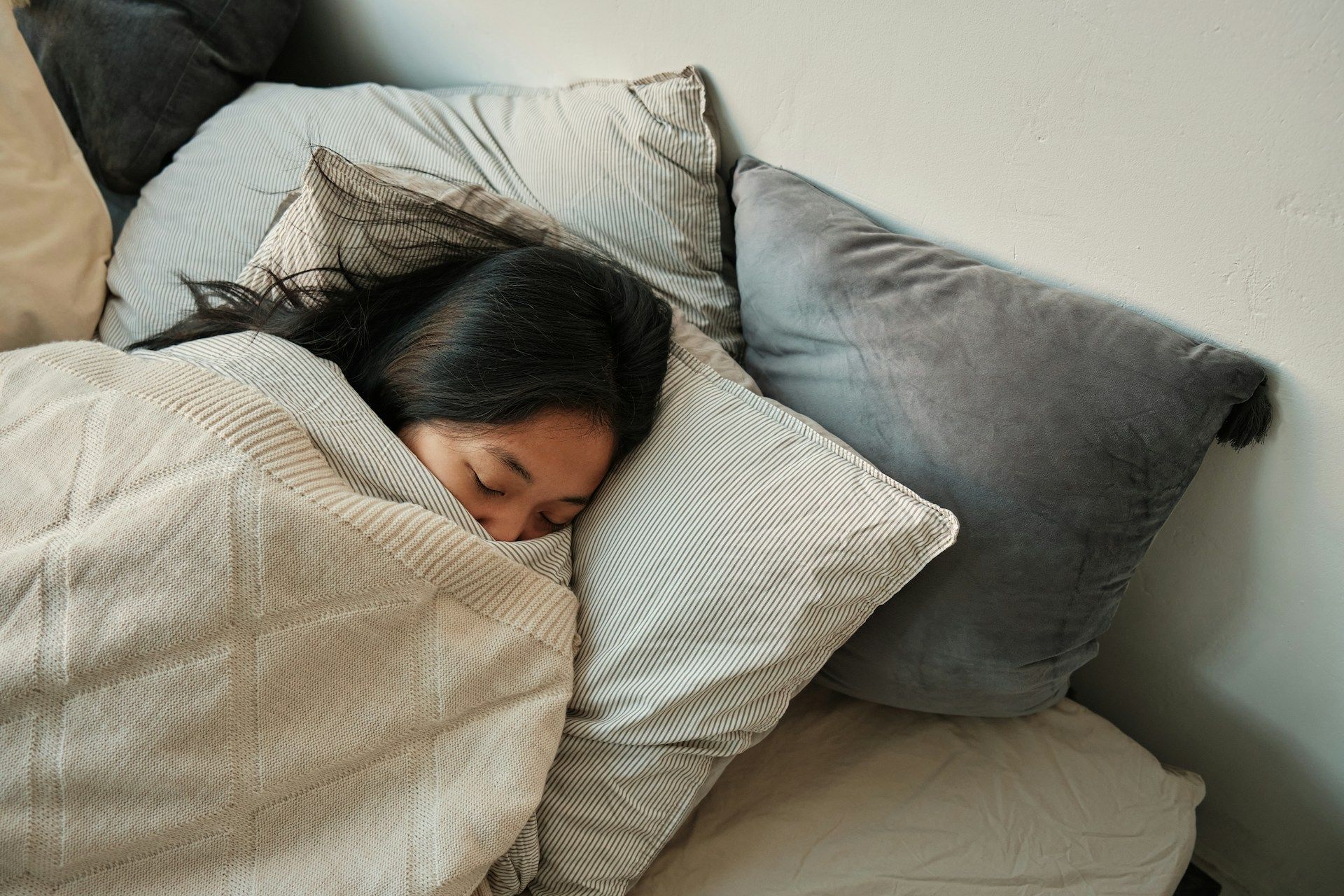
Jaw or face pain isn't just annoying during the day. It can sneak into the night and make restful sleep hard to find. If you’ve ever felt tightness around your jaw or woken up with a sore face, you may be dealing with more than just stress. There’s a strong connection between the temporomandibular joint (TMJ) and poor sleep. Many people toss and turn at night, not knowing that jaw tension could be the reason.
TMJ discomfort doesn’t always seem like a sleep issue at first. But when that small, busy joint acts up, it can create a ripple effect that affects your entire night. That’s why looking into treatment for TMJ discomfort can be a meaningful step toward better rest and less pain. It’s not just about easing the jaw; it’s about improving how your whole body feels when you wake up.
What Is TMJ and Why Does It Hurt?
The temporomandibular joint, or TMJ, connects the lower jaw to the skull, letting us open and close our mouths to eat, speak, and yawn. It’s used constantly in everyday life, which means it can get irritated pretty easily. When that joint or the muscles around it stop working smoothly, pain or pressure can start to build.
Some of the most common signs that someone is having TMJ trouble include:
• A popping or clicking sound when opening the mouth
• Tightness in the jaw or face, especially after chewing
• Ongoing pain near the temple, ear, or jawline
This discomfort can be from various causes. Stress is a common contributor, leading to jaw clenching and muscle tension. Injury, arthritis, or even how your teeth come together could place added strain on the TMJ. When the joint is overworked or inflamed, it can limit how well it functions and lead to stretching or stress in nearby areas, too.
How TMJ Discomfort Affects Your Sleep
Pain doesn’t like to keep a daily schedule. TMJ discomfort often carries over into the night, making it harder to fall asleep or stay asleep. A sore or stiff jaw can keep the body in a state of tension, which leaves your muscles and mind struggling to settle down.
Sleep problems also show up when people clench or grind their teeth overnight. It’s typically an unconscious habit, but this grinding (called bruxism) puts pressure on the TMJ and surrounding muscles. That pressure creates a feedback loop; the more strain placed on the joint at night, the more soreness someone might feel during the day.
Not getting enough sleep has other effects, too. It can show up as:
• Low energy during the day
• Difficulty concentrating on tasks
• Changes in mood or irritability
When rest is broken by jaw pain, the body doesn’t fully recover. Over time, this can affect more than just your muscles. It can start to chip away at your quality of life, no matter how early you go to bed.
Signs That Your Sleep Problems Might Be Linked to TMJ
People with TMJ discomfort don’t always connect it to their sleep issues right away. The signs may show up in different ways, and sometimes they’re easier to notice in the morning. If you’ve been waking up feeling like you didn’t rest enough, your jaw may be asking for attention.
Here are clues that TMJ could be involved:
• You wake up with your jaw feeling tight, sore, or hard to move
• You often get headaches or face pain soon after getting out of bed
• You wake up during the night without a clear reason
There’s also the chance that someone tries to treat the sleep issue without realizing the true cause is jaw tension. Maybe they change their bedtime habits, avoid caffeine, or try sleep aids, but nothing really helps. That’s why it’s helpful to notice when facial symptoms line up with disrupted sleep. These red flags often point to the importance of getting the jaw evaluated instead of focusing only on rest patterns.
How a Professional Can Support Your Sleep and Jaw Health
Trying to fix TMJ pain without help is tough. Things like chewing on one side of the mouth or avoiding certain foods may seem like temporary solutions, but they usually don’t solve the problem. In fact, guesswork can sometimes make discomfort worse.
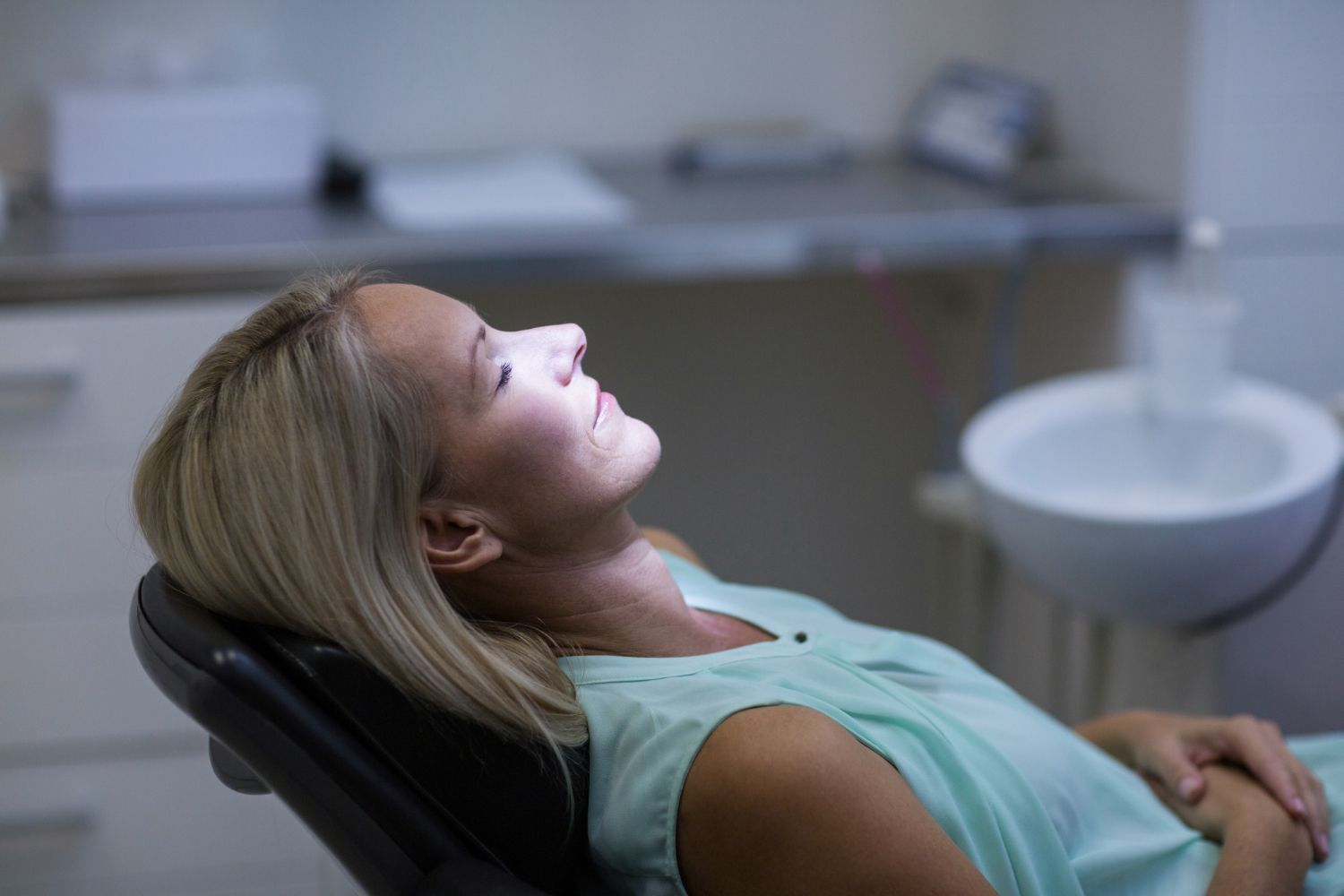
A dentist trained to recognize TMJ-related issues knows what to look for. At Great Sleep Dental near Boston, Massachusetts, Dr. Anna Bagdonas and our team focus on advanced TMJ and sleep apnea care so people can improve both jaw comfort and sleep quality. They can check how your bite lines up, how the joint moves, and whether other muscles are working too hard. That matters because the right treatment for TMJ discomfort depends on finding the real source of strain.
When the cause is clear, the path to relief becomes easier to follow. That can mean less tension in the jaw, fewer headaches in the morning, and deeper sleep at night. With better alignment and jaw support, the body has a chance to truly rest without that constant pressure holding it back. For some patients, care may include custom oral appliances or, when appropriate, Botox to relax overactive jaw muscles as part of a broader TMJ treatment plan.
The Relief That Comes with Better Rest
Most people don’t expect their jaw to interfere with how well they sleep, but the truth is, they’re more connected than many realize. When the jaw joint is overworked or inflamed, rest becomes harder to reach. This doesn’t just happen because of the physical pain, but because of how tension affects the brain and body long after bedtime.
Once TMJ discomfort is under control, sleep tends to follow. Waking up with less pain usually means sleeping more soundly and feeling better throughout the day. Being aware of jaw-related symptoms is often the first step toward fixing the issue. The more we understand about this link, the easier it gets to take steps toward better rest.
Nights interrupted by jaw pain or tension may signal the need for a lasting solution. We help people recognize when sleep issues go beyond mere stress or poor habits. Getting the right support for your jaw can make a big difference in how you feel every morning. To get started, learn more about our approach to effective
treatment for TMJ discomfort and contact us to schedule a visit with Great Sleep Dental.