Can Oral Appliances Really Replace CPAP for Sleep Apnea?
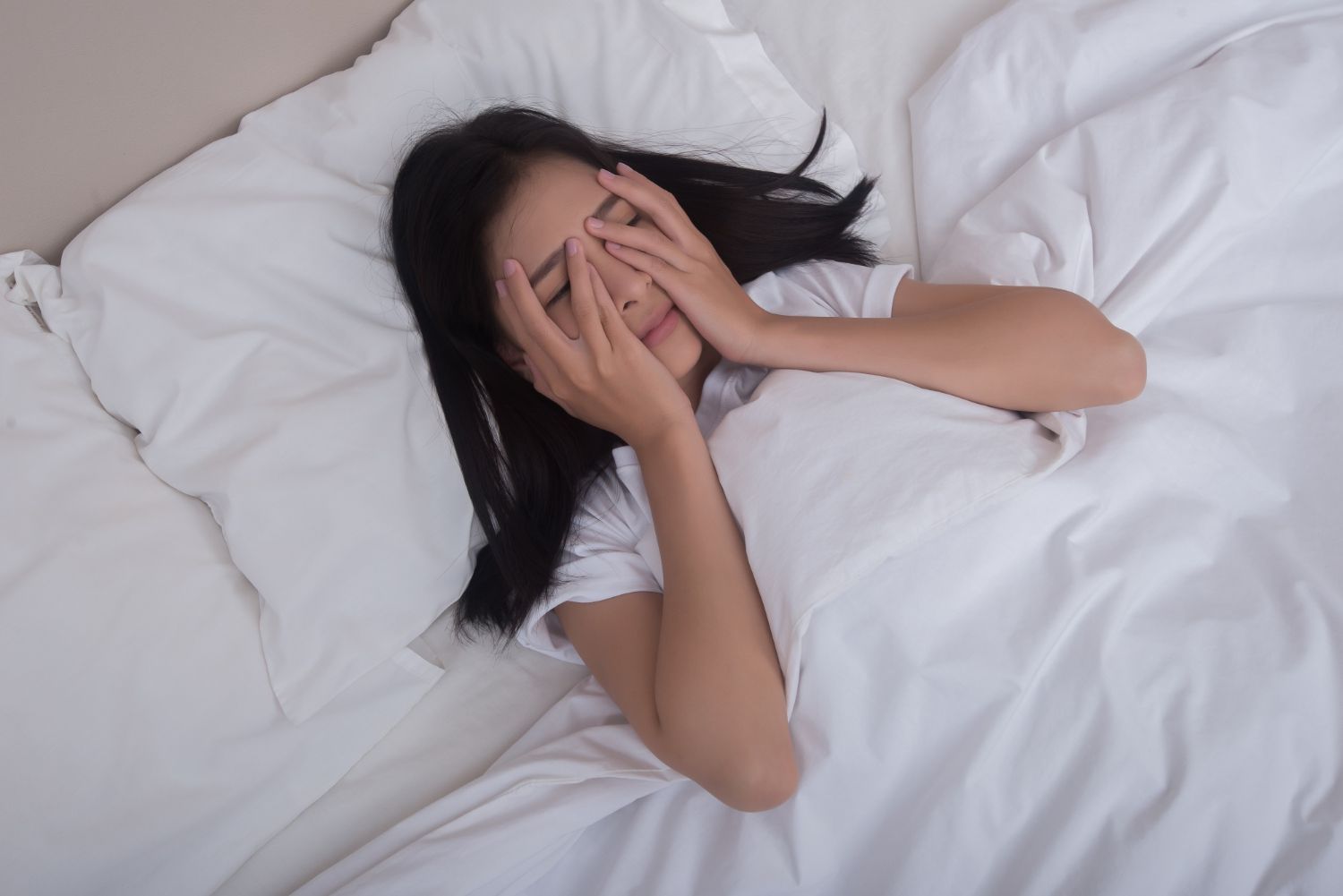
Sleep apnea isn’t always easy to spot, but when it shows up, it can wear you out day after day. Many people with this condition deal with loud snoring, daytime tiredness, or morning headaches without realizing what’s behind it. Getting good sleep becomes a daily struggle. For those who are diagnosed, CPAP often enters the conversation as the first suggested treatment. But what happens if CPAP doesn’t feel right or is too uncomfortable to use every night?
That’s where oral appliance treatment for sleep apnea comes in. If you've ever wondered whether there’s a quieter, simpler way to manage sleep apnea, you’re not alone. Some people want something they can stick with long term, and oral appliances are one option worth learning about. At Great Sleep Dental near Boston, Massachusetts, oral appliance therapy is a central part of our sleep apnea care for people who want an effective CPAP alternative.
Why CPAP Isn’t Right for Everyone
CPAP machines are commonly used because they’ve been around for a long time, and doctors often recommend them early on. The idea is simple: the machine delivers steady air pressure through a mask to keep your airway open while you sleep.
But real life doesn’t always make using a CPAP so simple. Some people find the mask uncomfortable or struggle with the noise of the machine. Others feel embarrassed when traveling or have a hard time keeping up with the cleaning routine. If you’ve ever given up on using CPAP or left it sitting in a drawer, you’re definitely not the only one.
When sleep apnea is still a concern, but CPAP isn’t working out, people start looking for something more comfortable, something that feels easier to use every night. That’s usually when oral appliances start to get attention.
What Is an Oral Appliance and How Does It Work?
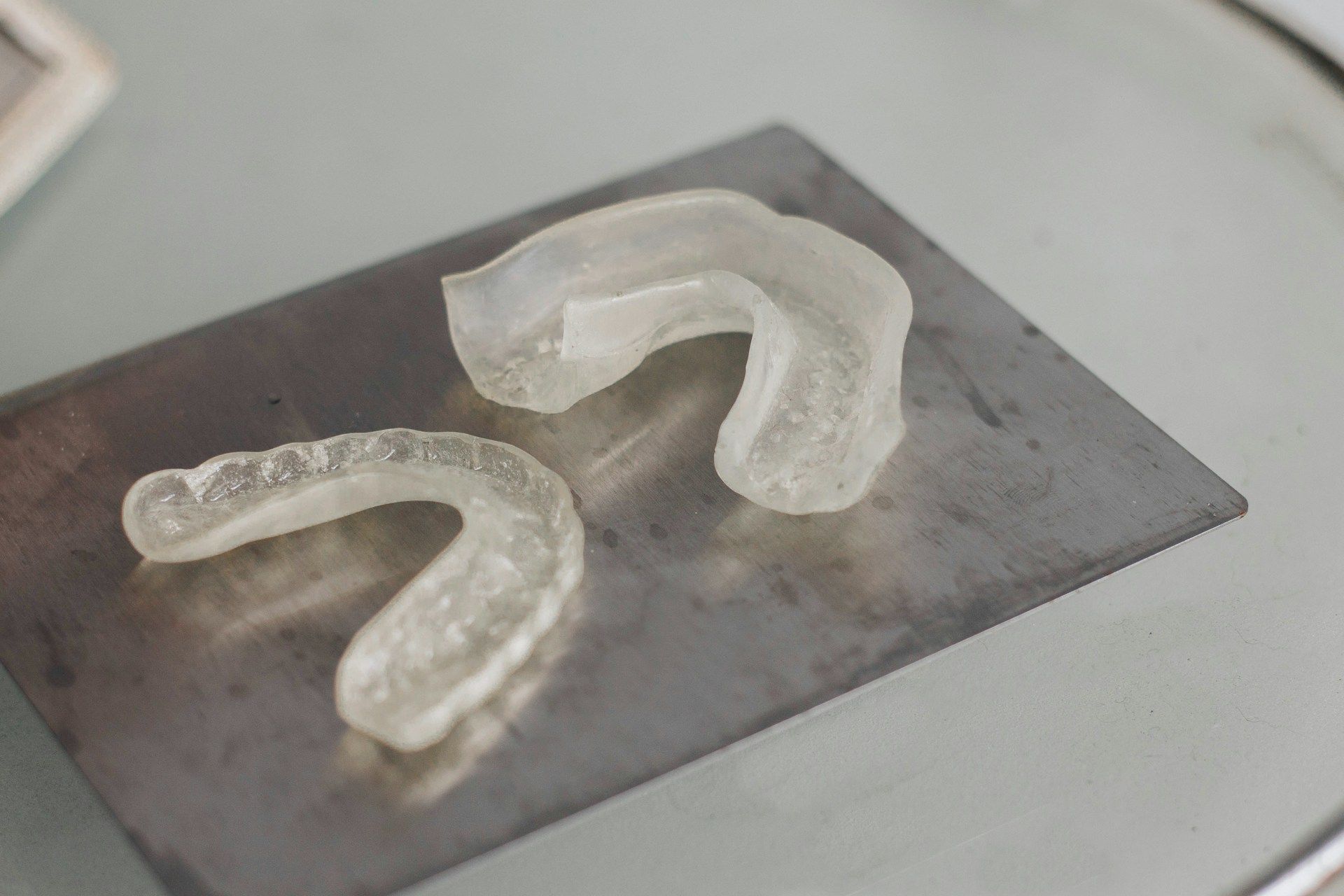
An oral appliance is a small device that fits in your mouth, a bit like a nightguard or sports mouthpiece. It’s worn only while you sleep and is usually custom-made by a dentist to fit your teeth and jaw. At our office, each oral appliance is custom-fitted from a detailed scan of your mouth and made as a small, discreet, FDA-approved device that is often covered by health insurance.
Its main job is to gently adjust your lower jaw or tongue forward. This helps keep your airway open so breathing stays steady through the night. Unlike a CPAP machine, there are no hoses, noise, or power cords. You wear it, go to sleep, and that’s it.
Many people find this approach easier because there’s less to manage. The device fits in a small case, travels easily, and doesn’t involve much cleaning beyond basic care.
While CPAP equipment needs regular and sometimes involved cleaning routines to stay sanitary, oral appliances are generally much easier to take care of. A quick rinse each morning and simple occasional cleaning is usually all that’s needed, saving time and effort in your daily routine. This simplicity is appealing to people with busy lives or who travel often.
Comparing CPAP and Oral Appliances
Both treatments aim to reduce the pauses in breathing that come with sleep apnea. But how they go about it, and how they feel to use, can be very different.
Here are some of the main differences between CPAP and oral appliances:
• CPAP uses forced air to support breathing. Oral appliances adjust jaw position to keep the airway open naturally
• CPAP involves a mask, tubing, and machine. Oral appliances are small and fit mainly over your teeth
• CPAP can feel bulky or noisy. Oral appliances are quiet and often more comfortable for side sleepers
• For traveling, CPAP may need special arrangements. Oral appliances take up less space and don’t require electricity
Deciding between the two often depends on personal comfort, lifestyle, and how your body responds to each treatment. Some people use both at different points depending on their needs.
It’s important to remember that the effectiveness of treatment can vary from person to person. While CPAP machines are traditionally considered the gold standard, particularly for more severe cases of sleep apnea, oral appliances have been found to be highly effective for many individuals, especially those with mild to moderate sleep apnea or people looking for a more manageable solution. Your doctor or provider can review your diagnosis and help you determine which approach may be best for your specific circumstances.
What to Expect From an Oral Appliance Treatment for Sleep Apnea
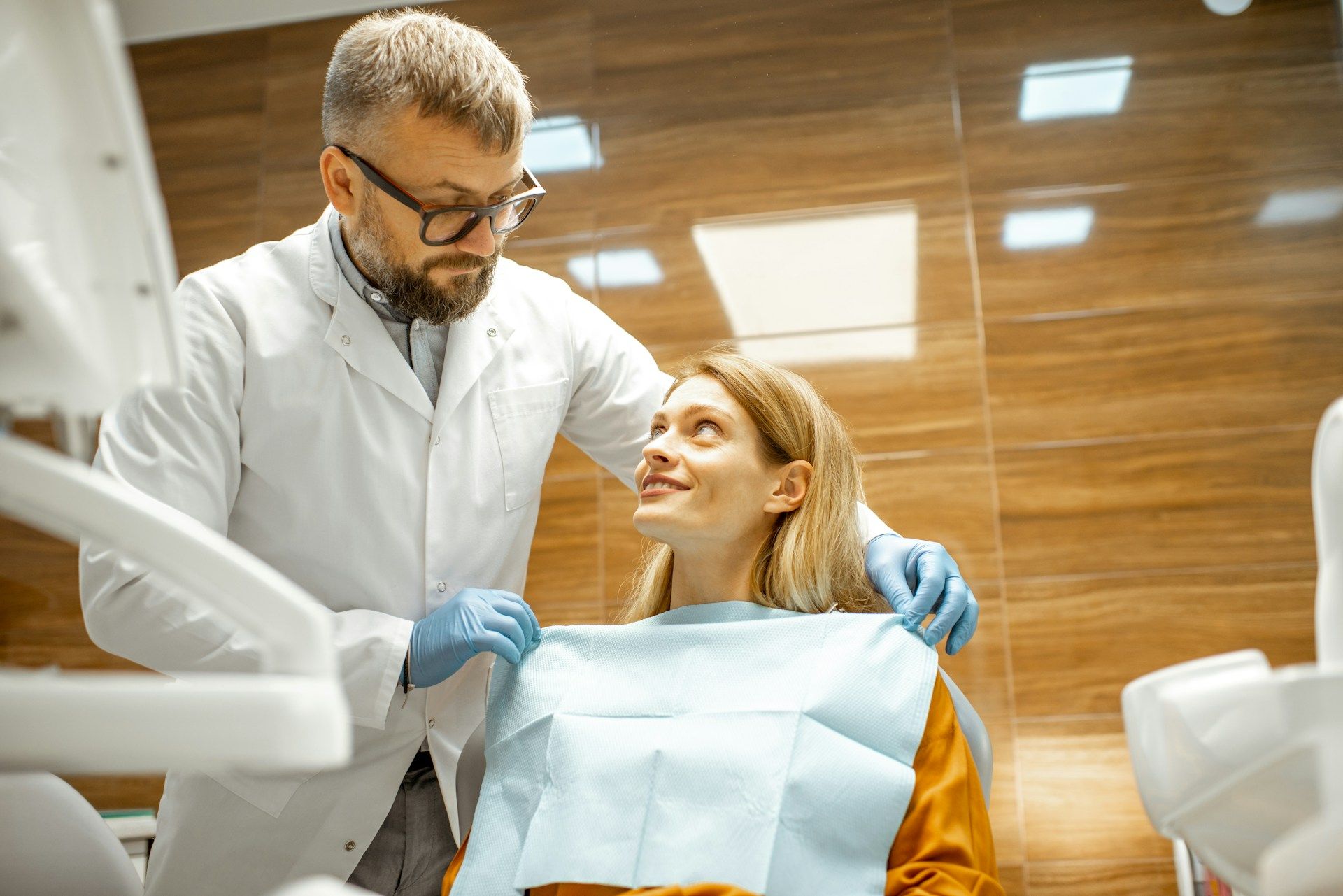
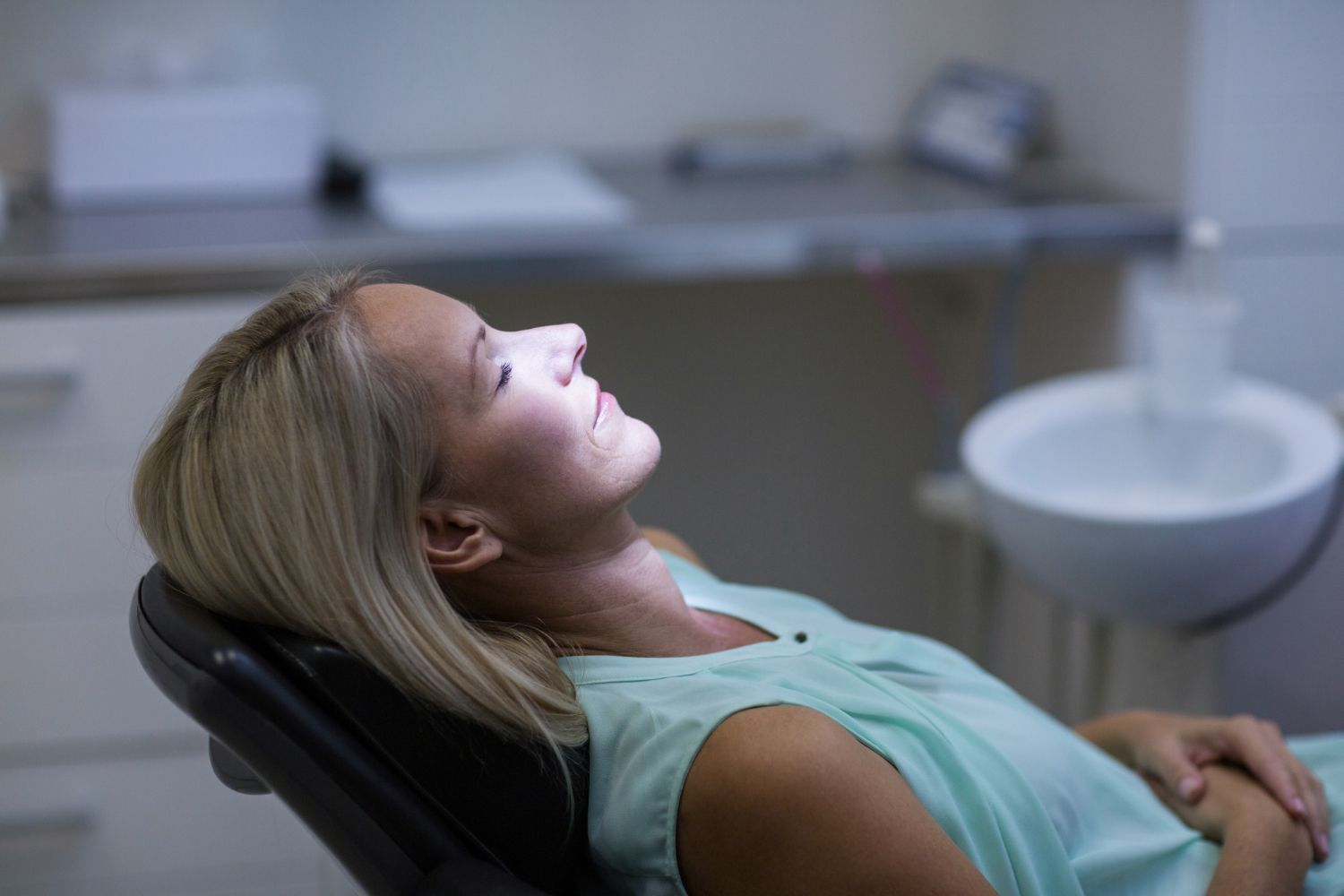
Getting started with an oral appliance usually begins with a visit to a qualified dental provider. They’ll evaluate your airway, jaw alignment, and sleep habits to decide if this type of treatment is a good fit.
Here’s how the process typically goes:
1. First, you’ll have an exam and possibly a sleep study
2. If a match, a custom mold of your mouth is taken to build your oral appliance
3. Once it’s ready, you’ll return for a fitting and to learn how to use and clean it
4. Follow-ups happen after a few weeks to check progress and make small adjustments if needed
Most people notice gradual improvements in sleep quality, energy, and mood over time. Your doctor or dentist may use sleep data or check-ins to track how well the device is working. If needed, they make changes to improve the fit or positioning.
At Great Sleep Dental, Dr. Anna Bagdonas continues to follow your progress and may use home sleep testing to confirm that the appliance is helping you breathe fully and sleep more soundly. Crooked sleep shouldn’t be something you settle for, and having the right plan can shift things in a better direction.
Each step in the process is focused on providing comfort and clear guidance. You’ll have the opportunity to ask questions about daily use or possible side effects, and your provider can work with you to ensure the appliance fits appropriately with your bite and overall oral health. Over time, adjustments are available to fine-tune the fit if your teeth shift or your comfort needs change.
Is Switching to an Oral Appliance the Right Move?
Not every treatment fits every person, and the same goes for oral appliances. If you’re struggling with CPAP or have been told you have mild to moderate sleep apnea, this might be an option worth bringing up.
Good questions to ask yourself include:
• Can I fall asleep easily with something in my mouth?
• Am I looking for something quieter than CPAP?
• Do I travel often or need something simpler to pack and use?
• Have I tried other options that just didn’t work for me?
The goal is to find a treatment you’ll actually use. Whether that means sticking with CPAP, trying an oral appliance, or combining both in different settings, what matters most is getting consistent, restful sleep. A provider who knows your specific needs can help you figure out the next best steps without guessing.
When considering whether to make the switch, think about your lifestyle habits and preferences. If you often wake up feeling unrefreshed, if your partner complains about snoring, or if you simply haven’t felt rested despite other therapies, a different solution like an oral appliance may be worthwhile. Ask your sleep medicine provider about a trial or demonstration, as this can be an excellent way to see if you’ll be comfortable long-term.
Better Sleep Might Be Closer Than You Think
Not sleeping well can shape your whole day. When your brain and body don’t get the rest they need, everything starts to feel a little off. If CPAP hasn’t worked or even makes sleep harder, it’s understandable to want something different.
Oral appliances offer a simple, quiet way to treat sleep apnea for many people. They’re small, easy to use, and can often fit into busy routines without getting in the way. With the right support and a clear understanding of your options, it’s possible to move toward better rest that feels easier to reach.
Ready to finally get a better night's rest? We're here to help you take that next step. For people who haven't found relief with CPAP, a quieter option can make all the difference. We've helped many patients discover the benefits of using an
oral appliance treatment for sleep apnea that fits easily into their nightly routine, and at Great Sleep Dental, we work to find what is most comfortable and effective. Contact us to talk about what might work best for your sleep.