How Does an At-Home Sleep Apnea Test Kit Actually Work?
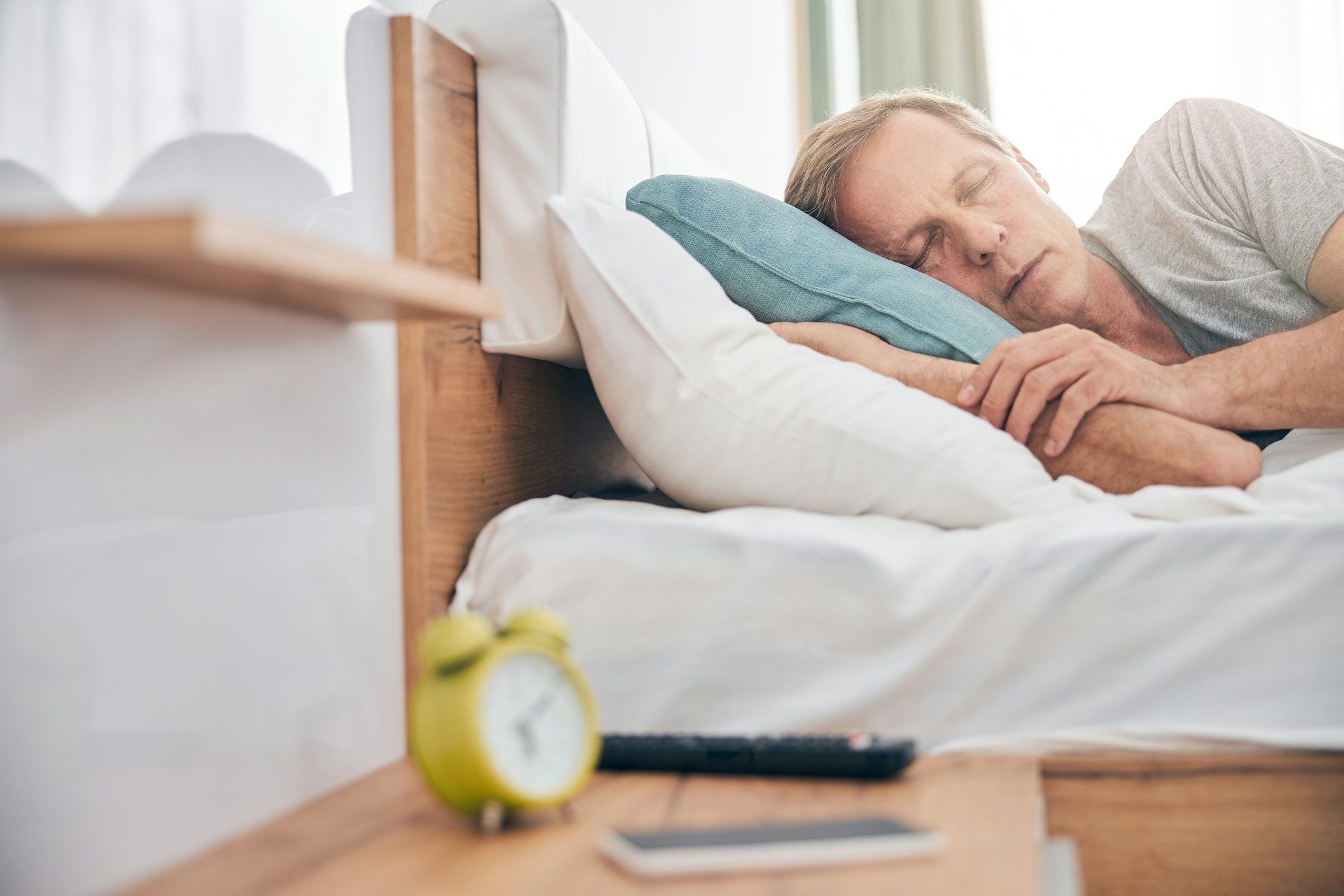
If you're waking up tired and wondering what’s going on while you sleep, a home sleep apnea test kit might be the first step in getting answers. It's a tool you can use from your own bedroom with no overnight lab visit required. That makes it easier and more comfortable for many people who want to check for signs of sleep apnea.
A home sleep apnea test kit helps track how you breathe while you sleep. It collects information about your airflow, oxygen levels, and movement during the night to help identify patterns linked to sleep disorders. It's simple, quiet, and easy to return once you're done. For those feeling exhausted without a clear reason, it can bring clarity fast.
What Is Sleep Apnea and Why Testing Matters
Sleep apnea is a condition where you stop breathing for short periods during sleep. These pauses might not wake you up fully, but they can stop your body from getting the deep rest it needs. Over time, sleep becomes broken and uneven, even if you think you're sleeping all night.
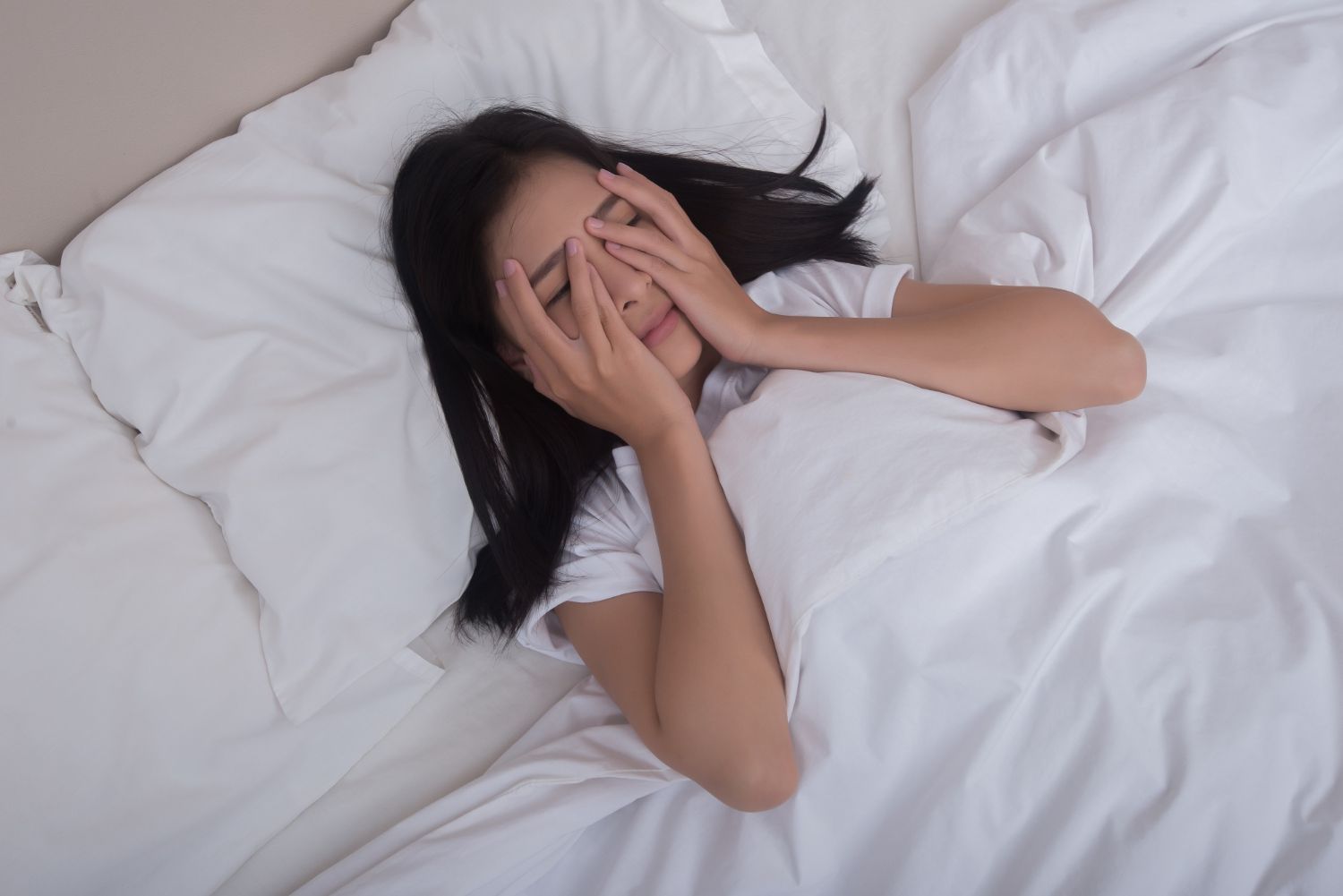
There are a few signs that make people stop and wonder if sleep apnea could be behind their tired mornings. These include:
• Loud snoring that disrupts others
• Waking up with a dry mouth or sore throat
• Feeling sleepy or slow during the day
• Struggling to focus or stay alert at work or school
• Getting headaches soon after waking up
Even something as simple as feeling moody or foggy in the morning can be a clue. When these signs stick around, it's a good idea to look into it. Catching sleep apnea early can support better health and help prevent other complications down the road.
What Comes Inside a Home Sleep Apnea Test Kit
Most home sleep apnea test kits arrive with everything needed for one night of testing. Each part has a clear purpose and is designed to be safe and easy to use. While kits can vary slightly, here’s what users typically find inside:
• A nasal sensor that sits under the nose to track airflow
• A chest or abdominal band that monitors breathing movement
• A finger clip or pulse oximeter that records oxygen levels and heart rate
• Instructions that show how to set up and return the kit
The parts are small, soft, and built for comfort so they don’t interfere much with sleep. Everything fits inside a lightweight package, which is either mailed directly to your home or picked up in person. At Great Sleep Dental, the home sleep test is a wireless device that records sleep and breathing without bulky machines in your bedroom. Most kits are reusable and well cleaned between uses, with fresh supplies that make setup simple.
How to Use the Kit at Home
Using the test kit is often as easy as following a few steps before bedtime. Most people are asked to get ready for sleep just like they normally would, then take a few minutes to place the parts in the right spots. Here’s how it usually goes:
1. Position the airflow sensor just under the nose, like oxygen tubing, to pick up each inhale and exhale.
2. Wrap the chest or stomach belt to track how the body rises and falls during breaths.
3. Slip the finger sensor onto the pointer or middle finger so it can measure oxygen levels.
Once everything is secure, the recording begins automatically or with a simple button. After the test, you remove the pieces and pack everything back in the box. It doesn’t beep or light up during the night, which keeps things quiet and less distracting for sleep.
What Happens After the Test
After you’ve slept with the kit and finished the recording, the next step is just returning it. Most kits come with a prepaid label and instructions for drop-off or mail-back.
The collected data gets reviewed by a sleep professional who looks for signs of interrupted breathing. Our office collaborates with physicians and sleep professionals so your test results are interpreted with your overall health in mind. They’re checking how often breathing pauses, how long those breaks last, and whether oxygen levels dropped. Some machines even track snoring or body position during events.
Once the results are ready, a provider walks you through what they mean. If the test shows signs of sleep apnea, the next steps might include treatment options or more detailed testing. Even if results look normal, that information can still help rule things out and narrow down other causes of sleep problems.
When a Home Test Is (and Isn’t) the Right Fit
A home sleep apnea test kit works well for many people, especially when the symptoms match up with typical signs of sleep apnea. It's a good option when breathing disruptions are suspected and when someone prefers to test at home.
Still, it’s not always the right fit. For example:
• If someone has other health issues that affect sleep, a full in-lab study might be better
• If symptoms like twitching, unusual sleep behaviors, or leg movements are involved, different testing could be needed
• If the home test comes back unclear, a second round of sleep evaluation might be recommended
Getting help from a provider before or after the test helps make sure you're not missing anything. It keeps the process guided and focused, especially if next steps are needed.
Understanding Your Sleep Just Got Easier
Sleep shouldn’t feel like a puzzle. When mornings feel rough and energy is low most of the day, a home sleep apnea test kit can help uncover something that’s been going unnoticed at night. It gives people a low-pressure, comfortable way to find out if interrupted breathing is part of the problem.
Instead of guessing what’s wrong, these tests help bring real answers. That makes it easier to move forward with a path that fits each person’s needs. While not every test leads to treatment, getting better sleep always starts with knowing what happens when your eyes are closed.
Restless nights and tired mornings can leave you feeling uncertain about what's happening while you sleep. Getting clear answers begins with paying attention to your sleep. A simple step like using a home sleep apnea test kit can help reveal whether breathing issues are at play.
We are here to help you understand your sleep patterns and what they might be telling you. At Great Sleep Dental, we believe that clearer rest begins with better information. When you're ready to take the next step, contact us to talk about your options.