When Is Snoring a Sign of a Sleep Disorder?

Most people think snoring is just noisy breathing during sleep. And for some, that's all it is. But for others, it could be a sign that something more serious is going on. Loud, frequent snoring might be more than just a small annoyance. In some cases, it’s connected to a sleep disorder that affects breathing, like sleep apnea.
We often hear from people who are surprised to learn that snoring can point to a real health issue. It's not just about sound. It's about how well the body gets air at night. When the airway gets blocked or narrowed, sleep becomes uneven and rest gets cut short without anyone noticing. That’s where treatment options may come in. For some people, snoring dental devices can play a role in improving how they breathe and sleep.
This article helps explain when snoring might be worth looking into and how to tell the difference between a harmless habit and a sleep disorder that needs attention.
When Snoring Might Be More Than Just Snoring
Snoring can happen for many reasons, and not all of them are serious. For some, it's tied to how they sleep, like lying on their back. For others, it's mild congestion or a change in weight. Small things like these can lead to soft vibrations in the throat, which cause snoring sounds during the night.
But when the snoring becomes louder, more frequent, or more disruptive, it may be time to take a closer look. Here are a few signs that point to something beyond casual snoring:
• Loud, sharp snoring that happens nearly every night
• Snoring that includes pauses, then gasps or choking sounds
• Snoring that disturbs a partner’s sleep regularly
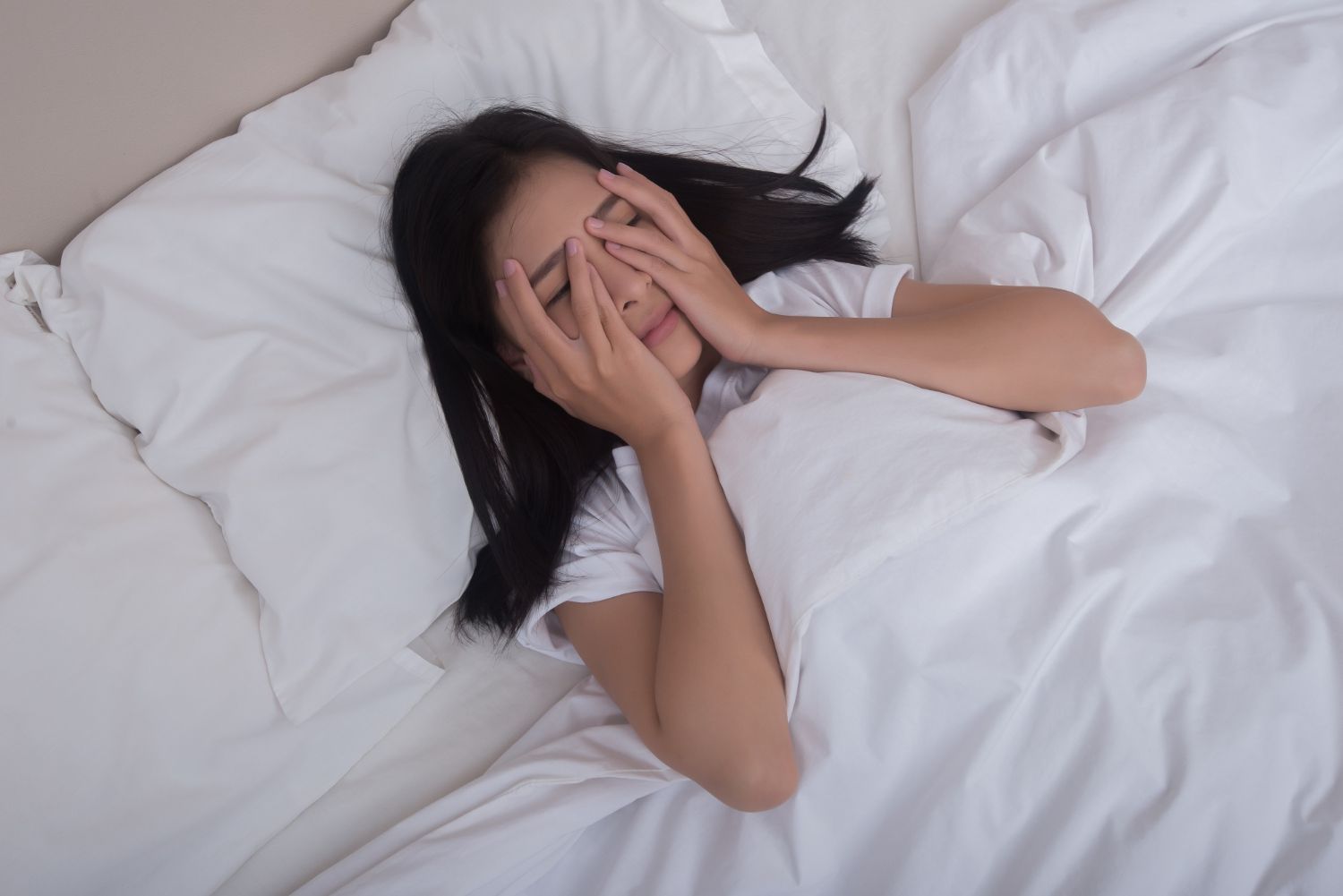
When snoring causes someone to wake up feeling drained or foggy, or when others notice the breathing breaks, it’s no longer something to ignore. These moments can take a toll on both the person snoring and those around them. Sleep shouldn’t leave anyone feeling wiped out before the day even begins, so it’s good to pay attention to these patterns if they keep happening.
Signs That a Sleep Disorder Could Be Involved
Not every snorer has sleep apnea, but many people with the condition do snore. What sets it apart are the side effects during the day and night that suggest something is getting in the way of normal breathing.
If you or someone you live with starts noticing these side effects, it could mean there's a sleep disorder at play:
• Feeling tired no matter how much time you spend in bed
• Waking up with a dry mouth or headache more often than not
• Trouble staying alert, even during easy tasks
• Noticing gaps in breathing, even if you don’t remember them
One of the tricky parts is that the person with the sleep issue often doesn’t remember what’s happening while they sleep. So if a partner notices their breathing stopping or changing, that outside perspective can make a big difference. The combination of these symptoms can suggest that something is interrupting restful sleep on a regular basis. Sometimes, small clues like these are easy to overlook, but talking about them with family or friends can give a clearer picture.
What Happens if Snoring Is Left Untreated
When sleep doesn't do its job, the whole body feels it. And when snoring is linked to interrupted breathing, it’s not just about being tired. Nights filled with shallow or broken sleep can lead to bigger problems during the day.
Here are just a few of the common struggles that build up over time:
• Feeling sleepy or unfocused during work or school
• Mood swings or short tempers without knowing why
• Forgetting things more often than usual
• Lower motivation and interest in daily activities
If the root cause isn’t addressed, these symptoms tend to hang around. Over time, the strain on the body can affect more than just sleep. That’s why it matters to look deeper when snoring feels like it’s getting worse or causing other side effects. Relationships with friends or family might notice stress or distance, and energy levels may drop for reasons that aren’t clear at first. By addressing snoring early, some of these struggles can be avoided, supporting better moods and healthier routines.
How Snoring Dental Devices Can Help
When snoring is linked to the way the airway narrows during sleep, some people benefit from tools that keep it open. Snoring dental devices are one option that may help improve airway flow without using machines or masks.
These small, custom-made devices are worn during sleep. They’re built to gently adjust the position of the jaw or tongue so air can pass more freely from the nose and mouth into the lungs. By helping the airway stay open, they can cut down on snoring and nighttime breathing issues.
At Great Sleep Dental near Boston, Massachusetts, these devices are custom-fitted from a detailed scan or mold of your teeth and are designed to hold the lower jaw slightly forward so the airway stays more open while you sleep. They are small, discreet, and FDA-approved, which makes them a comfortable alternative for many people who have trouble with CPAP machines.
Snoring dental devices are often most helpful for people who:
• Have mild to moderate sleep apnea
• Struggle with traditional machines like CPAP
• Prefer a quiet, non-electric way to treat sleep issues
The main takeaway is simple: these devices can offer real relief for some people by helping them get deeper, quieter, and more restful sleep. Professional guidance is key for choosing the most suitable option and ensuring a proper, comfortable fit. Regular check-ins with a provider can help adjust the device if your needs change, making sure it remains effective over time.
Getting Help from a Sleep-Focused Provider
It’s hard to figure out snoring on your own. That’s why it's better not to rely on guesswork. Talking to a provider who understands how sleep and breathing work together can help make the path forward a lot clearer.
A sleep dental provider can help look for patterns that point to a breathing issue and may recommend tests or other steps to check what's really going on. They’ll take into account how you sleep, what you feel during the day, and anything a sleep partner might have noticed.
When care is focused on sleep, it’s easier to get a plan that fits the person’s unique shape, symptoms, and lifestyle. A custom fit matters, especially when wearing something every night. Comfort makes a big difference when it comes to actually using the solution consistently. With a professional’s help, each step is easier, allowing you to adjust over time or try new solutions until a good fit is found.
A Quieter Night Can Mean Better Health
Snoring might seem harmless at first, but when it's loud, nightly, or paired with other signs of tiredness, it could signal more than just noise. When left unchecked, it can lead to poor rest and other health concerns over time.
The good news is this doesn’t have to be a mystery. Tuning in to changes in how you sleep is the first step. And if snoring turns out to be part of a bigger issue, options like dental devices and professional care might help bring back steady, peaceful sleep. Paying attention now means you don’t have to keep wondering what’s happening throughout the night.
At Great Sleep Dental, we know how much better life can feel with consistent, peaceful rest. If snoring has started to interfere with your nights or leave you feeling off during the day, it might be time to dig a little deeper.
For many people, using proven tools like
snoring dental devices can bring real improvement in how they breathe and sleep. These quiet, comfortable options may help reduce airway blockage and make it easier to get the rest your body needs. If you're still unsure where to begin, contact us to talk it through.