Why Is It So Hard to Tell If You Have Sleep Apnea?
Many people live with sleep apnea without realizing it. They might snore, feel groggy when they get up, or start to notice that they feel drained all day long. Still, they keep going and brush it off as stress, poor sleep habits, or just aging. Sleep apnea can be hard to notice, especially when the symptoms show up at night while you're asleep.
That’s why sleep apnea screening is so important. It helps connect the dots between things you’ve been feeling and what could actually be happening during your sleep. If you’ve ever wondered why you wake up tired after a full night’s rest, or why your focus and energy seem to disappear by mid-morning, this could be the missing piece.
Let's break down why sleep apnea often goes unnoticed and what to watch for. At Great Sleep Dental near Boston, Massachusetts, Dr. Anna Bagdonas and our team work with people every day who have lived with undiagnosed sleep apnea for years before getting the right help.
What Is Sleep Apnea and Why It’s Hard to Notice
Sleep apnea is a condition where breathing starts and stops during sleep without you noticing. These pauses can happen many times through the night and often last long enough to disrupt your natural sleep cycle. You might wake up slightly each time, but not enough to remember it in the morning. That’s why sleep can feel light, restless, or unrefreshing.
The trouble is, most people aren’t aware of these moments because they happen when they’re asleep. They might think they slept for eight hours, but their body didn’t get the deep sleep it needed to fully rest. On top of that, it's easy to blame exhaustion or brain fog on work stress, screen time, or bad sleep habits.
Instead of realizing something medical might be happening, people often live with the symptoms for years. It can affect how they feel mentally and physically, but the real cause gets missed.
Common Signs That Are Easy to Miss
When sleep apnea builds slowly over time, the warning signs can become part of your routine. That’s what makes catching it so tricky. Here are a few clues that often get overlooked:
• Waking up with a dry mouth or sore throat
• Morning headaches that seem to have no cause
• Feeling groggy or tired even after a full night’s rest
• Tossing and turning, or waking up gasping or choking
• Forgetting tasks, losing focus easily, or feeling irritable during the day
Some of these symptoms may seem unrelated to how you sleep. Others, like pausing during breathing, might only be noticed by a partner or family member. If you live alone or sleep without someone nearby, important clues might go unnoticed for a very long time.
Why Self-Diagnosis Doesn’t Work Very Well
Trying to figure out sleep issues on your own can be frustrating. Most of the symptoms of sleep apnea overlap with other things, like anxiety, poor diet, or insomnia. That’s one reason why many people misread their symptoms and try to fix them with caffeine, naps, or over-the-counter products.
Snoring is one of the more obvious signs, but many people don’t know they do it until someone else points it out. Even apps that record snoring or track your sleep won’t catch the full picture, especially when it comes to your breathing quality.
Without a proper sleep evaluation, it’s easy to look in the wrong direction or ignore the problem altogether. That delay can leave you dealing with symptoms longer than necessary and missing out on the benefits of true rest.
How Screening Makes Things Clearer
Getting a sleep apnea screening can bring more clarity when you’ve been feeling off but can’t explain why. It gives you a clearer look at what’s going on while you sleep and helps connect your daytime fatigue with possible disruptions at night.
There are multiple ways to get screened, depending on your situation. At Great Sleep Dental, many patients start with a convenient home sleep study so they can be evaluated in the comfort of their own bed before and after treatment. Some people may go to a sleep lab, but home testing has become more available. That makes it easier for people to begin the process without changing their usual sleep setting.
If you're snoring, waking up tired, or noticing any of the earlier symptoms, it's worth looking into. A simple screening can be the step that helps you finally understand what’s going on and what to do next.
When to Talk to Someone About Your Sleep Concerns
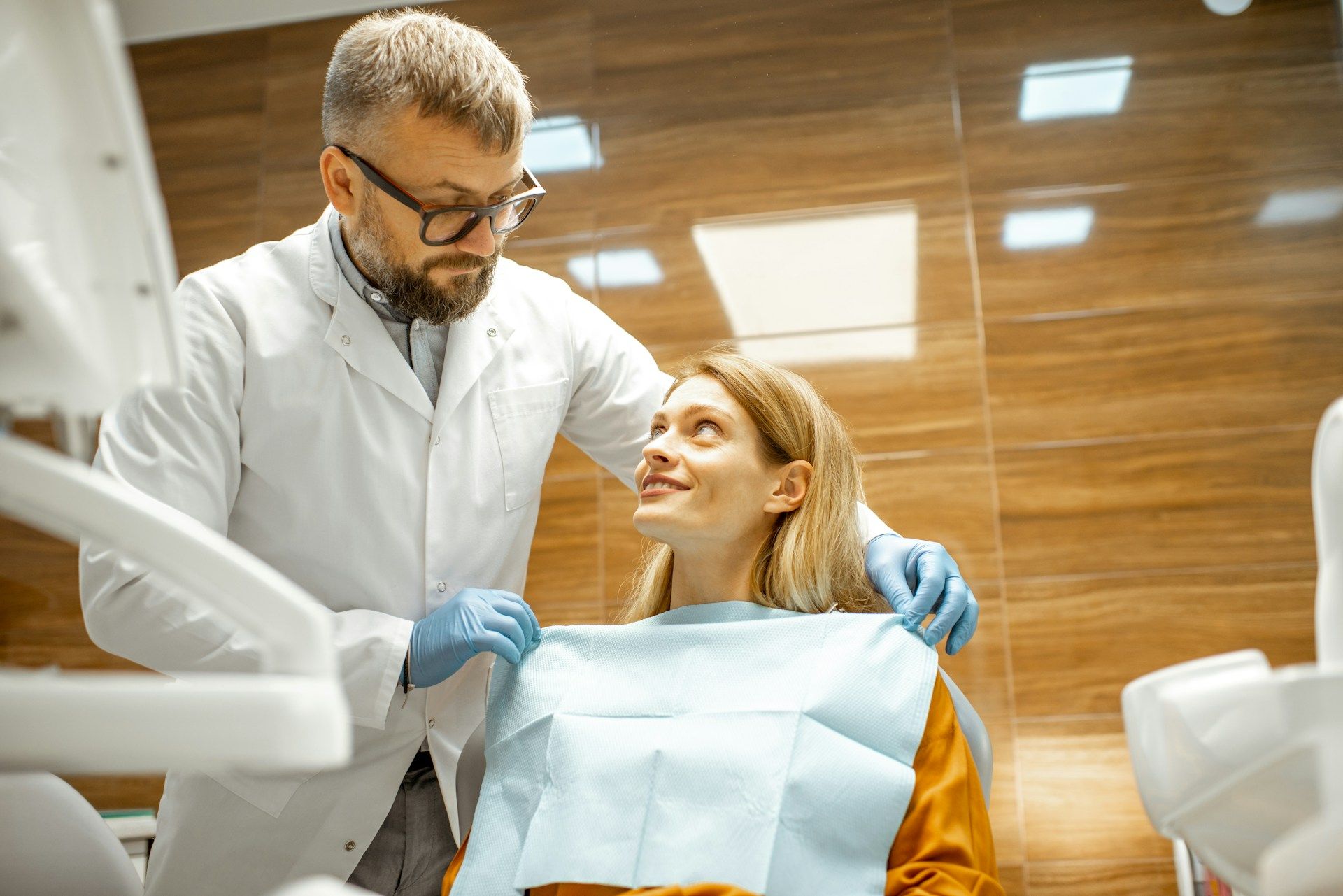
The right time to speak up about your sleep is when something feels off and lasts more than a few nights. Mentioning your sleep habits at a dental or medical visit can be a natural way to start that conversation. Sometimes, symptoms like jaw discomfort, worn teeth, or dry mouth may come up during a checkup, and they can link back to sleep breathing issues.
If you don’t notice problems yourself, someone close to you might. Partners or family members often spot snoring, loud breathing, or gasping that you may not realize is happening. Bringing those observations into the discussion helps paint a more complete picture.
There’s no need to wait for something to get worse. Feeling tired every day, struggling to focus, or waking up feeling unrested aren’t things you have to live with. The sooner you ask questions, the sooner you get answers, and better rest.
Time to Stop Guessing and Start Sleeping Better
Sleep apnea can sneak by quietly, hiding behind everyday feelings like tiredness or mood swings. Because it shows up in small and scattered ways, people often go a long time before realizing what’s happening. That's why it's so important to pay attention to sleep patterns and how you feel during the day.
A sleep apnea screening can make a big difference. It's one of the most helpful steps to understand what's really going on, especially when the signs aren’t obvious. By noticing small changes and choosing to ask about them, you give yourself the best shot at better, healthier sleep.
Noticing that your sleep may not be as restful as it should be can be concerning. Many people overlook early clues because symptoms seem minor or develop slowly over time. A simple step like a
sleep apnea screening can help clarify issues like fatigue, snoring, or restlessness at night. At Great Sleep Dental, we are here to help you find answers and regain the energy you deserve. Ready to address your sleep concerns? Contact us.