Why Treating Mild Sleep Apnea Matters More Than You Think
Snoring a little now and then may not seem like a big deal. Waking up tired or needing an extra cup of coffee might just feel like part of a normal routine. But sometimes, those small signs point to something deeper: mild sleep apnea.
Mild sleep apnea doesn’t always get the attention it needs. It can slip under the radar and get brushed off as simple restlessness. Even when the symptoms seem minor, they can still impact how we feel, focus, and function each day. Taking small sleep problems seriously early on can really help in the long run. The right treatment for obstructive sleep apnea doesn’t have to be overwhelming, and getting started sooner can make a quiet but steady difference. At Great Sleep Dental near Boston, Massachusetts, we often help people with mild to moderate obstructive sleep apnea improve their sleep using custom oral appliance therapy as a comfortable alternative to CPAP.
Why Mild Sleep Apnea Is Often Missed
Mild sleep apnea isn’t always obvious. Many of us write off snoring, daytime yawns, or restless nights as stress or age creeping in. It’s easy to think, "Well, I didn’t sleep great, but that’s just how it is."
The trouble is, these signs often go unnoticed or get chalked up to a busy schedule. People may blame their mattress or shift their sleep schedule, never realizing there’s a real pattern to the problem. When small pauses in breathing during sleep happen, the body gets less oxygen, even if it’s just for short moments at a time.
If nothing is done, sleep quality can go downhill little by little. What starts as feeling slightly groggy can turn into full days of low energy. That's why paying attention to mild sleep concerns early on can be such a smart move.
Mild sleep apnea can be overlooked because many people are not aware of the warning signs. Sometimes, these signs blend in with everyday tiredness and are dismissed as just being busy or stressed. People often confuse mild symptoms of sleep apnea with regular sleepiness, thinking they just stayed up too late or have work stress. Without knowing to look for a pattern, they might ignore what is actually their body calling for better rest. Since the symptoms are not always obvious or dramatic, it becomes easy to stop noticing how tired or unfocused you feel over time.
Another reason mild sleep apnea is missed is that people sometimes adjust their routines and habits to cope with low energy or tiredness. They drink more caffeine, go to bed earlier, or nap during the day but don't realize a sleep disorder could be at the root of these changes. Instead of improving, sleep quality might keep dropping bit by bit. This ongoing cycle makes it harder for people to connect their problems with mild sleep apnea, so the issue gets pushed to the background.
How Mild Sleep Apnea Affects Daily Life
When sleep is broken up, even in small bursts, the pieces add up. The mind and body need steady rest to recover. Without it, some common things can start happening:
• Mornings feel sluggish, and it can take longer than usual to fully wake up
• Focus slips during the day, especially in quiet or low-stimulation moments
• Mood can swing more easily, with short tempers or low patience
• Energy drains quickly, even after a full night in bed
These are the kinds of effects people often don’t link directly to sleep, but when breathing gaps are part of the night, restful sleep becomes harder to get. Over time, it can affect how people interact with others or manage responsibilities at work or home.
Relationships sometimes feel strained, even from low energy or irritability that traces back to poor sleep. The signs may feel small or familiar, but that doesn’t mean they’re harmless.
People might find they start missing deadlines at work or forget simple things at home. Suddenly, small mistakes or missteps seem to happen more often. Daily activities that were once automatic, like remembering a friend's birthday or following a recipe, may feel tricky or confusing. Even hobbies or favorite pastimes may seem less enjoyable, simply because the energy and drive are not there.
Another everyday effect is a change in how people manage stress or pressure. With less restful sleep, challenges can grow bigger and more frustrating. It's tougher to bounce back from setbacks or deal with tough moments, causing stress levels to build up and take a bigger toll. Sometimes, people even avoid social events or gatherings, not because they want to, but just because they're too tired to take part. This cycle of tiredness and stress can slowly affect confidence and enthusiasm for daily life.
Other family members or roommates may also notice louder snoring or more restless nights, which could disrupt their own sleep too. Living in a household where several people don’t get good rest can lead to extra tension or less patience for each other. These patterns might build slowly over time but can be traced back to sleep quality.
Treatment Options Beyond the CPAP Machine
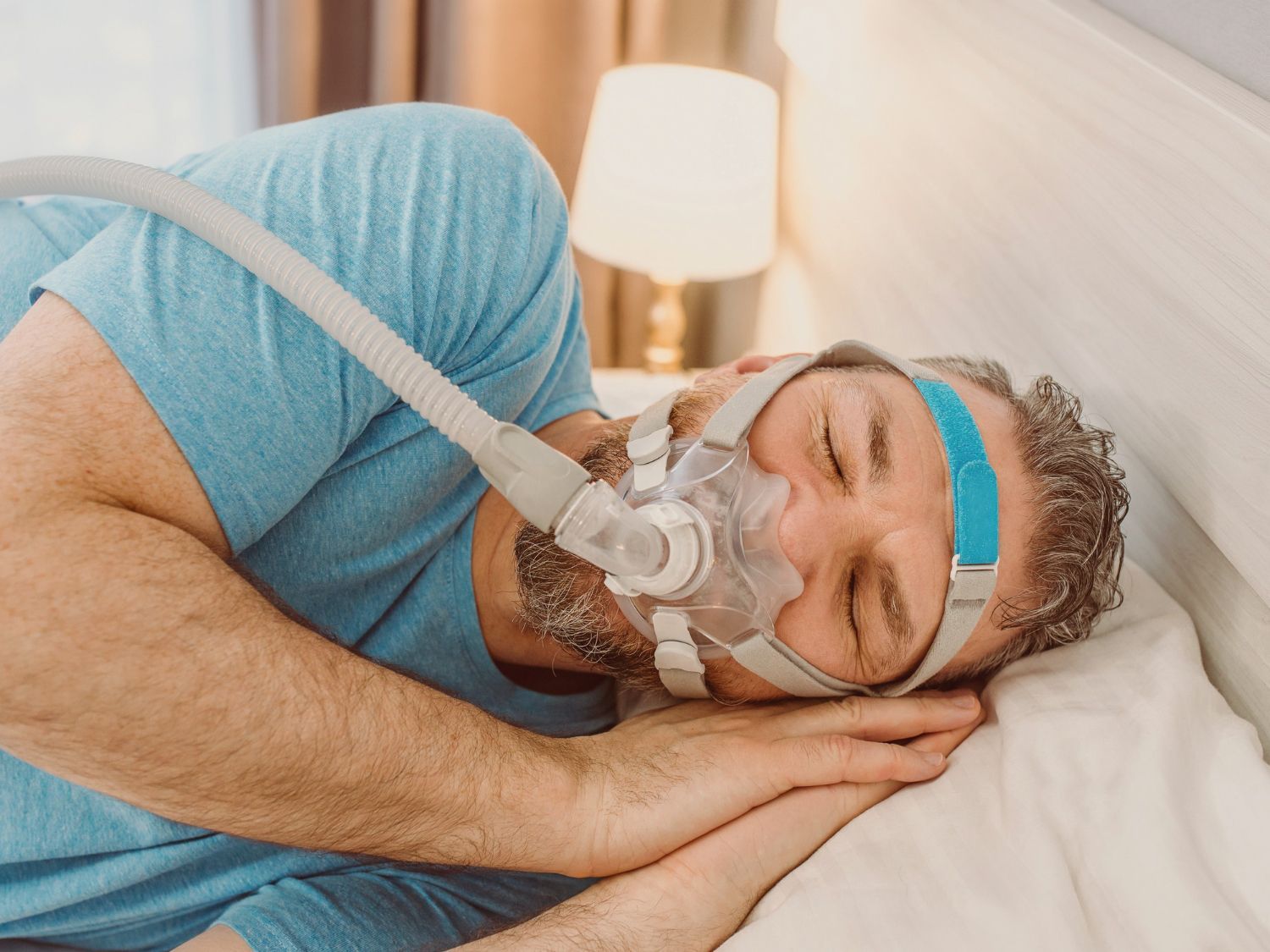
CPAP machines are well-known, but not everyone finds them easy to use. For people with mild sleep apnea, the idea of wearing a mask every night might feel like too much. Luckily, there are other ways to handle sleep interruptions.
One option that’s growing in popularity is oral appliance therapy. These devices are shaped to gently adjust the position of the lower jaw or tongue to help keep the airway open. They’re usually custom-made to fit comfortably without being bulky or loud. At our office, these oral appliances are custom-fitted from a 3D scan of your mouth, are FDA-approved for treating obstructive sleep apnea, and are often covered by medical insurance.
Here’s what makes these treatments appealing:
• They’re small and easy to travel with
• No tubes, noise, or power cords are needed
• They’re simpler to clean and maintain than other equipment
• They offer a quiet approach to improving nighttime breathing
Everyone’s mouth and airway are different, so finding the right solution often starts with a provider who understands the full connection between dental structure and breathing. With the right setup, many people find they can finally get through the night without waking themselves up. We often use convenient home sleep tests before and after treatment to see how well breathing improves with an oral appliance and to fine-tune the device when needed.
Because oral appliances are custom-fitted, they can be adjusted for comfort and effectiveness. Most people report that they are lightweight and do not feel bothersome after getting used to them. Having a device that does not require ongoing adjustments, water tanks, or nightly fuss can simplify a person’s evening routine. People who travel for work or fun find that these small devices easily tuck into an overnight bag, allowing them to keep up with their treatment without interrupting their plans.
Trying different treatment options under a professional’s care is the safest way to find what works best for your body and health needs. With more choices than ever, people with mild sleep apnea do not have to feel limited in their search for better rest. Oral appliance therapy brings both flexibility and a quiet, low-key approach to supporting nightly breathing, making it a strong option when CPAP feels like too much.
What Happens if You Ignore Mild Sleep Apnea?
It’s easy to hope the problem will go away. But most of the time, sleep apnea doesn’t just disappear, even in its milder form, it tends to linger. And slowly, it can become worse.
Leaving mild sleep apnea unchecked can lead to:
• More frequent waking at night
• More intense snoring that disrupts sleep for partners
• Ongoing tiredness that affects mood, memory, and motivation
• Extra pressure on the body that can affect heart health or metabolism
• Added wear on teeth and jaw muscles from clenching or grinding
What might feel small at first can turn into more serious sleep and health concerns over time. Sleep impacts every part of daily life, from how alert we feel to how well our bodies recover. Ignoring mild symptoms often means the issue grows harder to manage later.
That’s why it’s worth seeing sleep issues, even small ones, as a chance to step in early and support better nights ahead.
Whenever sleep problems are ignored, the body and mind find ways to compensate, which is not always good for long-term health. People might drink extra caffeine to get through the day, only to find they can’t fall asleep at night, starting a cycle of exhaustion. Pressures from long-term tiredness can also add to mood swings or make small setbacks seem overwhelming. Over months or years, untreated mild sleep apnea can lead to an increased risk of other health problems, making it even more important to notice early signs.
Ignoring sleep apnea also means missing out on waking up with full energy or having a clear mind. Work, family time, and even simple daily tasks grow more difficult as poor sleep adds up. The longer issues continue, the harder it may be to see how much better things could be with some support for healthy sleep.
A Better Night’s Rest Starts with Paying Attention
Most people don’t think of snoring or waking up groggy as a warning sign. But when they happen often, they shouldn’t be brushed aside. Mild sleep apnea tends to slip under the radar, but that doesn’t make its effects any less real.
Getting the right treatment for obstructive sleep apnea doesn’t always mean using machines or making big life changes. It starts with noticing the signs, asking the right questions, and working with someone who listens closely to what’s been going on.
Better sleep isn’t always about sleeping more. Sometimes, it's about breathing better. And when that gets better, so does the way we feel each day.
Noticing signs of poor sleep that don't go away can be frustrating. Many people live with mild symptoms without realizing how they affect energy and well-being. A proper evaluation is the first step toward better sleep and improved daily life. To learn how we help with personalized approaches to managing sleep concerns, explore our
treatment for obstructive sleep apnea. At Great Sleep Dental, we are ready to help you get answers and feel better.