Understanding the Difference Between Snoring and Sleep Apnea
Snoring and sleep apnea can sound similar at first, but they’re not the same thing. While both can affect how well we rest, they have different causes, signs, and risks. Figuring out which one you or someone close to you might have is the first step toward feeling more rested and alert during the day.
Not all snoring points to something serious, but sometimes it’s part of a bigger pattern. When symptoms start to affect everyday life, it’s time to take a closer look. Knowing the difference means you can start looking for the best sleep apnea solutions that match what your body actually needs. At Great Sleep Dental, Dr. Anna Bagdonas, a board-certified professional in dental sleep medicine, uses oral appliance therapy to help patients address both snoring and sleep apnea.
Snoring: What It Is and Why It Happens
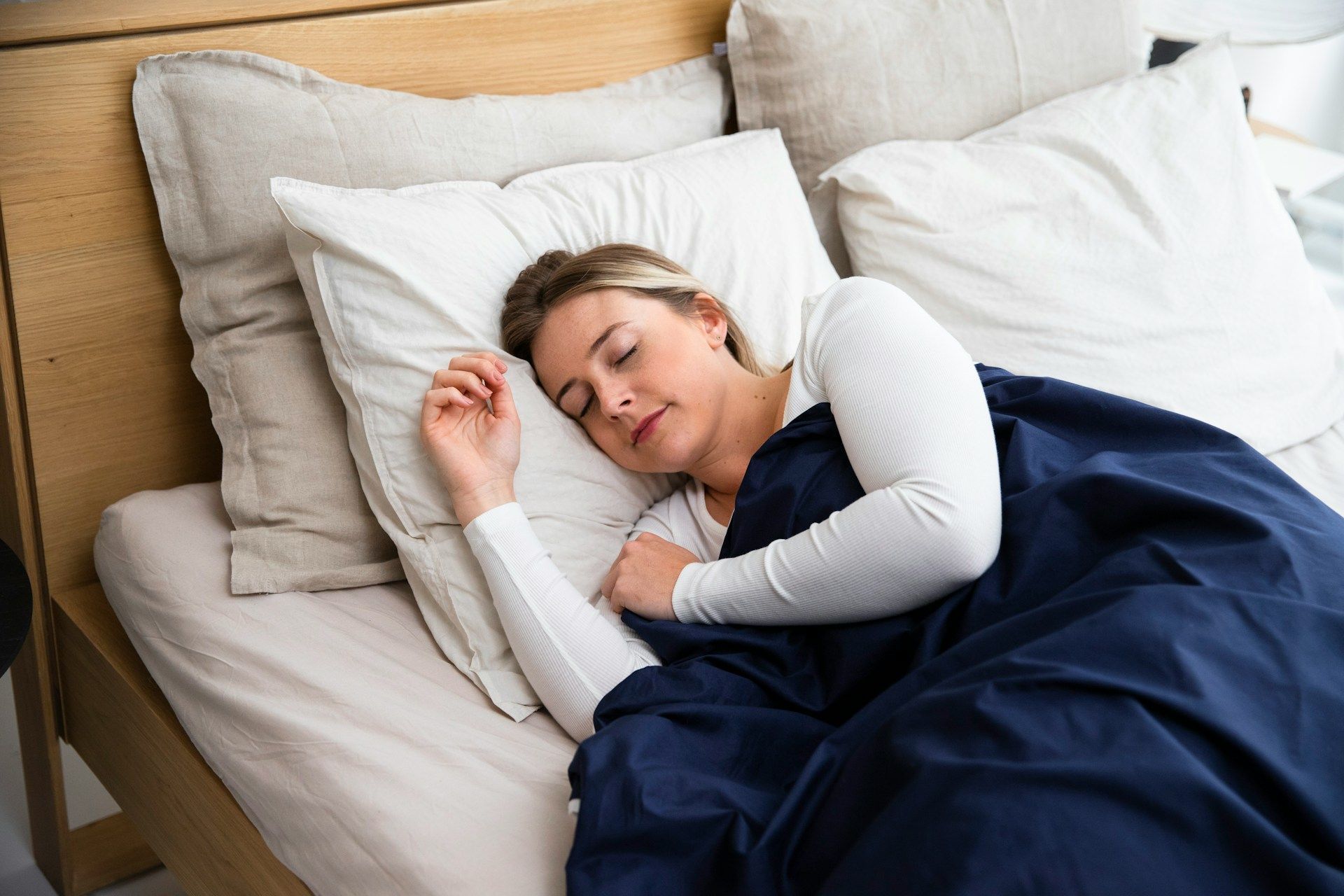
We’ve all heard someone snore, and for many people, it’s just a once-in-a-while thing. But when it happens most nights, it can make sleep harder for both the person snoring and anyone nearby. At its core, snoring is a sound caused by airflow trying to move through a narrowed or blocked airway during sleep.
When muscles in the throat relax too much, they can collapse inward and make the space smaller. That narrowing is what leads to the familiar sound of vibration. Other common causes of snoring include:
• The tongue falling backward and partially blocking the airway
• Nasal congestion that forces mouth breathing
• Sleep position, especially lying on the back
• Alcohol or certain medications that increase muscle relaxation
Most of the time, snoring alone isn’t something to panic about. But if it starts happening most nights, or if it happens alongside other concerning symptoms, it’s worth asking what might be going on beneath the surface.
What Sleep Apnea Looks Like at Night and During the Day
Sleep apnea is a condition where breathing actually stops for short periods during sleep. The airway becomes completely or partially blocked, and the body has to briefly wake up just enough to start breathing again. These pauses can happen many times each night.
Some signs are easy to spot if someone else notices them. These might include:
• Loud snoring followed by gasping or choking sounds
• Breathing that starts and stops repeatedly
• Waking up feeling breathless or disoriented
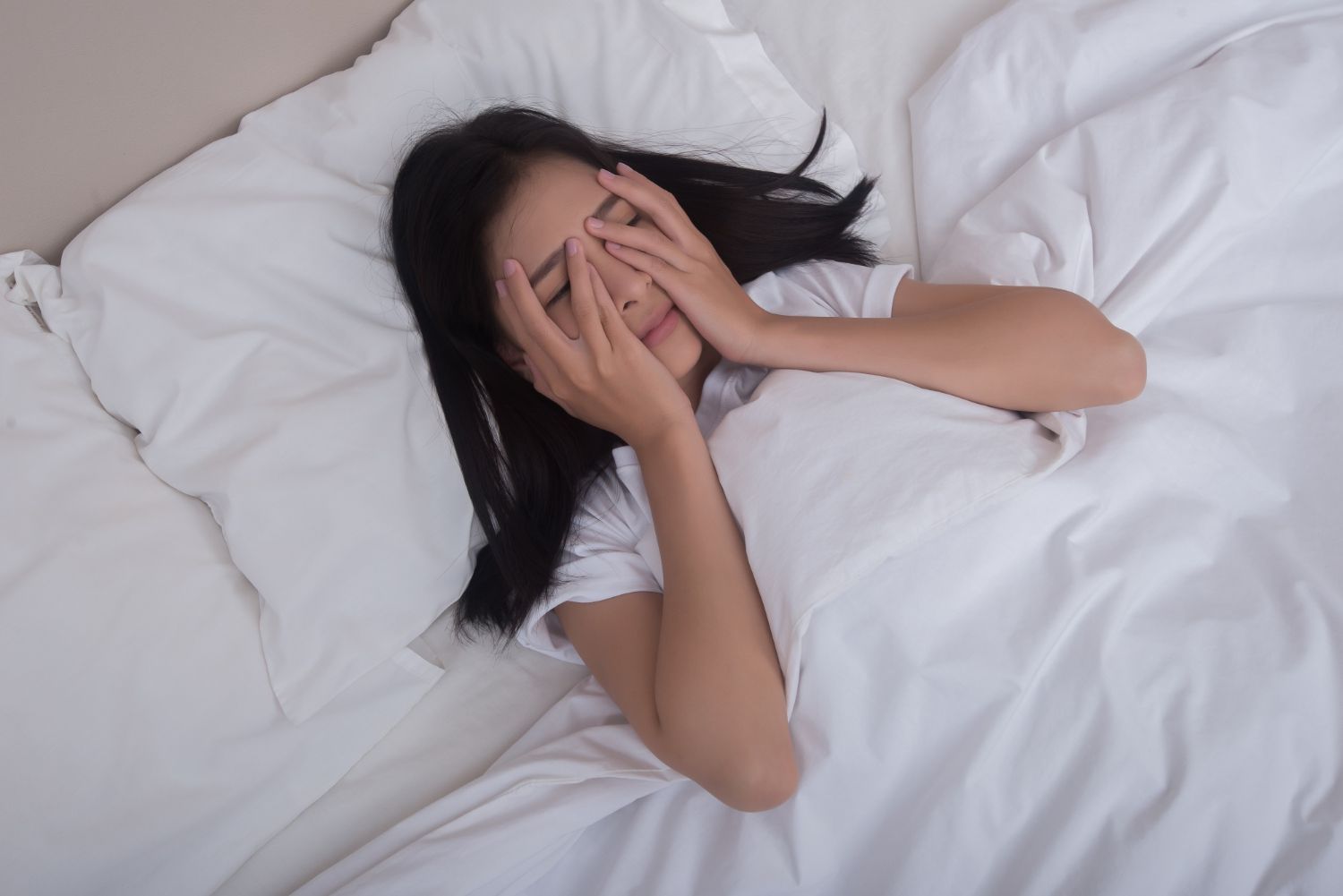
But not all signs happen during sleep. Many people with sleep apnea struggle with feeling worn out even after a full night in bed. They may also experience headaches in the morning, difficulty staying focused, or a need to nap during the day. These signs often build slowly, making it easier to dismiss them as stress or poor sleep habits.
The real concern is that when the body keeps waking to restart breathing, quality sleep becomes hard to find. That constant disruption affects energy, thinking, and even mood. Over time, poor sleep can start to affect nearly every part of daily life.
The Key Differences Between Snoring and Sleep Apnea
While both snoring and sleep apnea involve blocked airflow, the impact on the body is very different. Snoring happens when air moves through a narrow space and causes vibration. It’s usually more of a sound issue than a health concern. Sleep apnea, on the other hand, involves actual breathing stoppages that trigger mini wake-ups again and again throughout the night.
Here’s how to think about the difference:
• Snoring may be loud or frequent, but breathing continues
• Sleep apnea includes breathing pauses that repeatedly interrupt sleep
• Snoring might not cause noticeable daytime fatigue
• Sleep apnea often leaves people exhausted, groggy, or unable to focus
Another key difference is in the long-term effects. Untreated sleep apnea can increase the risk of health problems and lower overall sleep quality. Snoring, unless paired with other symptoms, usually doesn’t carry those same health concerns.
That’s why getting the right diagnosis matters. It can shift the focus from guessing to choosing an approach that matches the real cause.
What to Do If You Suspect a Sleep Disorder
If sleep has started to feel more like struggle than rest, the next step might be talking with someone who understands sleep health. A provider trained in airflow and oral structure can help figure out what’s going on and whether you’re seeing signs of sleep apnea, simple snoring, or something in between.
Many sleep apnea solutions begin with just a few easy steps, like reviewing symptoms or checking how the airway behaves during sleep. From there, options can be built around how your body is shaped and how it responds to nighttime breathing changes.
In some cases, a custom oral device that helps keep the airway open might be part of the plan. These are shaped to fit how your mouth and jaw move during sleep. At Great Sleep Dental near Boston, these oral appliances are custom-fitted from a 3D scan of your mouth and are FDA-approved for treating sleep apnea. For many patients, this process can also include a convenient take-home sleep study kit that records your sleep and breathing patterns in your own bedroom.
What matters most is starting with a true understanding of what kind of sleep disruption you’re dealing with. That baseline can guide the options that follow.
Breathing Easier Starts with the Right Information
Both snoring and sleep apnea affect how air moves through the airway, but the way they play out during the night, and how the body reacts, can be quite different. Snoring might be harmless, or it might be an early sign of something more disruptive. Sleep apnea makes restful sleep harder to find, usually without the person even realizing it.
Knowing the difference helps make smarter choices about what to do next. Whether it’s a change in nightly breathing patterns or struggling to feel alert during the day, paying attention to these signs can make a real difference in how rested and balanced your days feel. Better answers often begin with simply asking the right questions.
At Great Sleep Dental, we understand how much your quality of life can improve when restful nights come easily. Maybe you’ve noticed loud snoring, mornings where you still feel tired, or daytime fatigue that just won’t go away. Exploring your nighttime breathing could be the key to feeling better, and personalized care can truly make a difference. To find real solutions that work for you, start by reading about our
sleep apnea solutions. If you have questions or feel ready to move forward, reach out to us today.