Why Do I Keep Waking Up Gasping for Air at Night?

Waking up gasping for air can feel jarring. It pulls you out of sleep suddenly, leaving you confused and maybe even a little anxious. At Great Sleep Dental near Boston, Dr. Anna Bagdonas focuses on helping people with sleep apnea and snoring, so waking up gasping for air is a concern she hears about often. If you keep waking up gasping for air at night, it’s normal to wonder what’s causing it. Many people don’t realize that this nighttime experience can be linked to sleep apnea, a common condition affecting how you breathe while you sleep.
There are several reasons a person might wake up this way. Some are tied to the body’s natural reactions, while others point to deeper issues that need attention. The good news is that there are sleep apnea solutions that can help people breathe better and rest more peacefully. Let’s break it down step by step so you can get a clearer picture of what might be going on.
What Happens When You Gasp for Air at Night?
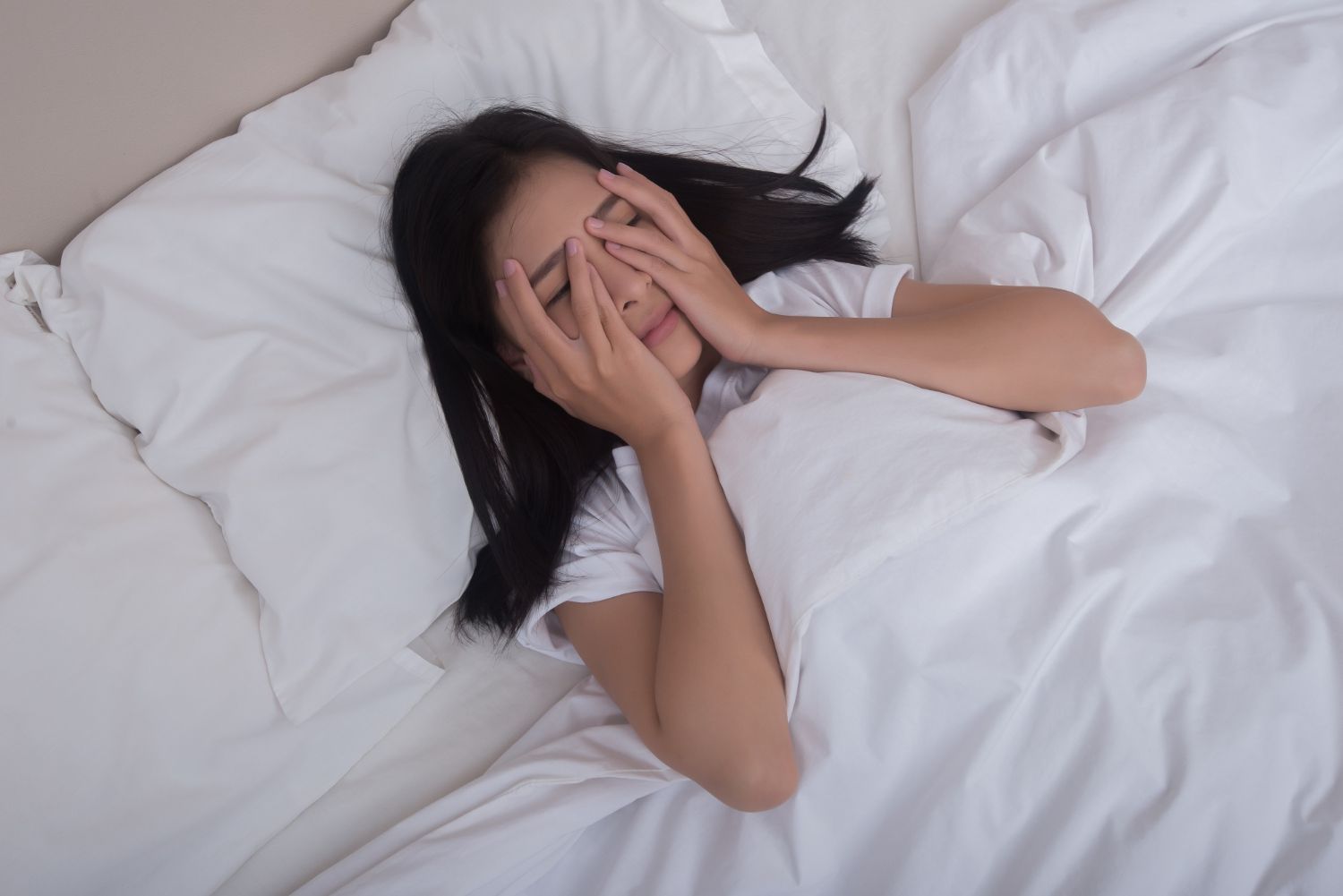
When you suddenly wake up struggling to catch your breath, your body is reacting to a drop in airflow. During sleep, especially during deeper stages, the muscles around your throat can relax. If those muscles relax too much, the airway narrows or collapses. This can cause short pauses in breathing, followed by a quick gasp that wakes you up.
You might not always remember these episodes, either. Some people go right back to sleep after a brief wake-up without realizing what just happened. But over time, these small interruptions can take a real toll, making you feel drained or foggy the next day without knowing why.
Here’s what’s likely happening during one of these episodes:
• Breathing slows or stops for a few seconds while asleep.
• Oxygen levels drop slightly, triggering a signal to your brain.
• The brain responds by briefly waking you up so you can breathe normally again.
• You might wake up gasping or coughing, trying to get air back in your lungs.
These events can happen a few times a night or many times without being noticed. When they become frequent, they often point to an underlying sleep-related issue.
Could It Be a Sign of Sleep Apnea?
Sleep apnea is a condition where a person’s breathing repeatedly stops and starts while they sleep. This can lead to poor-quality rest and long-term health effects if not addressed. One of the key signs is waking up gasping or choking, especially if it happens more than once a night.
Here are other signs that suggest sleep apnea might be playing a role:
• Loud snoring that happens nearly every night
• Feeling very tired during the day, even after what seems like a full night’s sleep
• Morning headaches or dry mouth
• Trouble staying asleep or waking up often for no clear reason
In some cases, people only find out about their symptoms because a partner notices snoring or breathing pauses during the night. But even if you sleep alone, waking up gasping could be your body’s way of alerting you to a problem.
These signs often appear together, and they usually stick around rather than disappearing on their own. If that sounds familiar, it may be time to look into sleep apnea solutions and speak with a professional for a closer look.
Other Possible Causes to Rule Out
While sleep apnea is a strong candidate, it’s not the only reason someone might wake up gasping. It’s smart to think through other possibilities too, especially when symptoms are inconsistent or come and go.
Some of the other causes to consider include:
• Nighttime anxiety or panic episodes, where the body reacts with shortness of breath or a racing heart
• Acid reflux, especially when lying down, which can trigger a burning feeling or cause stomach acid to reach the throat
• Nasal blockages or allergies that make normal breathing more difficult during sleep
These issues can lead to disrupted sleep or even mimic signs of sleep apnea, which can make things more confusing. That’s one reason it helps to have a trained eye involved. A sleep-focused provider can help figure out if it's really sleep apnea or something else going on and guide you toward the right fix.
How Sleep Apnea Solutions Make a Difference
The key to better sleep often lies in finding the right way to keep your airway open. With sleep apnea, the body needs a little support to keep air moving normally through the night, and that’s where treatment comes in.
There are several ways to manage sleep apnea. One approach that’s grown in popularity is oral appliance therapy. At this practice, oral appliances are custom-fitted from a 3D scan of your mouth and are FDA-approved for the treatment of sleep apnea. These small, custom devices fit in the mouth and gently shift the lower jaw forward to help keep the airway open. For many people, this setup can feel easier to wear and maintain than traditional machines.
Here’s how treatments like this can help:
• They hold the jaw or tongue in a way that keeps throat muscles from relaxing too much.
• They reduce or even prevent breathing pauses during sleep.
• They allow for quieter nights with fewer gasping or choking episodes.
Finding the right fit is important, too. These devices aren't one-size-fits-all. Getting a version made to match the shape of your mouth can mean better results and more comfort, which encourages regular use over time.
When to Get Help from a Professional
If you’re noticing gasping episodes, low energy, or other odd sleep patterns, it’s a good idea to check in with someone who specializes in sleep. Even subtle symptoms can point to bigger patterns that are easy to miss on your own.
Here’s when to consider reaching out:
• Gasping or choking wakes you up multiple times a week
• You snore often and feel tired during the day
• You’ve been told your breathing stops while you sleep
• You wake up with a headache or dry throat often
A home sleep study is sometimes the starting place. It lets you sleep in your own bed while collecting information about how you breathe and rest at night. That info helps guide the next steps, showing whether sleep apnea treatment might help.
Trying to guess or self-manage this kind of sleep issue can be frustrating. If something feels off, it usually is. Getting a clear answer is the first step in finding real relief.
Rest Easy Knowing You Have Answers
Waking up gasping at night can feel scary, especially when it happens more than once. But the cause is often something that can be figured out. From sleep apnea to other, more minor issues, there are explanations to explore.
The most important thing is not to ignore how your nights are going. Good sleep shouldn’t come with sudden gasps, choked breaths, or confusion. With the right kind of support, restful sleep is possible again. And peace of mind often follows close behind.
Waking up gasping can signal something more serious about your sleep, and understanding what's happening is the first step toward better rest. We've guided many people through these concerns, helping them find answers and relief.
To explore whether conditions like sleep apnea could be involved, take a look at our
sleep apnea solutions. The sooner you reach out, the sooner our team at Great Sleep Dental can help you rest easier, contact us to schedule your consultation today.