How Dental Solutions Can Help You Stop Snoring for Good

Snoring is often treated as a late-night nuisance or the punchline of a joke. However, for the person snoring and anyone within earshot, it's anything but funny. That familiar, disruptive sound is more than just an annoyance; it can be a sign that your body is struggling to breathe properly during sleep. While many people try various remedies, from nasal strips to changing sleep positions, a lasting solution might be found in an unexpected place: your dentist's office.
Many don't realize that the structure of their mouth and jaw plays a critical role in maintaining an open airway at night. When this structure contributes to airway obstruction, snoring is often the result. Fortunately, modern dentistry offers effective, non-invasive treatments that can help you stop snoring. This article will explore the mechanics of snoring, its connection to your oral health, and how specialized dental solutions can provide the quiet, restful sleep you and your partner deserve.
Understanding Why You Snore
At its core, snoring is the sound produced by vibrating tissues in the back of your throat. When you fall asleep, the muscles in your mouth, tongue, and throat naturally relax. For some people, these tissues can relax too much, partially blocking the airway. As air tries to squeeze through this narrowed passage, it causes the surrounding soft tissues, like the soft palate and uvula, to vibrate, creating the noise we identify as snoring.
Several factors can contribute to this airway obstruction:
Anatomy: The natural shape of your mouth, a large tongue, or a thick soft palate can make you more prone to snoring.
Nasal Congestion: Allergies or a cold can block nasal passages, forcing you to breathe through your mouth and increasing the likelihood of snoring.
Alcohol and Sedatives: These substances cause further relaxation of the throat muscles, worsening airway collapse.
Sleep Position: Sleeping on your back often causes the tongue to fall backward into the throat, narrowing the airway.
Excess Weight: Extra tissue around the neck can put pressure on the airway, constricting it during sleep.
While occasional, light snoring is common, loud and chronic snoring can signal a more serious underlying condition.
The Critical Link Between Snoring and Sleep Apnea
For many, persistent snoring is the most prominent symptom of Obstructive Sleep Apnea (OSA). This is a serious sleep disorder where breathing repeatedly stops and starts throughout the night. These pauses, called apneas, occur when the airway becomes completely blocked, cutting off oxygen flow for ten seconds or longer.
When the brain senses a drop in oxygen, it sends a panic signal to momentarily wake you up just enough to reopen your airway, often with a loud gasp or snort. These episodes can happen hundreds of time per night, preventing you from ever reaching the deep, restorative stages of sleep. The result is not just daytime fatigue but also a significant strain on your cardiovascular system.
If your snoring is accompanied by symptoms like excessive daytime sleepiness, morning headaches, waking up gasping for air, or difficulty concentrating, it's crucial to seek a professional evaluation from Dr. Annisya Bagdonas at Great Sleep Dental. Ignoring these signs can increase your risk of high blood pressure, heart disease, stroke, and other serious health problems. This is where a dental professional like Dr. Annisya Bagdona come in. They are trained in sleep medicine can provide valuable insight and effective sleep apnea treatment.
Dental Appliances for Snoring: A Targeted Solution
How can Dr. Annisya Bagdonas help with your breathing problem? The answer lies in addressing the structural cause of the obstruction. While CPAP (Continuous Positive Airway Pressure) machines are a common treatment for severe sleep apnea, many people with mild to moderate OSA or primary snoring find them cumbersome. A comfortable and highly effective alternative is a custom-made oral appliance.
These dental appliances for snoring, also known as Mandibular Advancement Devices (MADs), look similar to a sports mouthguard. You wear the device only while you sleep. It works by gently repositioning your lower jaw slightly forward and down. This simple adjustment has a powerful effect:
It Opens the Airway - By moving the jaw forward, the device also pulls the base of the tongue and soft tissues away from the back of the throat, creating more space for air to pass through freely.
It Prevents Tissue Vibration - With an open and stable airway, the vibrations that cause snoring are significantly reduced or eliminated entirely.
It Stabilizes the Jaw and Tongue - The appliance keeps the jaw and tongue in a proper position throughout the night, preventing them from collapsing backward during muscle relaxation.
Unlike over-the-counter boil-and-bite guards, a professional oral appliance is custom-fabricated from digital impressions of your teeth. This ensures a precise, comfortable fit that won't slip during the night or cause jaw pain. A dentist specializing in sleep medicine will carefully calibrate the device to the exact advancement needed to effectively open your airway without causing discomfort.
The Benefits of Choosing a Dental Solution to Stop Snoring
For individuals who are good candidates, oral appliance therapy offers numerous advantages over other snoring solutions:
Comfort and Ease of Use - The devices are small, lightweight, and custom-fitted, making them much more comfortable for many users than a CPAP mask and hose.
Portability - Oral appliances are easy to pack and carry, making travel simple. There’s no machine, no electricity needed, and no distilled water to worry about.
Non-Invasive - This is a simple, non-surgical approach to managing snoring and mild to moderate sleep apnea.
High Success Rate - Studies have shown that for the right patients, oral appliances are highly effective at reducing or eliminating snoring and improving sleep quality.
Silent Operation - Unlike CPAP machines that can produce a low hum, oral appliances work silently, ensuring a quiet night for both you and your partner.
Is an Oral Appliance Right for You?
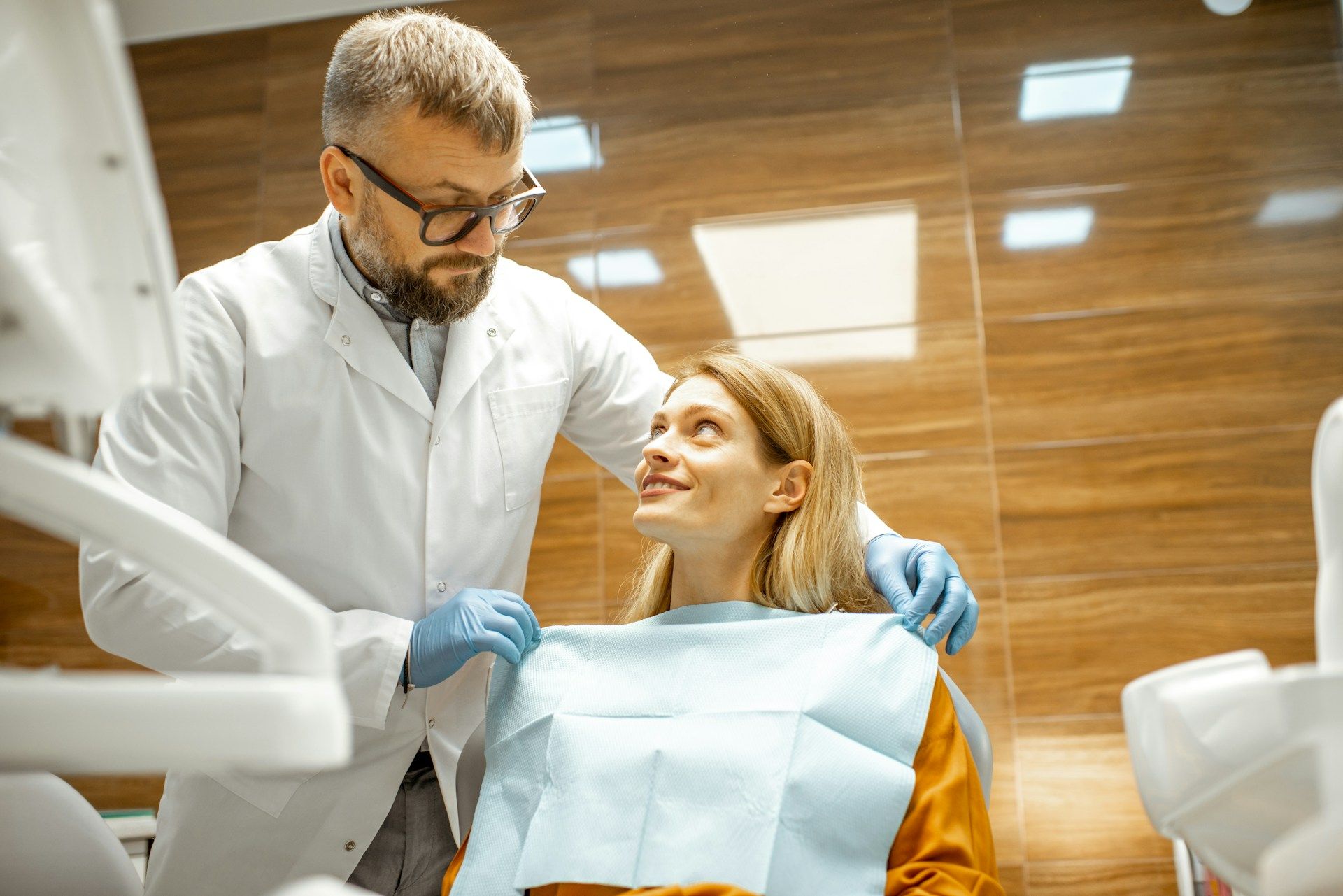
If you are tired of snoring disrupting your sleep and are looking for a proven solution, a dental appliance could be the answer. The first step is a comprehensive consultation with a dental professional who has expertise in sleep-disordered breathing.
During your visit, the dentist will perform a thorough examination of your teeth, jaw, tongue, and airway. They may also work with your physician or a sleep specialist to review your sleep history and determine if you are a candidate for a sleep study to rule out or diagnose sleep apnea. This collaborative approach ensures you receive the most appropriate and effective treatment for your specific needs.
Take the First Step Towards Better Sleep
Your journey to a snore-free life begins with understanding your options. At Great Sleep Dental, we specialize in providing custom dental solutions to help patients stop snoring and treat sleep apnea effectively. Let us help you and your loved ones get the quality sleep you deserve.
Ready to explore a lasting solution for your snoring?
Contact Great Sleep Dental today to schedule your consultation.