A Beginner’s Guide to Sleep Diagnostics and Testing
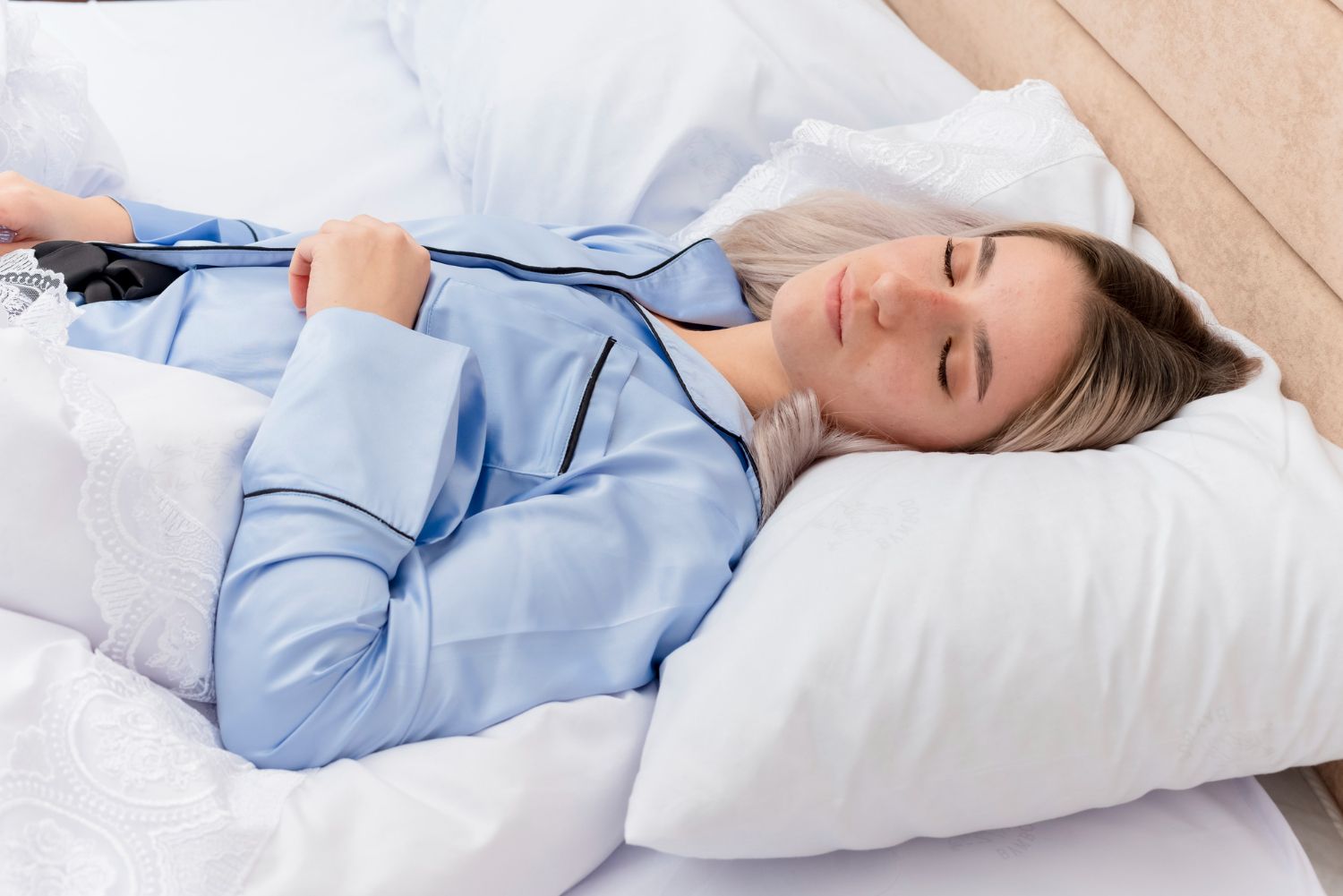
Getting better sleep sometimes starts with asking the right questions. Why do I still feel tired in the morning? Why do I wake up so often at night? That’s where sleep diagnostics can come in. These tests help figure out what’s going on beneath the surface when sleep doesn’t feel like rest anymore. They look at how your body behaves while you sleep, which can uncover signs of sleep apnea, snoring issues, or other disturbances that don’t go away on their own.
Once we know what’s happening, real change starts to feel possible. At Great Sleep Dental in the Boston area, Dr. Anna Bagdonas uses sleep testing as part of a custom oral appliance approach for people dealing with sleep apnea and snoring.
Sleep testing might sound a little unfamiliar at first, but it’s a helpful tool that many people use to finally understand why sleep feels off. Let’s look at how the whole process works and why it matters.
What Sleep Diagnostics Are and Why They Matter
Sleep diagnostics means checking how your body works while you're asleep. That might include breathing, heart rate, how many times you wake up, and if your body moves too much or stops moving when it shouldn’t. These small details often don’t get noticed while you're awake, but they can explain a lot about how restful your sleep really is.
Many types of sleep problems show up quietly. You might not know that your breathing pauses throughout the night or that your sleep is broken into short chunks. Even loud snoring sometimes points to something more serious. Here’s what sleep testing can help detect:
- Obstructive sleep apnea, which happens when airways get blocked during sleep
- Central sleep apnea, where the brain doesn't send the right signals to keep breathing steady
- Restless sleep, which may leave a person tossing and turning without realizing it
The goal of sleep diagnostics isn’t just to point out problems. It’s to find the cause so it can be treated the right way. Once people understand what their sleep actually looks like, everything from focus to mood to energy often starts to improve.
Common Reasons Someone Gets a Sleep Test
People don’t always connect their day symptoms to how they’re sleeping. But when the puzzle pieces start to line up, a sleep test makes more sense. These are a few common signs that often lead someone to take that next step:
- Waking up still feeling drained, even when sleep lasts more than seven hours
- Loud snoring or gasping during the night, often noticed by another person
- Trouble staying asleep, or waking up several times without remembering why
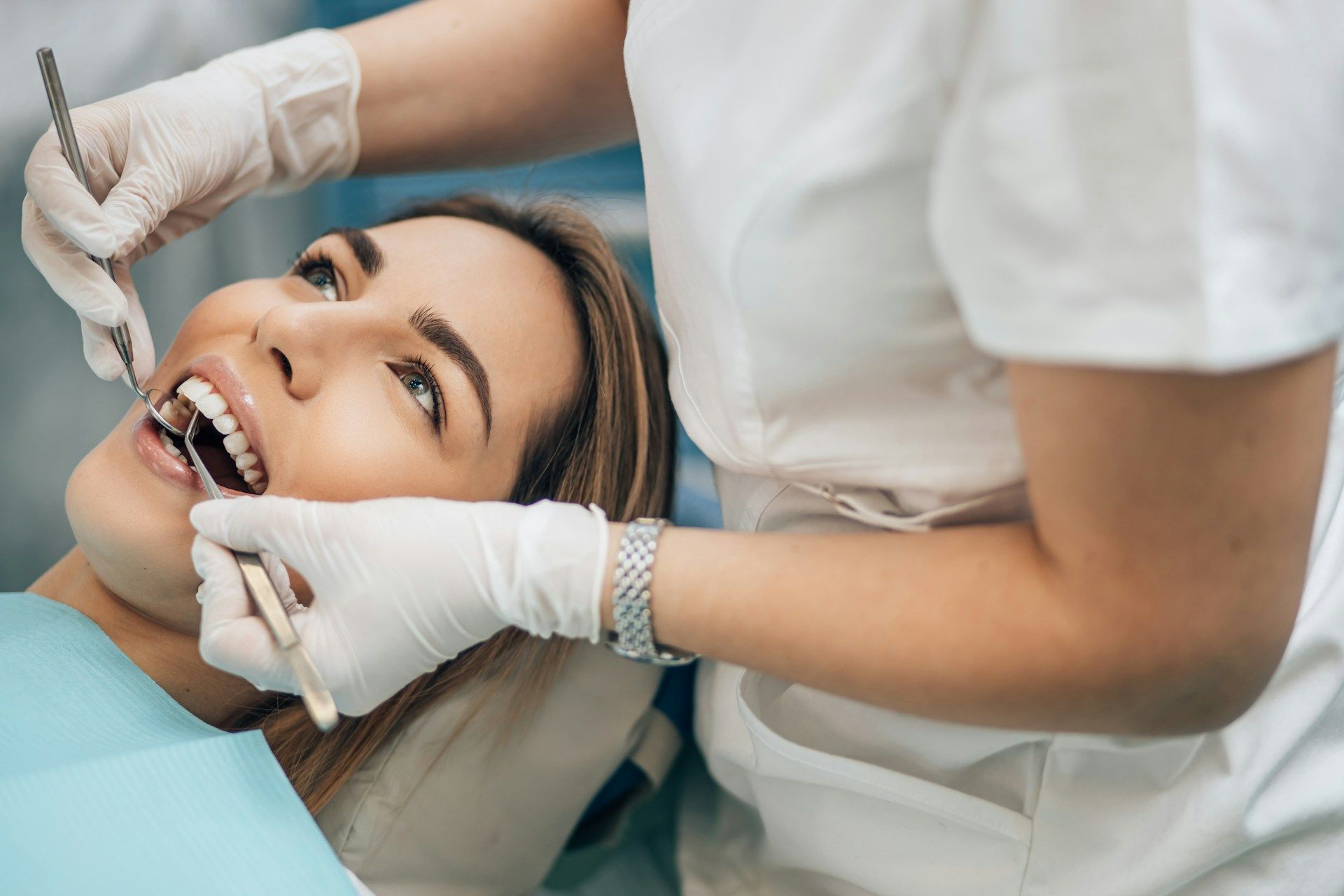
Dentists and doctors might suggest a sleep study if they notice something concerning during a routine visit or checkup. For example, worn teeth from grinding at night or a small airway could be early red flags. More and more, people are learning that sleep disorders don’t always come from stress or habit. There’s often a physical reason behind them, and the only way to find it is by actually watching the body at rest.
What to Expect During a Sleep Test
A sleep study doesn’t have to feel like a big event. These tests are made to be as simple and comfortable as possible. The process might happen in a special sleep lab, or some people might qualify for an at-home setup. Each option works a little differently, but both aim to collect the same kinds of information.
Here’s what to expect from both types:
- In-lab tests have a person sleep overnight in a quiet room, with sensors placed on the skin to track body activity. Someone monitors the signals from another room without waking the sleeper.
- At-home tests use a small kit that's worn during sleep. It might include a finger clip to track oxygen, a belt to check breathing, and a monitor for airflow around the nose and mouth.
None of these tools are painful, and they aren’t made to interrupt your night in any way. They simply observe what your body does when it’s trying to rest. Many people are surprised by how much can be learned without doing anything different.
Understanding the Results and Next Steps
Once testing is done, the information it gives is clear and useful. The results show patterns like how many times your breathing paused, whether your oxygen dropped too low, or how often your sleep got interrupted. Some reports may even break your sleep into different stages and show how long you stayed in each one.
The results act like a roadmap. With that data, healthcare providers can figure out what kind of care or follow-up makes the most sense. What works best depends on what the root problem is and how serious it’s become. Some people respond well with small changes or simple tools. Others need more structure and guidance.
If the test shows that breathing pauses are frequent or oxygen drops often, that could point to a sleep-related breathing disorder. If restless leg movements or frequent waking are the standout problem, that might suggest a different focus. The important part is that now there's something real to work from instead of guessing.
Another benefit is that people often feel less frustrated once they can see their sleep challenges on paper. Instead of wondering whether tiredness is just a fluke or something bigger, the data helps ground your next steps. It also means future conversations with health providers start from a place of agreement about what’s happening.
Finding the Right Path to Better Sleep
Sleep diagnostics give people a clear picture of what their nights really look like. For anyone who’s been wondering why they don’t wake up feeling refreshed or why tiredness follows them through the day, these tests offer useful answers.
Getting tested shows what’s happening behind the scenes and opens the door to more effective care. What once felt confusing starts to make more sense, and small improvements start to build momentum. Whether someone is just starting to ask questions or already looking for ways to feel better, thinking about how their body sleeps can be the best first move. Better mornings can truly begin at night, and the difference starts with knowing what’s really going on.
At Great Sleep Dental, we understand that knowing your sleep patterns is the first step to more refreshing nights. Many wonder what might be causing their restless sleep, and our expert care along with real tools reveals what is happening during rest that can affect your days. Our simple testing process offers clear answers you can rely on, and our focus on custom oral appliance therapy gives many people an effective alternative to CPAP when appropriate.
Learn more about our approach to sleep diagnostics and start moving toward better nights and brighter mornings. Contact us today to take the next step.