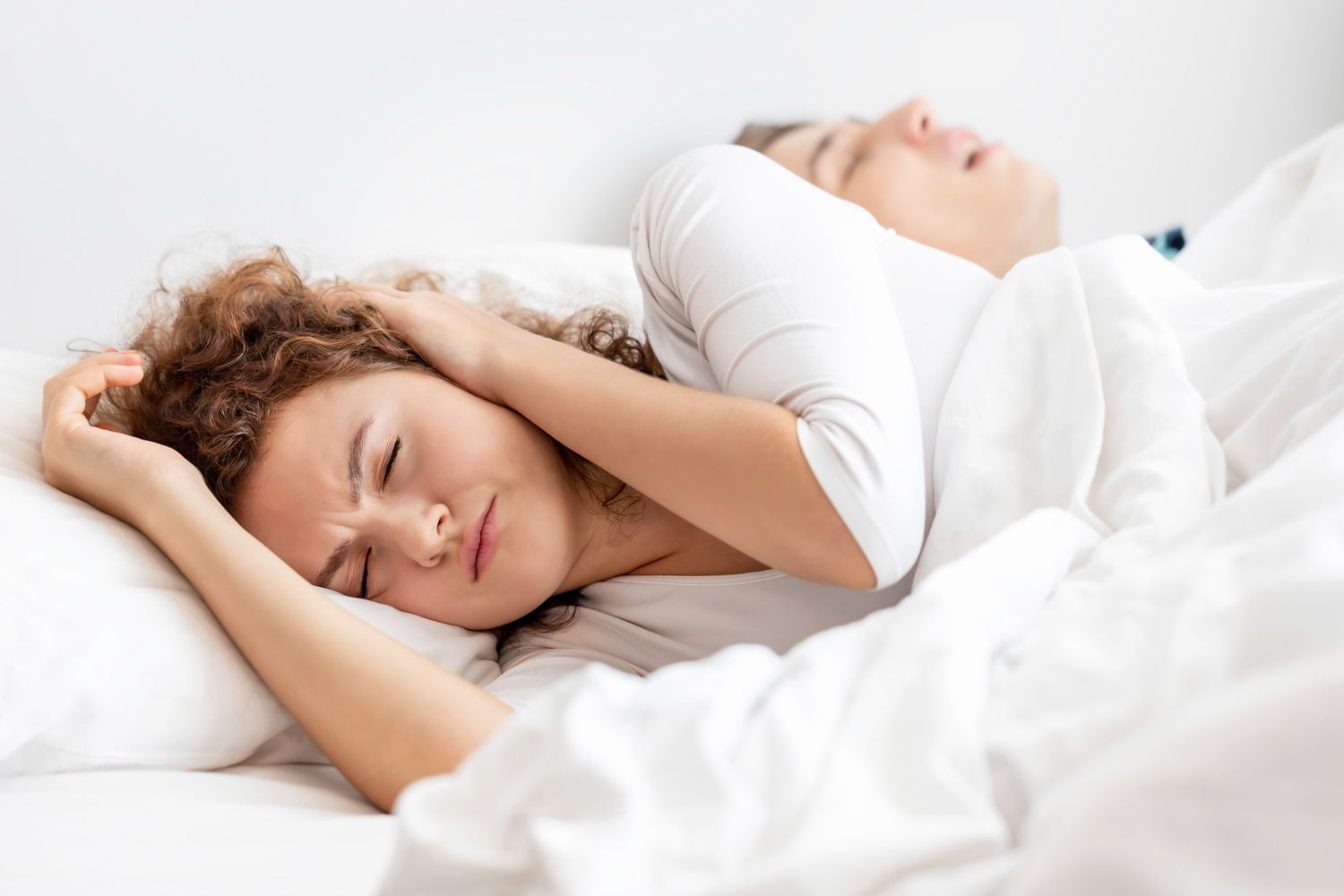
While snoring itself can disturb sleep, it's particularly concerning when it's linked to obstructive sleep apnea (OSA). With OSA, your breathing repeatedly stops and starts throughout the night. This happens because the muscles in your throat relax too much, causing a complete or partial blockage of your airway. Your brain then briefly wakes you up to restart breathing, often without you even realizing it. This constant interruption prevents you from getting the deep, restorative sleep you need.
If you or a loved one snores loudly, wakes up gasping, or feels tired even after a full night's sleep, it's crucial to investigate further. Untreated sleep apnea can have serious health consequences, including an increased risk of high blood pressure, heart problems, and stroke. It can also lead to excessive daytime sleepiness, difficulty concentrating, and even mood changes, including feelings of depression. Many people who feel constantly tired or struggle with their mood might not realize that poor sleep quality due to breathing issues could be a major factor. If you're wondering if your snoring is a sign of sleep apnea, we can help you understand the connection and explore your options.