Silent Snoring: Understanding UARS


Discover Upper Airway Resistance Syndrome (UARS), a "silent snoring" condition that disrupts sleep without loud noises.

When we talk about sleep problems, loud snoring often comes to mind. It's a clear signal that something might be disrupting a good night's rest. But what if you're not a loud snorer, yet you still wake up feeling tired, foggy, or even depressed? This could be a sign of a less commonly discussed condition called Upper Airway Resistance Syndrome, or UARS.

BOOK AN APPOINTMENT

Silent Snoring

Understanding Upper Airway Resistance Syndrome (UARS)


What is Upper Airway Resistance Syndrome (UARS)?

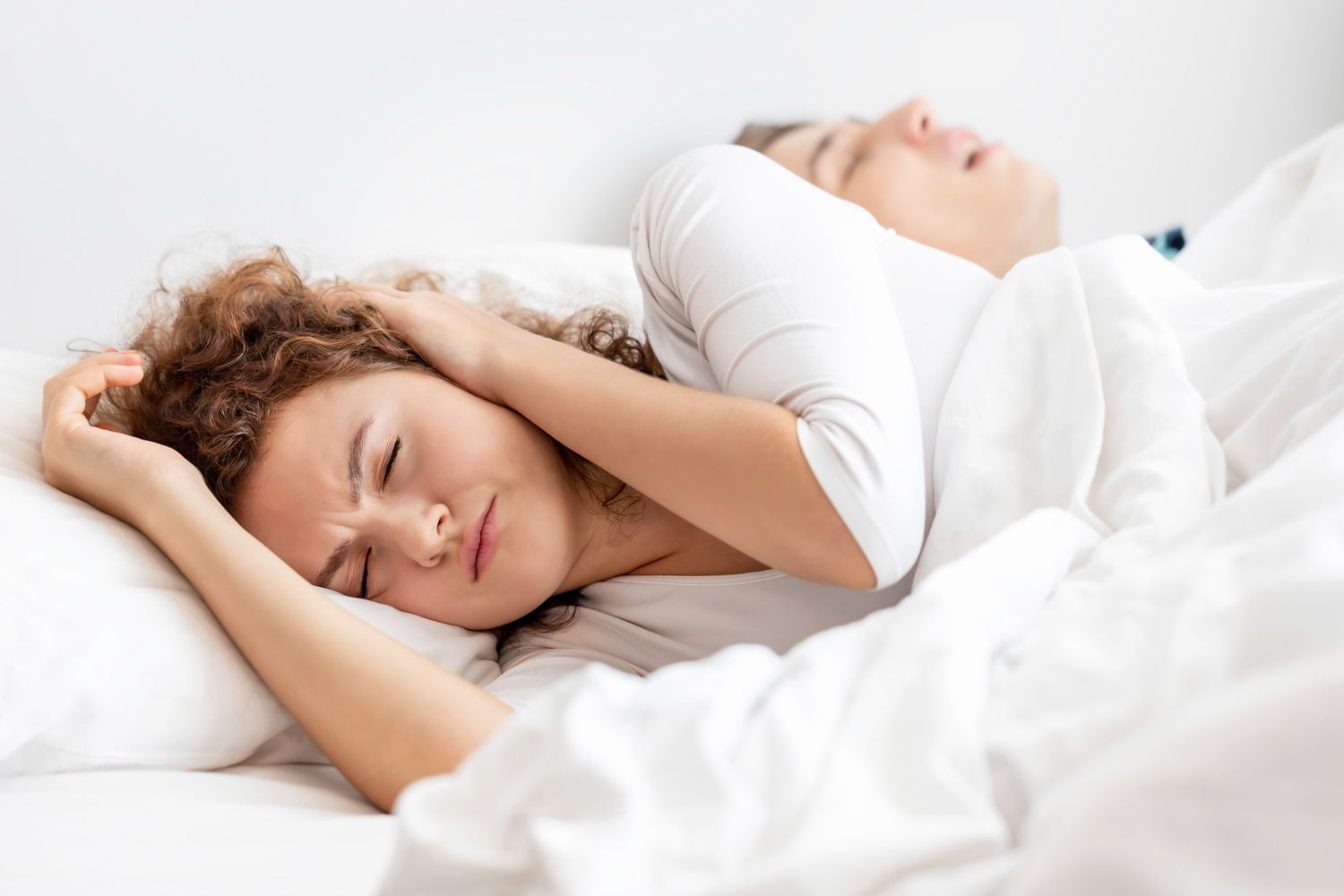
Two people sleeping in a white bed, one resting behind the other

Think of your airway like a straw. When you breathe, air flows freely through it. With UARS, your airway doesn't completely close, but it narrows just enough to make breathing harder. It's like trying to sip a thick milkshake through a very thin straw. Your body has to work much harder to pull air in, creating resistance.


This increased effort to breathe causes brief awakenings throughout the night, often so subtle you don't even remember them. You might not snore loudly, or at all, but your sleep is constantly interrupted. This constant struggle prevents you from reaching the deep, restorative stages of sleep your body needs to truly rest and repair itself.


At Great Sleep Dental in Weymouth, MA, we understand that sleep issues aren't always obvious. We're here to help you understand conditions like UARS, which can significantly impact your health and well-being, even without the tell-tale loud snoring.
UARS vs. Obstructive Sleep Apnea

What's the Difference?

UARS is closely related to Obstructive Sleep Apnea (OSA), but there's a key distinction. In OSA, the airway completely or partially collapses, leading to pauses in breathing and often very loud snoring. With UARS, the airway narrows but doesn't fully collapse. This means you might not experience the dramatic breathing pauses or loud gasps associated with OSA.


However, the impact on your body can be very similar. Both conditions fragment your sleep, preventing you from getting quality rest. This is why it's so important to investigate sleep issues, even if you don't fit the typical "loud snorer" profile. If you're curious to learn more about the differences, you can explore our page on Central Sleep Apnea vs. Obstructive Sleep Apnea: Understanding Differences, which also touches on the spectrum of sleep-disordered breathing.

Signs You Might Have UARS

Because UARS doesn't always present with loud snoring, its symptoms can be subtle and easily mistaken for other issues. Many people with UARS, especially women and thinner individuals, might not even realize their sleep is the problem.


Here are some common signs to look out for:

  • Chronic Fatigue: Waking up tired, even after a full night's sleep.
  • Difficulty Concentrating: Feeling foggy, forgetful, or having trouble focusing during the day.
  • Irritability or Mood Changes: Feeling more anxious, depressed, or easily frustrated. Some feelings of depression could be linked to not getting truly restful sleep.
  • Headaches: Especially morning headaches.
  • Frequent Waking: You might not remember why, but you find yourself waking up often during the night.
  • Teeth Grinding (Bruxism): Your body might be clenching or grinding your teeth as a way to try and open your airway while you sleep.
  • Trouble Falling Asleep or Staying Asleep: Despite feeling exhausted.
  • Restless Legs: An uncomfortable sensation that makes you want to move your legs.
  • Daytime Sleepiness: Feeling sleepy during activities like driving, working, or reading.


It's common for partners to notice sleep disturbances before the individual does. If someone close to you mentions you seem restless at night, or if you've been told you snore, even softly, it's worth paying attention.

The Impact of Untreated UARS


Just like Obstructive Sleep Apnea, untreated UARS can have far-reaching consequences for your overall health. When your body is constantly struggling for air and deprived of restorative sleep, it puts stress on your entire system.


Over time, this can contribute to:

  • High Blood Pressure: Constant stress on your cardiovascular system can elevate your blood pressure.
  • Increased Risk of Heart Problems: Poor sleep quality is linked to various heart health issues. You can learn more about this connection on our page about Sleep Apnea & Cardiovascular Risk: Heart Health Connection in Weymouth.

  • Weight Gain: Sleep deprivation can affect hormones that regulate appetite.
  • Increased Risk of Accidents: Due to daytime fatigue and impaired concentration.
  • Weakened Immune System: Making you more susceptible to illness.
  • Worsening Mood Disorders: Such as anxiety and depression.


The good news is that if UARS is diagnosed, it's often effectively treatable. Addressing the root cause of your sleep problems can lead to significant improvements in your health and quality of life.

Diagnosing UARS at Great Sleep Dental


If you suspect you might have UARS, the first step is a thorough evaluation. At Great Sleep Dental, we begin with a
Comprehensive Sleep Exam & Evaluation: Your First Step to Better Sleep. This involves discussing your symptoms, medical history, and conducting a detailed examination of your mouth, jaw, and airway.


Often, a sleep study is recommended to confirm a diagnosis. This can be done either in a sleep lab or conveniently at home with a Home Sleep Testing (HST) for Sleep Apnea: Convenient Diagnosis in Weymouth. The sleep study monitors various bodily functions while you sleep, including breathing patterns, oxygen levels, and heart rate, to identify disruptions. Our team will then provide an Sleep Study Analysis & Interpretation: Expert Review of Your Results to explain what your results mean.


We understand that screening for sleep issues might seem unusual for a dental practice. However, the American Dental Association has recognized the crucial role dentists play in identifying these conditions since 2017. We're trained to spot the subtle oral and facial signs that can indicate a sleep breathing problem.

Effective Treatment Options for UARS

Once UARS is diagnosed, effective treatment can make a world of difference. Our goal at Great Sleep Dental is to help you breathe easier and achieve truly restorative sleep.


One of the most common and effective treatments for UARS is Oral Appliance Therapy (OAT). This involves a custom-fitted device, similar to a mouthguard, that you wear while you sleep. The appliance gently repositions your jaw and tongue to keep your airway open, preventing the narrowing that causes UARS.


Our custom-fitted FDA-approved oral appliances are designed for comfort and effectiveness. They are a fantastic CPAP Alternative Treatment: Oral Appliances for Sleep Apnea Sufferers for many patients, offering a discreet and portable solution. We'll work closely with you to ensure your appliance fits perfectly and provides the relief you need.


Beyond oral appliances, we also discuss important lifestyle adjustments, often referred to as "sleep hygiene." This includes:

  • Creating a dark, quiet, and cool sleep environment: Blackout shades and minimizing noise can significantly improve sleep quality.
  • Limiting blue light exposure before bed: Devices like phones and tablets emit blue light that can interfere with your body's natural sleep-wake cycle. Using "night shift" or blue light filters on your devices, or wearing blue light glasses, can be very helpful.
  • Establishing a consistent sleep schedule: Going to bed and waking up around the same time each day, even on weekends.
  • Avoiding heavy meals, caffeine, and alcohol close to bedtime.


Ready for a Better Night's Sleep?

If you're experiencing unexplained fatigue, mood changes, or other symptoms that suggest a sleep problem, don't wait. Even without loud snoring, UARS can silently steal your health and vitality.


At Great Sleep Dental in Weymouth, MA, we offer a no-obligation consultation to discuss your concerns and explore your options. Our board-certified expert in dental sleep medicine is dedicated to providing personalized, effective treatment to help you regain restful sleep. We even offer Telemedicine Consultations for Sleep Apnea: Virtual Appointments Available for your convenience.


Let us help you uncover the root cause of your sleep struggles and guide you toward a healthier, more energized life. Schedule your consultation today and take the first step toward truly great sleep.

GET AN APPOINTMENT

SCHEDULE YOUR NO OBLIGATION CONSULT


Contact Us