Is My Snoring A Sign Of Sleep Apnea


Is your snoring more than just a nuisance? Learn how loud snoring can be a sign of sleep apnea and when to seek expert evaluation for better sleep and health

For many, snoring is a familiar nighttime sound, often dismissed as a harmless, albeit annoying, habit. Perhaps your partner nudges you awake, or you wake yourself up with a loud snort. While occasional snoring can be innocent, persistent and loud snoring, especially when accompanied by other symptoms, can be a significant warning sign of a more serious underlying health condition: sleep apnea.

BOOK AN APPOINTMENT

Is Your Snoring a Sign of Sleep Apnea?

When to Seek Professional Help


The Connection Between Snoring and Sleep Apnea

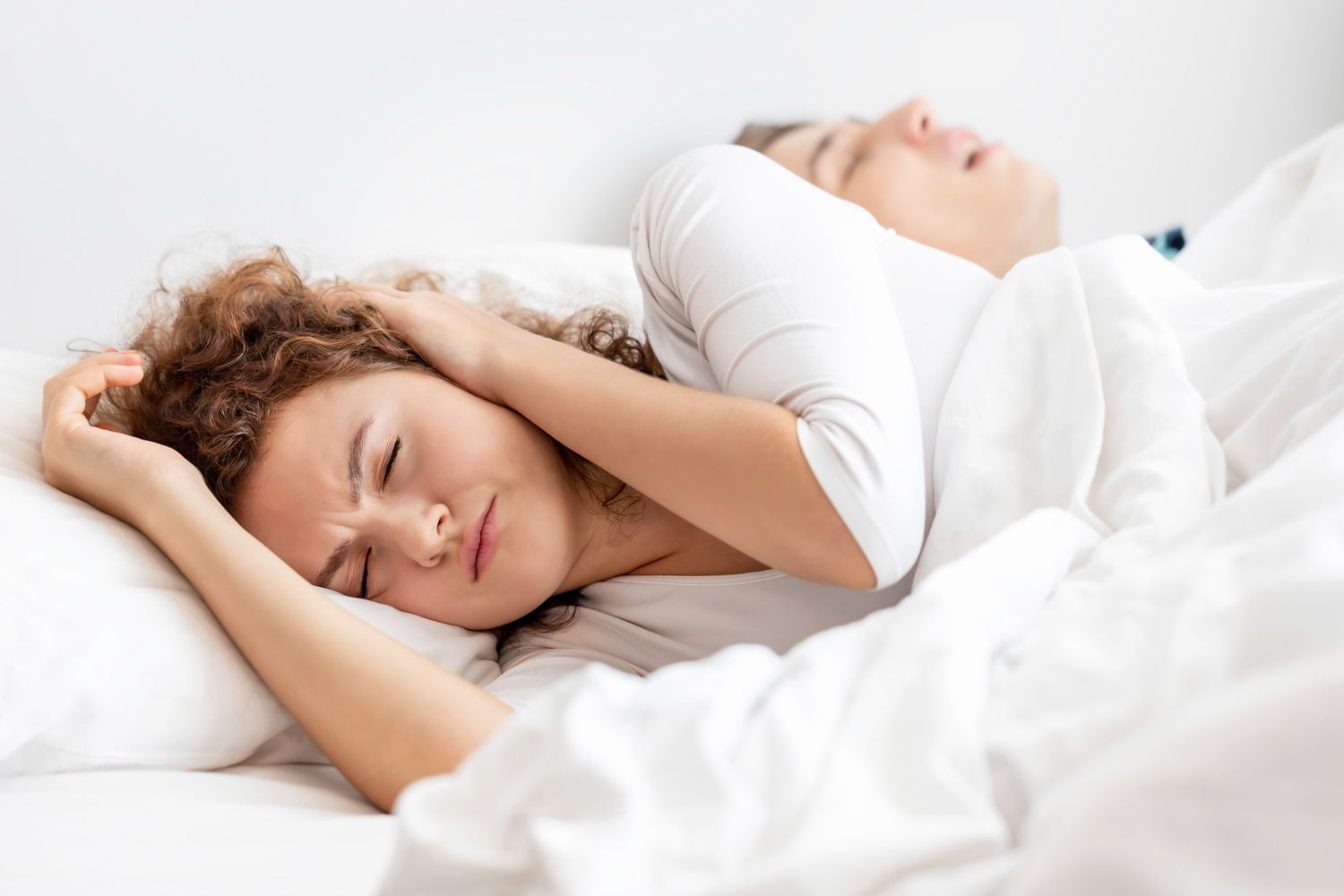
Two people sleeping in a bright white bed, one resting a hand on the other’s head

Snoring happens when the flow of air through your mouth and nose is partially blocked during sleep. As air tries to squeeze through a narrowed airway, it causes the tissues in your throat to vibrate, creating that familiar sound.


When this blockage becomes more severe, to the point where breathing repeatedly stops and starts, it's called Obstructive Sleep Apnea (OSA). Snoring is one of the most common indicators of OSA, but not everyone who snores has sleep apnea, and not everyone with sleep apnea snores loudly. However, if your snoring is loud, frequent, and accompanied by other symptoms, it's crucial to consider the possibility of sleep apnea.


At Great Sleep Dental in Weymouth, MA, we understand that understanding the difference can be life-changing. Our goal is to help you recognize when snoring warrants a closer look and guide you toward restful, restorative sleep.

Beyond the Noise

When Snoring is a Sign of Something More

Sleep apnea is more than just a sleep disturbance. When breathing repeatedly stops, your brain briefly wakes you up to restart breathing, often without you even realizing it. This constant interruption prevents you from achieving deep, restorative sleep. Over time, this lack of quality sleep can have a profound impact on your overall health and well-being.


You might find yourself struggling with daytime fatigue, difficulty concentrating, or even mood changes like irritability or feelings of depression. Some people report waking up with a dry mouth or sore throat, or experiencing morning headaches. The body's constant struggle for air during sleep can also put a significant strain on your cardiovascular system, increasing your risk for various health problems. You can learn more about the potential health risks and complications by visiting our page on understanding untreated sleep apnea.

When Should You Be Concerned About Your Snoring?


It's natural to wonder if your snoring is something to worry about. Here are some key signs that suggest your snoring might be linked to sleep apnea and that it's time to seek professional evaluation:


  • Loud, chronic snoring: If your snoring is loud enough to disturb others in the house or is a nightly occurrence.
  • Witnessed pauses in breathing: If a partner or family member has observed you stopping breathing, gasping, or choking during sleep.
  • Excessive daytime sleepiness: Feeling tired and sleepy even after a full night's sleep, or struggling to stay awake during the day.
  • Morning headaches: Waking up with a headache regularly.
  • Difficulty concentrating or memory problems: Finding it hard to focus or remember things.
  • Irritability or mood changes: Experiencing unexplained shifts in mood.
  • High blood pressure: Sleep apnea is often linked to hypertension.
  • Restless sleep: Tossing and turning, or frequently waking up.


If you recognize several of these signs in yourself or a loved one, especially if you're a woman, it's worth noting that sleep apnea in women can sometimes present with unique or less obvious symptoms.

Snoring in Children

A Critical Warning Sign


While we often associate snoring with adults, it's crucial to pay attention to snoring in children. If a child snores regularly, especially if it's loud, it should be taken seriously. Other signs of sleep apnea in children can include grinding teeth (bruxism), bedwetting, difficulty in school, or being diagnosed with ADHD. If you notice these symptoms in a child, it's important to seek help from a pediatric sleep specialist. Treating sleep apnea early in children can make a significant difference in their development and overall health. You can find more information on pediatric sleep apnea treatment on our website.

Why Getting a Diagnosis Matters


If you suspect sleep apnea, getting a proper diagnosis is the first step toward better health. Many people are surprised to learn that if they do have sleep apnea, it's often quite treatable. Effective treatment can alleviate symptoms, improve your quality of life, and reduce the long-term health risks associated with the condition.


At Great Sleep Dental, we specialize in diagnosing and treating sleep apnea with custom-fitted, FDA-approved oral appliances. Our board-certified expert in dental sleep medicine offers a no-obligation consultation to discuss your concerns and explore your options. We even offer telemedicine consultations for sleep apnea for your convenience.


Don't let snoring dictate your health or your sleep quality. If you're concerned about your snoring or any of the symptoms mentioned, we encourage you to reach out. We're here to help you breathe easier and sleep better.


Ready to take the first step toward a healthier, more rested you? Schedule your no-obligation consultation with Great Sleep Dental today. We look forward to helping you find relief and reclaim your nights.

GET AN APPOINTMENT

SCHEDULE YOUR NO OBLIGATION CONSULT


Contact Us