Causes Of Snoring


Uncover the common causes of snoring, from simple factors to underlying sleep disorders like sleep apnea.

Snoring is a common nighttime sound, often dismissed as a harmless annoyance. While it can certainly disrupt a partner's sleep, snoring can also be a significant indicator of an underlying health issue, particularly a sleep breathing disorder. At Great Sleep Dental in Weymouth, MA, we believe understanding why you snore is the first step toward finding effective solutions for better sleep and overall health.

BOOK AN APPOINTMENT

Why Do We Snore?

Understanding the Root Issues


What Causes Snoring?

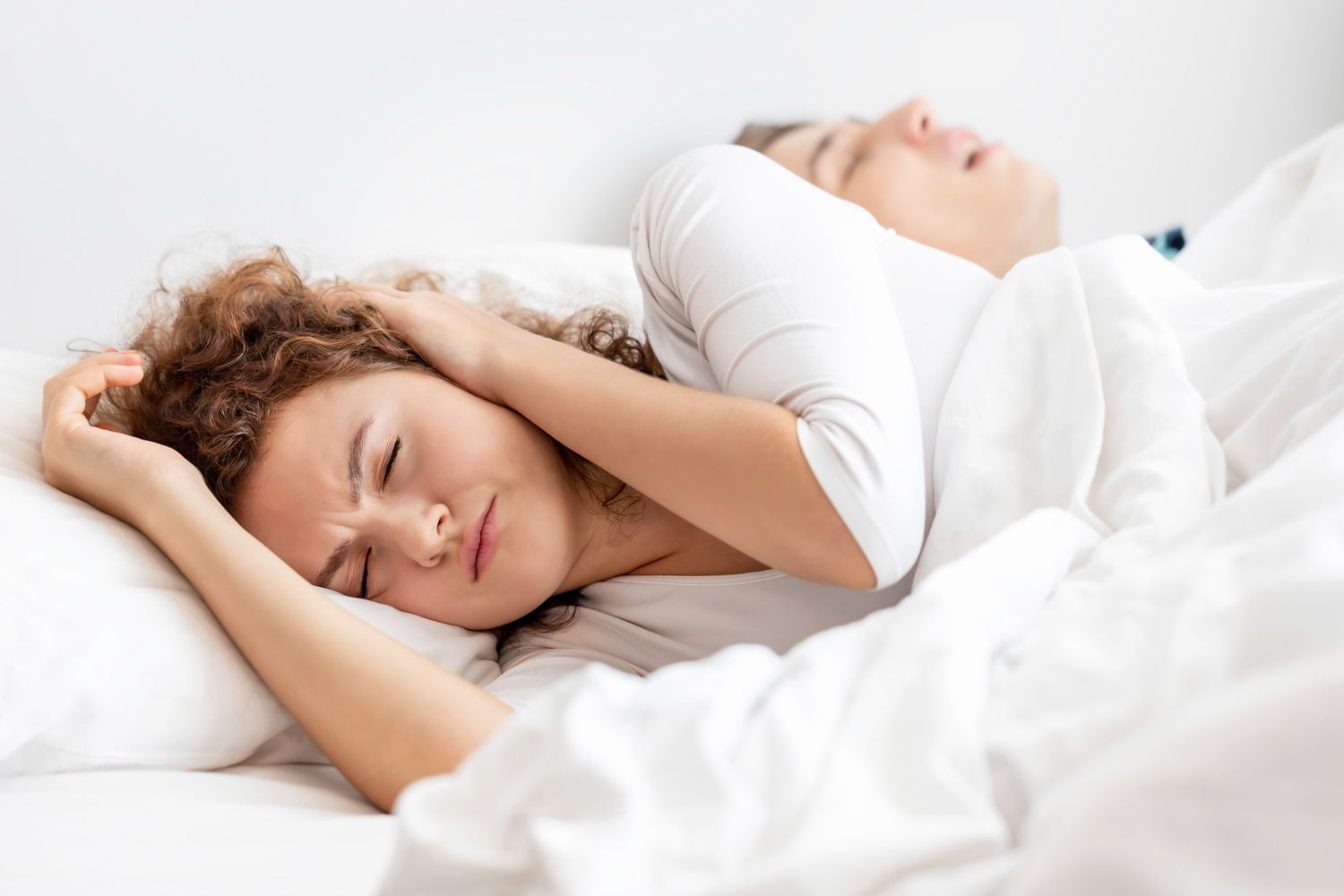
Two people sleeping in a bright white bed, one resting a hand on the other’s head

Snoring happens when the flow of air through your mouth and nose is partially blocked during sleep. As air tries to squeeze through a narrowed airway, the soft tissues in your throat vibrate, creating that familiar rattling sound. Several factors can contribute to this narrowing:

  • Relaxed Throat Muscles: During sleep, your throat muscles naturally relax. If they relax too much, they can collapse and partially block the airway.
  • Tongue Position: Your tongue can fall backward into your throat, especially when sleeping on your back, obstructing airflow.
  • Narrow Airway Anatomy: Some people naturally have a narrower throat, larger tonsils or adenoids, or a longer soft palate, making them more prone to snoring.
  • Nasal Problems: A stuffy nose from allergies, a cold, or structural issues like a deviated septum can force you to breathe through your mouth, increasing the likelihood of snoring.
  • Alcohol and Sedatives: These substances relax throat muscles, making snoring more likely and often louder.
  • Weight Gain: Excess weight, particularly around the neck, can add pressure to the airway, leading to obstruction.
  • Sleep Position: Sleeping on your back often makes snoring worse because gravity pulls your tongue and soft palate backward.

While many of these factors can cause occasional snoring, persistent, loud snoring, especially when accompanied by other symptoms, can point to a more serious condition.



Snoring, Sleep Apnea, and Your Health

The most significant concern when it comes to snoring is its potential connection to obstructive sleep apnea (OSA). With OSA, your airway doesn't just narrow, it repeatedly closes completely or almost completely during sleep. These pauses in breathing, called apneas, can last for ten seconds or more and happen many times throughout the night. Your brain then briefly wakes you up to restart breathing, often without you even realizing it.


This constant struggle for air during sleep can have widespread effects on your health. Your brain prioritizes getting air above almost everything else. If you're not breathing well at night, it can impact your body in many ways. For instance, some people experiencing feelings of depression or anxiety might actually be struggling with poor sleep quality due to undiagnosed sleep apnea. They might be on medications that don't seem to help much, yet they wake up feeling tired and unrested. When asked if they snore, many are surprised by the question, but the answer often reveals a critical piece of the puzzle.


Treating sleep apnea can dramatically improve quality of life. If you suspect you might have this condition, it's actually good news, because it's often easy to treat, and effective treatment can resolve many related issues. You can learn more about what obstructive sleep apnea is, its symptoms, and diagnosis on our website.

Snoring in Children

A Critical Sign

It's not just adults who snore. Snoring in children is a serious concern and should never be ignored. If a child snores regularly, especially if they also grind their teeth (bruxism), it's a strong indicator of sleep apnea until proven otherwise. Other signs of sleep apnea in children include:


  • Wetting the bed
  • Difficulty in school or with learning
  • Being treated for ADD/ADHD
  • Breathing primarily through their mouth
  • Frequent nightmares or night terrors
  • Frequent earaches


If you notice these signs in your child, it's important to seek evaluation from a pediatric sleep specialist. Addressing sleep apnea in children early can prevent long-term health and developmental issues. We offer specialized pediatric sleep apnea treatment options here in Weymouth.

The Impact of Poor Sleep on Your Well-being


Beyond sleep apnea, chronic snoring and poor sleep quality can contribute to a range of issues. Our modern lifestyles, with constant exposure to screens and artificial light, can disrupt our natural sleep cycles. The blue light emitted from phones, tablets, and computers can interfere with your body's ability to produce sleep-inducing hormones. Creating a dark, quiet, and comfortable sleep environment is crucial for restorative sleep.


Lack of quality sleep can affect everything from your mood and concentration to your physical health. It's not just about feeling tired; it can impact your blood sugar levels and overall systemic health. Understanding the common sleep apnea symptoms can help you identify if your snoring is part of a larger issue.

When to Seek Help for Snoring

If your snoring is loud, frequent, or accompanied by any of the following, it's time to talk to a professional:


  • Pauses in breathing observed by a partner
  • Gasping or choking during sleep
  • Daytime sleepiness, even after a full night's sleep
  • Morning headaches
  • Difficulty concentrating
  • Irritability or mood changes
  • High blood pressure or other cardiovascular issues


At Great Sleep Dental, we are experts in dental sleep medicine and are dedicated to helping you find the root cause of your snoring and sleep issues. We offer no-obligation consultations to discuss your concerns and explore personalized treatment options. Our approach focuses on effective, custom solutions, including custom-fitted, FDA-approved oral appliances, and we even offer virtual appointments for your convenience.


Don't let snoring diminish your quality of life or put your health at risk. We invite you to schedule a consultation with our board-certified expert to explore how we can help you achieve truly restful and restorative sleep.

GET AN APPOINTMENT

SCHEDULE YOUR NO OBLIGATION CONSULT


Contact Us