Sleep Apnea & Heart Health
Discover the crucial link between sleep apnea and your heart health. Learn how untreated sleep apnea can increase cardiovascular risk and explore effective treatment options
Many people think of sleep apnea as just a snoring problem, but it's much more than that. This common sleep disorder, where your breathing repeatedly stops and starts during the night, can have a profound impact on your overall health, especially your heart. At Great Sleep Dental in Weymouth, we understand this vital connection and are dedicated to helping our patients protect their cardiovascular well-being through effective sleep apnea treatment.
Sleep Apnea & Your Heart:
Understanding the Cardiovascular Connection
What is Obstructive Sleep Apnea (OSA)?
Before we dive into the heart connection, let's briefly define obstructive sleep apnea (OSA). This condition occurs when the muscles in your throat relax too much during sleep, causing your airway to narrow or even completely close. This blockage prevents air from reaching your lungs, leading to pauses in breathing that can last for several seconds. Your brain then senses the lack of oxygen and briefly wakes you up to restart breathing. These awakenings are often so brief that you don't remember them, but they disrupt your sleep cycle and prevent you from getting truly restorative rest.
If you're experiencing symptoms like loud snoring, daytime fatigue, or restless sleep, it's worth exploring if you might have this condition. You can click here to learn more about obstructive sleep apnea and its symptoms.
The Hidden Stress on Your Heart
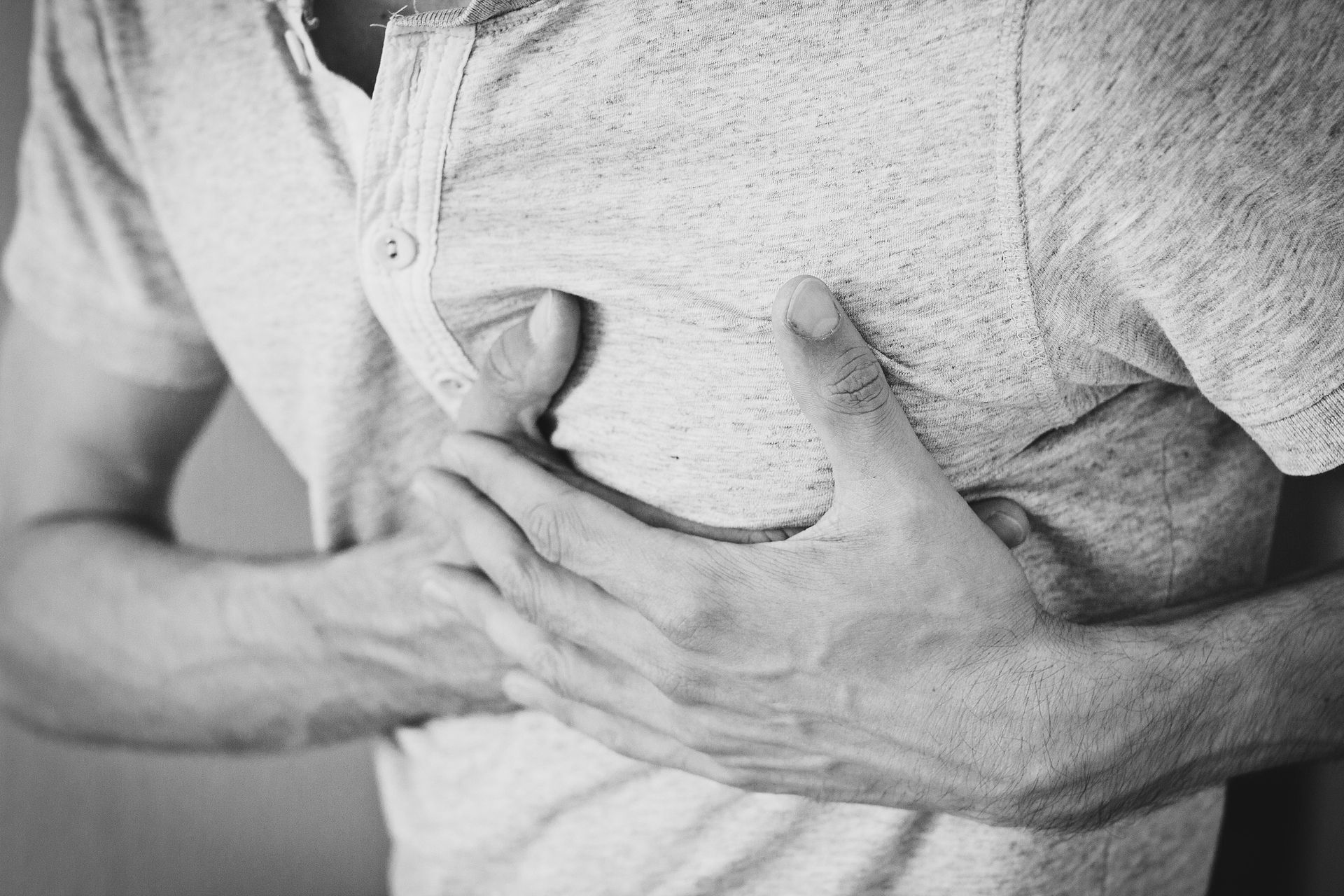
Imagine holding your breath for short periods, dozens or even hundreds of times every night. That's essentially what happens to your body when you have untreated sleep apnea. Each time your breathing stops, your oxygen levels drop, and your body experiences a surge of stress hormones. Your heart has to work harder to pump blood and oxygen, and your blood pressure rises. Over time, this constant stress takes a significant toll on your cardiovascular system.
This isn't just a minor inconvenience; it's a serious health concern. Many medical conditions, including heart problems, are closely linked to poor sleep. When your body is deprived of oxygen and proper rest night after night, it sets off a chain reaction that can affect nearly every system in your body.
How Sleep Apnea Increases Cardiovascular Risk
The repeated drops in oxygen and surges in stress hormones associated with sleep apnea contribute to several heart-related issues:
- High Blood Pressure (Hypertension): Sleep apnea is a major cause of high blood pressure, especially blood pressure that remains elevated even during sleep. The constant struggle to breathe at night stresses your blood vessels, making them less flexible and increasing pressure.
- Heart Attack and Stroke: The elevated blood pressure and increased inflammation caused by sleep apnea significantly raise your risk of heart attack and stroke. When your heart is constantly under strain, it's more vulnerable to damage.
- Irregular Heartbeats (Arrhythmias): Sleep apnea can trigger or worsen irregular heart rhythms, such as atrial fibrillation. These arrhythmias can lead to serious complications, including stroke.
- Heart Failure: Over time, the extra workload on your heart can weaken its pumping ability, potentially leading to heart failure.
- Metabolic Issues: Poor sleep also impacts your body's metabolism. It can lead to changes in hormones that regulate appetite and energy, such as decreased leptin (which signals fullness) and increased ghrelin (which signals hunger). This can contribute to weight gain, which in turn further exacerbates sleep apnea and metabolic problems like insulin resistance. When you're not sleeping well, your body also produces fewer natural GLP-1s, hormones that help regulate blood sugar and weight. This creates a cycle where poor sleep can lead to weight gain, and weight gain can worsen sleep apnea.
It's clear that the connection between
untreated sleep apnea and health risks extends far beyond just feeling tired.
Recognizing the Signs
Beyond Snoring
While loud, chronic snoring is a common indicator of sleep apnea, especially if it's punctuated by gasps or choking sounds, it's not the only sign. Many people, particularly women, may not snore loudly or at all. For example, sleep apnea in women can present with more subtle symptoms like insomnia, anxiety, depression, or morning headaches.
Other common symptoms that might point to sleep apnea include:
- Excessive daytime sleepiness, even after a full night's sleep
- Waking up with a dry mouth or sore throat
- Morning headaches
- Difficulty concentrating or memory problems
- Irritability or mood changes
- Frequent nighttime urination
If you or a loved one notice any of these signs, especially in conjunction with snoring, it's important to consider a sleep evaluation. Our team can help you understand common sleep apnea symptoms and determine if further testing is needed.
Taking Control of Your Sleep and Heart Health
The good news is that sleep apnea is treatable, and addressing it can significantly improve your heart health and overall well-being. At Great Sleep Dental, we specialize in effective, patient-friendly solutions.
Our approach begins with a thorough understanding of your unique situation. We offer comprehensive evaluations and work closely with your medical doctors to ensure a complete picture of your health. Should a sleep study confirm obstructive sleep apnea, we focus on custom-fitted oral appliance therapy.
Custom Oral Appliance Therapy: A Gentle Solution
Instead of a bulky CPAP machine, many of our patients find relief with a custom-fitted oral appliance. These small, comfortable devices are worn only while you sleep, much like a mouthguard. They work by gently repositioning your jaw and tongue to keep your airway open, preventing the pauses in breathing that characterize sleep apnea.
Our oral appliances are:
- Custom-Fitted: Each appliance is precisely made to fit your mouth, ensuring maximum comfort and effectiveness.
- FDA-Approved: We use only devices that have been thoroughly tested and approved for treating sleep apnea.
- Effective: For many patients, oral appliance therapy is a highly successful way to manage sleep apnea, reduce snoring, and improve sleep quality.
We believe in providing personalized care that truly makes a difference. Our goal is to help you breathe freely, sleep soundly, and protect your heart for years to come.
Ready to Prioritize Your Heart and Sleep?
If you're concerned about sleep apnea, its connection to your heart health, or if you've been told you snore, don't wait to seek help. Taking action now can lead to significant improvements in your energy, mood, and long-term health.
We invite you to schedule a no-obligation consultation at Great Sleep Dental in Weymouth, MA. We even offer
virtual appointments available for your convenience. Let's discuss your symptoms, answer your questions, and explore how we can help you achieve better sleep and a healthier heart.
GET AN APPOINTMENT