COMMON SYMPTOMS
Discover common sleep apnea symptoms like snoring, gasping, and daytime fatigue
Do you often wake up feeling tired, even after a full night's sleep? Does a loved one complain about your loud snoring or notice you stop breathing during the night? These could be signs of sleep apnea, a common but serious condition that affects how you breathe while you sleep. At Great Sleep Dental in Weymouth, MA, we understand how disruptive sleep apnea can be to your life and overall well-being. Recognizing the symptoms is the first step toward getting the help you need for better, more restorative sleep.
Common Sleep Apnea Symptoms
What to Look For
Understanding How Sleep Apnea Shows Up
Sleep apnea doesn't look the same for everyone. While some people experience very noticeable symptoms, others might have more subtle signs that are easy to overlook. The key is to pay attention to changes in your sleep patterns and how you feel during the day.
Here are some of the most common indicators that might suggest you have sleep apnea:
Loud, Persistent Snoring
Snoring is often more than just an annoying sound; it's a sign that air is struggling to pass through narrowed airways. While not everyone who snores has sleep apnea, and not everyone who has sleep apnea snores, loud, chronic snoring is a hallmark symptom. If your snoring is loud enough to bother others, or if it's accompanied by gasping or choking sounds, it's definitely worth investigating.
Pauses in Breathing or Gasping for Air
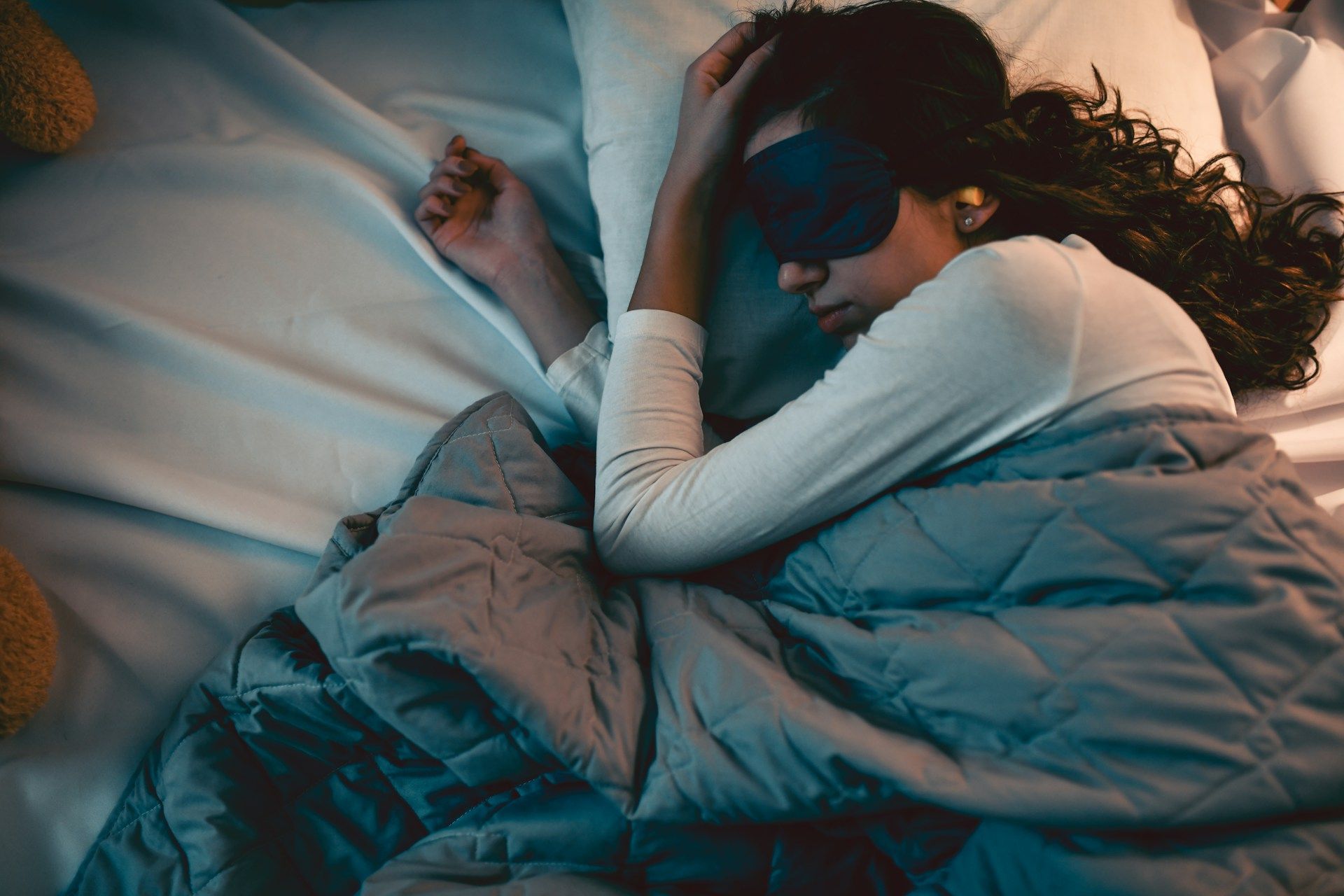
This is one of the most concerning symptoms and is often noticed by a bed partner. During a sleep apnea episode, your breathing can repeatedly stop and start again. These pauses might last for several seconds, followed by a loud gasp or choke as your body struggles to get the oxygen it needs. Your brain prioritizes air above all else, so these interruptions are your body's way of forcing you to breathe. If you do not have a bed partner to notice these events, there are many free snoring detection apps available that can be helpful.
Excessive Daytime Sleepiness and Fatigue
Imagine going through your day feeling like a zombie, no matter how much time you spent in bed. People with sleep apnea rarely get truly restful sleep because their bodies are constantly waking them up to breathe. This leads to profound fatigue that can impact every aspect of your life. You might find yourself struggling to concentrate, feeling drowsy while driving, or needing naps throughout the day. This isn't just about feeling a little tired; it's about a persistent, overwhelming exhaustion. Unfortunately many OSA patients get used to this level of fatigue and don’t recognize how tired they really are.
Morning Headaches
Waking up with a headache is another common sign of sleep apnea. When your breathing repeatedly stops, your oxygen levels can drop, and carbon dioxide levels can rise. This can lead to headaches, often described as dull and throbbing, that tend to improve as the day goes on.
Irritability and Mood Changes
Lack of quality sleep can significantly affect your mood and emotional regulation. If you're constantly tired, you might find yourself more irritable, impatient, or easily angered. Some people even experience symptoms similar to depression, which can sometimes be linked to poor sleep rather than solely chemical imbalances. If you're struggling with your mood and also experiencing sleep issues, it's important to consider the connection.
Difficulty Concentrating and Memory Problems
When your brain isn't getting enough oxygen or restorative sleep, its ability to function optimally is compromised. This can manifest as difficulty focusing, forgetfulness, or problems with decision-making. These cognitive issues can impact your performance at work or school and make daily tasks feel far more difficult.
Sleep Apnea in Children
What Parents Should Know
Sleep apnea isn't just an adult problem; children can experience it too. If you notice your child snores, grinds their teeth (bruxism), wets the bed, struggles in school, or is often treated for ADD/ADHD, these could all be signs of sleep apnea. Other indicators include frequent nightmares, night terrors, or breathing primarily through their mouth.
If your child exhibits these symptoms, it's crucial to seek specialized care. We recommend consulting a pediatric sleep doctor, as they are best equipped to diagnose and treat sleep apnea in children. Early intervention can make a significant difference in a child's development and overall health. You can learn more about
pediatric sleep apnea treatment options here.
The Broader Impact of Untreated Sleep Apnea
Ignoring sleep apnea can have far-reaching consequences beyond just feeling tired. When your body is repeatedly deprived of oxygen and restorative sleep, it puts a strain on your entire system. This can increase your risk for a variety of serious health issues, including high blood pressure, heart attack, stroke, and diabetes. Understanding these health risks and complications of untreated sleep apnea is vital for your long-term health.
When to Seek Professional Help
If you recognize several of these symptoms in yourself or a loved one, it's time to talk to a healthcare professional. Often, a bed partner is the first to notice the most telling signs, such as pauses in breathing or gasping. Don't dismiss these observations.
At Great Sleep Dental, we specialize in identifying and treating sleep apnea. We offer telemedicine consultations for your convenience, allowing you to discuss your concerns from the comfort of your home. Our team can guide you through the process, which often begins with a comprehensive evaluation and may include a home sleep test to confirm a diagnosis.
Remember, sleep apnea is treatable! If you are diagnosed, effective solutions are available. We often utilize custom-fitted FDA-approved oral appliances that can help keep your airway open during sleep, leading to significantly improved breathing and better rest.
Don't let sleep apnea continue to disrupt your life. We invite you to schedule a no-obligation consultation with our board-certified expert in dental sleep medicine. We're here to answer your questions, ease your concerns, and help you find the path to truly restorative sleep.
GET AN APPOINTMENT