Central Sleep Apnea Vs. Obstructive Sleep Apnea
Understand the key differences between central sleep apnea and obstructive sleep apnea. Learn about symptoms and cause.
When you hear the term "sleep apnea," you might immediately think of snoring or someone stopping breathing during sleep. While these are common signs, sleep apnea isn't just one condition. There are actually different types, and understanding the distinctions is an important first step toward finding the right treatment.
Central vs. Obstructive Sleep Apnea
Understanding the Differences
What is Obstructive Sleep Apnea (OSA)?
Obstructive Sleep Apnea, or OSA, is by far the most common type of sleep apnea. It occurs when the muscles in your throat relax too much during sleep, causing your airway to narrow or completely close. Imagine trying to breathe through a pinched straw. Your body tries to breathe, but the air can't get through. This blockage can happen repeatedly throughout the night, leading to pauses in breathing that can last for ten seconds or even longer.
Your brain senses this lack of oxygen and briefly wakes you up to reopen your airway. These awakenings are often so brief that you don't remember them, but they fragment your sleep, preventing you from getting the deep, restorative rest your body needs.
Common signs of OSA include:
- Loud, chronic snoring
- Pauses in breathing observed by a partner
- Gasping or choking during sleep
- Daytime fatigue and sleepiness
- Morning headaches
- Difficulty concentrating
- Irritability or mood changes
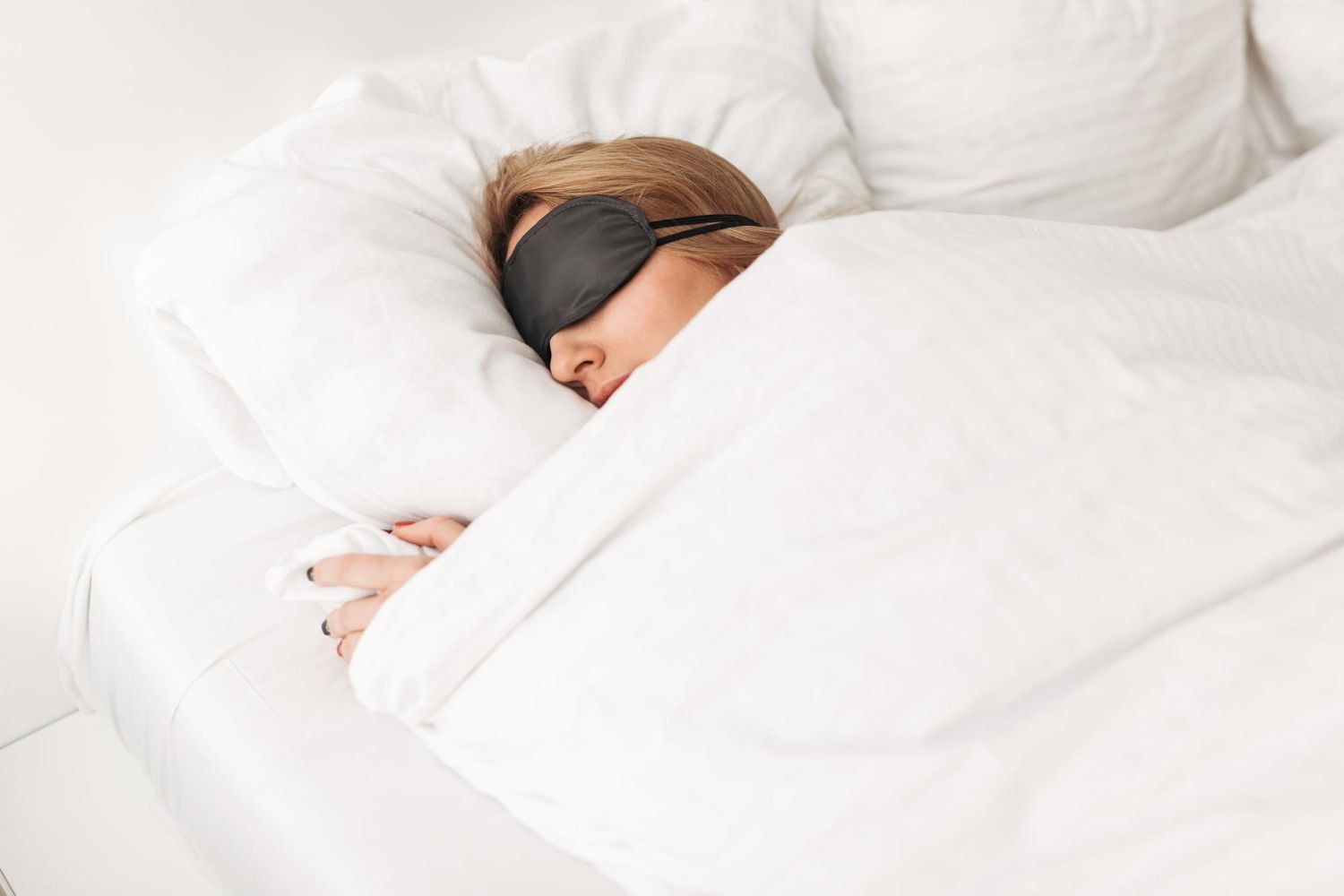
If you experience these symptoms, especially chronic snoring, it's worth exploring whether you might have Obstructive Sleep Apnea. Many people don't realize how much their sleep is suffering until they get a proper diagnosis.
At Great Sleep Dental in Weymouth, MA, we specialize in helping patients achieve restful, restorative sleep. We often encounter two main types of sleep apnea: Obstructive Sleep Apnea (OSA) and Central Sleep Apnea (CSA). While both disrupt your sleep and can have serious health consequences, they stem from very different causes.
What is Central Sleep Apnea (CSA)?
Central Sleep Apnea, or CSA, is less common than OSA. Unlike OSA, where there's a physical blockage in the airway, CSA occurs when your brain temporarily fails to send the correct signals to the muscles that control your breathing. Essentially, your brain "forgets" to tell your body to breathe.
With CSA, there's no struggle or effort to breathe because the body isn't even trying. The pauses in breathing are often followed by a period of rapid, shallow breathing as the brain "catches up."
Symptoms of CSA can overlap with OSA, but some key differences exist:
- Absence of snoring: While some CSA patients might snore, it's not as prominent or consistent as with OSA, because there's no physical obstruction causing the sound.
- Awakening with shortness of breath: This is a more common symptom in CSA.
- Daytime sleepiness and fatigue: Similar to OSA, fragmented sleep from CSA leads to feeling tired during the day.
- Difficulty concentrating or memory problems.
CSA is often linked to underlying medical conditions, such as heart failure, stroke, or certain medications. It's crucial to identify the root cause of CSA to address it effectively.
Key Differences Between OSA and CSA
While both conditions disrupt sleep and can lead to common sleep apnea symptoms like daytime fatigue and an increased risk of serious health issues, their origins are distinct:
| Feature | Obstructive Sleep Apnea (OSA) | Central Sleep Apnea (CSA) |
|---|---|---|
| Cause | Physical blockage of the airway | Brain fails to signal breathing muscles |
| Breathing Effort | Present (body tries to breathe against blockage) | Absent (body makes no effort to breathe) |
| Snoring | Usually loud and chronic | Less common or absent |
| Gasping/Choking | Common | Less common |
| Associated With | Obesity, large tonsils, jaw structure | Heart conditions, stroke, certain medications |
Understanding these differences is vital because the treatment approaches for each type can vary significantly.
Why Does It Matter Which Type I Have?
Knowing whether you have OSA or CSA is critical for effective treatment. Treating OSA often involves addressing the physical obstruction, while treating CSA focuses on managing the underlying medical condition or using therapies that help regulate breathing.
Untreated sleep apnea, regardless of type, can have serious long-term health consequences. It's linked to an increased risk of high blood pressure, heart attack, stroke, and diabetes. Learning more about the
health risks of untreated sleep apnea can highlight the importance of seeking help.
How Great Sleep Dental Can Help
At Great Sleep Dental, we specialize in diagnosing and treating Obstructive Sleep Apnea with custom-fitted oral appliances. Our board-certified expert in dental sleep medicine can help you understand your condition and explore your options.
If you suspect you have sleep apnea, the first step is a proper diagnosis. This typically involves a sleep study, which can be done in a lab or conveniently at home with home sleep testing. Once we have the results, we can determine if you have OSA.
For patients diagnosed with OSA, we offer oral appliance therapy as a comfortable and effective treatment. These custom-made devices are worn while you sleep and work by gently repositioning your jaw to keep your airway open.
If your sleep study indicates high numbers of Central Sleep Apnea events, we will work closely with your medical doctor to ensure you receive the appropriate care for the underlying cause. We believe in a collaborative approach to your health, ensuring you get comprehensive support for your unique needs.
Take the First Step Towards Better Sleep
Don't let disrupted sleep continue to impact your health and quality of life. If you're experiencing symptoms like chronic snoring, daytime fatigue, or pauses in breathing, it's time to find answers.
We invite you to schedule a no-obligation consultation with us at Great Sleep Dental in Weymouth, MA. We offer virtual appointments for your convenience, making it easier to discuss your concerns and explore your treatment options. Let us help you understand your sleep and find a path to more restful nights.
GET AN APPOINTMENT