CPAP Alternatives


Struggling with CPAP? Discover comfortable, custom oral appliances for sleep apnea at Great Sleep Dental in Weymouth, MA. Get a better night's sleep without a mask.


Many people diagnosed with obstructive sleep apnea find that CPAP (Continuous Positive Airway Pressure) therapy is life-changing. It effectively keeps their airway open, allowing them to breathe freely and get restorative sleep. However, we understand that CPAP isn't for everyone. Perhaps you find the mask uncomfortable, the machine noisy, or you simply can't get used to sleeping with it. If you're struggling with CPAP, please know you're not alone, and there are effective alternatives available.

BOOK AN APPOINTMENT

CPAP Alternatives

Comfortable Oral Appliances for Sleep Apnea


Tired of CPAP? There's Another Way to Better Sleep

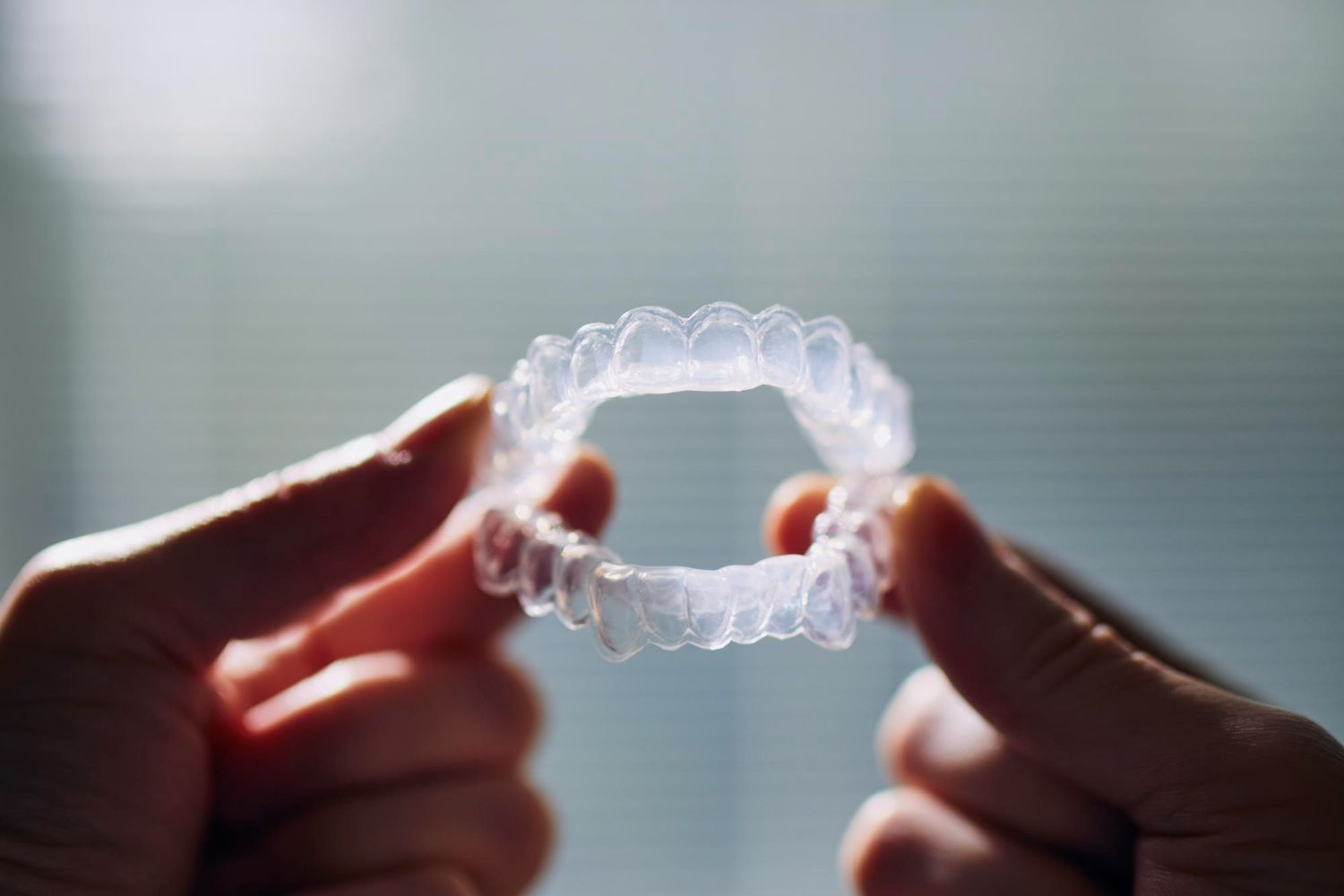
Hands holding a clear orthodontic aligner against a blurred background

Many people diagnosed with obstructive sleep apnea find that CPAP (Continuous Positive Airway Pressure) therapy is life-changing. It effectively keeps their airway open, allowing them to breathe freely and get restorative sleep. However, we understand that CPAP isn't for everyone. Perhaps you find the mask uncomfortable, the machine noisy, or you simply can't get used to sleeping with it. If you're struggling with CPAP, please know you're not alone, and there are effective alternatives available.


At Great Sleep Dental in Weymouth, we specialize in helping patients like you find comfortable and effective solutions for sleep apnea, especially when CPAP isn't the right fit. Our focus is on custom-fitted oral appliances, a proven treatment that can help you breathe easier and sleep soundly.


Understanding Obstructive Sleep Apnea and Why Treatment Matters

Obstructive sleep apnea (OSA) is a common condition where your breathing repeatedly stops and starts during sleep. This happens when the muscles in your throat relax too much, causing your airway to narrow or completely close. Each time your breathing pauses, your brain briefly wakes you up to restart breathing, often without you even remembering it. This constant interruption prevents you from getting the deep, restorative sleep your body needs.


The consequences of untreated sleep apnea can be significant, impacting not just your energy levels but also your overall health. Many people experience symptoms like chronic fatigue, irritability, difficulty concentrating, and even depression, which can sometimes be linked to poor sleep quality. If you're experiencing these issues, it's worth exploring if they could be connected to your sleep. We believe that if you have sleep apnea, it's actually a good thing to know, because it's a treatable condition. Imagine waking up feeling truly refreshed and energized – that's the outcome we strive for.

You can learn more about what obstructive sleep apnea is and how it's diagnosed on our website.

How Oral Appliances Offer a CPAP Alternative


For many individuals with mild to moderate obstructive sleep apnea, and even some with severe cases who can't tolerate CPAP, a custom oral appliance can be a highly effective treatment. These small, custom-made devices are worn only while you sleep, much like a mouthguard.


Instead of using air pressure, an oral appliance works by gently repositioning your lower jaw and tongue. This subtle adjustment helps to keep your airway open, preventing it from collapsing and allowing you to breathe continuously throughout the night. The goal isn't always to push the jaw far forward; sometimes, simply preventing it from falling backward is enough to maintain a clear airway.

The Art and Science of Custom Oral Appliances


Choosing the right oral appliance is both a science and an art. While there are several different designs, they all share a common goal: to keep your airway clear. What truly matters is finding an appliance you'll actually use consistently. An appliance, no matter how scientifically advanced, won't help if it's sitting on your nightstand.


Our board-certified expert in dental sleep medicine understands that comfort and usability are key. We take precise measurements to create a device that fits your mouth perfectly. Think of it like having a custom suit or dress made; it's tailored specifically for you. During your fitting, we'll ensure there are no rough or uncomfortable spots. We'll also guide you through the process of getting used to your new appliance. Most people adjust quickly, often wearing it successfully from the very first night. We encourage you to wear it for a short period before bed, perhaps while reading or watching TV, to help your mouth get accustomed to it.


We understand that you're not coming to us just for a piece of plastic; you're seeking an outcome: better sleep, more energy, and improved health. Our focus is on helping you achieve those results. You can discover more about how custom oral appliances work and their mechanisms of action.

What to Expect with Your Oral Appliance


Once you receive your custom oral appliance, we'll work closely with you to ensure it's comfortable and effective. It's normal to have follow-up appointments where we can make minor adjustments. Our goal is to optimize the appliance so it eliminates snoring, reduces sleepiness, and helps you achieve truly restorative sleep.


Sometimes, patients might experience temporary jaw soreness, especially if the appliance is initially set too far forward. We carefully monitor your progress and make adjustments to find the ideal position that keeps your airway open without causing discomfort. We encourage open communication about how you're feeling and how well you're sleeping. Your feedback is crucial in fine-tuning your treatment

Other Treatment Alternatives Worth Knowing


While oral appliance therapy is our specialty, we believe in giving you a complete picture of your potential treatment options so you can make a fully informed decision. Several surgical and procedural options are available, and you could discuss them with your physician or sleep specialist. However, at Great Sleep Dental, we strongly believe in starting with the most conservative, noninvasive, and reversible treatment available before considering any procedure that cannot be undone. Surgery carries real risks, and for the majority of patients with mild to moderate OSA, those risks are simply not necessary.

Inspire Therapy (Hypoglossal Nerve Stimulation)

Inspire is a surgically implanted device that stimulates the nerve controlling tongue movement to keep the airway open during sleep. It is FDA-approved for moderate-to-severe OSA in patients who cannot tolerate CPAP. While it has shown meaningful results for the right candidates, it is an irreversible surgical implant and carries significant considerations: the procedure requires general anesthesia, involves a recovery period, and carries risks including infection, nerve damage, discomfort at the implant site, and tongue abrasion. The device also requires ongoing battery replacements via additional procedures. It is typically considered only after all other non-surgical options have been exhausted.


Orthognathic Surgery (Jaw Repositioning Surgery)

Orthognathic surgery permanently advances the upper and/or lower jaw to enlarge the airway. It can be highly effective for patients whose OSA is directly caused by significant skeletal jaw abnormalities. However, this is major surgery — it requires general anesthesia, a hospital stay, and a recovery period that can span several weeks to months. Risks include nerve damage (which can cause permanent numbness), infection, relapse of jaw position, bite changes, TMJ complications, major cosmetic changes, and the possibility that the procedure does not fully resolve the sleep apnea. Because it permanently alters the structure of the face and jaw, it is considered a last resort and is not appropriate for most OSA patients.


Soft Palate Surgery (e.g., Uvulopalatopharyngoplasty / UPPP)

UPPP and related soft palate procedures remove or reposition excess tissue in the throat to widen the airway. They are more commonly used for snoring and mild-to-moderate OSA. Unfortunately, the evidence for long-term effectiveness in treating OSA is mixed — studies show that UPPP resolves sleep apnea in only a minority of patients, and results often diminish over time. Side effects can include significant post-operative pain, difficulty swallowing, changes to voice quality, nasal regurgitation of liquids, and a dry throat. As with all surgical options, these changes are permanent and cannot be reversed if the outcome is unsatisfactory.


Our Philosophy: Conservative First

At Great Sleep Dental, we take a conservative approach to treatment — and we make no apologies for it. A custom oral appliance is non-invasive, fully reversible, and highly effective for the vast majority of patients with mild to moderate OSA. It requires no surgery, no anesthesia, no recovery time, and no permanent changes to your body. If it does not work for you, you have lost nothing and can still explore other options. The same cannot be said for surgery.

We believe that recommending an irreversible procedure before exhausting conservative options is not in our patients' best interest. Our goal is always to find the simplest, safest solution that gives you the best quality of life — and for most of our patients, that is a well-fitted oral appliance.

We do not perform surgical procedures at Great Sleep Dental. If after a thorough evaluation we believe a surgical consultation is warranted, we will refer you to the appropriate specialist and work collaboratively with that team on your behalf.
What About the Side Effects of Oral Appliance Therapy?

In the interest of full transparency, we want to be equally honest about oral appliance therapy. Like any treatment, it is not without potential side effects, and we believe you deserve to know about them upfront.

Jaw Soreness or Discomfort: Some patients experience mild soreness in the jaw, particularly in the early weeks of treatment as the muscles and joints adapt to the new position of the jaw during sleep. This is typically temporary and resolves as the body adjusts.


Tooth Movement or Bite Changes: Though very rare, some patients find that over time, an oral appliance can cause subtle shifts in tooth position or minor changes to the bite. This issue is one of the most important reasons why regular follow-up appointments and ongoing monitoring are essential parts of our care protocol.


Dry Mouth or Excessive Salivation: Some patients notice increased saliva production when they first begin wearing an appliance, while others experience dry mouth. Both are common and usually improve with time and proper appliance fit.


Temporary Morning Bite Changes: It is common to notice that your bite feels slightly different when you first wake up. This typically resolves within a few minutes of being awake and is not a cause for concern in most cases.


How We Minimize These Risks


At Great Sleep Dental, managing these side effects is a central part of how we deliver care — not an afterthought. Dr. Bagdonas holds specialized training in temporomandibular joint (TMJ) disorders, which gives her a significant clinical advantage in fitting and adjusting oral appliances in a way that minimizes stress on the jaw joints and surrounding muscles. This expertise means that potential issues are identified and addressed early, before they become significant problems.


Every patient receives regular monitoring appointments where we assess appliance fit, check for any bite changes, and make precise adjustments as needed. If side effects do arise, we have the training and tools to manage them effectively. Our goal is not simply to fit you with a device — it is to ensure that your treatment remains comfortable, safe, and effective for the long term.


When you weigh the common, manageable side effects of oral appliance therapy against the risks of irreversible surgery, the case for starting conservatively becomes clear. And when those side effects are managed by a clinician with specialized TMJ expertise, the risk profile becomes even more favorable.


Is an Oral Appliance Right for You?


If you've been diagnosed with obstructive sleep apnea, or if you suspect you might have it and are looking for alternatives to CPAP, an oral appliance could be an excellent option. We offer no-obligation consultations to discuss your specific needs and determine if this treatment is suitable for you. We even offer virtual appointments for your convenience.


Our team at Great Sleep Dental is dedicated to providing effective, custom treatment that helps you achieve the healthy, restful sleep you deserve. We're here to answer all your questions, ease your concerns, and guide you toward a solution that fits your lifestyle.

Ready to explore a comfortable alternative to CPAP and finally get the sleep you've been dreaming of? We invite you to schedule a no-obligation consultation with our expert team at Great Sleep Dental in Weymouth, MA. Let's find the path to your best sleep together.

GET AN APPOINTMENT

SCHEDULE YOUR NO OBLIGATION CONSULT


Contact Us