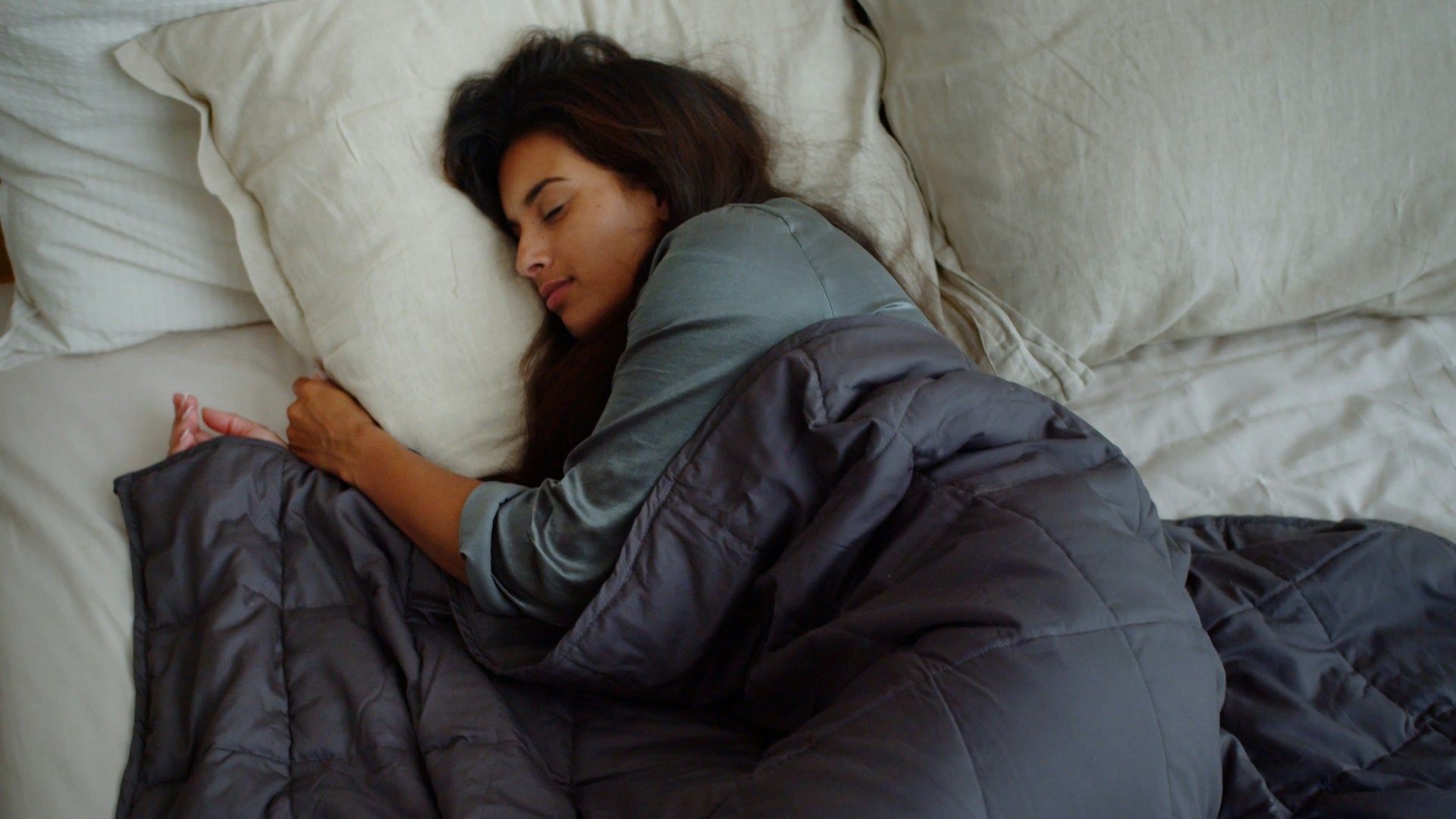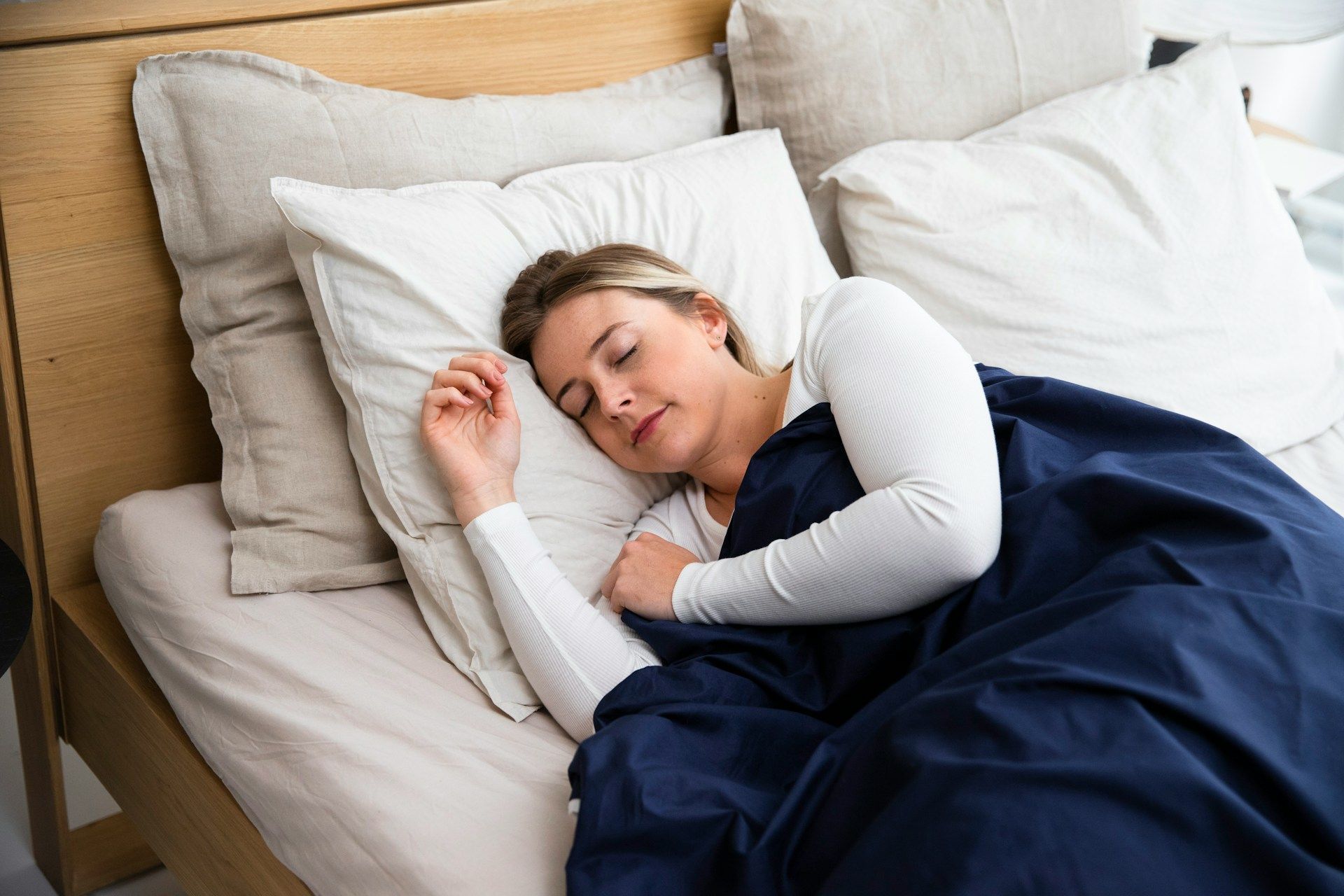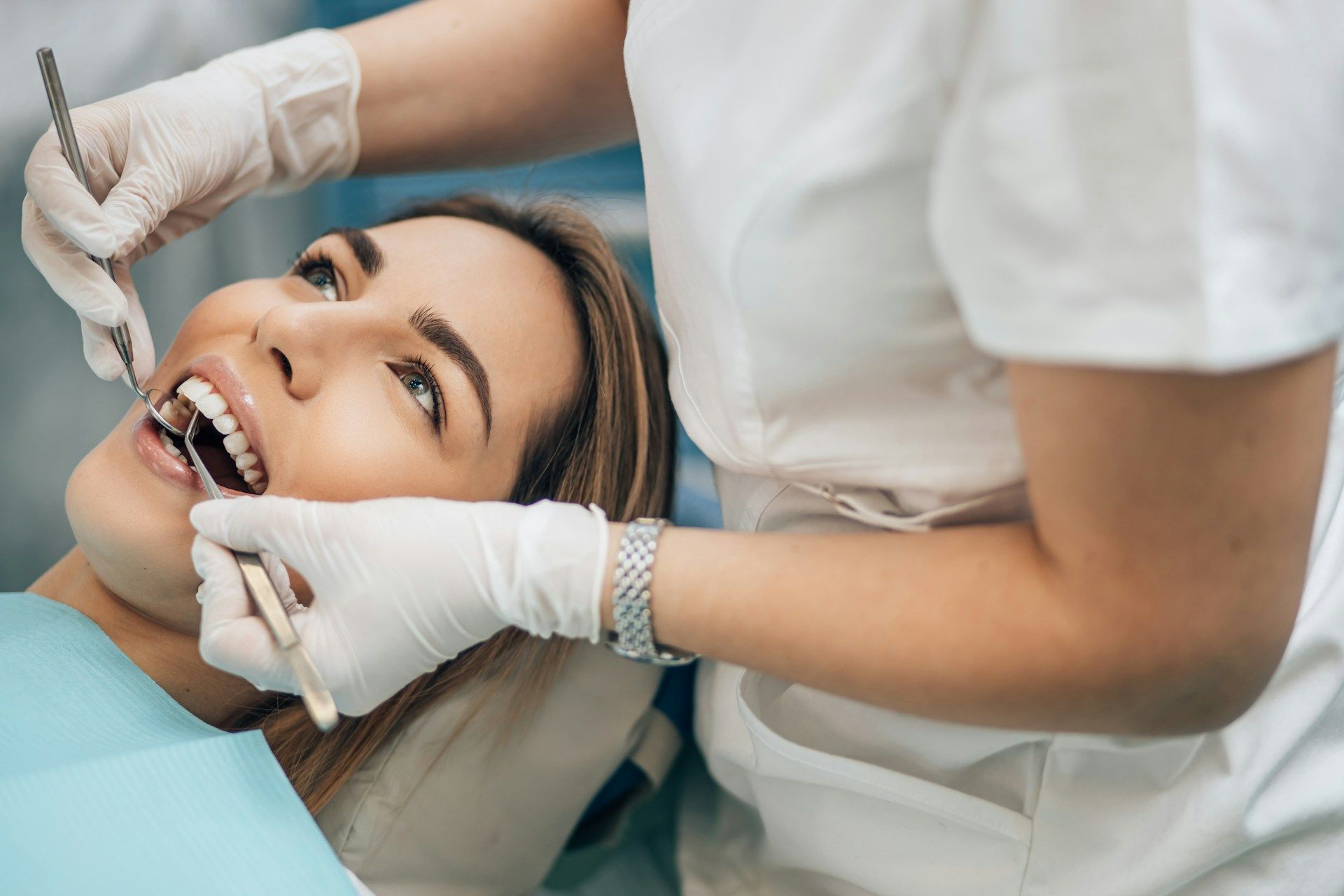
Steps to Prepare for a Diagnostic Sleep Center Visit
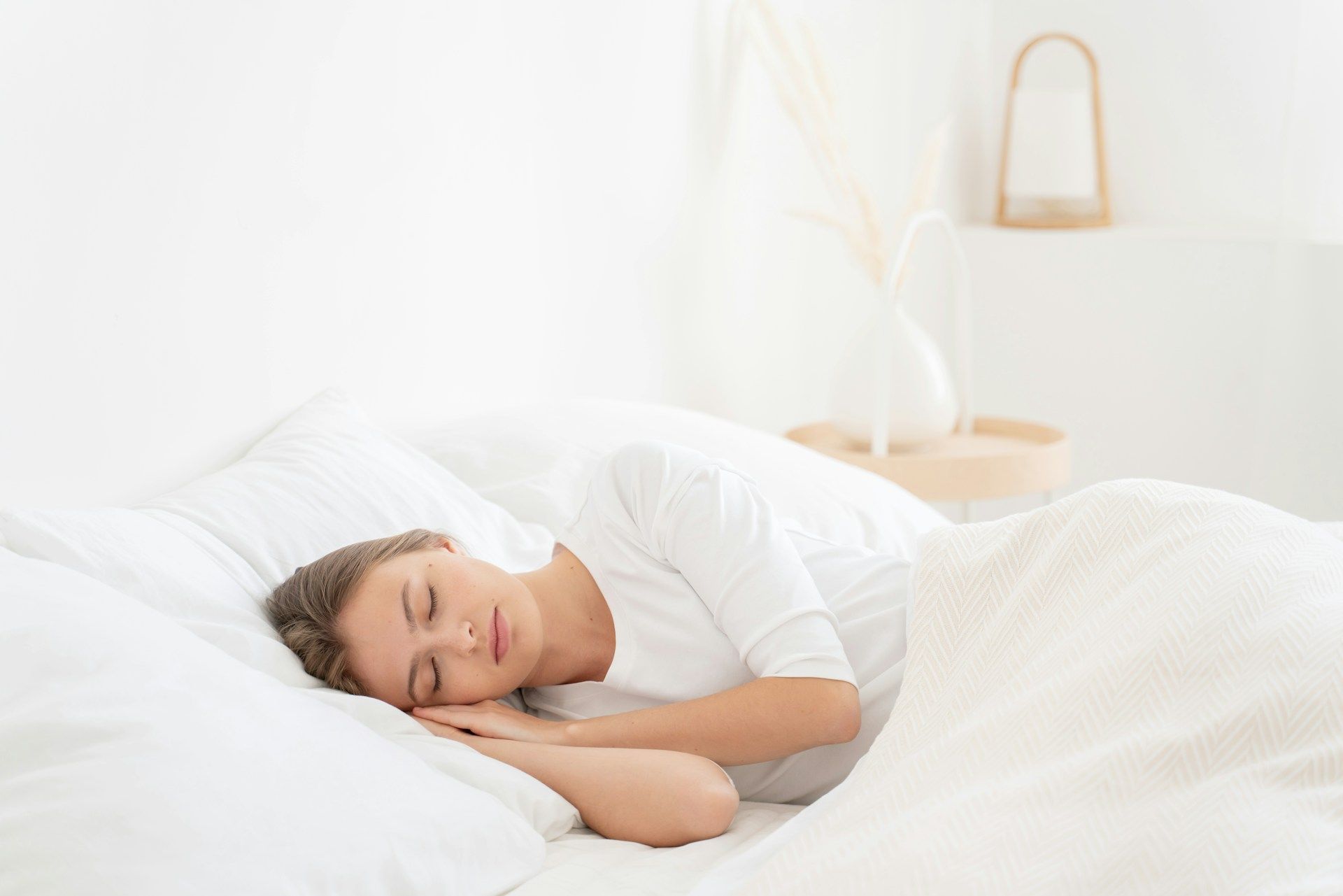
A visit to a diagnostic sleep center can be a helpful step if you’ve been struggling with poor sleep, snoring, or waking up tired. These centers are set up to monitor what happens while you sleep, which can give doctors a clearer picture of what might be going on. For many people, though, the idea of spending the night in a medical setting can feel confusing or even a little stressful.
Knowing how to get ready ahead of time can make the process easier and lead to better results. Whether you're trying to figure out what to bring or wondering how the night will go, preparing in advance can help you feel more comfortable and less uncertain about the experience.
Understanding the Purpose of a Sleep Study
A diagnostic sleep center is a place where overnight sleep studies are done. These studies look closely at how your body behaves while you’re asleep. Most centers check things like your breathing, heart rate, oxygen levels, brain activity, and how your body moves during the night. All these signals help doctors figure out if there are any sleep disorders at play, like sleep apnea or other forms of disrupted sleep.
Your regular doctor might send you to a sleep center if you’ve been dealing with symptoms like loud snoring, frequent wake-ups, or daytime tiredness that doesn’t go away. Instead of guessing what’s wrong, a sleep study gives doctors real information from your actual sleep to help guide the next steps in your care.
Sleep studies come in different forms depending on your symptoms and medical needs. Typically, the study involves spending the night at the center, but some situations may involve using portable monitors at home. However, overnight center-based studies remain the gold standard when it comes to providing detailed, accurate insights.
What to Do Before Your Appointment
Once your appointment is scheduled, there are a few helpful things you can do during the day to get ready. A little planning can make the experience smoother from start to finish.
Try to stick to your normal schedule earlier in the day. Do not nap, even if you’re feeling a little tired. Cut back on caffeine, especially after lunch, so it does not affect your ability to fall asleep during the test. You will also want to avoid alcohol, skincare that contains heavy oils, or anything that might interfere with sensor placement.
It is smart to pack a small bag ahead of time. Here is what you might want to include:
- Comfortable pajamas or clothes you usually sleep in
- Your regular pillow or blanket if it helps you relax
- Toiletries like a toothbrush, comb, and face wash
- Any medications you normally take, with instructions
- A book or something quiet to help you wind down
If you’re unsure what to bring or leave at home, you can always call the sleep center beforehand. They will be able to give you quick answers based on how they run things.
It is also wise to make sure you have directions, appointment paperwork, and know where to park or check in upon arrival. Many centers can provide this information through their website or by phone.
What to Expect the Night of the Study
When you arrive at the sleep center, someone will show you to your room and walk you through the process. Each room usually looks like a standard bedroom and has a private area to settle in. Once you're settled, a technician will help you get hooked up to small sensors that track your breathing, muscle activity, and brain waves during the night.
The setup might feel a little strange at first. You will likely have a few small wires on your head, near your nose, and along your chest or arms. None of it is painful. The technician will check that everything is in place before you go to sleep and will be nearby all night in case you need anything.
Some people worry they will not sleep well with all the equipment, but sleep centers expect this. Even if your sleep feels lighter than usual, the data collected can still give them a lot to work with.
The technician will monitor your sleep from another room using the data received from the sensors, but you’ll still have your privacy. If you need to use the bathroom or adjust something, the staff can quickly disconnect and reconnect the equipment, so you are able to move about comfortably.
Sleep Tips to Help You Feel More at Ease
Many people feel a little uneasy before bed in a new place, and that is normal. Still, there are things you can try that may help your body relax. Bringing a book to read before bed or listening to gentle music or white noise on low volume can calm your mind. Some people find that light stretching or deep breathing helps take the edge off.
It can also help to bring a pillow or throw blanket from home. Familiar items can make the environment feel less clinical and more sleep-friendly. Do not worry about falling asleep right away or trying to sleep perfectly. The goal is not perfect sleep, but rather gaining a snapshot of your normal sleep behaviors.
Let the technicians know if you have any concerns or needs. They are trained to help people feel at ease and will check in if anything seems uncomfortable.
Adjusting your expectations can also make a difference. Remind yourself that it is perfectly normal to feel different in a new environment, and the staff’s job is to make the experience as low-stress as possible. Most people eventually fall asleep, even if it takes a bit longer than usual.
What Happens After Your Sleep Study
After your overnight study, all the signals and activity that were recorded get reviewed by a sleep specialist. They look carefully at when and how your breathing changed, how often you moved around, and whether your brain was cycling through normal sleep stages. The results usually take a little time to analyze.
Once they have been reviewed, your doctor will go over the findings with you and talk about possible next steps. In some cases, the results might lead to treatment options or further sleep testing that can be done at home or in another session.
Try not to stress about seeing immediate answers. This appointment is one part of a bigger picture, and learning exactly what is going on during sleep can point you in a better direction for long-term rest.
After your appointment, you might notice minor marks or stickiness from the sensors, which can be washed off with gentle soap and water. Be sure to let your care team know if you have any questions about your results or follow-up care. The entire process is confidential, and the center staff can answer your questions about insurance, billing, or any additional concerns you may have.
A Good Night’s Sleep Starts with a Little Prep
Getting ready for your visit to a diagnostic sleep center does not have to be overwhelming. Taking small steps to plan your day and pack the right things can ease nerves and help the experience go more smoothly. Once you know what to expect before, during, and after the study, it becomes easier to focus less on the equipment and more on the goal of building better sleep habits.
If you have been living with restless nights or drowsy days, this kind of appointment could be the start of some answers. Understanding how you sleep gives you the chance to change it for the better, starting with one well-prepared visit.
Preparing for your first visit to a
diagnostic sleep center can make your experience less intimidating and more productive. Understanding the process from setting up for the test to reviewing results is an important step toward clearer answers and better rest. We at Great Sleep Dental provide guidance and treatment options designed around your unique needs, and we are ready to help if poor sleep leaves you feeling tired day after day. Contact us to learn how we can help.