Understanding the Role of a TMJ Sleep Center in Pain Relief

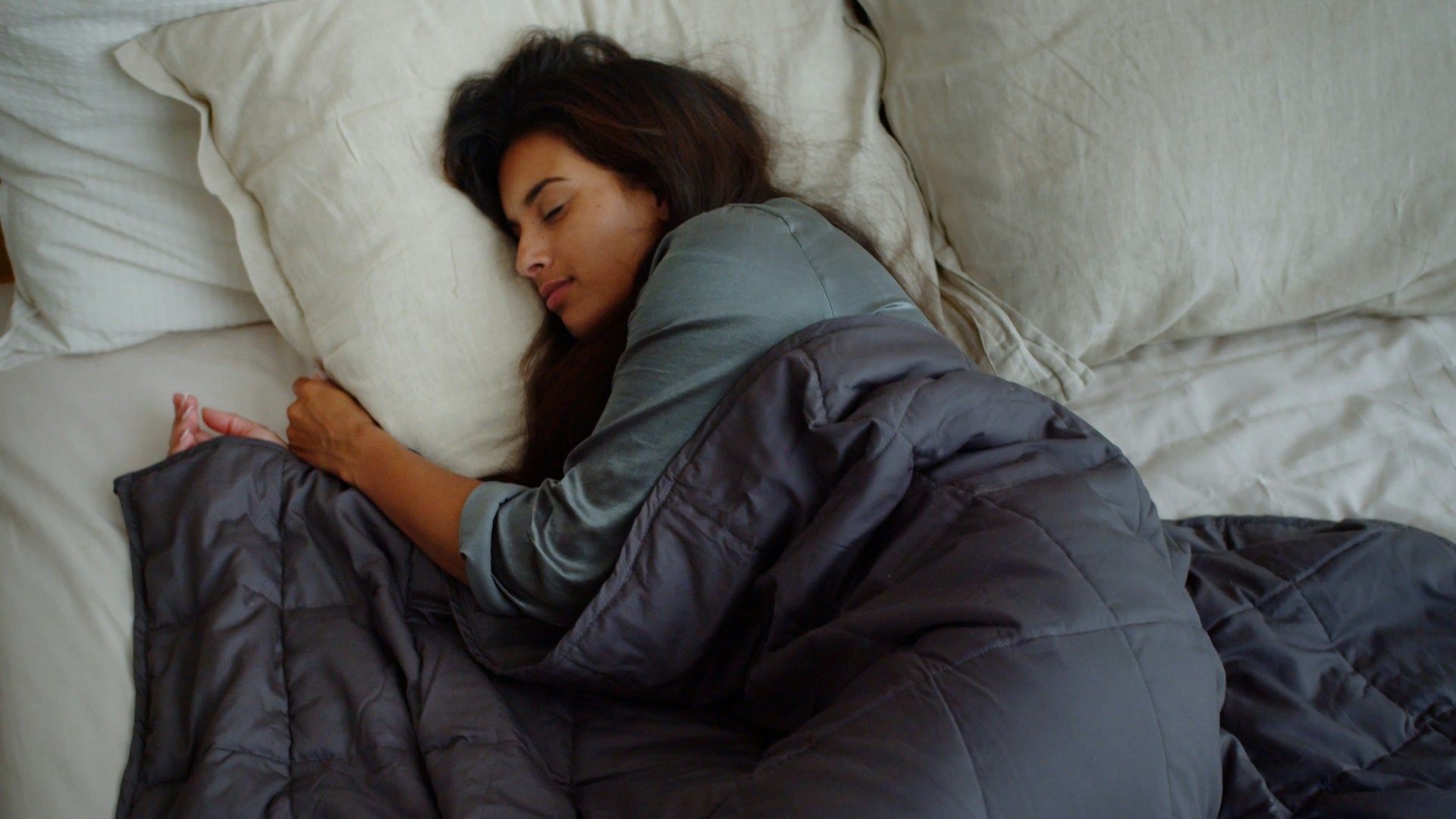
TMJ, short for temporomandibular joint, refers to the hinge that connects your jaw to the side of your skull. When this joint isn't working right, it can cause jaw tightness, pain, and stiffness that affects both sleep and how you feel during the day. It often becomes more noticeable at night, especially if you're clenching or grinding your teeth without realizing it. That discomfort can lead to restless sleep, sore jaws in the morning, or even headaches that linger through the day.
A TMJ sleep center focuses on helping people find relief from these kinds of problems. It's a place that understands both the physical tension and sleep issues that come with TMJ. By addressing both at once, they aim to get everything working in better harmony, so you can rest more comfortably and wake up feeling stronger.
What TMJ Really Means for Sleep and Daily Life
Living with TMJ isn't always about one big problem, but rather a mix of smaller ones that add up. Jaw pain might seem like a small inconvenience at first, but over time it can pull in nearby muscles and spread discomfort to other areas. The tension can sneak into your cheeks, neck, shoulders, or even the upper back. That kind of tightness isn’t just annoying. It changes how freely you can move your jaw or how relaxed you feel by the end of the day.
Sleep adds another layer to the issue. At night, we don’t have control over what our jaw is doing. Some people clench without knowing, while others grind their teeth so often that it starts to wear them down. Since you're not awake to notice it, the effects show up in the morning. Common signs include:
- Jaw that feels tight or doesn’t open easily
- Popping or clicking noises when chewing
- Headaches or facial tension that creeps in after waking
- Sensitive teeth or jaw tenderness
The way you sleep can also affect how much your jaw recovers during the night. If your jaw stays in a strained, clenched position for hours, it doesn’t get a real break. That can create a cycle of bad sleep and worse symptoms.
What Happens at a TMJ Sleep Center
Going to a TMJ sleep center isn't just about getting a fast fix. It's about slowing things down a bit to really look at what's happening with your jaw, muscles, and sleep habits. Most centers start by listening to what you're feeling. That could be anything from daily jaw stiffness to mornings where it's hard to even chew breakfast comfortably.
Once you describe your symptoms, the next step usually includes an exam. This isn’t something to feel nervous about. It often involves checking how your jaw moves, looking for sore spots, and sometimes taking a scan of your bite or joint alignment. If sleep problems are part of the puzzle, that’s taken into account too.
Here’s how care at a TMJ sleep center usually flows:
1. Start with a thoughtful exam and clear questions about your comfort level
2. Look at jaw alignment, possible grinding habits, or signs of clenching during sleep
3. If needed, create a custom oral appliance to help the jaw stay in a safe, relaxed position while you sleep
4. Monitor progress and check for small signs of improvement with follow-up visits
Each step is focused on relieving tension so things can calm down over time. It’s not about quick pressure or solving everything in one day. Instead, it’s a steady process built around easing discomfort and helping the jaw move more naturally.
Signs You Might Need TMJ Help
Jaw pain isn’t always loud or obvious. Sometimes it starts as a dull ache or brief tension you ignore while getting through the day. Then it builds. One day, your jaw clicks every time you chew. Another day, you notice your head hurting in a way that feels different from usual. These might be the early signs that TMJ is taking a toll.
Here are a few common symptoms that point toward TMJ trouble:
- Jaw soreness or stiffness, especially waking up
- Headaches at your temples or near the ears
- Popping, clicking, or locking of the jaw
- Earaches without an ear infection
- Worn-down teeth from grinding or clenching
- Pain that moves from the jaw to neck or shoulders
Many of these issues interrupt sleep. Teeth grinding, often only noticed by a sleep partner, adds pressure on your jaw and irritates nearby nerves and muscles. TMJ can make it hard for your body to drop into deep rest. If your nights are broken or you wake up feeling more tense than when you went to bed, it may be time to think about getting help.
How Professional Help Makes the Difference
Trying to handle TMJ pain alone often means guessing what might help. Some people try heating pads, change their pillows, or avoid chewy foods. While those ideas might bring short-term relief, long-term comfort usually comes from understanding exactly how the jaw is moving and finding ways to support it fully during sleep.
Oral appliances are a gentle tool used at a TMJ sleep center. They fit in the mouth, almost like a nightguard, but are built to guide the jaw into a healthier resting spot. That shift can ease muscle tension, reduce clenching, and protect your teeth all at once.
What makes this kind of care stand out is the personal approach. Each jaw is shaped differently. Each person brings their own habits or discomforts. That’s why the path forward is based on:
- Observing how your jaw naturally moves rather than guessing
- Creating a plan that addresses your own sleep patterns
- Checking progress with real follow-up instead of waiting and hoping
Relief may not happen overnight, but it often starts with small shifts. A little less clenching. A slightly easier morning. Better sleep that stretches a little longer. Those small wins are often what build toward lasting comfort.
A Better Night’s Rest Starts with the Right Help
Pain in the jaw can wear you down, especially when it chips away at your sleep night after night. But something can be done. Many people don’t realize how life-changing it can be to get the right kind of support for TMJ issues, especially when sleep is part of the struggle.
A TMJ sleep center cares about both your rest and your comfort. With steady care and clear guidance, there’s a real chance to feel better each night and each morning. You don’t have to stay stuck in the same painful cycle.
When your jaw feels off and sleep suffers, the right tools and support can make a real difference. At Great Sleep Dental, we guide each person toward better comfort at night using proven methods that take pressure off the jaw. Wondering whether a custom oral device might help? Our approach starts by understanding every detail of your discomfort, bite, and sleep patterns. Learn how a TMJ sleep center can restore balance between rest and relief. Contact us to take the next step toward easier and more peaceful nights.