How to Find a Sleep Dentist in Boston: Credentials, Referrals, and First Visit

Start Sleeping Better with the Right Dental Partner
Finding a sleep disorder dentist in Boston can feel confusing, especially if you are already tired and frustrated. You may wonder who actually treats snoring and sleep apnea, and how a dentist fits into the picture at all. The truth is, the right dental sleep partner can work closely with your medical team to give you a comfortable, non-surgical way to breathe better at night.
A sleep dentist focuses on sleep-related breathing problems, not just cavities or cleanings. This is different from a general dentist and different from a traditional sleep clinic that only handles testing or CPAP. When snoring or sleep apnea goes untreated, it can drain your daytime energy, affect your mood, and put strain on your heart and overall health. Travel, late nights, and warm summer evenings can make symptoms feel even worse. In this guide, we will walk through what sleep dentists actually treat, which credentials matter, how to find and vet a good fit in Boston, and what to expect at that first visit.
What a Sleep Dentist Actually Treats
A dental sleep specialist focuses on conditions where breathing is disrupted during sleep, such as:
- Primary snoring
- Obstructive sleep apnea
- Other sleep-related breathing issues, especially when CPAP is not tolerated
Instead of using air pressure like CPAP, a sleep dentist often treats these problems with a custom oral appliance. This small device fits over your teeth, a bit like a night guard. It gently shifts your lower jaw or tongue to help keep your airway more open while you sleep.
Compared with CPAP or surgery, many people find:
- Oral appliances are easier to travel with
- They are quiet and do not involve masks or hoses
- They can be a helpful option for people who struggle with CPAP
Signs that it might be time to see a sleep disorder dentist in Boston include:
- Loud snoring that bothers others
- Pauses in breathing or gasping at night
- Morning headaches or dry mouth
- Waking up unrefreshed even after a full night in bed
- Daytime sleepiness, trouble focusing, or irritability
Lifestyle shifts can make these symptoms worse. In summer, people often stay up later, drink more alcohol in the evenings, or sleep in unfamiliar places while traveling. All of that can relax the airway more and bring snoring and apnea to the surface, which makes a timely evaluation even more important.
Credentials to Look for in a Sleep Disorder Dentist
Once you decide to seek help, it is smart to check that your sleep dentist has the training needed to work with a medical condition like sleep apnea.
Key qualifications include:
- DDS or DMD degree from an accredited dental school
- An active Massachusetts dental license
- Specific training in dental sleep medicine and oral appliance therapy
It is also helpful to have:
- Board Certification in Dental Sleep Medicine, such as through the ABDSM
- Membership in groups like the American Academy of Dental Sleep Medicine
These connections show that the dentist is committed to this field and to staying current with guidelines and research.
Because sleep apnea overlaps with general health, a good sleep dentist will also:
- Communicate with your primary care doctor or sleep specialist
- Coordinate sleep studies when needed
- Understand how to read sleep reports that measure events and oxygen levels
You might ask questions such as:
- How many patients with snoring or sleep apnea do you see regularly?
- How do you keep up with new oral appliance designs and research?
- Do you work closely with any local sleep centers or hospitals?
Clear answers can give you confidence that you are in the right place.
How to Find and Vet a Sleep Disorder Dentist in Boston
To start your search, think about the medical providers you already trust. Helpful referral paths often include:
- Your primary care doctor
- An ENT specialist
- A cardiologist or pulmonologist
- Your regular general dentist
You can also look at insurer directories that list dental sleep medicine providers, but it is still wise to confirm that sleep is a main focus, not a side offering.
Online tools can help, if you use them thoughtfully. When you read reviews, pay attention to patterns in what people say about:
- Comfort with the device
- How clearly the dentist and team explain things
- Office staff and follow-up care
Try not to focus only on a single star rating. The practice website can also give clues about:
- The dentist’s training and background in sleep
- Whether snoring and sleep apnea are a major part of what they do
- The types of appliances and technology used
Since we are in the Boston area, practical details matter too. Think about:
- Location relative to your home or office
- Parking or access to the T or commuter rail
- Early-morning or evening appointments, which can help with busy commutes
- Experience working with local sleep labs and medical centers
Choosing a practice that fits smoothly into your daily life makes it much easier to stick with care.
What to Expect at Your First Sleep Dental Visit
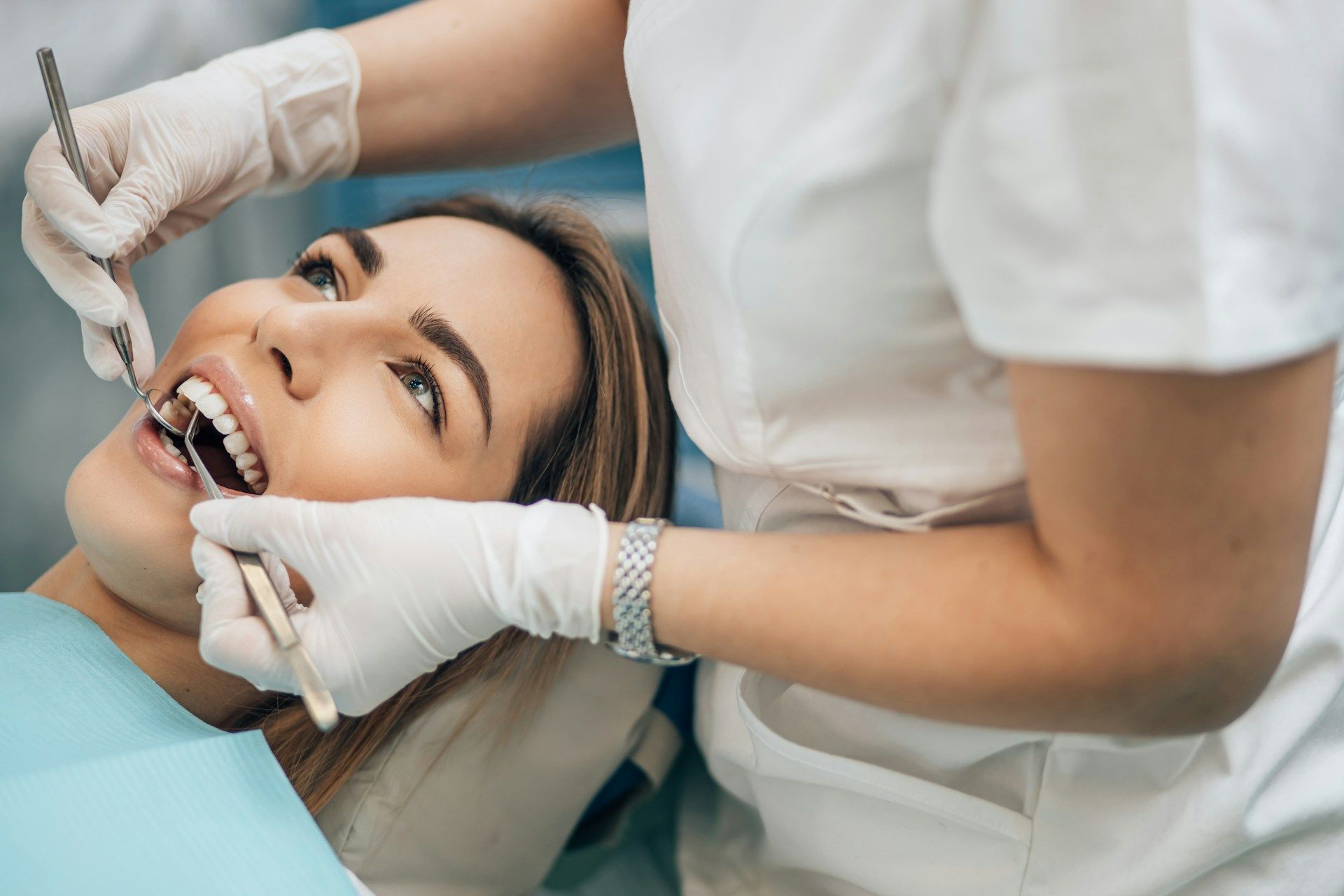
Your first visit with a sleep dentist is usually relaxed and information-focused. You can expect:
- Detailed health and sleep questionnaires
- Review of any previous sleep studies or lab reports you bring
- Review of your medical and dental history
- A focused exam of your teeth, jaw joints, airway, tongue, and bite
If you have not had a formal sleep apnea diagnosis, the dentist will often work with your doctor or a sleep specialist to arrange a sleep study. This may be an overnight study in a lab or a home sleep test, depending on your situation and your medical team’s recommendations.
Once there is a clear diagnosis, you and the dentist can talk through treatment options. If a custom oral appliance looks appropriate, the dentist will explain:
- How the device works for your specific airway
- How impressions or digital scans are taken
- Typical timelines for making and fitting the appliance
- How follow-up adjustments are handled
It is also a good time to ask about insurance and coverage. Sleep apnea appliances are usually billed through medical insurance, not dental. Things to clarify include:
- Whether a referral or documentation from your physician is needed
- How the office handles pre-authorization
- What follow-up visits are expected and how they are billed
Having clear information up front can lower stress so you can focus on feeling better.
Making Treatment Comfortable, Convenient, and Sustainable
A well-designed oral appliance should fit your mouth, your sleep habits, and your daily routine. A good sleep disorder dentist in Boston will personalize your care by considering:
- The shape of your teeth and jaw
- Your bite and joint comfort
- Material choices and appliance style
- How adjustable the device is over time
Some people feel mild jaw soreness or tooth changes when they first start therapy. Regular follow-up visits give the dentist a chance to adjust the appliance, guide you through stretches or comfort tricks, and watch for any bite shifts or dental changes.
Follow-up is also important for checking results. Many patients are asked to:
- Repeat a sleep study while wearing the appliance
- Track changes in snoring, energy, and morning symptoms
- Stay in touch with their medical team about blood pressure or other health issues
Along the way, your sleep dentist may share lifestyle tips that work well with oral appliance therapy, such as:
- Sleep position ideas that may help keep the airway open
- Guidance on alcohol or heavy meals near bedtime
- Travel suggestions so your device stays with you and protected
Consistent communication among you, your sleep dentist, and your doctors helps turn better sleep into better overall health.
Take the Next Step Toward Restful, CPAP-Free Sleep
If you snore loudly, wake up tired, or have already been told you have sleep apnea, finding the right partner for care can change how you feel each day. Working with a sleep disorder dentist in Boston who understands both teeth and breathing can give you another path besides CPAP or surgery and can fit more easily into work, family plans, and travel.
At Great Sleep Dental, we focus our practice on helping people breathe more easily at night using custom oral appliances and other non-surgical options. By combining dental skill with sleep-focused training and close collaboration with medical providers, we aim to create care that is clear, comfortable, and built around your life so you can move toward quieter nights and more alert, safer days.
Take The First Step Toward Better Sleep and Health
If you are struggling with snoring, fatigue, or suspected sleep apnea, we are here to help you find answers and relief. As a dedicated
sleep disorder dentist in Boston, Great Sleep Dental focuses on comfortable, non-surgical solutions tailored to your needs. Schedule a consultation so we can review your symptoms, coordinate with your sleep physician if needed, and explain your treatment options clearly. To request an appointment or ask questions, please
contact us today.