Workday Brain Fog and the Hidden Dental Side of Sleep Apnea
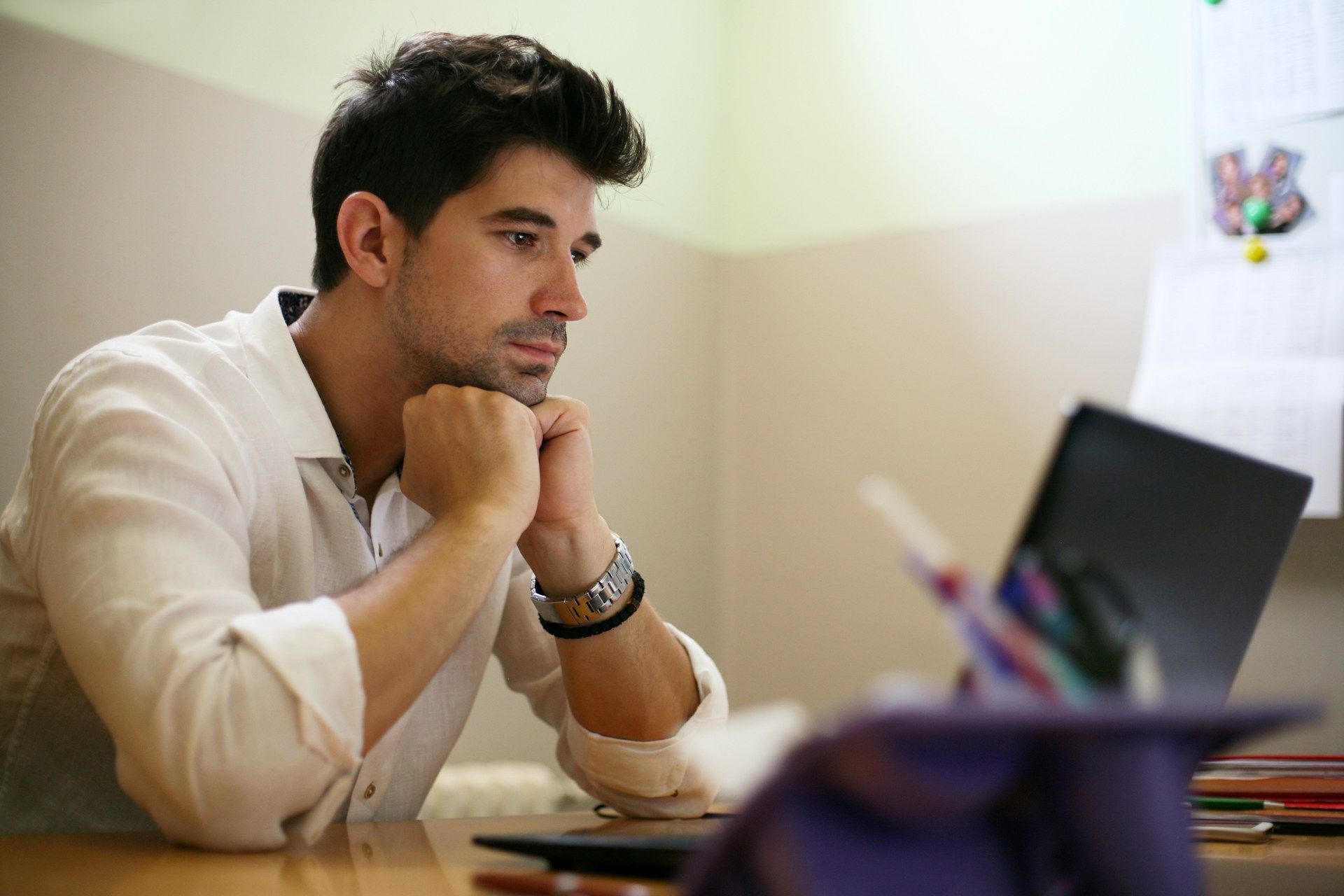
Sharpen Your Workday Focus by Fixing Your Sleep
Brain fog at work is not just “being tired.” When your brain feels slow, fuzzy, and hard to motivate, even simple tasks can feel like climbing a hill. Many busy people in the Boston area push through it with extra coffee, sugar, or longer hours, but the fog keeps coming back.
On long summer workdays, with early sunrises, late sunsets, and packed calendars, that fog can feel even heavier. You start the day with good intentions, then by mid-morning you are rereading the same email, forgetting small details, or snapping at coworkers for no real reason. Something deeper may be going on with your sleep.
One hidden cause of this daytime drag is obstructive sleep apnea, a breathing problem that disrupts your sleep cycle all night long. Most people connect sleep apnea with loud snoring or CPAP machines, but there is also a quieter, more comfortable dental side to treatment that many do not know about. In this article, we will walk through how sleep apnea affects your brain, what dentists can see in your mouth, and how sleep apnea dental treatment may help you think more clearly again.
How Sleep Apnea Quietly Drains Your Brainpower
Obstructive sleep apnea happens when the soft tissues in your throat and the back of your mouth relax and block your airway during sleep. Your brain senses that drop in airflow and oxygen, then quickly wakes you just enough to reopen the airway. These are called micro-awakenings. You might not remember them, but they can happen over and over through the night.
So, on paper it may look like you slept 7 or 8 hours. But the sleep is broken, light, and restless. Your brain does not spend enough time in the deep sleep stages it needs to repair itself and reset. That broken sleep then shows up the next day as:
- Trouble staying focused in meetings
- Slower reaction times while driving or using equipment
- Short-term memory slips, like losing your train of thought
- Irritability, low patience, or feeling “on edge”
During long workdays, this can add up. By the afternoon, you may feel like you are moving through mud while everyone else is moving at normal speed. You might think, “I must just be stressed,” and miss the real cause.
Common warning signs busy professionals often overlook include:
- Nodding off on the T, commuter rail, or in the rideshare
- Reaching for extra coffee or energy drinks to get through the day
- Waking with headaches or a sore, dry mouth
- Feeling unrefreshed most mornings even after a “full night” in bed
Sleep apnea is not just about brain fog either. It has been linked with increased risk of high blood pressure, heart strain, and a higher chance of drowsy driving accidents on the way to or from work. This is why getting a proper diagnosis and treatment plan is so important.
The Overlooked Dental Clues Hidden in Your Mouth
Many people are surprised to learn that their dentist might be one of the first professionals to spot signs of sleep apnea risk. Your mouth, jaw, and bite all play a big part in how well you breathe when you lie down at night.
During a dental exam, certain findings may raise concern, such as:
- Worn or flattened teeth from clenching or grinding
- Scalloped or rippled edges along the sides of the tongue
- A narrow dental arch that leaves less room for the tongue
- A smaller lower jaw that seems to sit back toward the throat
These features can reduce the size and stability of your airway, especially when your muscles relax in sleep. If your tongue has less room, it is more likely to fall backward and block airflow. If your jaw naturally sits back, the space behind it can become crowded when you are lying on your back.
A clinic that focuses on dental sleep medicine looks at your teeth and gums, but also your breathing patterns, your jaw position, and your sleep symptoms. When they see red flags, they can coordinate with medical providers and help arrange formal sleep testing if it is needed.
It is also important to know that sleep apnea is not only a problem for people with obvious snoring or major dental issues. Some people have fairly straight, healthy teeth and still have subtle airway problems. That is why a focused dental sleep evaluation can be so helpful when brain fog does not match your busy schedule.
CPAP Is Not Your Only Option for Clearer Days
Many people know about CPAP, which uses gentle air pressure through a mask to keep the airway open. It can be very effective, but it is not always easy to live with. Masks can feel warm, noisy, or awkward, especially on sticky Boston summer nights. Some people find they keep pulling the mask off in their sleep.
For many patients with mild to moderate obstructive sleep apnea, there is another option: custom oral appliance therapy. This is a small device that fits over your teeth, somewhat like a night guard or retainer. While you sleep, it gently moves your lower jaw slightly forward to help keep your airway more open.
For busy professionals, oral appliances often have practical advantages:
- They are small and easy to pack in a work bag or carry-on
- There are no hoses, straps, or machines on the nightstand
- They are quiet, which many bed partners appreciate
- Many people adjust to them more quickly than to a mask
At a dental sleep medicine clinic, providers are trained to design, fit, and fine-tune these devices. They work with your medical team to monitor how well the appliance controls your sleep apnea and how you feel during the day.
From Groggy Mornings to High-Performance Workdays
When someone starts sleep apnea dental treatment, the process is structured, but it is not complicated. The first visit usually includes a detailed conversation about your sleep, workday fatigue, snoring, and health history, along with a careful exam of your teeth, jaw, tongue space, and airway.
Depending on your symptoms, a sleep physician may order a home sleep test or a lab study to measure breathing, oxygen levels, and sleep stages. If sleep apnea is confirmed and an oral appliance is appropriate, the next steps often look like this:
- Precise impressions or digital scans of your teeth
- Custom design of the appliance for your mouth and bite
- A fitting visit to make sure it feels snug but comfortable
- Follow-up visits to gradually adjust the jaw position
Those follow-up visits are key. The goal is not just comfort, but also control of your apnea events so your brain can settle into deeper, more restorative sleep. Over time, many people notice they wake feeling clearer, need less caffeine to get going, and find it easier to stay mentally sharp through long meetings or complex projects.
Better sleep often spills over into the rest of life. Patients frequently share that their snoring gets quieter or stops, they have more energy for walks along the Charles after work, or they feel more patient with family and friends in the evening.
Take the First Step Toward a Clearer Summer Mind
If you are blaming brain fog on being busy or getting older, it might be worth asking a different question: could poor sleep and hidden breathing problems be part of the story? This is especially true if you snore, wake up tired most days, get morning headaches, or have struggled with CPAP.
At Great Sleep Dental, we focus on sleep apnea dental treatment and CPAP alternatives for people in the Boston area and beyond. A focused dental sleep evaluation can help uncover whether your teeth, jaw, and airway are part of your daytime fog. With the right plan, many people find that clearer thinking, steadier mood, and safer commutes are not out of reach; they were just waiting on better sleep.
Take Control Of Your Sleep And Health Today
If you are tired of restless nights and daytime exhaustion, our team at Great Sleep Dental is ready to help you breathe and sleep easier. Schedule an appointment to explore how our personalized
sleep apnea dental treatment can fit your needs and lifestyle. We will walk you through every step, from evaluation to comfortable treatment options. If you have questions or want to book a visit, please
contact us today.