Runners’ Guide to Sleep Apnea Treatment in Boston Clinics

Boost Your Running Performance with Better Sleep
Strong training plans and smart nutrition help runners get faster. But when progress stalls, even with perfect tempo runs and long runs along the Charles, sleep is often the missing piece. Many runners push harder, when the real problem is what happens at night.
Quality sleep supports muscle repair, hormone balance, and brain function. When you have untreated sleep apnea, your airway repeatedly closes while you sleep. This can break up your rest, drop your oxygen, and keep your body from getting the deep recovery it needs, even if you think you slept enough hours.
In this guide, we will talk about how sleep apnea affects runners, the signs to watch for, how sleep apnea treatment in Boston works, and why options like custom oral appliance therapy at dental sleep medicine clinics can fit an active lifestyle.
Why Even Fit Runners Can Have Sleep Apnea
A lot of people believe sleep apnea only happens to older adults who do not exercise. That is not true. Many runners are lean, strong, and dedicated, yet still struggle with airway problems at night.
Sleep apnea is often related to things like:
- Jaw and tongue position during sleep
- The size and shape of the airway
- Nasal congestion or narrow nasal passages
- Family history of snoring or sleep apnea
Even if your body weight is in a healthy range, these factors can cause your airway to collapse when your muscles relax at night. For runners, the symptoms may look a little different and are easy to blame on training.
Common but easy-to-miss clues include:
- Waking up tired, even after going to bed early
- Mid-run fatigue that does not match your pace or training load
- Frequent overuse injuries or slow healing
- Mood changes like irritability or feeling on edge
- Slower race times that do not match your workouts
When your airway closes many times each night, oxygen levels can drop again and again. This puts extra strain on your heart and blood vessels. Over time, that stress can affect blood pressure and limit how well you adapt to workouts. You might be training hard but not getting the full benefit because your body is stuck in catch-up mode.
Clues Your Body Gives You During Race Season
Race season around Boston often means early mornings, long miles, and travel to events. Heat, humidity, and nerves can make sleep apnea signs even more obvious.
Some runners notice problems most clearly during big training blocks or race weekends. Pay attention to:
- Loud snoring that teammates or roommates mention
- Morning headaches before long runs or on race day
- Needing several cups of coffee just to feel normal
- Unusually high heart rate on easy runs or warmups
If you share hotel rooms for out-of-town races, friends may comment that you snore, choke, or gasp in your sleep. That feedback is important and should not be brushed off as just “tired from training.”
Many runners now use smartwatches or fitness trackers. These tools are not medical devices, but they can show trends. Watch for patterns like:
- Low sleep scores, even when you are in bed for enough hours
- Frequent awakenings through the night
- Lower heart rate variability over time
- Resting heart rate that stays higher than usual
If your data and how you feel do not line up with your training plan, it may be time to consider whether a sleep disorder is playing a role.
How Boston Clinics Diagnose Runner Sleep Apnea
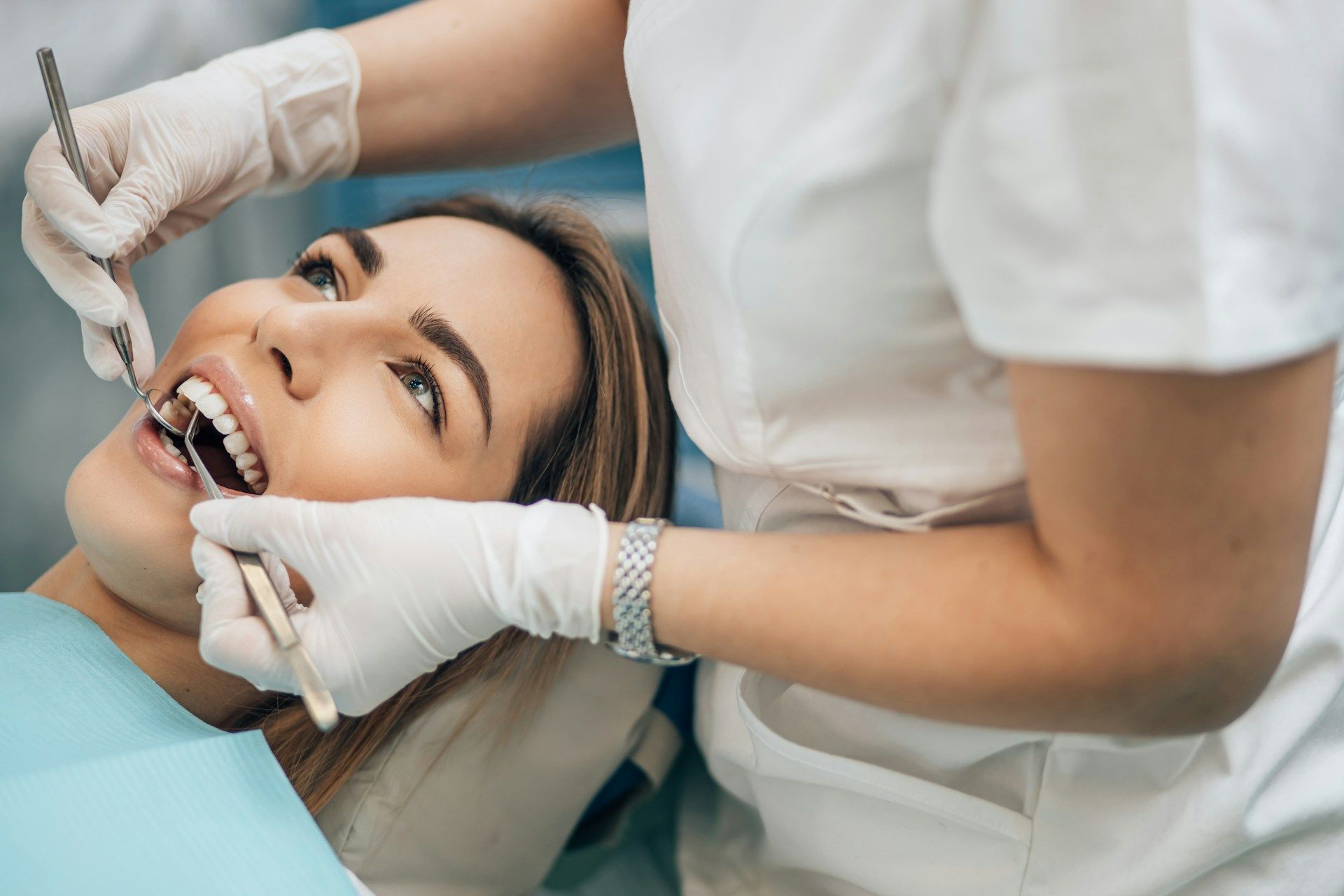
In the Boston area, sleep and dental sleep medicine practices work with people who suspect they have sleep apnea. The first step usually includes a detailed conversation about your health history and daily life.
During an evaluation, a clinician may:
- Ask about snoring, gasping, and waking up at night
- Review your daytime sleepiness and energy levels
- Look at jaw position, bite, tongue space, and airway size
- Ask about teeth grinding, which can be linked with sleep issues
From there, you may be referred for sleep testing. There are two main kinds of tests used to diagnose sleep apnea. One is an in-lab sleep study, called polysomnography, where you sleep overnight with sensors under supervision. The other is an at-home sleep test, which uses a small device you wear in your own bed.
Many active runners like at-home testing because:
- It fits more easily around training and travel
- You sleep in your normal environment
- It may better reflect typical sleep during a training cycle
To help a Boston area provider understand your needs, it can help to bring:
- Training logs and recent race results
- Heart rate and sleep data from your watch or app
- Notes from partners or roommates about snoring or gasping
This information gives the care team a clear picture of how sleep, breathing, and performance connect for you.
CPAP vs. Oral Appliances for Active Lifestyles
Once sleep apnea is diagnosed, treatment is important to support both your health and your running. The most common treatment is CPAP, which uses a machine, tubing, and a mask to keep air flowing into your airway all night.
CPAP can be effective, but some runners find it hard to use, especially with:
- Early alarms for morning workouts
- Hot and humid nights
- Race travel or sharing rooms with teammates
For many active people, a custom oral appliance is another option. At dental sleep medicine practices like Great Sleep Dental, these devices are made to fit your mouth. The appliance gently changes the position of your lower jaw and tongue to help keep your airway more open while you sleep.
From a runner’s point of view, oral appliances can offer:
- Small size and easy packing for race trips
- No mask, tubing, or machine to manage
- Quiet use, which can be more comfortable for bed partners
Consistency matters a lot with sleep apnea treatment. When a treatment fits your lifestyle, you are more likely to stick with it. Better nightly breathing can support long-term heart health, steadier energy, and the training gains you have worked for on the roads and trails.
Finding the Right Sleep Apnea Treatment in Boston
Choosing a clinic for sleep apnea treatment in Boston is a little like choosing a coach. You want someone who understands your goals and works as part of a team.
Useful things to look for include:
- Experience with dental sleep medicine
- Clear communication with sleep physicians
- A focus on custom-fit oral appliances rather than one-size-fits-all devices
- A plan for follow-up visits and adjustments over time
It is also helpful to ask how a clinic considers local factors. In New England, many runners deal with seasonal allergies, dry indoor air in winter, and big training swings between cold months and summer heat. A thoughtful plan will take these changes into account and adjust as your training year shifts.
Before starting care, you can:
- Confirm insurance coverage and referral needs
- Ask what types of oral appliances are offered
- Learn how the team monitors your progress over time
At Great Sleep Dental, we focus on personalized oral appliance therapy as an alternative to CPAP. Our goal is to help runners in the Boston area blend sleep apnea treatment in Boston with real-life training, races, and daily routines so sleep supports every mile you run.
Take Control Of Your Sleep And Health Today
If you are tired of waking up exhausted or worried about loud snoring and breathing pauses at night, we are here to help you find real answers. At Great Sleep Dental, our customized
sleep apnea treatment in Boston focuses on improving both your nightly rest and your long-term health. Reach out today so we can review your symptoms, explain your options, and guide you toward a solution that fits your life. If you are ready to talk with our team, simply
contact us to schedule a visit.