Dentists and Sleep Physicians in Boston: Co-Managed Sleep Apnea Care
Wake up Refreshed with Team-Based Sleep Care
Snoring, winter fatigue, and brain fog can make even a normal workday in Boston feel exhausting. When sleep is broken and shallow, mornings feel heavy, focus slips, and simple tasks take more effort. Many adults blame stress, age, or long dark commutes, but ongoing snoring and tiredness can be a sign of something bigger: sleep apnea.
Good news, you do not have to sort this out alone. A sleep disorder specialist in Boston and a dentist trained in dental sleep medicine can work together to look at both your overall health and your airway. This team approach can make testing easier, treatment more comfortable, and long-term results more reliable. In this article, we will walk through when to see each type of provider, how co-managed care works, and what you can expect if oral appliance therapy becomes part of your plan.
Why Sleep Apnea Needs a Medical and Dental Team
Sleep apnea is more than loud snoring. With obstructive sleep apnea, the airway repeatedly narrows or closes during sleep. Breathing can stop for brief moments, then start again with a gasp or snort. This can happen many times per night, even if you do not fully wake up.
Because sleep apnea affects the whole body, it is considered a medical condition that must be diagnosed by a physician. A sleep disorder specialist in Boston is trained to:
- Review your medical history and current symptoms
- Look at risk factors like heart disease and high blood pressure
- Order and interpret sleep studies, either at home or in a lab
- Talk through treatment options such as CPAP, oral appliances, or other therapies
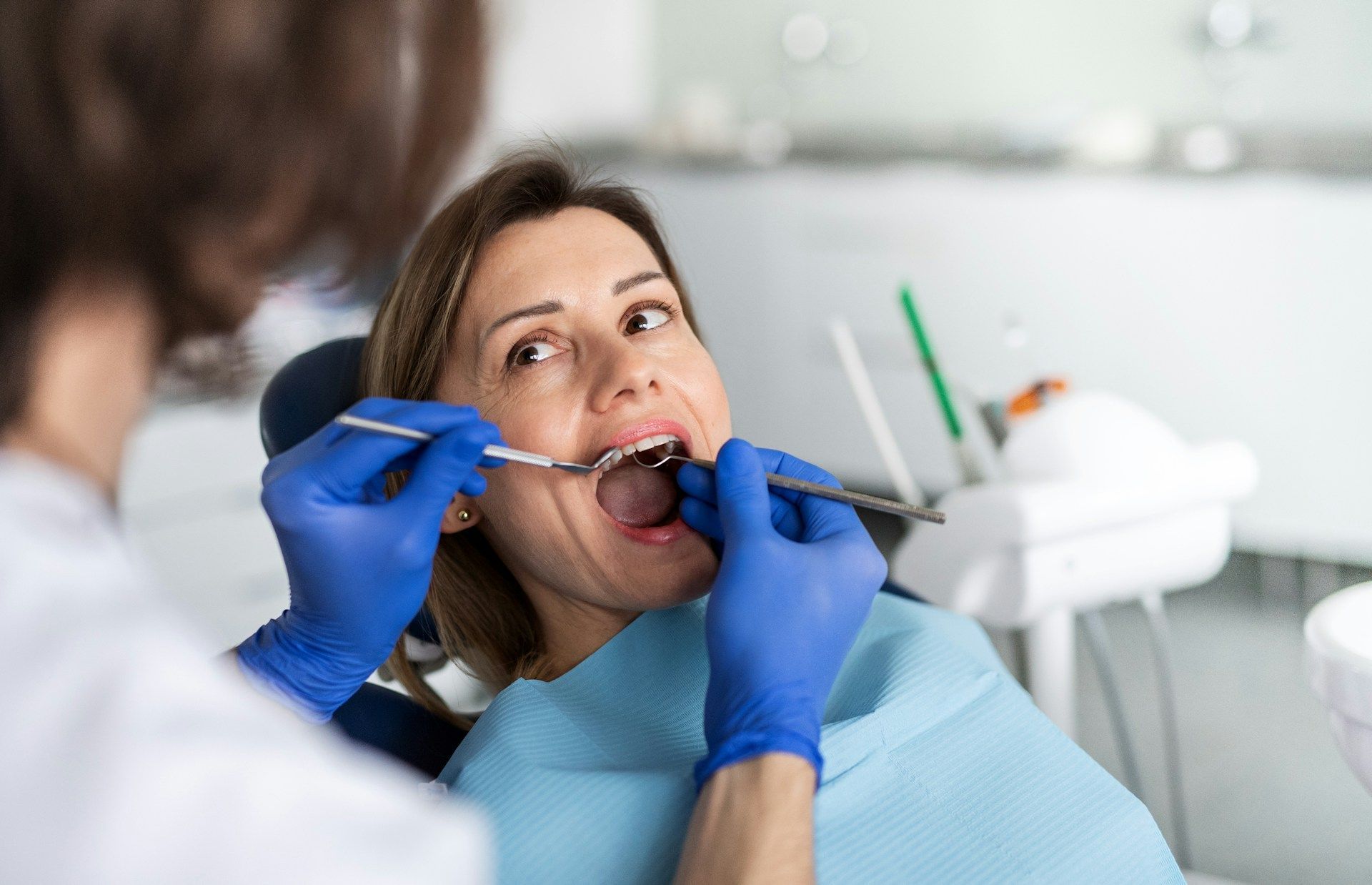
A dentist who focuses on dental sleep medicine looks at a different piece of the puzzle. During a dental sleep visit, the provider will typically:
- Examine the shape of your jaw, tongue, and airway space
- Check your bite, teeth, and jaw joints
- Decide whether your mouth and jaw can safely support an oral appliance
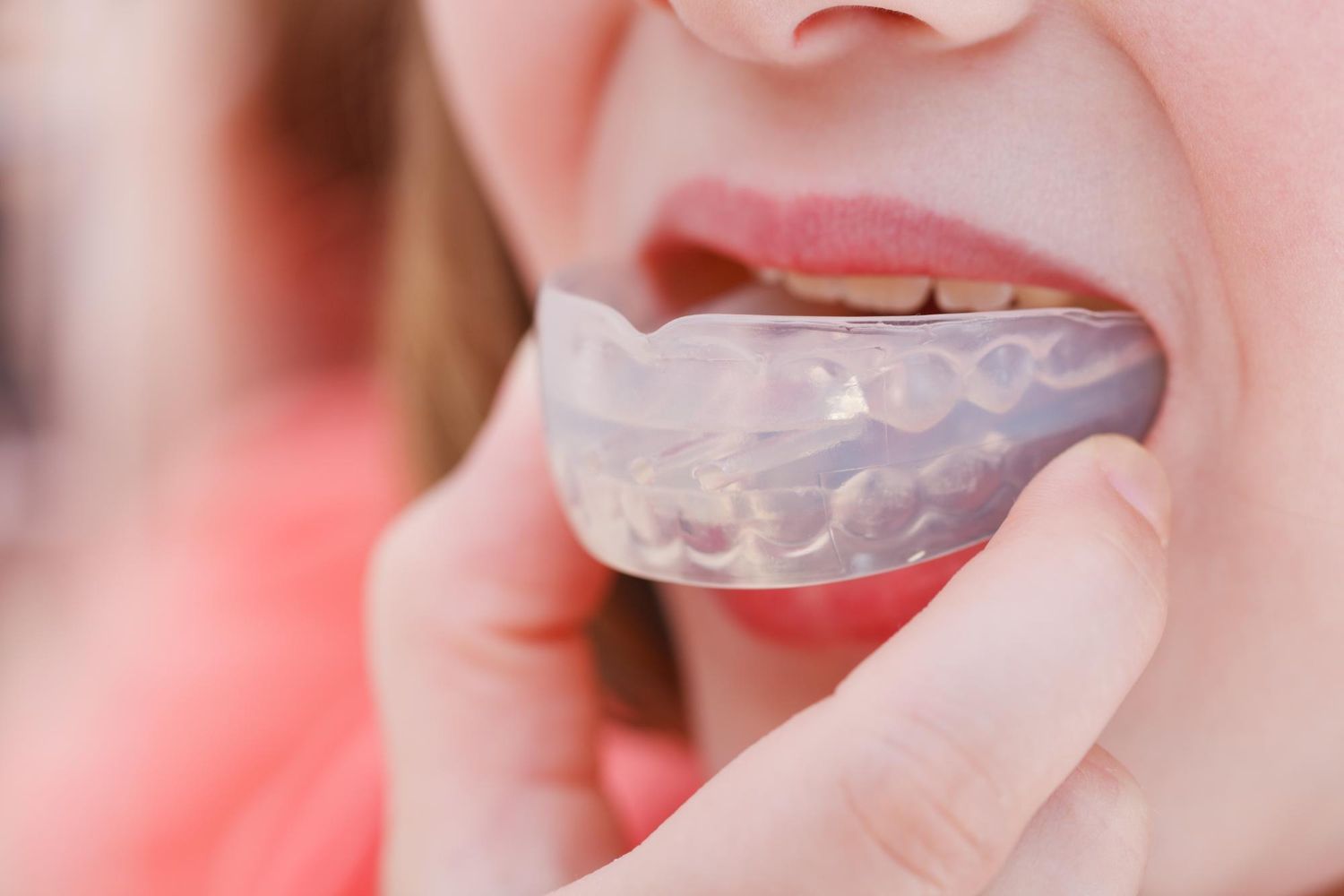
- Design and fit a custom device that helps keep the airway more open during sleep
When both providers work together, you get a complete view of your health. The physician confirms the diagnosis and tracks medical risks. The dental sleep provider focuses on comfort, jaw position, and day-to-day use of the appliance. This shared care can support safer treatment and better long-term follow-up.
When to Call a Sleep Physician vs. a Dental Sleep Clinic
It can be confusing to know where to start. Here are signs that usually point to seeing a sleep physician first:
- Loud snoring with pauses in breathing
- Gasping, choking, or waking up short of breath at night
- Morning headaches or dry mouth
- High blood pressure that is hard to control
- Extreme daytime sleepiness, especially on early or late commutes
These signs can mean moderate or severe sleep apnea, so getting a medical evaluation is important. The physician can order a sleep study and confirm whether sleep apnea is present and how severe it is.
There are also times when it makes sense to contact a dental sleep medicine clinic first, especially if you already know you have sleep apnea. Many people reach out to a dental sleep provider because:
- They have a sleep apnea diagnosis but struggle to use CPAP
- Their snoring bothers a bed partner, even if they feel “fine”
- They notice jaw soreness, bite changes, or teeth grinding along with snoring
- They want to learn about a CPAP alternative that could be easier to live with
In many cases, you will end up seeing both providers. The physician confirms or updates your diagnosis, then the dental sleep provider talks with you about whether an oral appliance fits into your care plan. Formal diagnosis and communication between providers can also support insurance coverage for medical-grade oral appliances, especially when medical need is clear.
How Co-Managed Sleep Apnea Care Works in Boston
Co-managed care is simply a team approach with clear steps. A typical path may look like this:
1. Initial consultation
You might start with a sleep physician or with a dental sleep clinic, depending on your symptoms and history. The first visit usually includes a detailed health and sleep review and a basic exam.
2. Sleep study
If sleep apnea is suspected, the physician orders a sleep study. This may be done at home or in a sleep lab. The study measures breathing pauses, oxygen levels, and sleep stages so the physician can make a diagnosis.
3. Diagnosis and treatment planning
After the study, the sleep physician shares the results. Together, you discuss options, which may include CPAP, oral appliance therapy, weight management, or a mix of approaches. If an oral appliance might help, the physician works with a dental sleep provider to coordinate care.
4. Dental sleep evaluation
At a dental sleep clinic, once the diagnosis is shared, the visit may include:
- Airway exam, jaw and bite evaluation
- Review of dental and jaw joint health
- Digital scans or impressions for a custom oral appliance
- Discussion of different device styles and how they work
5. Appliance fitting and adjustments
When the custom appliance is ready, the dentist checks the fit and shows you how to use and clean it. Follow-up visits adjust the appliance to find the best balance of comfort and airway support.
6. Feedback loop and follow-up
The dentist and sleep physician stay in contact. They may review:
- Symptom changes, like snoring and morning energy
- Follow-up sleep testing to confirm that events are controlled
- Any jaw or bite changes over time
Regular visits with both providers help watch your airway, jaw health, and overall medical risks, so care stays on track as your life and health change.
What to Expect From Oral Appliance and CPAP Alternative Care
A custom oral appliance for sleep apnea is usually a slim device that fits over the teeth, a bit like a night guard. It gently holds your lower jaw slightly forward to help keep the airway more open. Most people notice:
- A few nights of getting used to the new feeling
- Mild jaw or tooth awareness that often fades as the mouth adapts
- Easier breathing in certain sleep positions compared to no treatment
Compared with CPAP, oral appliances can be:
- Easier to pack for work trips or visits with family
- Quiet for bed partners, with no motor or airflow noise
- More comfortable for people who struggle with masks or nasal irritation
A sleep disorder specialist in Boston and a dental sleep provider decide together whether an oral appliance is right for you. They will consider:
- The severity of your sleep apnea
- Your experience with CPAP or other treatments
- The health of your teeth, gums, and jaw joints
- Your usual sleep positions and daily routine
Seasonal factors can also play a role. When air is dry and cold, CPAP users may notice more congestion or dryness. Busy schedules can make it harder to keep up with cleaning and travel setups. In these cases, some people find that a simple, portable oral appliance fits their life better and is easier to stick with consistently.
Taking the Next Step Toward Better Sleep and Breathing
Snoring, fatigue, and winter sluggishness do not have to be your “normal.” When a sleep physician and a dental sleep medicine provider share your care, you get support for both your overall health and your nightly comfort. This team can help protect your heart, mood, and daily focus while also making treatment more practical to use every night.
At Great Sleep Dental in the Boston area, we work closely with medical sleep providers to support adults who snore or have sleep apnea. Whether you still need testing with a sleep disorder specialist in Boston or you already have a diagnosis and want to explore oral appliance options, co-managed care can give you a clear, coordinated path forward. Starting that process before schedules get even busier can help you move into the new year with calmer nights, clearer mornings, and more confidence in your long-term health.
Take The First Step Toward Restful, Restorative Sleep
If you are tired of waking up exhausted or hearing from loved ones about your snoring, we are ready to help you find real relief. As a dedicated
sleep disorder specialist in Boston, Great Sleep Dental focuses on comfortable, custom oral appliance solutions that fit your life. Reach out to
contact us so we can review your symptoms, answer your questions, and recommend the next best step. Together, we can create a plan that helps you finally wake up feeling rested and clear-headed.