Recognizing Sleep Breathing Changes After Weight Loss

How Weight Loss Can Transform Your Nighttime Breathing
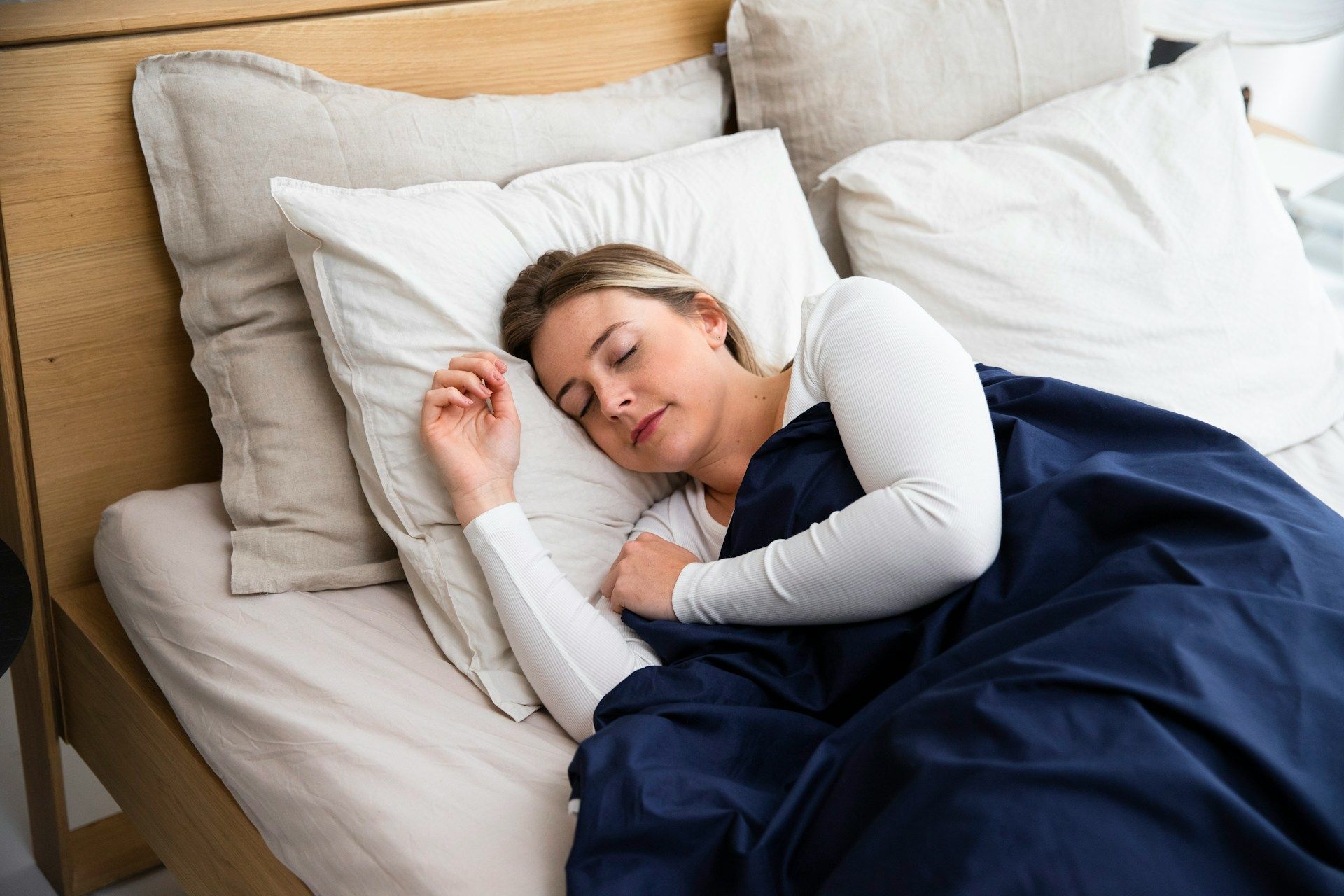
Weight loss does not just change your clothing size. It can also change how you breathe while you sleep. Sometimes breathing improves, snoring gets quieter, and mornings feel easier. Other times, new sleep breathing problems start to show up after the pounds come off.
In the Boston area, many people notice these changes in the fall. Routines shift after summer, outdoor activity slows down, schedules tighten with school and work, and cooler nights make sleep feel different. These changes can make you more aware of snoring, gasping, or waking up tired. Paying attention to sleep breathing in Boston after weight loss is one of the most helpful ways to protect your health and energy.
At Great Sleep Dental, we focus on dental sleep medicine and CPAP alternatives. Our team, led by Dr. Annisya Bagdonas, helps patients understand how weight shifts, jaw position, and airway anatomy all connect to snoring and sleep apnea.
The Link Between Weight, Airway Anatomy, and Snoring
Extra weight often settles around the neck, jaw, and tongue. During sleep, muscles relax, gravity pulls downward, and this extra soft tissue can narrow the airway. When the airway gets smaller, air has to squeeze through, and that can lead to snoring or even full breathing pauses.
Here is how weight and anatomy can affect nighttime breathing:
- More tissue around the neck can press on the airway
- A larger tongue can fall back toward the throat when you lie down
- Swollen or inflamed tissues can crowd the space you use to breathe
- A recessed jaw or narrow dental arch can leave less room for the tongue
When you lose weight, some of that tissue bulk and swelling can decrease. The airway may open a bit more, so air flows through with less noise and resistance. Snoring might get softer, gasping may happen less often, and you may wake up fewer times at night.
But the story is not always simple. Even after healthy weight loss, you may still have:
- Jaw alignment that encourages the tongue to fall backward
- Muscle tone changes that show up more when tissue bulk goes down
- Bite issues that affect how the jaw sits during sleep
- Long-standing obstructive sleep apnea that is better, but not gone
This is why it is important not to assume weight loss alone will completely fix snoring or sleep apnea. It can help a lot, but airway shape, jaw position, and sleep habits still matter.
Signs Your Sleep Breathing Is Changing After Weight Loss
After weight loss, your sleep might feel different, and those changes are worth noticing. Some are positive, and some are warning signs that you still need support.
Positive changes can include:
- Quieter or less frequent snoring
- Fewer nighttime trips to the bathroom
- Less dry mouth in the morning
- Feeling more rested and focused during the day
When these show up, it is a good sign your airway may be more open and your sleep may be deeper.
But there are also signs that sleep apnea could still be present or showing in a new way, such as:
- Waking up choking, gasping, or short of breath
- Morning headaches that are hard to explain
- Jaw soreness, clenching, or nighttime teeth grinding
- A bed partner noticing pauses in breathing or loud snorts
Sometimes you might feel more sensitive to these symptoms after lifestyle changes in fall. Darker evenings, earlier bedtimes, and quieter indoor nights can make snoring and breathing patterns easier to notice. Anyone who has lost a noticeable amount of weight, or whose routine has shifted with the cooler Boston months, should reassess their sleep breathing in Boston instead of assuming it is now normal.
When to Reevaluate CPAP, Oral Appliances, and Sleep Studies
A significant weight change, whether loss or gain, often means your previous sleep breathing setup may need a second look. If you have ever been told you have sleep apnea, weight changes are one of the main reasons sleep specialists suggest repeating a sleep study.
That is especially true if:
- You use CPAP and notice the mask feels too strong or not strong enough
- You have a custom oral appliance and it feels different after weight loss
- You stopped using CPAP or an oral appliance on your own after losing weight
- Your symptoms are changing, even if they seem "better"
For patients using an oral appliance, weight loss may make the jaw or teeth sit a bit differently. In many cases, the device can be adjusted to stay comfortable and effective. Sometimes it makes sense to redesign the appliance to match your new anatomy and goals. For some, a custom oral device can work as an alternative to CPAP when used under professional guidance.
Repeating a sleep study can show how your breathing has changed. At-home sleep studies let you sleep in your own bed, follow your normal routine, and still gather detailed information about snoring, oxygen levels, and breathing pauses. As nights grow longer and cooler in the Boston area, many people find at-home testing more comfortable than a lab setting.
How a Dental Sleep Specialist Personalizes Your Care
This is where a dental sleep medicine provider can help tie everything together. After weight loss, your teeth, jaw, and airway do not always match your old sleep plan. A specialist can look at how all these parts now fit and function when you lie down to sleep.
When you visit Great Sleep Dental, you can expect a step-by-step approach that may include:
- A detailed talk about your sleep, weight history, and current symptoms
- A focused oral and airway exam, including jaw movement and bite
- A review of any past sleep studies or sleep treatments
- Discussion of diagnostic options, such as at-home sleep studies
From there, we help build a plan around your life, not just your numbers. That includes your work hours, travel needs, and seasonal schedule changes. Some people need a portable option for business trips, others want a quiet solution that will not bother a light-sleeping partner. We listen to comfort preferences around CPAP and oral appliances and then work together to find a path that feels realistic and sustainable for you.
Taking the Next Step for Better Sleep Breathing in Boston
If you have lost weight, changed your fall routine, or started hearing new comments about snoring, this is a good time to pay closer attention to your sleep. Many people guess about their breathing at night, but guessing can leave real problems hidden for years.
A simple way to get started is to:
- Track how you feel in the morning for one to two weeks
- Note any headaches, dry mouth, or middle-of-the-night awakenings
- Ask a bed partner to watch or record your snoring and breathing pauses
- Bring this information to a professional sleep breathing evaluation
At Great Sleep Dental, we focus on helping people in the Boston area find calmer, more restorative sleep breathing through careful diagnostics and custom oral appliance options. When weight, routines, and seasons change, it is worth taking a fresh look at your nighttime breathing so you can move into the colder months with more steady energy and quieter nights.
Take The First Step Toward Better Sleep And Health
If you are struggling with snoring or nighttime breathing issues, we are here to help you find answers and real solutions. Learn how we support healthier
sleep breathing in Boston and what that can mean for your long-term health and energy. At Great Sleep Dental, our team will listen carefully, evaluate your concerns, and personalize a treatment plan that fits your life. Have questions or ready to schedule an appointment today? Just
contact us.