Coordinated Sleep Disorder Care in Boston: Dentists and Sleep Physicians

Finally Get Answers About Your Sleep in Boston
If you wake up tired even after a full night in bed, something deeper than “bad sleep” might be going on. Many Boston professionals and busy parents push through foggy mornings, short tempers and mid-afternoon crashes and just blame stress or a busy schedule. But loud snoring, gasping for air, or waking up often can be signs of sleep-disordered breathing, including sleep apnea.
Real answers usually come from a team, not just one doctor. In our area, the most effective sleep disorder treatment in Boston often includes both a sleep physician and a dental sleep medicine provider working together. At Great Sleep Dental, we are part of that shared care model, helping people move from confusing symptoms to a clear plan. Here is how that team approach works, step by step, from testing to treatment to follow-up care.
Why Team-Based Sleep Care Matters for Your Health
Coordinated sleep disorder care means your medical and dental providers share information and work from the same plan. Instead of everyone guessing on their own, your sleep doctor, dentist, and sometimes your primary care doctor communicate about your symptoms, test results, and treatment progress.
Untreated sleep-disordered breathing can affect much more than your energy level. It can be linked with:
- High blood pressure
- Heart problems
- Type 2 diabetes and weight gain
- Mood changes and irritability
- Trouble with focus, memory, and work performance
Poor-quality sleep may also raise your risk of car accidents and household injuries because you are less alert. When a full team pays attention to your sleep, those risks can be managed more effectively.
Working as a group helps in several ways:
- Diagnoses are more accurate because multiple experts are involved
- Treatment plans can be tailored, such as CPAP, oral appliance therapy, lifestyle changes, or a mix of these
- Patients feel more supported and are more likely to stick with treatment
In a city with many providers like Boston, strong coordination can also help cut through confusion. Good communication between offices can reduce repeat tests, shorten delays, and keep everyone on the same page so your care moves forward smoothly.
From Symptoms to Diagnosis: How Testing and Referrals Work
Most people start with a simple conversation. You might mention snoring, gasping, morning headaches, or heavy daytime sleepiness to your primary care doctor or your dentist. These symptoms can stand out even more when regular routines return after summer, or when you share a room or bed and someone else notices your breathing at night.
A board-certified sleep physician is the medical professional who can diagnose sleep apnea and other sleep disorders. Their role usually includes:
- Ordering a sleep study, either in a lab or at home
- Reviewing your medical history and other conditions
- Interpreting the test results and making a formal diagnosis
- Recommending treatment options that fit your health needs
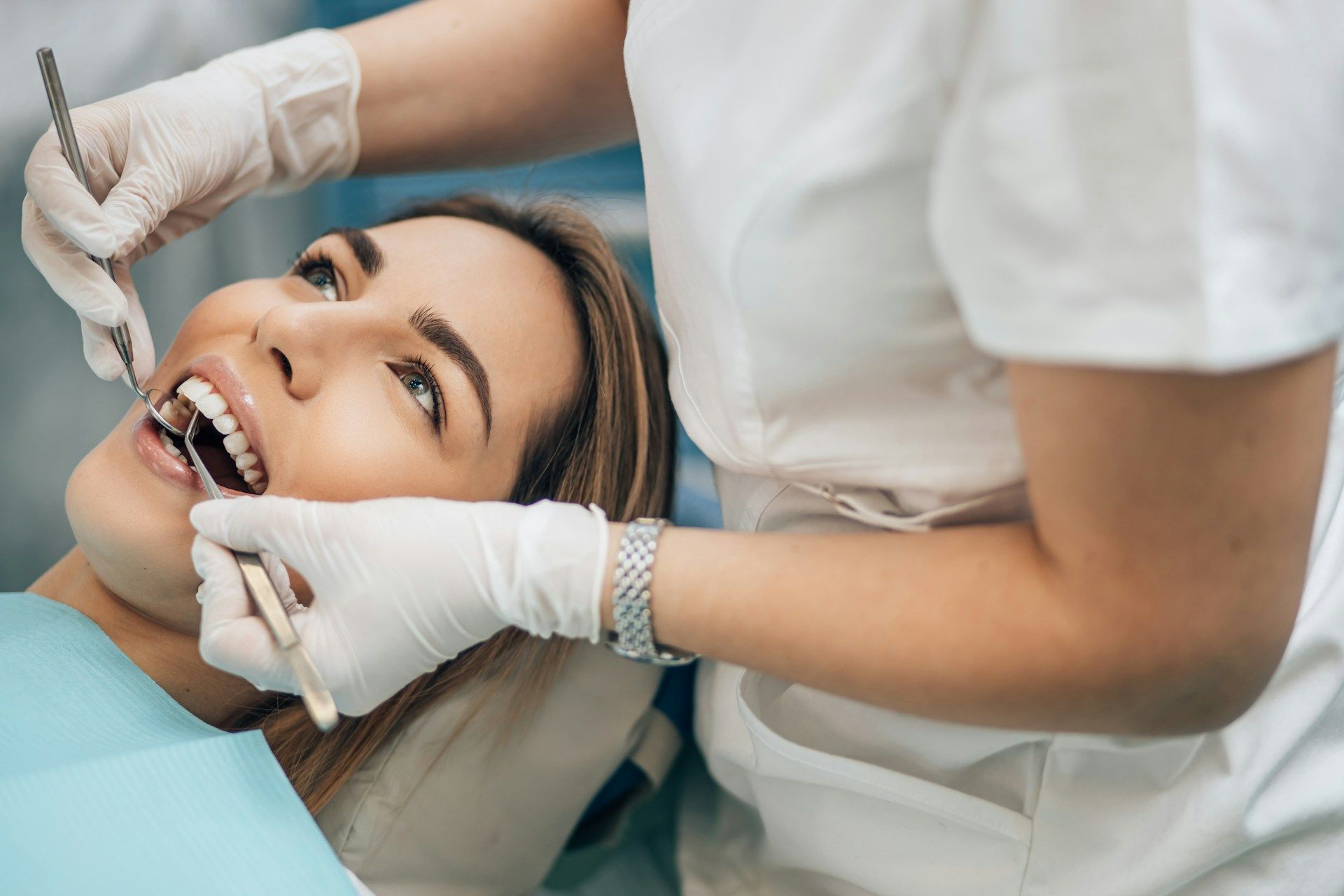
Dental sleep medicine providers, like our team at Great Sleep Dental, fit into this process in an important way. During a dental visit, we may notice signs of sleep-disordered breathing, such as worn teeth from clenching, a crowded airway, or reports of heavy snoring. When we see red flags, we refer patients to a sleep physician for proper testing, instead of guessing.
The referral path goes both ways:
- Sleep physicians may send patients to us when CPAP is not a good fit or is hard to tolerate
- We send patients to sleep physicians when we suspect undiagnosed sleep apnea and testing is needed
This back-and-forth helps make sure people do not slip through the cracks. Everyone on the team knows their role, and you are not left trying to figure out the next step alone.
Custom Oral Appliances as a Comfortable CPAP Alternative
For many people, CPAP is the first treatment offered for obstructive sleep apnea. But some find the mask, tubing, or airflow hard to live with. Oral appliance therapy can be a good option for those with mild to moderate obstructive sleep apnea, significant snoring, or difficulty using CPAP.
At Great Sleep Dental, we focus on custom oral appliances that are made to fit your mouth and jaw. The process usually includes:
- A detailed exam of your teeth, bite, and jaw joint
- Digital or physical impressions so the lab can build a snug, custom device
- Measurements to find a gentle forward position for your lower jaw to help keep your airway more open at night
Compared with CPAP, many people find these oral appliances:
- Quieter, which can help bed partners sleep better
- Easier to pack and use when traveling
- Free of masks, tubing, and straps
- Less likely to be removed in the middle of the night
It is important to understand that these are not over-the-counter snoring mouthpieces. Safe oral appliance therapy requires a prescription from a sleep physician and a clear diagnosis. Then a dental sleep medicine provider works closely with that physician to set goals and adjust the appliance over time. This teamwork helps keep treatment both safe and effective.
Coordinated Follow-up: Tracking Results and Fine-Tuning Care
Starting treatment is only the beginning. Good long-term results come from follow-up and fine-tuning. When sleep physicians and dental sleep medicine providers share your care, they also share responsibility for checking in and making adjustments.
Ongoing care may include:
- Regular visits to adjust the oral appliance as your jaw and muscles adapt
- Follow-up appointments with your sleep physician to review how you are feeling
- Repeat sleep testing to confirm that your apnea or snoring is under control
- Feedback from bed partners about snoring, gasping, or restlessness
At Great Sleep Dental, we pay close attention to how your mouth and jaw respond over time. We monitor jaw comfort, tooth alignment, and bite changes, and coordinate with your sleep physician about any medical changes, such as weight shifts or new heart or blood pressure issues. When everyone shares updates, it is easier to catch small problems early, before symptoms quietly return.
Finding the Right Sleep Disorder Treatment in Boston This Fall
Many people wait until they feel completely worn out before they ask for help. A better approach is to act while you are starting to notice patterns. As the season settles in and routines are more regular, it can be easier to spot snoring, morning headaches, or the need for extra caffeine day after day.
A simple action plan might look like this:
- Track your sleep symptoms for a few weeks and, if possible, record your snoring
- Talk with your primary care doctor or your dentist about the possibility of sleep apnea
- Ask about a referral to a sleep physician for testing
- If CPAP does not feel right for you, discuss whether a dental sleep medicine clinic could be another option
There are many effective and comfortable choices for sleep disorder treatment in Boston, especially when medical and dental specialists work as a team. Great Sleep Dental is proud to play our part in that coordinated care, helping people understand their options and use custom oral appliances when they are a good fit. With the right support, better sleep and better days are possible.
Take The First Step Toward Restful, Restorative Sleep
If you are tired of waking up exhausted or struggling with ongoing snoring and sleep concerns, we are here to help you find relief. Learn how our personalized approach to
sleep disorder treatment in Boston can fit your needs and lifestyle. At Great Sleep Dental, we carefully evaluate your symptoms and work with you to create a treatment plan focused on long-term results. Reach out today through our
contact page to schedule a consultation and start moving toward better sleep.