What Boston Sleep Disorder Dentists Do Beyond CPAP Machines

Sleep Better in Boston Without Relying Only on CPAP
Sleep-disordered breathing covers a range of problems that interrupt your sleep. This includes loud snoring, upper airway resistance where breathing is harder but not fully blocked, and obstructive sleep apnea where the airway repeatedly collapses during sleep. These issues can leave you dragging through the day, struggling to stay alert at work, in class, or during the long commute on the T or the highway.
Many people are given a CPAP machine as the first and only answer. CPAP can work very well, but it is not always easy to live with. Masks can feel tight, the airflow can be uncomfortable, the machine can be noisy, and the setup can be awkward when you travel or share a room. As routines shift in the fall and schedules get tighter, some people simply stop using their CPAP and slip back into poor sleep.
This is where a sleep disorder dentist in Boston can help. Our focus is on non-surgical, oral appliance-based solutions that can replace CPAP for some patients or work alongside it for others. The goal is to match your therapy to your body, your lifestyle, and your comfort so that better sleep actually fits into your life, not the other way around.
How a Sleep Disorder Dentist in Boston Evaluates You
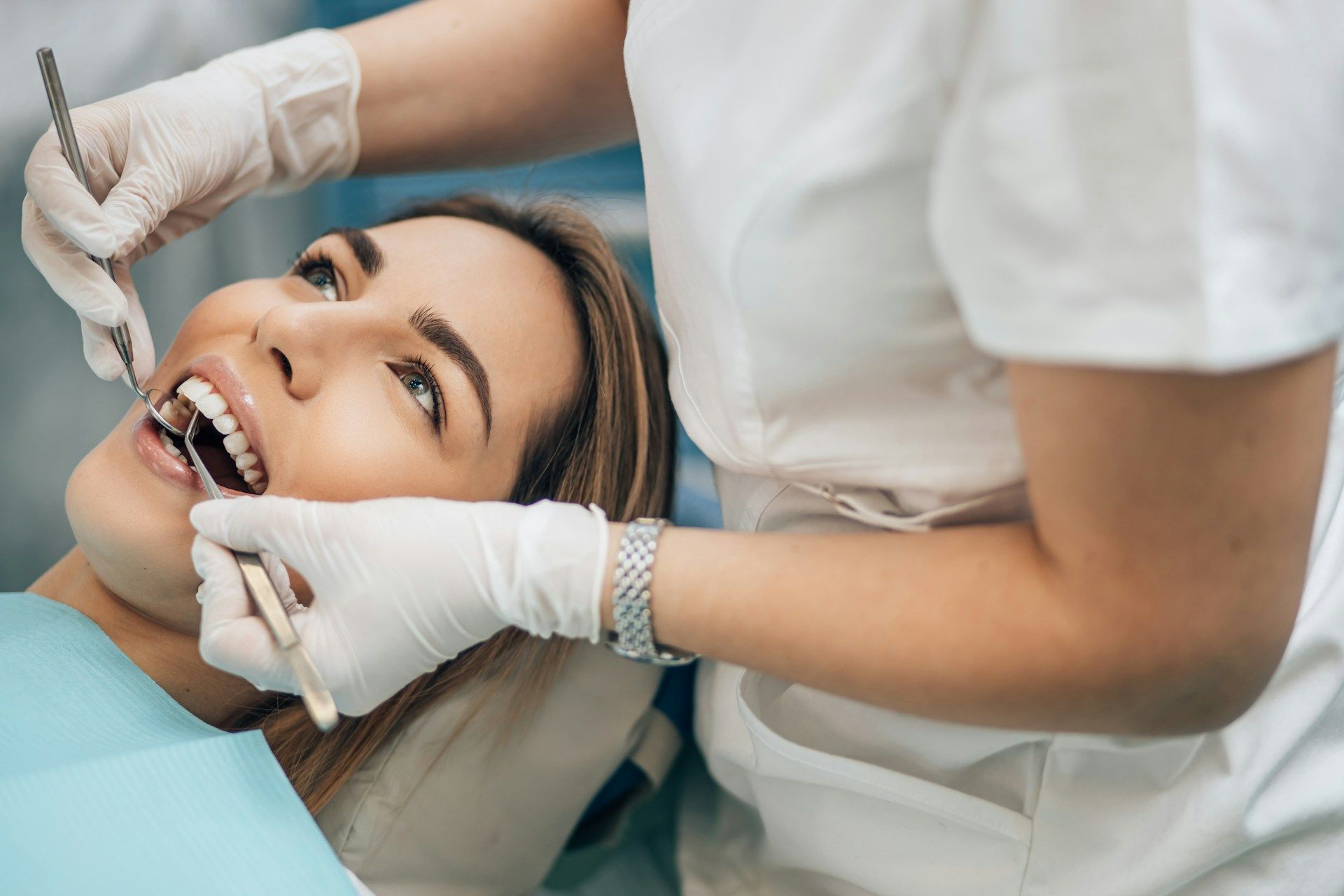
When you visit a sleep disorder dentist, the first step is a careful review of your sleep history. We work with your medical team, including local sleep physicians, to make sure your diagnosis is clear and current. That often means:
- Reviewing any past sleep studies you already have
- Looking at your current symptoms and CPAP experience
- Coordinating new at-home or in-lab sleep testing when needed
This shared approach helps us see the full picture before we suggest any dental sleep treatment.
Next comes a thorough exam focused on your airway and bite. During this visit, we typically look at:
- Jaw position and how your teeth come together
- Tongue size, posture, and space in your mouth
- The shape of your palate and throat area
- Nasal breathing and signs of blockage
- TMJ tenderness or clicking that could affect comfort
These details matter because an oral sleep appliance must work with your natural anatomy, not against it. At a Boston-area clinic like Great Sleep Dental, we also talk through your health history, medications, travel plans, seasonal allergies, and what has or has not worked for you in the past. This helps us build a plan that is personal, rather than one-size-fits-all.
Modern Oral Appliances That Replace or Support CPAP
Dental sleep appliances are small, custom devices that fit over your teeth while you sleep. The two main types we use are:
- Mandibular advancement devices that gently move the lower jaw slightly forward
- Tongue-stabilizing appliances that help keep the tongue from falling back
By changing the position of the jaw or tongue, these devices help keep the airway more open during sleep. That can reduce snoring and lessen breathing pauses linked with obstructive sleep apnea.
For many Boston professionals and students, these appliances fit more easily into daily life than a CPAP machine. They are:
- Quiet and compact in your nightstand
- Simple to pack in a carry-on or backpack
- Free of masks, straps, and hoses
- Often easier to get used to for people with mild to moderate sleep apnea or primary snoring
Oral appliances can sometimes serve as the main treatment, especially for mild to some moderate cases, under medical guidance. In other situations, they are used together with CPAP. For example, an appliance may let you use a lower CPAP pressure, help improve mask fit, or allow seasonal adjustments so you stay on therapy more consistently over time.
What to Expect From Custom Oral Appliance Therapy
If an oral appliance is right for you, the process is careful and step by step. At a sleep disorder dentist in Boston, you can expect:
- Digital scans or impressions of your teeth so the fit is precise
- A custom appliance made in a dental lab based on those scans
- A fitting visit where we check comfort and show you how to use and clean it
After that, we begin a process called titration, which means making small changes in the position of your jaw over several visits. The goal is to find the sweet spot where your airway stays open, your symptoms improve, and your bite and jaw still feel good.
There is usually an adaptation period. In the first few weeks, it is common to notice:
- Mild tightness or pressure on the teeth
- Extra saliva or, less often, temporary dry mouth
- A short period in the morning when your bite feels a bit off
These effects often settle down as your muscles and joints adjust. At Great Sleep Dental, we walk you through strategies to stay comfortable, like wearing the device for short periods before bed at first, or using simple exercises in the morning to help your bite feel normal again.
Follow-up care is a key part of therapy. We schedule regular visits to:
- Check your symptoms, snoring, and daytime alertness
- Adjust the appliance if you still feel tired or your bed partner notices snoring
- Coordinate repeat sleep testing with your medical team to measure improvement
- Watch your teeth and jaw over time and keep the appliance in good working order
Sleep and dental health can both change, so we treat oral appliance therapy as an ongoing partnership, not a one-time fix.
Beyond Snoring: Whole-Health Benefits Dentists Seek
Snoring can be annoying, but sleep-disordered breathing affects much more than sound. When your airway is narrow or collapsing at night, your body has to work harder to breathe. This can leave you feeling:
- Foggy or forgetful during the day
- Sleepy during long drives on I-93 or the Mass Pike
- Irritable or low in mood
- Too drained for work, school, or sports
Over time, untreated sleep apnea can strain the heart and circulation and can be tied in with blood sugar and weight issues. Oral appliance therapy, especially when combined with care from your medical providers and healthy daily habits, aims to support better long-term health by helping you breathe more steadily while you sleep.
At a clinic like Great Sleep Dental, we also pay attention to related problems that often show up together with sleep-disordered breathing, such as:
- Jaw pain or TMJ soreness
- Teeth grinding and worn tooth surfaces
- Dry mouth or mouth breathing
- Structural airway concerns in the nose, mouth, or throat
When we see signs that involve other areas of health, we coordinate with your physicians so that your care stays connected. Our focus is not only on quieter nights but on how you feel and function through your whole day in Boston life.
Take the Next Step Toward Restful Boston Nights
If you snore, struggle with CPAP, or are simply not sure why you wake up tired, a sleep disorder dentist in Boston can help you explore options that fit your routine. Getting your past sleep studies, CPAP data, medications, and a brief sleep diary together can make the first visit smoother and more productive, since we can see how your nights and days line up.
At Great Sleep Dental, we work with you to find a non-surgical plan that respects your comfort and your schedule. With thoughtful evaluation, custom oral appliances, and close follow-up with Dr. Annisya Bagdonas and your medical team, better sleep can become more realistic and sustainable than it may feel right now.
Take The First Step Toward Restful, Healthy Sleep
If you are ready to address snoring, sleep apnea, or restless nights, Great Sleep Dental is here to help with proven dental sleep solutions. Learn how a dedicated
sleep disorder dentist in Boston can work with you to improve your breathing and protect your long-term health. Reach out today and our team will walk you through your options and next steps. If you have questions or want to schedule an appointment, simply
contact us.