Allergy Meds and Sleep Breathing: Can They Worsen or Mask Sleep Apnea?

When Allergy Relief Quietly Disrupts Your Sleep
Allergy season hits hard around Boston. Ragweed, mold, dust, and pet dander can turn a normal night into a stuffy, snoring struggle. So it is very natural to reach for antihistamines, decongestants and nasal sprays to get some relief and finally fall asleep.
But those same medications that help your nose can quietly work against your breathing while you sleep. They can relax tissues, speed up your heart, or hide signs of a deeper problem like obstructive sleep apnea. That means snoring, gasping and poor sleep can continue under the surface, even when allergy symptoms seem better.
In our dental sleep medicine practice, we look closely at how allergy medications fit into the bigger picture of sleep breathing in Boston. When we understand what you are taking and when you take it, we can better see whether allergies are the main issue, or whether sleep apnea is being covered up.
How Allergies Affect Your Nighttime Breathing
Allergies are not just a daytime nuisance. At night, swollen nasal tissues and stuffy passages can change how you breathe and sleep.
Here is what often happens when allergies flare up:
- Nasal tissues swell and narrow the airflow
- Mucus and postnasal drip irritate the back of the throat
- You shift from nose breathing to mouth breathing
- Upper airway resistance goes up when you lie flat
That extra resistance can lead to loud snoring, tiny breathing pauses and frequent micro-awakenings. Your brain may keep pulling you out of deeper sleep to keep your airway open. You might not remember waking up, but you feel dragged out in the morning.
It is helpful to know the difference between simple snoring from allergies and obstructive sleep apnea. With basic allergy snoring, noise comes from turbulent air, but the airway does not close fully. With sleep apnea, the airway actually collapses or nearly collapses, so airflow drops and oxygen can fall.
Both problems can happen in the same person. Allergy symptoms can make apnea worse, and they can also give you something simple to blame, so the deeper issue goes unchecked. This is common in fall and winter in Boston, when we spend more time indoors with closed windows, heated dry air and more contact with dust and pet dander.
Antihistamines, Decongestants, and Nasal Sprays: Help or Harm
Not all allergy medications affect sleep breathing the same way. The type, dose and timing all matter.
First-generation antihistamines, like older "nighttime" allergy pills, often cause drowsiness. While that might sound helpful, they can:
- Relax throat and tongue muscles
- Make snoring louder or longer
- Lengthen breathing pauses in people with sleep apnea
- Make it harder to wake up fully when airflow drops
Newer, non-drowsy antihistamines taken in the daytime are less likely to cause this kind of sedation. But if you mix different allergy drugs, or take a "PM" formula at night, you might be more deeply sedated than you realize.
Oral decongestants like pseudoephedrine can open the nose for a few hours. At the same time, they may:
- Raise heart rate and blood pressure
- Make you feel wired or restless
- Lead to lighter, more broken sleep
So you may breathe a little easier through your nose, but sleep may feel shallow and unrefreshing.
Nasal sprays are another key piece:
- Steroid nasal sprays can lower inflammation and help steady nasal airflow when used as directed over time
- Antihistamine sprays can help some patients, but may still cause drowsiness in others
- Over-the-counter decongestant sprays can backfire if used too often, causing rebound congestion that is worse than before
When people self-medicate without guidance, they might quiet the noise of snoring or reduce the stuffiness, but sleep apnea, if present, can slowly get worse without being noticed.
When Allergy Medications Hide Sleep Apnea Warning Signs
Sedating antihistamines often help people fall asleep faster. The problem is that they can also numb your awareness during the night. You might still be snoring, pausing and gasping, but you wake less fully, or forget the episodes by morning.
Nasal sprays and decongestants can also reduce the sound of snoring for a while. A bed partner might say you sound "better," even if your airway is still collapsing and your oxygen is still dropping. Quieter does not always mean safer.
There are subtle warning signs that suggest more is going on than allergies alone:
- You wake unrefreshed even when your allergy symptoms seem under control
- You have morning headaches or dry mouth
- You need multiple cups of coffee just to get through the day
- Your mood, focus or patience feel off
- A healthcare provider has noted high blood pressure
If these signs continue as allergy season comes and goes, it is worth asking whether a sleep breathing problem like obstructive sleep apnea is part of the picture. This is especially important for people in Boston who notice that every fall or winter feels like "allergies again," but the fatigue and snoring never truly improve.
Safer Strategies to Breathe and Sleep Better in Allergy Season
Good allergy care and healthy sleep breathing can work together. Simple changes around the home and bedroom can support both, with low risk.
Helpful non-drug steps include:
- Saline nasal rinses to gently clear mucus and allergens
- High-quality air purifiers in the bedroom
- Dust-mite covers for pillows and mattresses
- Washing bedding in hot water on a regular schedule
- Showering before bed and keeping pets out of the bedroom
Working closely with your primary care provider or allergist can help shape an allergy plan that uses the least sedating options at night. That often means:
- Favoring non-drowsy antihistamines earlier in the day
- Using nasal steroid sprays correctly and consistently, not just as needed
- Limiting decongestant pills and sprays, especially close to bedtime
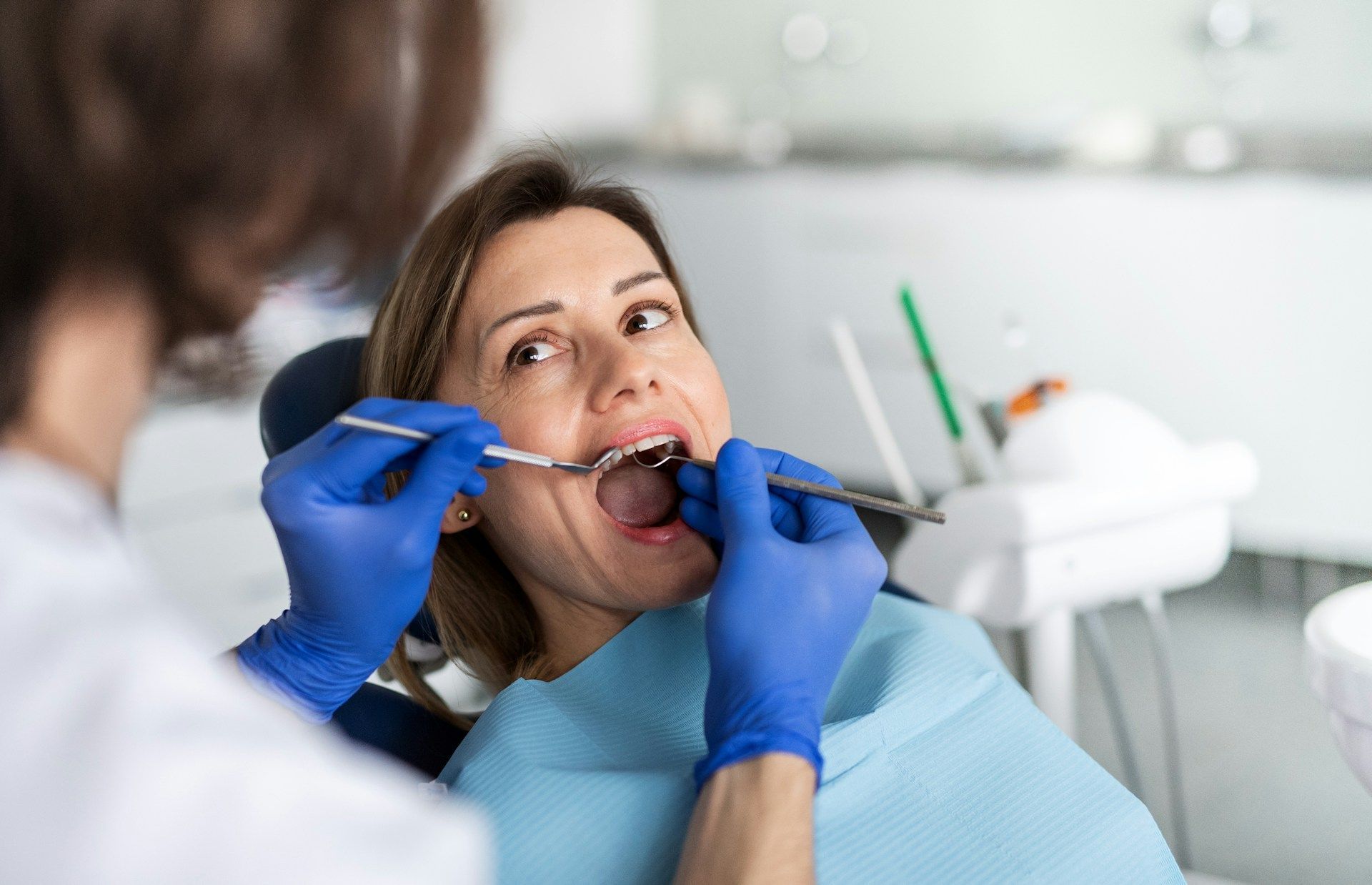
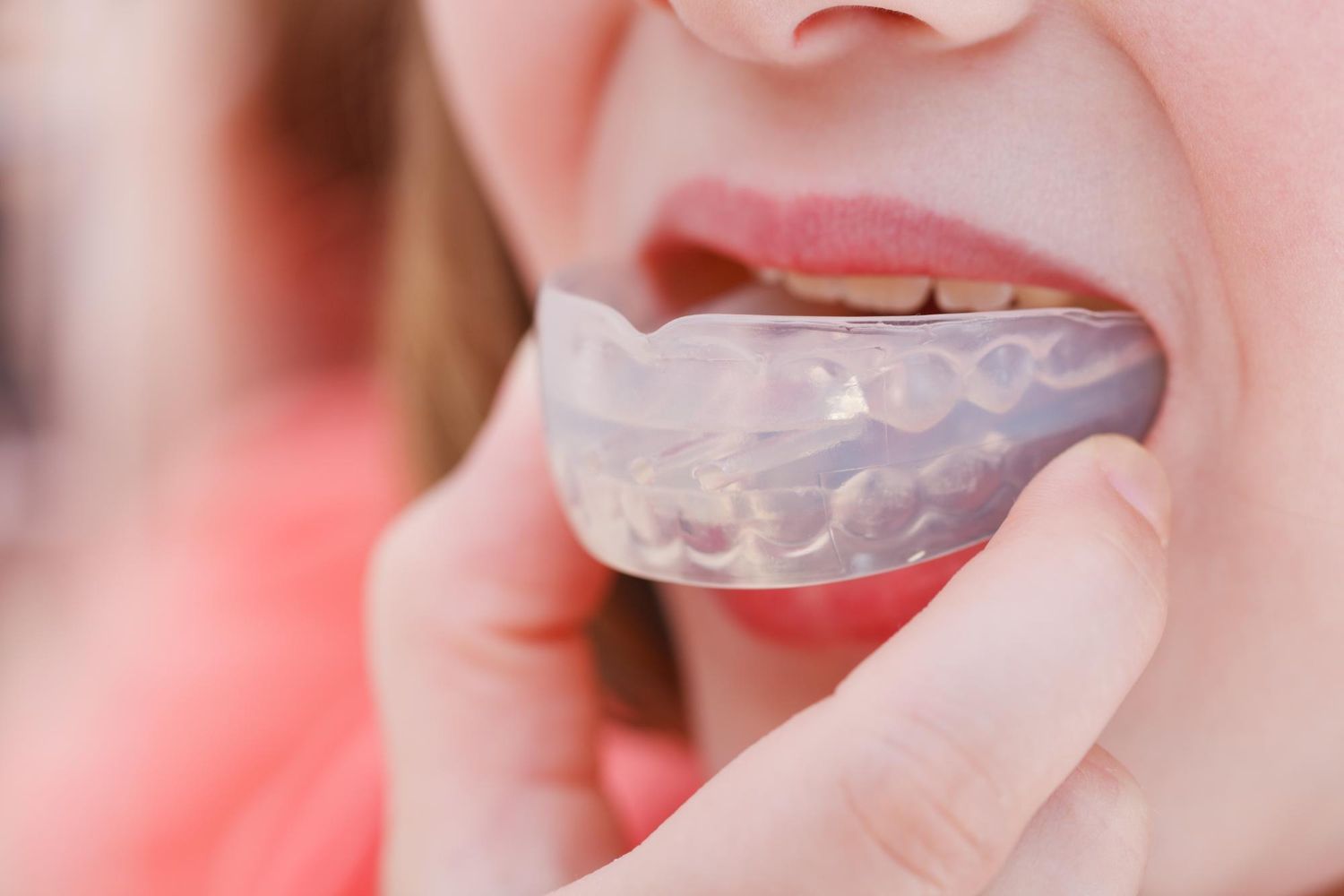
If allergy control is reasonable but you still snore, gasp or feel exhausted, a dental sleep specialist can help check for obstructive sleep apnea. Once apnea is identified, options like custom oral appliances, positional strategies and other CPAP alternatives may be considered, depending on your needs and your medical team’s guidance.
For many patients in the Boston area, the best results come from combining solid allergy management with a custom oral appliance. Opening the airway at the level of the jaw and tongue, while keeping nasal passages calmer and clearer, can support smoother airflow and quieter, more refreshing sleep.
Take Control of Your Allergy Season Sleep Breathing
Allergy season is a convenient reason to explain away snoring, gasping and morning exhaustion. Allergy medications can also make symptoms seem softer on the surface. But if you are still tired, still snoring or still waking with a foggy head, it may be time to look deeper.
At Great Sleep Dental, we work with patients and their medical teams to review medication use, understand nighttime symptoms, and choose targeted sleep diagnostics like at-home sleep studies when appropriate. By pulling together allergy history, jaw and airway structure, and sleep test results, we can design personalized oral appliance solutions that support safer, more comfortable sleep breathing in Boston.
As fall allergies peak and we shift into colder months with more time indoors, this is a smart time to pay attention to your nighttime breathing. Knowing whether allergy medications are helping or hiding a problem can be the first step toward finally waking up rested.
Take The First Step Toward Better, Safer Sleep
If you are struggling with snoring, gasping at night, or daytime fatigue, we are here to help you address the root cause. Our team at Great Sleep Dental focuses on personalized solutions for
sleep breathing in Boston so you can rest more comfortably and protect your long-term health. Reach out today to
contact us, and we will work with you to schedule a visit and create a plan that fits your needs.