Is Your Snore Guard Causing Jaw Pain: Fit Issues, Bite Changes, and Fixes
Stop Waking Up Sore When Your Snore Guard Hurts Your Jaw
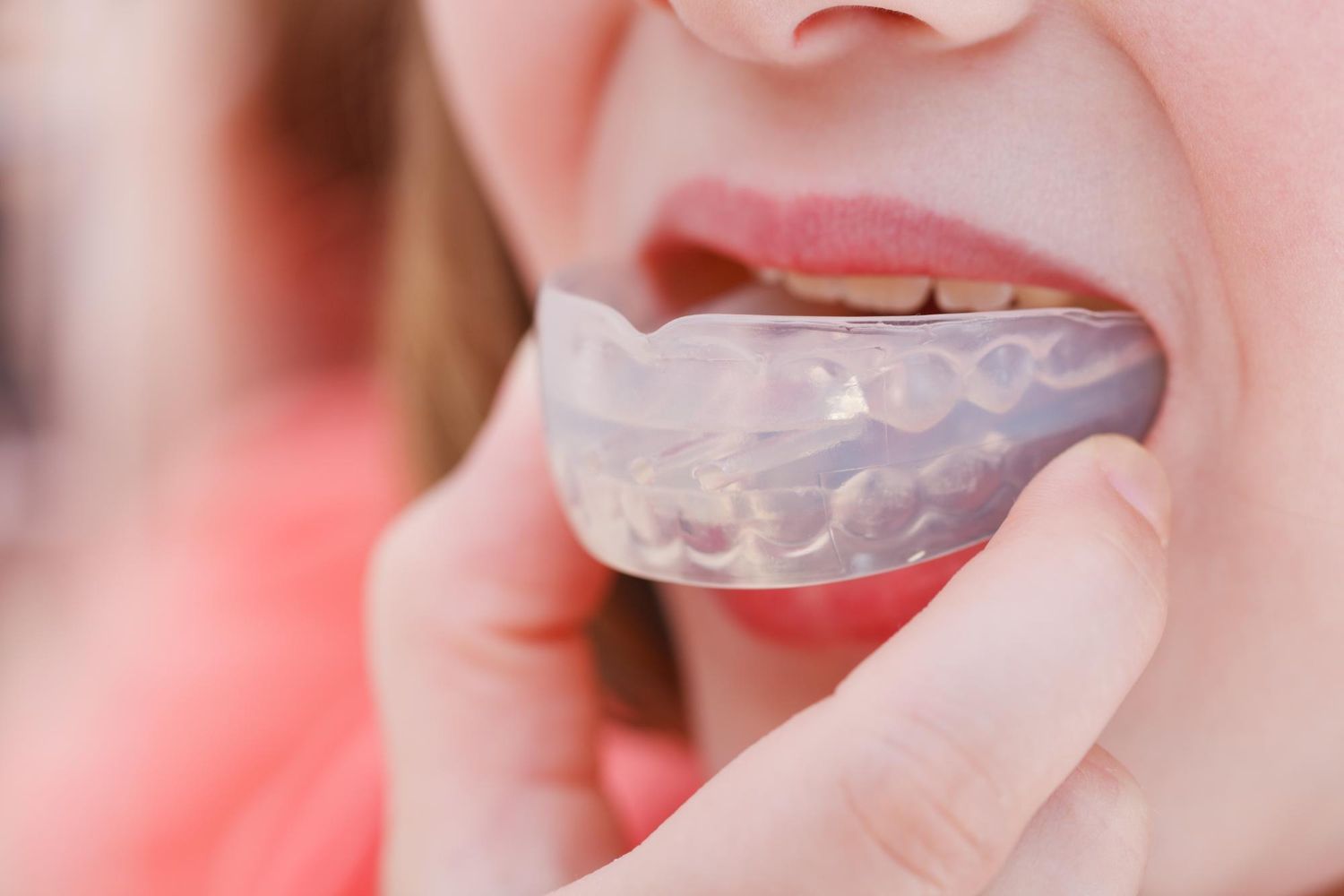
If you started using a snore guard to sleep better but now wake up with a tired, sore jaw, something is not right. A snore guard is a small mouthpiece that pulls your lower jaw forward to open your airway and reduce snoring. Many people in the Boston area grab a quick, inexpensive boil-and-bite snore guard from the pharmacy and hope it will fix the noise and poor sleep.
What often gets ignored is what happens to the jaw joint and muscles. New problems like morning jaw pain, tightness when you first wake up, headaches, ear discomfort, or even pain when chewing can show up after you start wearing a snore guard. Some people are told to just “get used to it,” but ongoing pain is not a normal adjustment.
As days get shorter and schedules fill up, stress and teeth grinding can increase. Add a poorly fitting snore guard on top of that, and jaw pain plus bad sleep can feel even worse. In this guide, we will walk through how to tell if your snore guard is causing harm, what bite changes to watch for, and how a TMJ-friendly custom appliance made by a dental sleep specialist can protect both your breathing and your jaw.
Normal Adjustment or a Problem Snore Guard?
Any new oral appliance takes a little getting used to. A normal, short adjustment period usually looks like this:
- Mild tightness or pressure on the teeth
- A general awareness of the device in your mouth
- Slight stiffness that fades within minutes of waking
- Each night feels a bit easier than the one before
That kind of discomfort should improve on its own over a few days, not get stronger. Warning signs that your snore guard is not just “breaking in” include:
- Sharp or increasing jaw pain, especially near the ears
- Trouble opening wide in the morning
- Clicking, popping, or grinding sounds in the jaw joint
- Pain or stiffness lasting longer than two weeks
- Needing pain relievers most mornings
Most boil-and-bite snore guards work by pushing the lower jaw forward without much control. If the jaw is pushed too far, it can strain the TMJ, which is the hinge where your jaw connects in front of your ears, as well as the muscles in your cheeks and temples. Since generic devices are not shaped for your personal bite, they can force your lower jaw into a position that your body simply cannot tolerate all night.
How Poor Fit and Design Trigger Jaw and Bite Changes
A one-size snore guard does not know where your jaw wants to sit naturally. When the fit is off, the device can:
- Hold your lower jaw too far forward
- Twist the jaw slightly to one side
- Put uneven pressure on front or back teeth
Over time, you might notice bite changes like:
- Front teeth no longer touching the way they used to
- Back teeth feeling like they do not meet at the same time
- Having to slide your jaw around to find a “comfortable” bite
- Teeth that feel loose, sore, or sensitive when chewing
When the jaw is kept in an awkward position for hours every night, your teeth and joints are asked to adapt. Long-term use of a poorly fitted snore guard can lead to inflamed joints, tired muscles, and in some cases, chronic TMJ problems. This risk is higher if you also clench or grind, something that often ramps up in the fall and winter when many people are under more stress and are sleeping less.
Teeth and joints do not like being forced into a new position without a plan. If your bite feels different in a way that worries you, it is a sign that your current snore guard in Boston may not be right for you.
Red Flags Your Snore Guard Is Harming Your TMJ
Some symptoms point strongly to TMJ strain from an oral appliance. Pay attention if you notice these, especially when they appear or worsen after starting or restarting the device:
- Jaw locking open or closed, or feeling like it might catch
- Frequent morning headaches or migraines
- Aching in the cheeks, around the ears, or along the jawline
- Ringing in the ears or a sense of fullness in the ears
- Neck, shoulder, or upper back tension when you wake
Patterns matter. Cause for concern includes:
- Pain that returns or worsens each time you wear the snore guard after skipping a night
- Symptoms that slowly build over weeks instead of calming down
- New clicking or popping that never happened before the device
Trying to “fix” the guard yourself by trimming plastic, bending parts, or grinding it at home often makes the fit less stable and can put even more strain on the TMJ. Once jaw pain, bite changes, or joint noises start, getting a professional evaluation is very important so the problem does not become harder to treat.
Why a TMJ-Friendly Custom Appliance Feels Different
A custom oral appliance made by a dental sleep medicine specialist is built for your mouth, not for the average mouth. The process usually includes:
- Precise impressions or digital scans of your teeth
- Measurements of how your jaw moves and where it rests comfortably
- Careful planning of how far forward your lower jaw should move for both breathing and joint health
Compared to a generic snore guard, a TMJ-aware custom appliance is designed to:
- Support your bite instead of forcing it into a random position
- Move the lower jaw forward in small, controlled steps
- Spread pressure across the teeth more evenly
- Be adjusted over time as your body adapts and your sleep improves
Many patients who switch from a store-bought snore guard to a custom appliance notice:
- Less morning stiffness and soreness
- A bite that feels more normal after removing the device
- Better quality sleep with fewer awakenings
- Less need for pain medicine for jaw or facial pain
Comfort should trend in the right direction. With the right appliance, you feel more at ease after the first few weeks, not worse.
When to Call a Dental Sleep Specialist in Boston
You do not need to suffer through severe pain for the sake of quieter nights. It is a good idea to stop using your current snore guard and seek professional help if:
- Jaw pain is sharp, intense, or keeps you from chewing comfortably
- Bite changes last more than a few days instead of settling back to normal
- Symptoms like headaches, ear pain, or facial pain continue longer than two weeks
- Your jaw starts locking or feels unstable
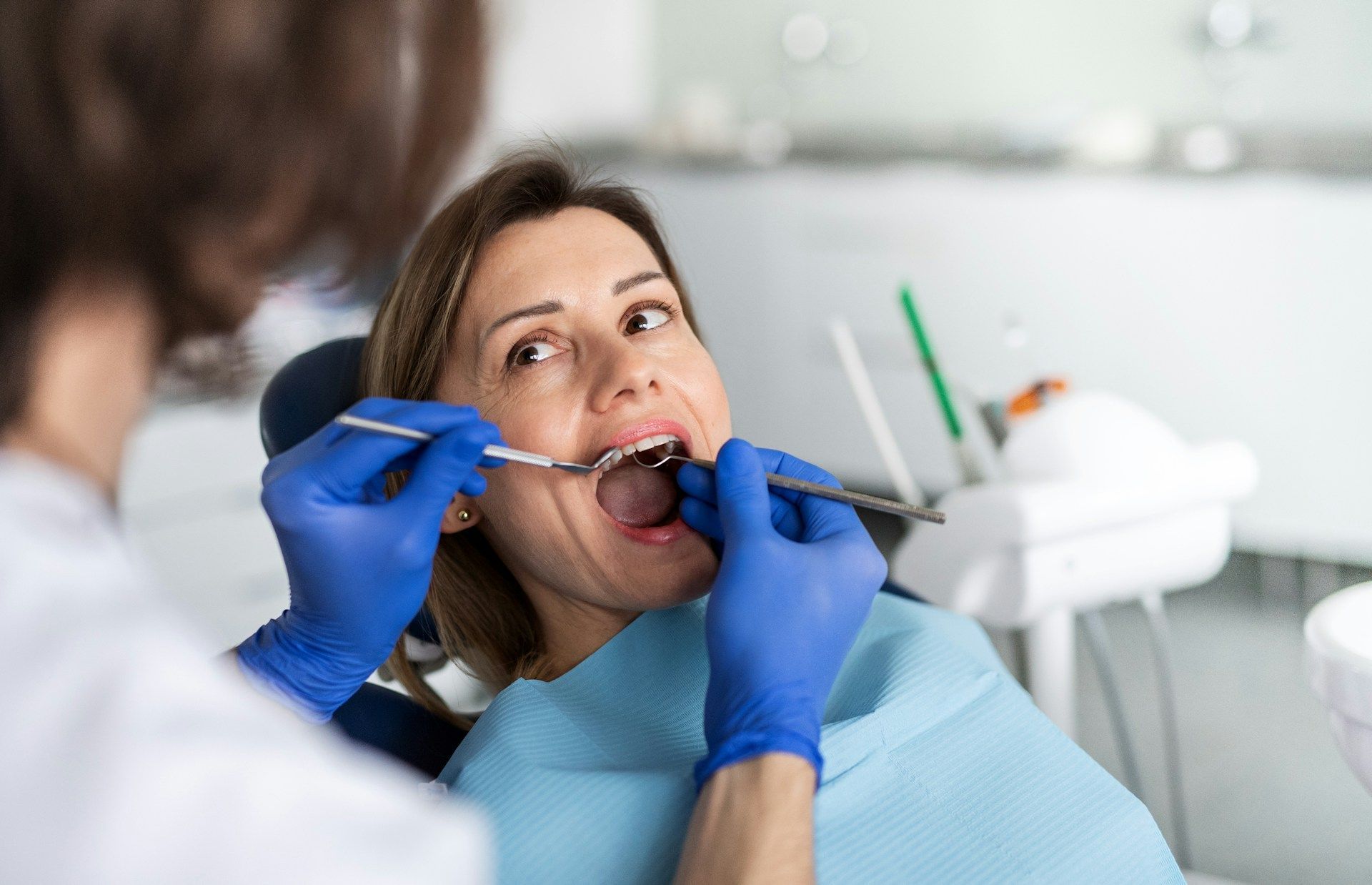
At a dental sleep clinic, a visit often includes:
- A review of your current snore guard in Boston and how it was fitted
- A careful TMJ exam and bite assessment
- A conversation about your snoring, sleep quality, and daytime fatigue
- Discussion of any past or current CPAP use
To make sure any new custom appliance treats your snoring or sleep apnea safely, a home sleep study or review of past sleep studies may be recommended. That way, your airway and your jaw joint are both protected.
As the weather cools and life gets busier, it is easy to brush off jaw pain as “no big deal.” But your jaw should not have to suffer for you or your bed partner to sleep better. Taking time now to get the right, TMJ-friendly appliance can help you breathe easier at night and wake up more comfortable for the season ahead.
Wake Up Rested With a Custom Snore Solution
If snoring is disrupting your nights or your partner’s sleep, we can help you find relief with a personalized
snore guard in Boston. At Great Sleep Dental, we take time to understand your symptoms and design a comfortable fit tailored to your bite and airway. Schedule an appointment today so we can evaluate your sleep concerns and walk you through your treatment options. If you are ready to take the next step, please
contact us to get started.