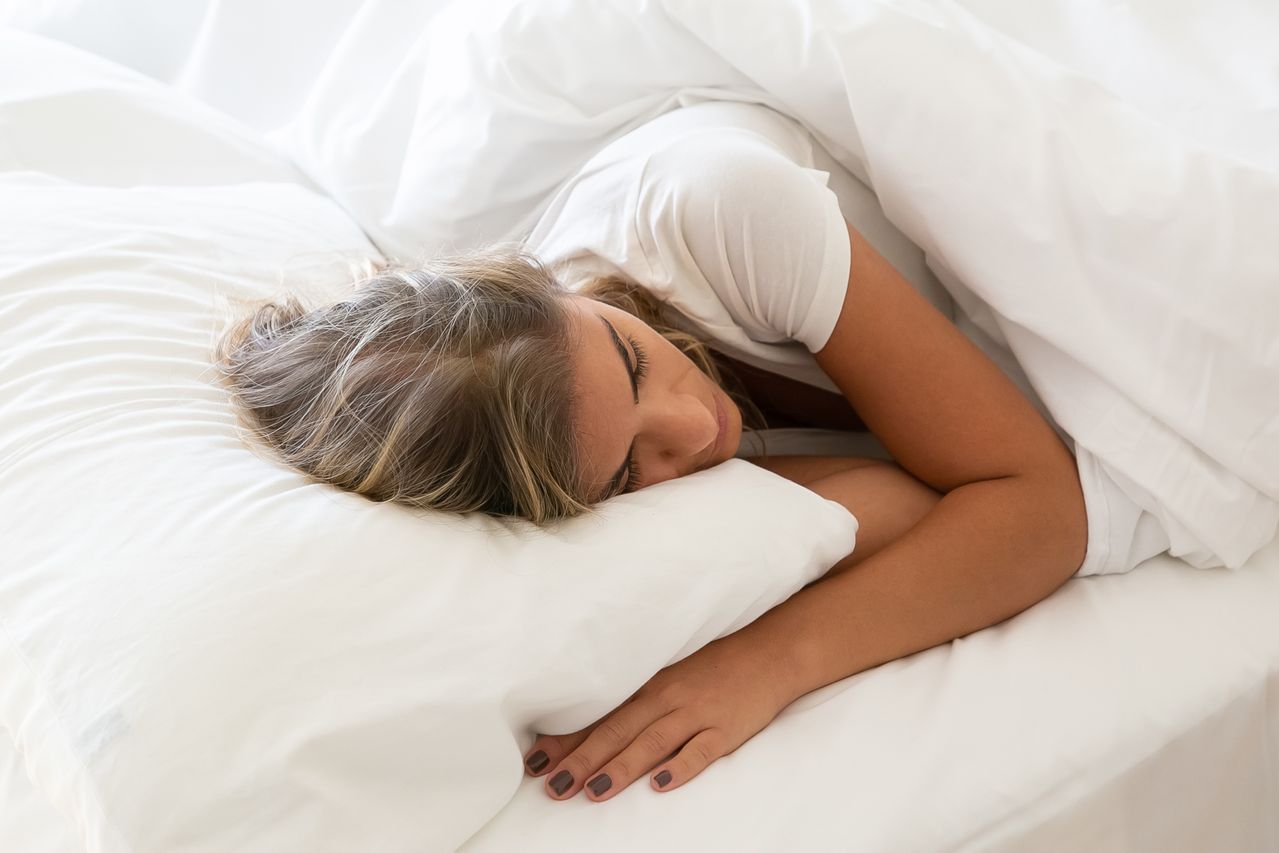
Common Sleep Disorder Treatment Mistakes Boston Adults Make
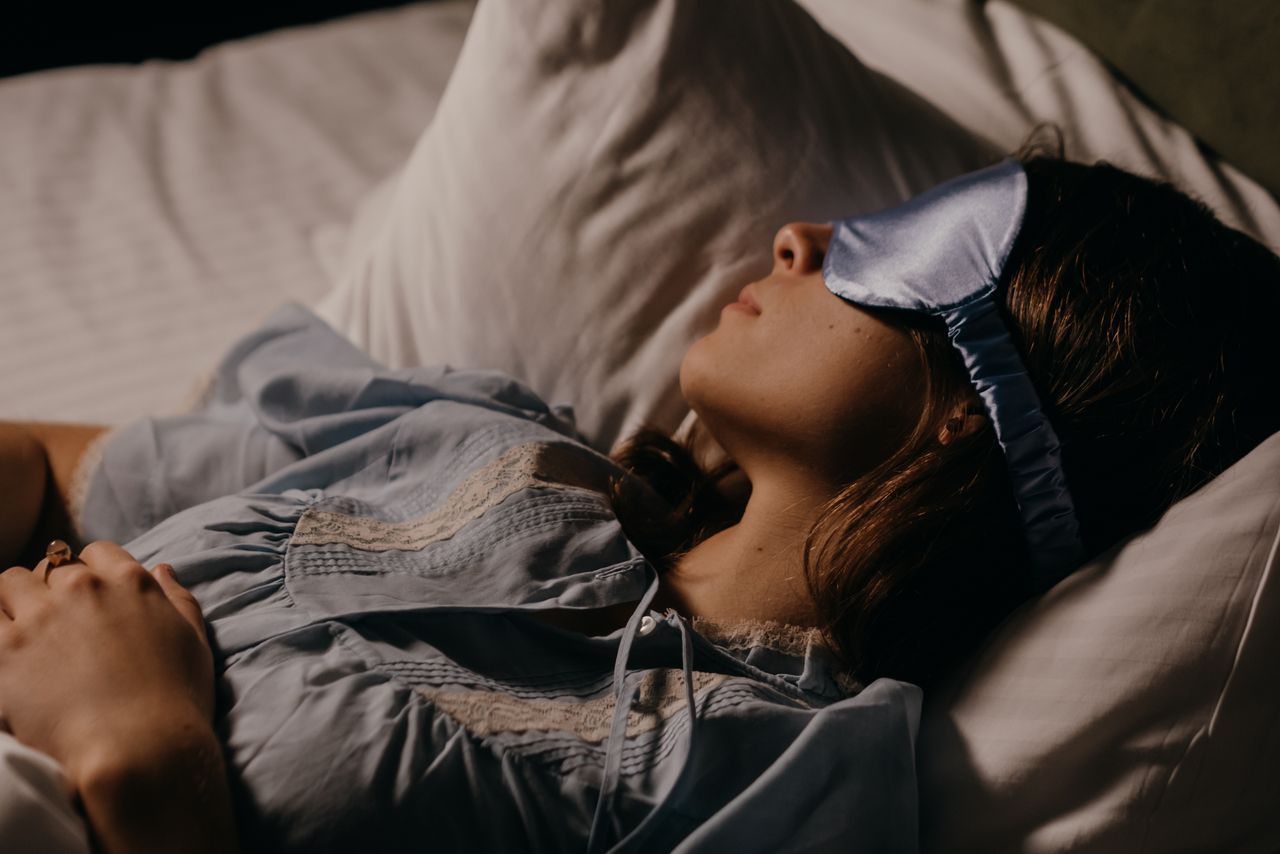
Tired All the Time? Fixable Sleep Mistakes You May Be Making
Feeling worn out even after a “full night” in bed is very common, especially for busy adults around Boston. Many people blame work stress, parenting, or shorter, darker days, but the real issue is often an undiagnosed sleep disorder like snoring, sleep apnea, or upper airway resistance.
These problems are easy to miss. You are asleep when they happen, and you might think loud snoring or gasping is just part of getting older or dealing with fall allergies. Over time, poor sleep can affect energy, mood, focus, blood pressure, heart health, and even weight, especially as we spend more time indoors heading into winter.
A lot of adults try to fix their sleep on their own. They search online, buy gadgets, or push through the fatigue. In the process, they make simple but important mistakes that delay real relief. At our Boston-area dental sleep clinic, we focus on non-surgical, comfortable options that help people avoid those common traps and finally breathe and sleep better.
Below, we walk through frequent mistakes we see with sleep disorder treatment in Boston and share better options so you can feel more rested and clear-headed again.
Waiting Too Long to Take Snoring Seriously
Many adults shrug off loud snoring as a joke or an annoyance. When fall allergies and congestion ramp up, it is easy to think, “It is just my sinuses” and wait for it to pass. But loud, frequent snoring can be a sign that your airway is partly collapsing while you sleep.
Snoring may point to sleep apnea if you notice things like:
- Morning headaches or a dry mouth
- Daytime fatigue or nodding off during quiet moments
- Irritability, low patience, or brain fog
- Trouble concentrating or memory slips
- A bed partner noticing gasping, choking, or breathing pauses
There is also a common myth that only older, heavier men get sleep apnea. In reality, women and thinner adults are often overlooked, even when they have the same symptoms. That means many people are told they are fine when they are not sleeping safely.
Delaying an evaluation can raise your risk for problems like high blood pressure, heart disease, stroke, and insulin resistance. Poor sleep can also raise the chance of car accidents and work errors, simply because your brain is not fully alert.
The good news is that early screening is usually simple and much less stressful than people expect. In-office consultations and home sleep testing are often enough to see what is happening with your breathing at night so you can start getting real help.
Relying Only on CPAP or Giving Up on Treatment
CPAP is a common first treatment for sleep apnea. It blows air through a mask to keep your airway open. Some people do very well with it. Others struggle with:
- Mask leaks or pressure marks on the face
- Claustrophobia or trouble falling asleep with the mask
- Dry nose or throat, even with humidification
- Noise or bulk that bothers a bed partner
- Hassle when traveling or storing equipment in a small apartment
A big mistake is quietly giving up on CPAP without telling your provider. Many adults put the machine in a closet, feel guilty, and assume there are no other good options. Meanwhile, their apnea is untreated, and symptoms creep back.
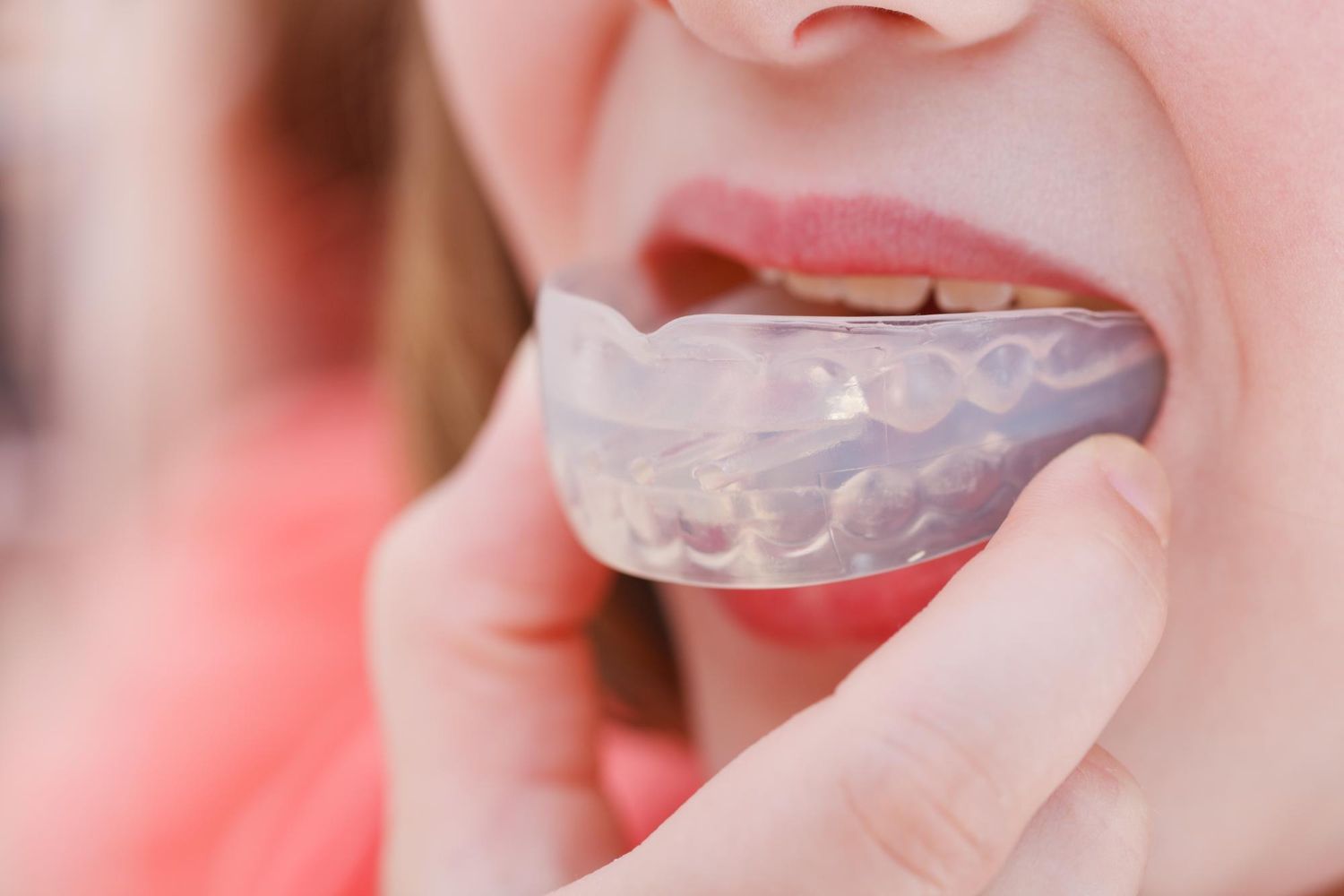
Oral appliance therapy is another proven approach. These are custom dental devices that gently move the lower jaw and tongue into a better position so the airway stays more open during sleep. They are small, quiet, and easy to pack, which can work very well for:
- Side sleepers
- Frequent travelers
- People living in smaller city spaces
- Anyone who shares a bed and wants a discreet solution
A dental sleep specialist can help you combine CPAP with an oral appliance or safely transition from one to the other. The key is not to stop treatment on your own and hope the problem goes away.
Trying DIY Fixes Instead of Real Sleep Disorder Treatment
When snoring or poor sleep starts to bother you, it is tempting to try quick fixes from the store or social media. We often hear about people using:
- Nasal strips or nasal sprays
- Over-the-counter “night guards”
- Extra pillows or sleeping in a chair
- Herbal teas or “sleep” gummies
- Phone apps that record or rate snoring
Some of these tools may offer short-term comfort, but they do not treat an airway problem. Drugstore mouthguards, for example, are usually designed to protect teeth from grinding, not to hold the jaw in a position that keeps your airway open. They can even cause jaw pain or shift your teeth if worn long term without professional guidance.
Snoring and sleep apnea are not just noise problems; they are breathing problems. That is why they call for medical-grade evaluation, personalized planning, and ongoing monitoring, not one-size-fits-all gadgets.
Self-medicating can also backfire. Alcohol, antihistamines, and some sleep aids taken near bedtime can relax the muscles in your throat and make snoring or apnea worse, even if they help you fall asleep faster.
Phone apps and wearables can be helpful as early clues. They can show patterns that tell you something might be wrong. But they are best used as screening tools, not as a final answer. Only a proper sleep assessment can tell you how serious the problem is and what type of treatment is safest.
Overlooking Dental Sleep Specialists in Boston
Another common mistake is stopping after one conversation with a primary care doctor or one uncomfortable night in a sleep lab. If the first treatment does not feel right, many adults assume they are stuck and simply learn to live with snoring or fatigue.
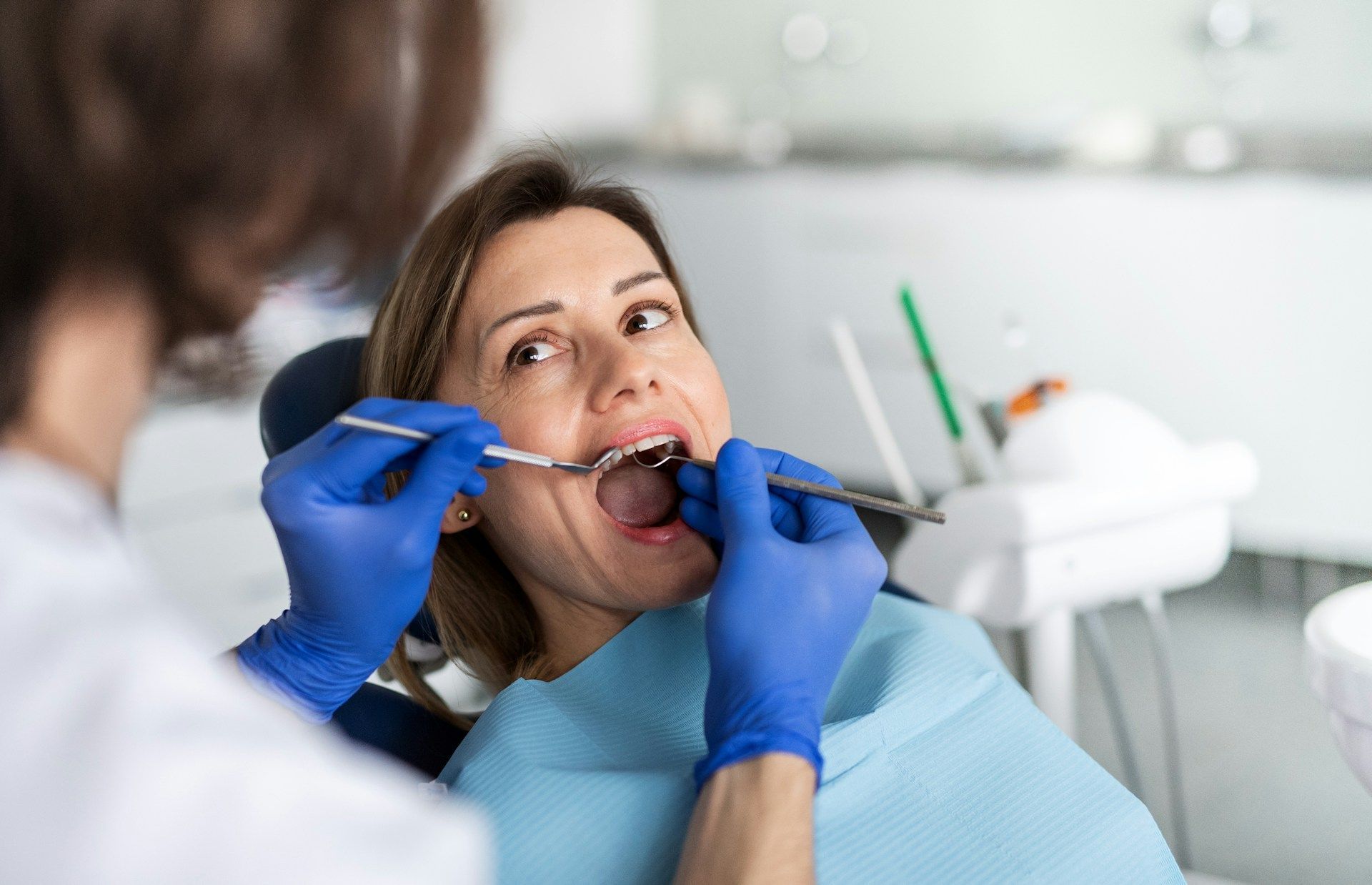
Dental sleep specialists have extra training in how your jaw position, bite, and airway shape affect snoring and sleep apnea. We look at:
- How far your lower jaw sits back
- Tongue position and space in the mouth
- How your teeth fit together
- Signs of clenching or grinding related to breathing issues
At a practice like Great Sleep Dental, we work as part of a team with physicians and sleep labs. That means we can review your sleep study, help select the right oral appliance, and adjust it over time to keep you comfortable and supported. Follow-up visits allow us to protect your jaw joints, check your teeth, and fine-tune the fit.
Choosing a team-based approach to sleep disorder treatment in Boston often leads to better comfort and long-term success than trying isolated, one-step fixes on your own.
Ignoring Lifestyle Triggers That Make Sleep Disorders Worse
Medical treatment is important, but daily habits can still make or break your sleep. Around Boston in the fall, we see patterns that can aggravate snoring and apnea, such as:
- Heavier comfort foods and late dinners
- Less outdoor movement as days get cooler and shorter
- More late-night screen time
- Seasonal congestion and stuffiness
Weight gain, nasal congestion, and alcohol near bedtime all work against your airway. Even the best oral appliance or CPAP can struggle if your throat muscles are very relaxed or your schedule is constantly shifting.
Some realistic changes that often help include:
- Setting a consistent bedtime and wake-up window
- Limiting heavy meals and alcohol in the last few hours before bed
- Keeping your bedroom cool, dark, and quiet
- Finding simple ways to move during the day, even if it is short walks
These habits do not replace treatment, but they can support it. In our experience, the most successful sleep disorder treatment in Boston combines customized devices with small, sustainable daily habits that fit each person’s life.
Take the Next Step Toward Better Sleep This Season
You do not have to wait until winter exhaustion or holiday stress makes everything feel worse. Many adults live for years with poor sleep simply because of a few avoidable mistakes, like brushing off snoring, quitting CPAP in silence, relying on DIY fixes, or not seeing a dental sleep specialist who understands the airway.
At Great Sleep Dental, Dr. Annisya Bagdonas and our team focus on comfortable, non-surgical options for snoring and sleep apnea. We can review any past sleep tests you have had, coordinate new testing if needed, and talk through whether a custom oral appliance or a combined plan with your current treatment makes sense for you. With the right support, deeper sleep and better daytime energy are very realistic goals.
Take the First Step Toward Restful, Restorative Sleep
If you are struggling with snoring, fatigue, or suspected sleep apnea, we are here to help you find answers and real solutions. Explore our personalized options for
sleep disorder treatment in Boston and see how Great Sleep Dental can fit into your overall care plan. To schedule an appointment or ask a question, simply
contact us and our team will guide you through the next steps.