Sleep Breathing Changes in Boston’s Humid Summers and What They Mean

Summer Air, Boston Nights, and Your Breathing
Humid Boston nights can make sleep feel heavier. Some people only notice loud snoring or “heavy breathing” when the air is thick and muggy, even if they sleep fine the rest of the year. That change is not just in your head. Warm, wet air can quietly change how your nose, throat, and airway behave while you sleep.
In this article, we will talk about how summer humidity in our area affects sleep breathing in Boston, why symptoms often linger into early fall, and what it can mean for people who snore or may have sleep apnea. We will also explain simple patterns to watch for and how options like oral appliances can help keep your airway more stable in all seasons.
How Humid Summers Affect Your Airways
When the air is warm and full of moisture, your nose and throat have to work differently. The lining inside your airway pulls in that moisture and can swell a bit. At the same time, mucus gets thicker and stickier. During the day, you might just feel stuffy. At night, when muscles relax, these changes can make the airway more likely to narrow.
This is when people notice:
- Louder or more frequent snoring
- Waking up gasping or feeling like they need a big breath
- More mouth breathing at night
- Morning congestion or a sore, dry throat
- Feeling “air hungry” even after many hours in bed
If you already have a smaller airway, a crowded throat, or trouble breathing through your nose, humid air can magnify the problem. The muscles that support the tongue and soft palate relax during sleep, so any small swelling or extra resistance from thick mucus can push a borderline airway toward partial or full collapse.
For people with known obstructive sleep apnea, even treated apnea, humid weather may:
- Increase the number of breathing pauses
- Make each pause feel more intense
- Lead to more awakenings and broken sleep
Some people only notice these patterns in summer, so they shrug them off as a seasonal quirk. But those humid nights can actually reveal an airway that struggles year-round, just not enough to be obvious until the conditions add more stress.
The Boston Climate Mix: Humidity, Allergens, and Air Quality
Sleep breathing in Boston is not affected by humidity alone. Our local mix of weather and environment adds a few more layers. Late summer and early fall often bring warm, sticky nights, but also lingering pollen and growing mold in damp areas. On top of that, we sometimes see poor air quality days that leave the air feeling heavy and irritating.
All of these pieces can bother the lining of your nose and throat. When that lining is irritated, it swells. When it swells, airflow has to squeeze through a tighter space. That can push you toward mouth breathing and set up more snoring and apnea events.
Here are a few patterns we often see as summer shifts into fall:
- Ragweed and other late-season pollens can keep allergy symptoms going
- Damp basements, bathrooms, and older buildings can increase indoor mold exposure
- Indoor humidity starts to swing as people turn heat on and off
- Windows may be closed more often, trapping indoor air irritants
If you notice that your snoring spikes during this transition time, or your partner hears more pauses or choking sounds, it might not just be the weather. The climate mix can be a trigger for an airway that is already working harder than it should.
When Humid-Weather Snoring Signals a Bigger Problem
Not all seasonal snoring points to obstructive sleep apnea. A stuffy nose for a few days or a short-term cold can cause temporary snoring that fades. But there are warning signs that suggest something more serious is happening in your airway, even if it shows up most clearly in humid weather.
Red flags include:
- Gasping, choking, or snorting awake at night
- Breathing pauses that another person can see or hear
- Morning headaches or a heavy, foggy feeling
- Strong daytime sleepiness, even after what seems like enough hours in bed
- Trouble focusing, memory slips, or irritability
If snoring or heavy breathing worsens every humid season, then improves but never fully disappears, it may signal an underlying airway vulnerability. Relying on “It is just the summer” can make it easy to ignore symptoms that are affecting your heart, brain, and overall health. Repeated drops in oxygen and fragmented sleep can put long-term stress on your body, even if you are not fully aware of each event during the night.
Some common myths get in the way, such as:
- “I only snore in the summer, so it is not serious.”
- “Loud snoring is just annoying, not a health problem.”
- “If I do not stop breathing all night, I cannot have sleep apnea.”
These beliefs can delay getting your airway checked. Seasonal changes can be the clue that pushes you to seek a proper sleep-focused evaluation.
CPAP Alternatives and Oral Appliances for Summer Comfort
Many people find continuous positive airway pressure, or CPAP, helpful for sleep apnea. But humid, warm nights can make wearing a mask and hose feel extra uncomfortable. Some people notice they skip their CPAP more often during summer trips, hot spells, or humid nights, which can bring symptoms roaring back.
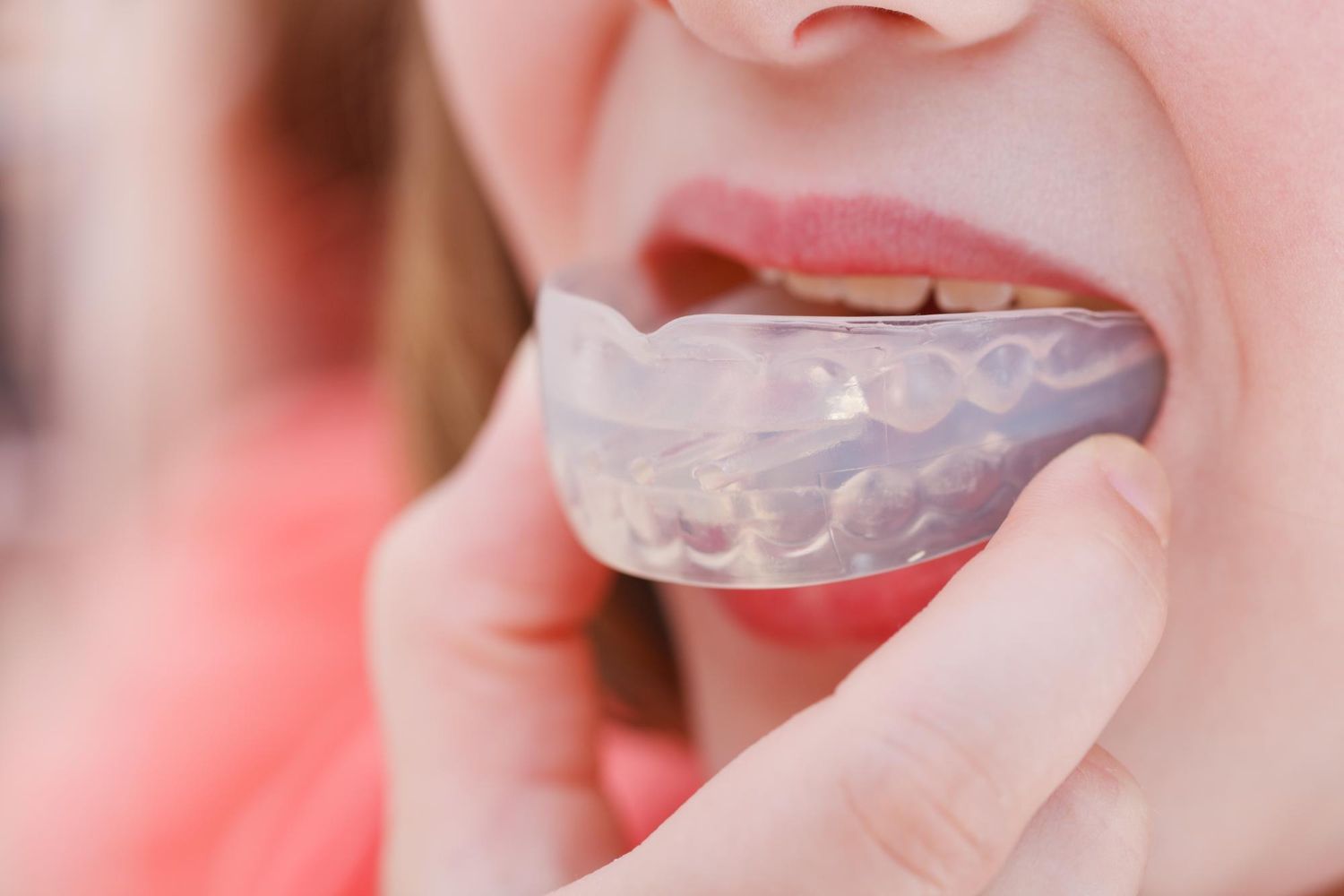
Dental sleep medicine offers another option. A custom oral appliance is a small device worn in the mouth during sleep. It gently shifts the lower jaw and tongue into a more forward position. This can help keep the airway more open, reduce snoring, and lessen apnea events, without masks, straps, or air blowing around the face.
For people dealing with sleep breathing in Boston, especially across changing seasons, oral appliances can offer:
- Easier use on hot, muggy nights when a mask feels too warm
- A compact option for summer weekends on the Cape or trips to the mountains
- Less bulk to pack, charge, or clean while traveling
- The ability to pair with CPAP in some cases, so pressure settings can be lower
At Great Sleep Dental, we focus on these kinds of custom devices for snoring and sleep apnea. Our role is to help match the shape of your airway and jaw with a comfortable, effective oral appliance plan.
Take Control of Your Warm-Weather Sleep Breathing
You cannot control the humidity outside, but you can pay close attention to how your body responds. Tracking patterns is a powerful first step. Try making simple notes about:
- How loud your snoring is, on a quiet 1 to 10 scale
- How often you wake up in the night and why
- What your partner notices about your breathing sounds
- How rested or foggy you feel in the morning and through the day
If you see that your sleep breathing in Boston consistently worsens during humid months, or if the red-flag symptoms above sound familiar, it may be time to look deeper at your airway health. A focused evaluation can help you understand what is happening, from nasal airflow to jaw position, and explore options that fit your life and local climate.
At Great Sleep Dental, we care about helping people breathe more freely through every season. Humid weather might be the push that brings the problem to your attention, but your airway deserves support year-round. By taking your symptoms seriously and learning about options like custom oral appliances, you can work toward quieter nights, steadier breathing, and better energy no matter what Boston’s weather brings.
Take the First Step Toward Restful, Healthy Sleep
If you are struggling with nighttime breathing issues or lingering daytime fatigue, we are here to help you find answers and relief. Explore how we address
sleep breathing in Boston and discover options tailored to your symptoms and goals. At Great Sleep Dental, we use a thorough, patient-focused approach to understand the cause of your concerns and create a customized treatment plan. Ready to talk with a professional about your next steps?
Contact us to schedule a consultation.