Recognizing Sleep Apnea in Active Bostonians Before It Hurts Performance
How Boston’s Active Lifestyle Can Hide Sleep Apnea
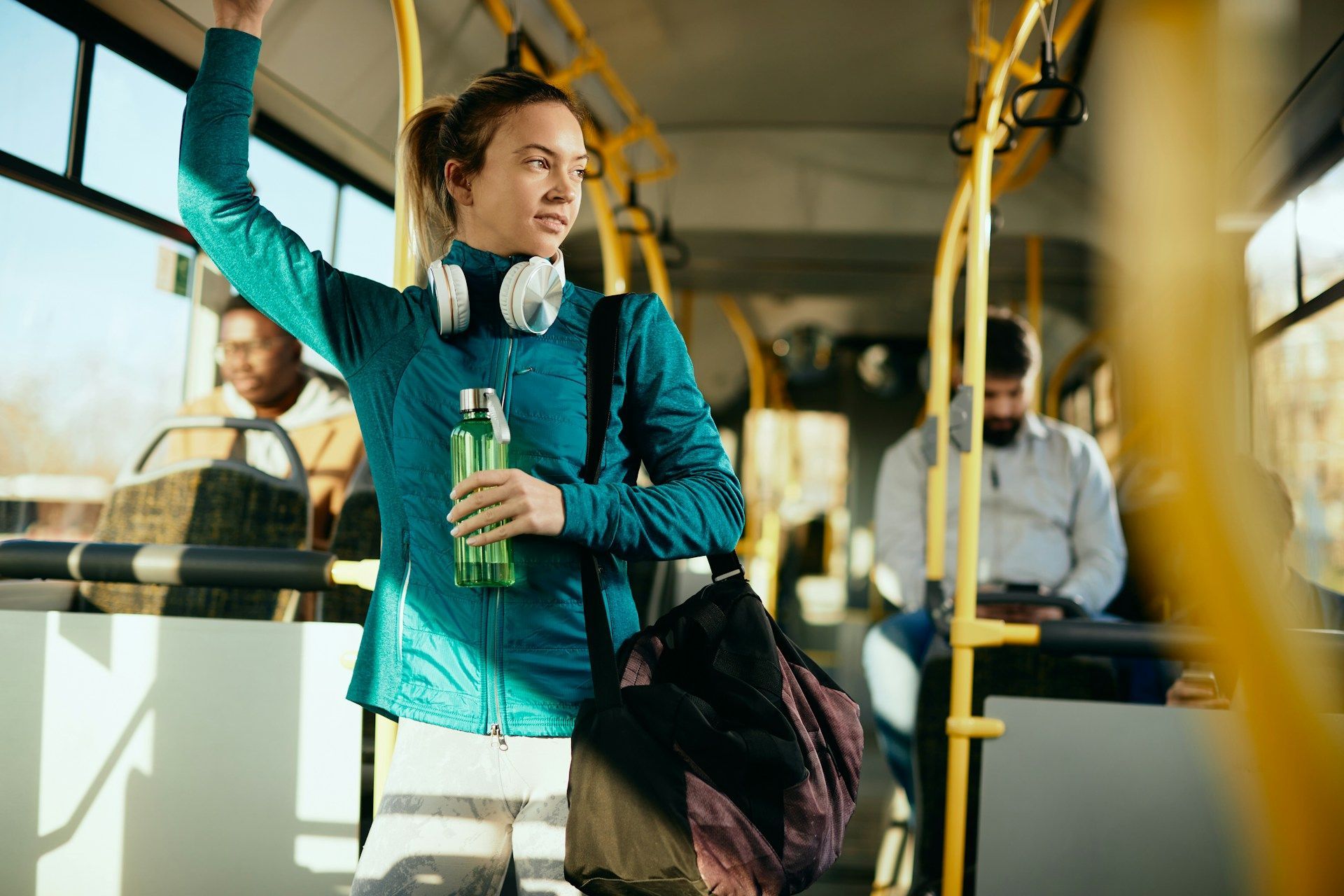
Training hard yet feeling worn out is common for many people around Boston. The miles along the Charles, the spin classes, the pickup games, and the long workdays can leave anyone tired. When that tired feeling turns into dragging through the day, poor focus, or a short fuse, it is easy to blame workouts, work, or the heat. Sometimes, though, there is more going on underneath.
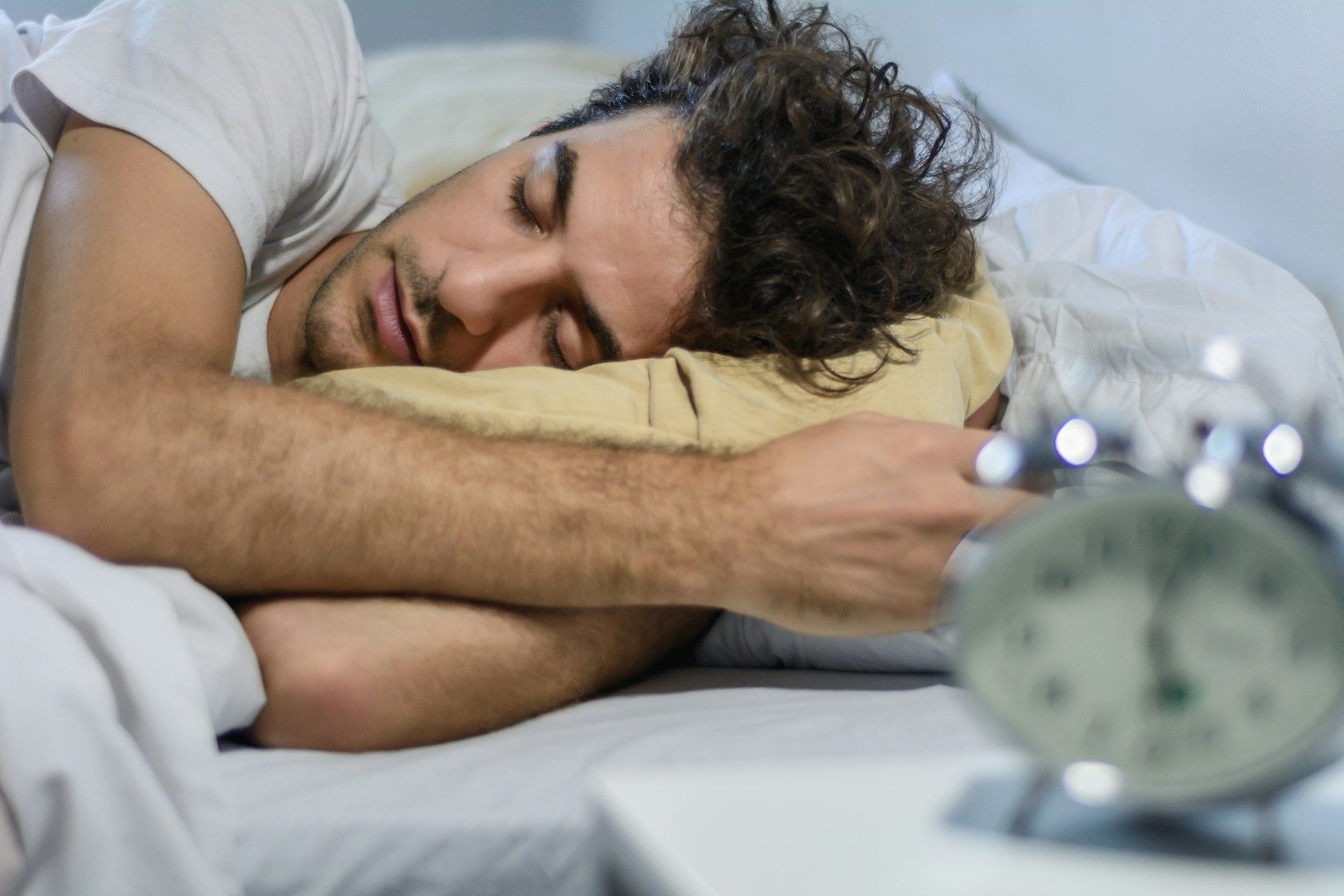
Obstructive sleep apnea, often called OSA, is one issue that can hide behind an active lifestyle. With OSA, the airway keeps narrowing or closing during sleep. Breathing pauses again and again, oxygen drops, and the brain has to wake you just enough to reopen the airway. You may not remember this, but your body does. Sleep becomes lighter, broken, and stressful.
When you are driven and always on the move, early warning signs can be easy to ignore. You tell yourself you just need a better training plan, stronger coffee, or a few extra rest days. In reality, catching sleep apnea early can protect more than your general health. It can protect your athletic performance, your mental sharpness, your mood, and your long-term heart and brain health. Here at Great Sleep Dental, we see how often active people miss the early clues, and how much better they feel when sleep finally supports their goals.
Performance Red Flags That Feel Like “Just Tired”
For active Bostonians, poor sleep does not always look like falling asleep at the desk. It often shows up as a performance slump that does not match your effort.
You might notice:
- Needing more coffee than usual just to get moving
- Heavy legs on runs that used to feel easy
- Slower mile splits or weaker power on the bike
- Struggling to keep up in fitness classes or rec leagues
- Feeling oddly “off” or uncoordinated during workouts
Daytime, the red flags can shift from the body to the brain:
- Zoning out during meetings or Zoom calls
- Slower reaction time while driving or crossing busy streets
- Missing details you would usually catch at work or school
- Forgetfulness, like misplacing items or losing your train of thought
- Irritability, low patience, or low motivation even when you still love your sport
These signs connect back to what happens at night. Repeated drops in oxygen and broken sleep can mean:
- Poor muscle recovery after long efforts
- More inflammation and soreness that lingers
- Higher stress hormones that keep the body in “fight or flight” mode
- Less time in deep, restorative stages of sleep
Many people chalk all this up to overtraining, humidity, travel, or just getting older, especially in summer when heat makes workouts feel harder anyway. If better hydration, nutrition, and rest days do not fix the slump, it may be time to look closely at sleep quality.
Sleep Apnea Symptoms Active People Often Overlook
The most common clue of sleep apnea is loud, frequent snoring. Active people often shrug this off, or they are not aware of it at all.
Partners or roommates might notice:
- Loud snoring that comes and goes
- Gasping, choking, or snorting sounds during sleep
- Pauses in breathing
- Restless tossing and turning
- Jaw clenching or grinding teeth at night
If you live alone, you can still pick up patterns. Pay attention to:
- Waking with a dry mouth or sore throat
- Needing to get up to use the bathroom several times a night
- Morning headaches or a heavy, foggy feeling
- Feeling like you slept “light” or never fully turned off, even after 7 to 8 hours in bed
It is a common myth that only people who are overweight get sleep apnea. Physically fit people can have OSA too. Factors like the shape of the jaw, a naturally narrow airway, nasal congestion from allergies, or sleeping on the back can all play a role.
Seasonal issues can add another layer for Bostonians. Pollen, humidity, and open windows can increase nasal stuffiness and nighttime noise. All of this can make snoring, mouth breathing, and fragmented sleep worse.
The key is to treat these signs like training data, not random annoyances. Many active people track pace, heart rate, or step counts. It helps to pay the same level of attention to bedtime, snoring, wake-ups at night, and energy levels in the morning.
How Untreated Sleep Apnea Undermines Boston Performers
When sleep apnea goes untreated, the impact builds over time. In the short term, you might notice:
- Slower recovery after long runs along the river or through local neighborhoods
- Soreness that hangs around after strength sessions
- Feeling “flat” on race day or during weekend tournaments
- Trouble hitting splits or power numbers that used to feel routine
Your cardiovascular system also has to work harder. Nights with low oxygen and stress can:
- Raise blood pressure
- Put strain on the heart
- Reduce how well oxygen gets delivered to working muscles
For anyone doing endurance work or training in warm weather, that extra strain matters. It becomes easier to overheat, harder to hold pace, and tougher to bounce back the next day.
There are safety issues too. Poor sleep affects balance and reaction time. That can mean:
- Slower responses on the bike in traffic
- More risk of tripping on a trail or during a fast change of direction
- Mental fatigue that makes driving to early-morning classes or late-night shifts less safe
Over time, untreated sleep apnea is linked with higher chances of heart disease, stroke, type 2 diabetes, and cognitive decline. Active people often think their workouts protect them from these problems. Good movement helps, but if sleep is constantly stressed, the body never gets the full benefit of all that effort.
For many in Boston, life already asks for top performance: long commutes, demanding academic work, tech or healthcare jobs, and family responsibilities. When sleep is poor, everything feels harder. When breathing at night is steady and sleep is deeper, all of these pieces become easier to manage.
Modern Sleep Apnea Treatment in Boston Beyond CPAP
Many people think of CPAP when they think of sleep apnea treatment in Boston. While CPAP can help some, it is not the only option. At Great Sleep Dental, we focus on dental sleep medicine, which often includes custom oral appliances as an alternative.
Oral appliance therapy uses a small device, custom-made to fit your mouth. It is worn while you sleep. The appliance gently guides the lower jaw and tongue into a position that helps keep the airway more open. This can reduce snoring and lessen apnea events for many patients.
For active people, oral appliances bring some unique benefits:
- No bulky mask or machine to manage
- Easy to pack in a gym bag or carry-on for races or work trips
- Quiet, which helps both you and your sleep partner
- Simple to use in dorms, shared apartments, or small city bedrooms
Our approach centers on comfort and practicality. We start with a careful evaluation by a qualified provider, such as our dentist, Dr. Annisya Bagdonas. We coordinate with your medical team and use sleep test results, at home or in a sleep lab, to help guide care. The goal is to match the treatment to your needs and your lifestyle, so it is realistic to use night after night.
Next Steps to Protect Your Sleep, Health, and PRs
If any of these signs sound familiar, a quick self-check can be helpful. Think back over the last few months. Have you noticed louder snoring, morning headaches, or waking up more than you used to at night? Are workouts feeling harder even though your training plan has not changed? Do you rely on caffeine more just to feel normal?
Some simple steps you can start with include:
- Ask a partner or roommate what they notice about your sleep sounds or breathing
- Keep a short sleep and symptom log for a couple of weeks
- Note snoring, night wake-ups, morning mood, and how your workouts feel
- Bring these notes to a healthcare professional for review
For local readers, Great Sleep Dental offers focused care for snoring and obstructive sleep apnea using oral appliances and other CPAP alternatives. Our goal is to help you breathe better at night so you can feel and perform better during the day, in a way that fits your schedule and your training.
Addressing sleep apnea is not a setback or a sign of weakness. It is a smart performance move. When your airway stays open, oxygen flows, recovery improves, and your brain can finally get real rest. That can translate into stronger workouts, sharper thinking, better moods, and more energy to enjoy everything Boston has to offer, from early runs to late games and all the moments in between.
Take the First Step Toward Restful, Healthy Sleep
If you are tired of waking up exhausted or worried about the health risks of untreated sleep apnea, we are here to help. Our team at Great Sleep Dental provides personalized
sleep apnea treatment in Boston designed to fit your needs and lifestyle. We will walk you through every step, from evaluation to comfortable treatment options, so you can breathe easier at night and feel better during the day. To schedule an appointment or ask questions, please
contact us today.