Questioning a Sleep Apnea Diagnosis When CPAP Feels Wrong
When CPAP Feels Wrong but You’re Told It’s Right
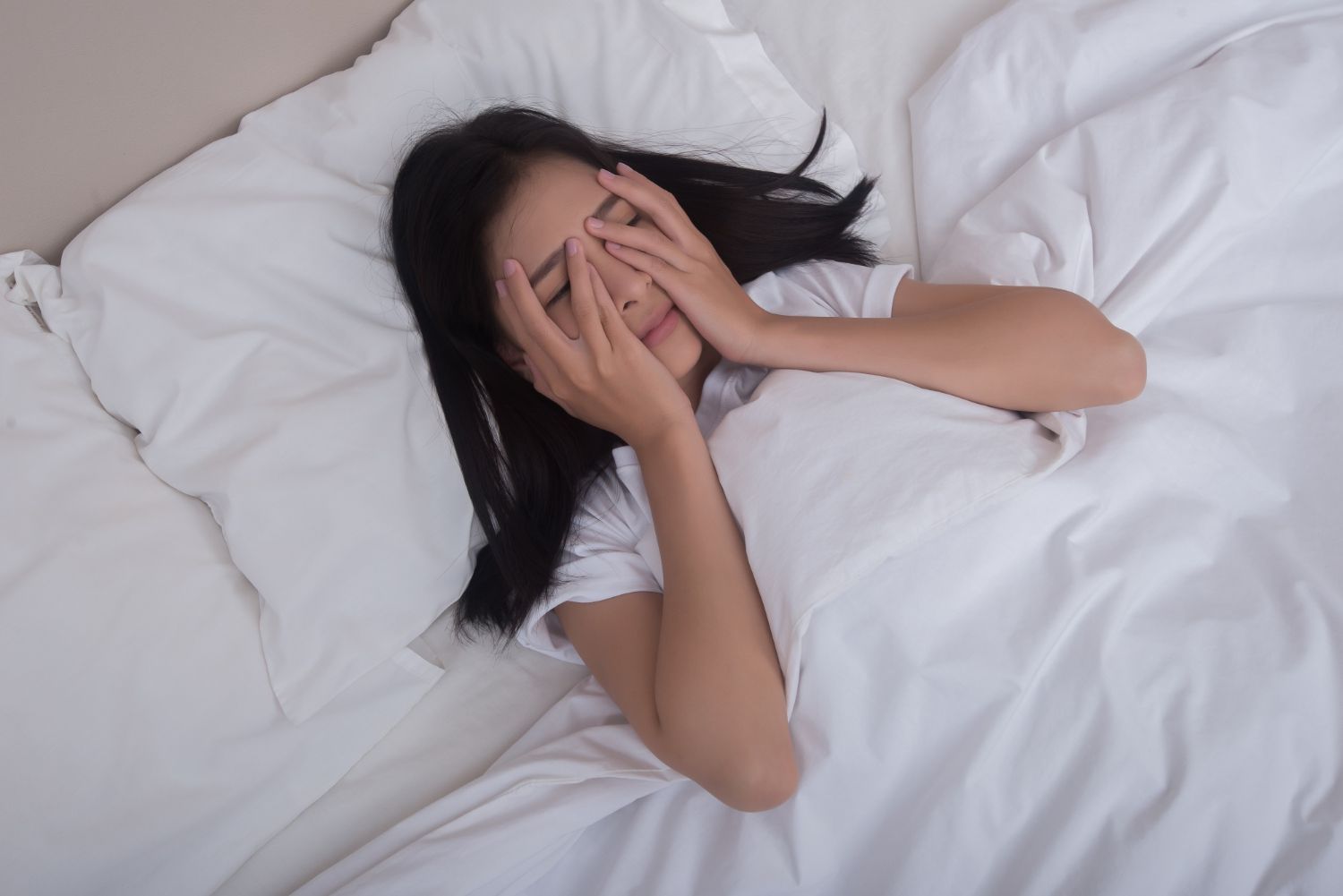
CPAP can be life-changing for some people, but not everyone feels that way. Many patients tell us they were rushed through a sleep study, handed a machine, and told this is the only way to treat sleep apnea. When treatment feels worse than the problem, it is natural to wonder if something was missed.
You might relate to things like:
- Mask straps digging into your face
- Waking up more during the night
- Feeling just as tired, or even more tired, in the morning
- Air pressure that feels overwhelming or impossible to tolerate
If this sounds familiar, you are not alone. Questioning your diagnosis or treatment does not mean you are difficult; it means you are paying attention to your own body. A thoughtful sleep disorder clinic in Boston should be open to second opinions, fresh testing, and a closer look at what is really going on, especially when daily routines and travel plans can make CPAP even harder to use consistently.
Signs Your Sleep Apnea Diagnosis Might Need a Second Look
Sleep testing is helpful, but it is only one piece of the story. When the test and your lived experience do not match, it may be time to slow down and review.
Some red flags that deserve another look include:
- A “very mild” apnea result, but crushing daytime fatigue
- A diagnosis based only on a quick home sleep test with little or no follow-up discussion
- Loud snoring reported by family or friends, but almost no apnea events on your report
- Clear changes in blood pressure or morning headaches without a clear plan from your provider
Sleep apnea can overlap with other conditions that affect sleep. If these are not checked, CPAP might be treating only part of the problem, or might not be the best fit at all. Common issues that can be missed include:
- Insomnia or trouble staying asleep
- Restless legs or frequent leg movements
- TMJ or jaw pain that makes certain treatments harder
- Nasal blockage or congestion that makes breathing through a mask tough
- Circadian rhythm changes from longer daylight hours, late nights, or shift work
A careful review of your history, your symptoms, and your sleep study can show if your diagnosis is accurate, incomplete, or needs to be updated.
Why CPAP Is Not the Only Answer for Better Sleep
Even with a clear diagnosis, CPAP is not always the right match for every person. Some people never feel comfortable with a mask or the feeling of forced air, no matter how hard they try.
Common reasons CPAP can feel “wrong” include:
- Claustrophobia or anxiety with a mask on your face
- Air leaks that blow into your eyes or wake your partner
- Dry mouth and throat, even with humidification
- Tangled tubing and noise that keep everyone awake
- More nighttime awakenings than before starting treatment
When this happens, it does not mean you are failing. It might mean the treatment is not suited to your body, your airway, or your lifestyle.
Oral appliance therapy is a different way to treat obstructive sleep apnea and snoring. A custom-made device fits over your teeth and gently adjusts your jaw to help keep the airway open. For many people, it is:
- Smaller and easier to travel with
- Simpler to clean and store
- More comfortable for side sleeping
- Less disruptive for bed partners
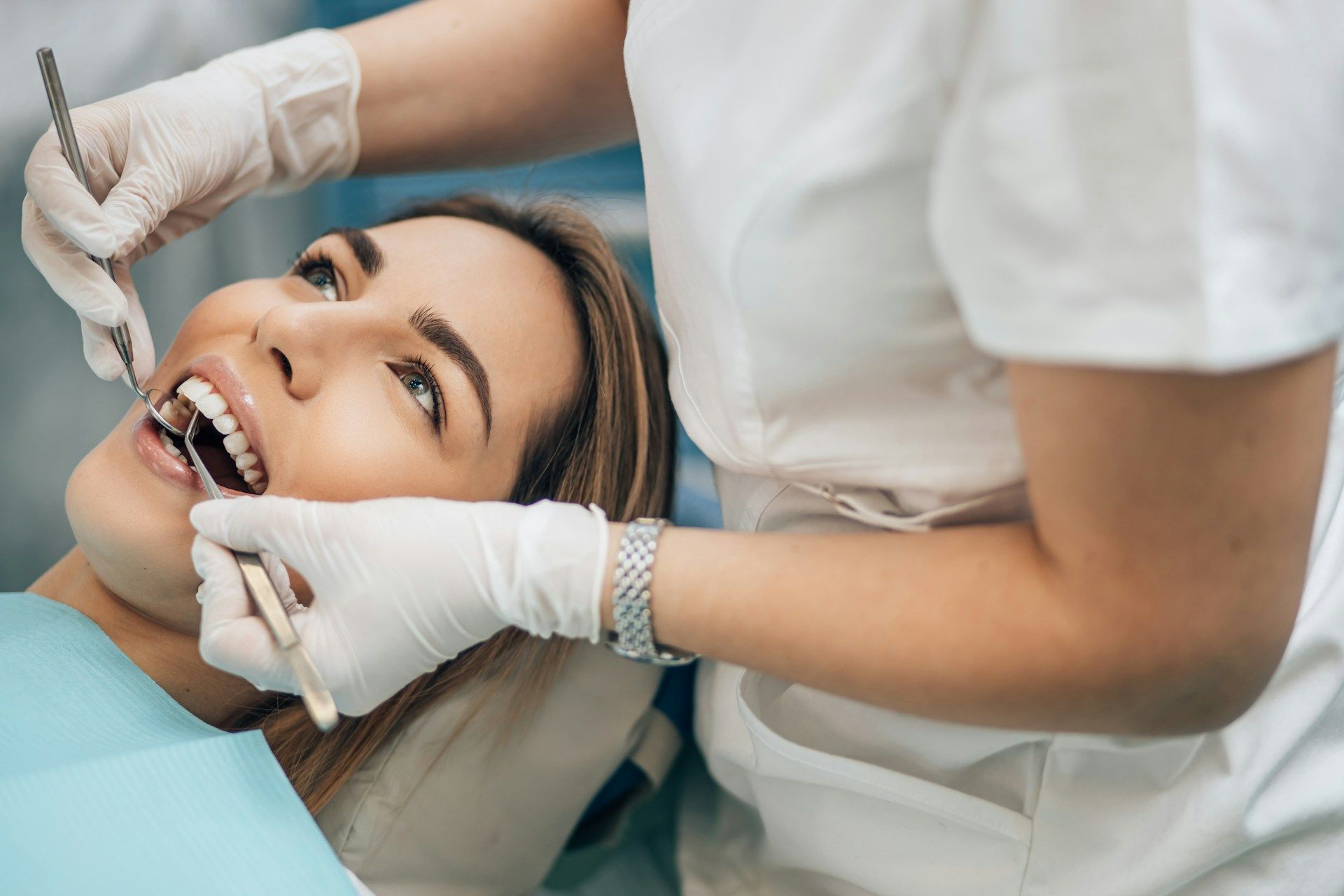
A sleep disorder clinic in Boston who understands dental sleep medicine can look at your previous tests, examine your airway and jaw, and talk through whether an oral appliance, positional therapy, weight changes, or a mix of options fits you better than pushing through with CPAP alone.
Getting a Clearer Picture with the Right Sleep Evaluation
When treatment does not feel right, the next step is not to give up, it is to get a clearer picture. A more complete sleep evaluation looks past the basic numbers and focuses on you as a whole person.
A thoughtful evaluation will often include:
- A detailed medical and dental history
- Review of your sleep study reports and CPAP data, if you have them
- An exam of your airway, tongue, and jaw alignment
- Questions about lifestyle, medications, stress, and sleep schedule
It also helps to understand the type of testing you had. Home sleep tests can be very convenient and are helpful for many people, but they collect fewer signals than an in-lab polysomnogram. An in-lab study can provide more detail about:
- Brain waves and sleep stages
- Leg movements
- Heart rhythm
- Oxygen changes and breathing patterns
Repeating or upgrading a study can be useful if your symptoms do not match your first results, if your health has changed, or if you are trying a new type of treatment. A dental sleep medicine team that works closely with medical providers can help make sure any oral appliance or other CPAP alternative is based on accurate testing. Follow-up sleep studies are important too, because they show whether your new treatment is truly helping your breathing while you sleep.
How Great Sleep Dental Helps When CPAP Feels Wrong
This is where our work at Great Sleep Dental comes in. Our focus is dental sleep medicine, which means we work with custom oral appliances to help treat snoring and obstructive sleep apnea for people who want options beyond standard CPAP.
Our process is designed to be step by step and easy to follow:
- First, we listen to your story, review your sleep studies, and talk through your CPAP experience
- We screen for jaw, bite, and airway issues that might affect which device will work best
- We coordinate with your physician so your care stays connected and informed
- We design and fit a custom oral appliance to your teeth and jaw
- We adjust the device over time and arrange follow-up testing to check that it is working well
For patients in the Boston area, smaller devices can be especially helpful when life is busy and on the move. Oral appliances fit in a pocket or small case, do not use power cords, and run silently. That can make them easier to keep up with during travel, weekends away, or nights when you simply want a quiet bedroom.
Take Back Control of Your Sleep and Your Options
Feeling pressured into one treatment path can be discouraging, especially when that treatment makes you feel worse. You deserve clear answers about your diagnosis and a plan that fits your body and your life. If CPAP has never felt right, it is reasonable to ask whether the diagnosis, the treatment choice, or both should be reviewed.
A helpful way to start is to gather your past sleep studies and make notes about:
- Your current symptoms
- What feels hardest about CPAP
- What has or has not changed since you started treatment
From there, a focused visit with our team at Great Sleep Dental can help you explore oral appliances and other alternatives in a calm, informed way. Treatment for sleep breathing problems should feel sustainable, not like a constant struggle. You do not have to choose between suffering with CPAP or doing nothing at all, especially when careful, personalized help is available locally.
Take The First Step Toward Better Sleep Tonight
If you are struggling with snoring, fatigue, or restless nights, we can help you find answers and real solutions. As a dedicated
sleep disorder clinic in Boston, Great Sleep Dental focuses on personalized care that fits your lifestyle and health needs. Reach out so we can review your symptoms, explain your options, and guide you toward more restful, restorative sleep. To schedule an appointment or ask questions, simply
contact us today.