How Dentists Screen for Sleep Apnea: What to Expect and Next Steps
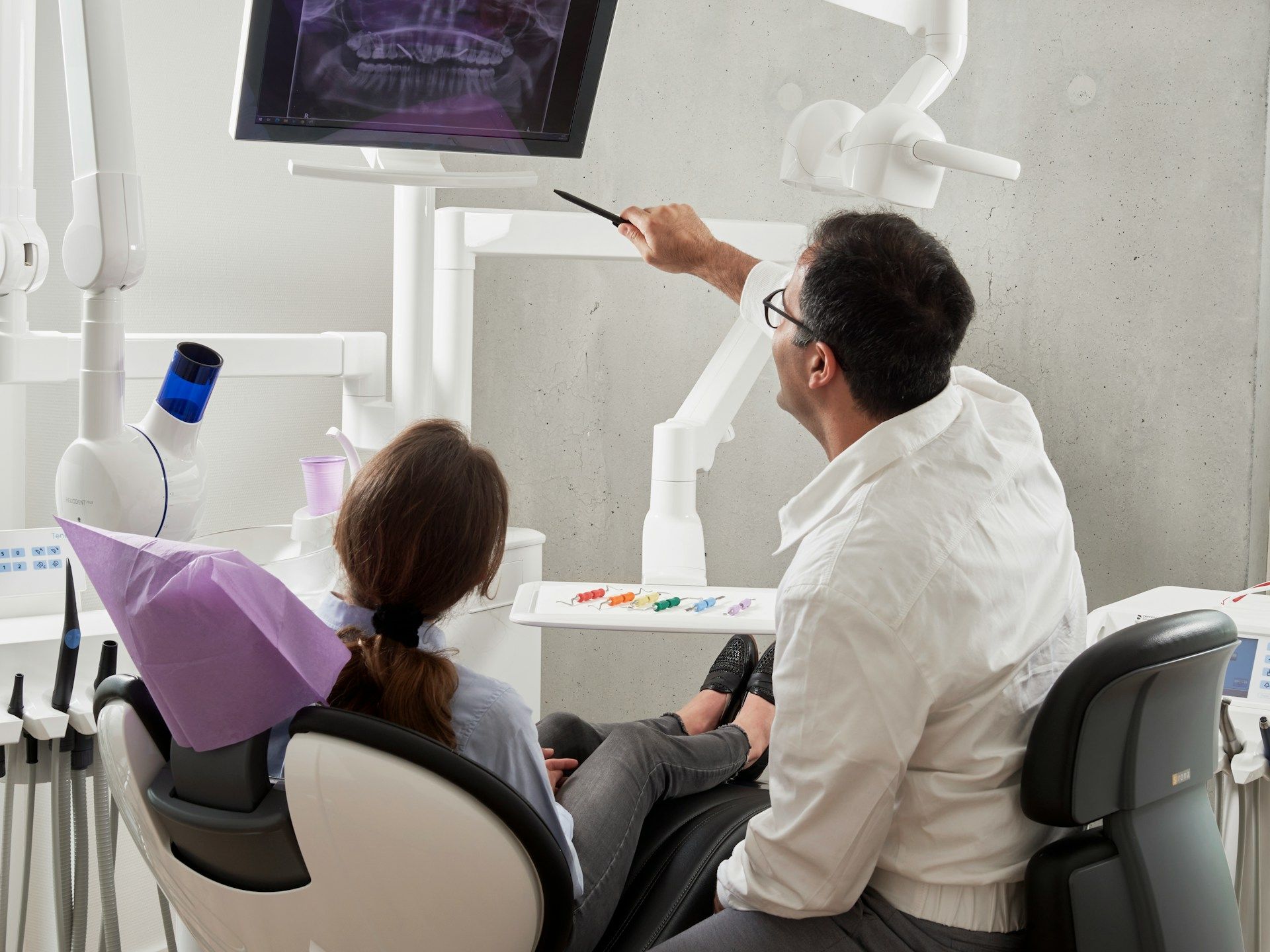
Better Sleep Starts in the Dentist’s Chair
Snoring, dragging through the day, waking up feeling like you barely slept at all, these can all be signs of sleep apnea. Many people think only a sleep lab or a medical office can pick this up, but your dentist may be the first one to notice a problem.
Most of us see our dentist more often than our primary care doctor. That makes regular dental visits a natural place to spot early signs of airway trouble. At a dental sleep medicine office, sleep apnea dental treatment does not have to mean masks or hoses. For many patients, custom oral appliances offer a comfortable, noninvasive option that fits into everyday life and travel.
In this post, we will walk through how dentists screen for sleep apnea, what happens during a sleep-focused dental visit, and what the next steps look like at a practice like ours in the Boston area. This can be especially helpful if your schedule is packed and you want care that works around busy workdays, family plans, and trips.
Hidden Signs of Sleep Apnea Your Dentist Can Spot
Your mouth and jaw can tell a big story about how you breathe at night. During a dental exam, we are not only looking for cavities. We are also looking for patterns that may point to sleep apnea.
Some of the common clues we may see include:
- Worn, flattened, or cracked teeth from nighttime grinding
- A scalloped or rippled edge along the sides of the tongue
- A high, narrow palate or crowded teeth that suggest a smaller airway
- Red, irritated tissues in the throat that may signal snoring or mouth breathing
- Persistent dry mouth that can connect to open-mouth breathing at night
We also pay close attention when patients mention certain symptoms, such as:
- Morning headaches or facial tightness
- Jaw pain or clicking, especially when paired with grinding
- Feeling tired, foggy, or unfocused during the day
- Snoring or choking sounds reported by a sleep partner
- Waking up unrefreshed, even after what seems like a full night in bed
Dentists who are trained in dental sleep medicine are especially tuned in to these patterns. At our office, Dr. Annisya Bagdonas looks at how these signs fit together and when they suggest that a more detailed sleep evaluation is needed.
What to Expect During a Sleep Apnea Screening at the Dentist
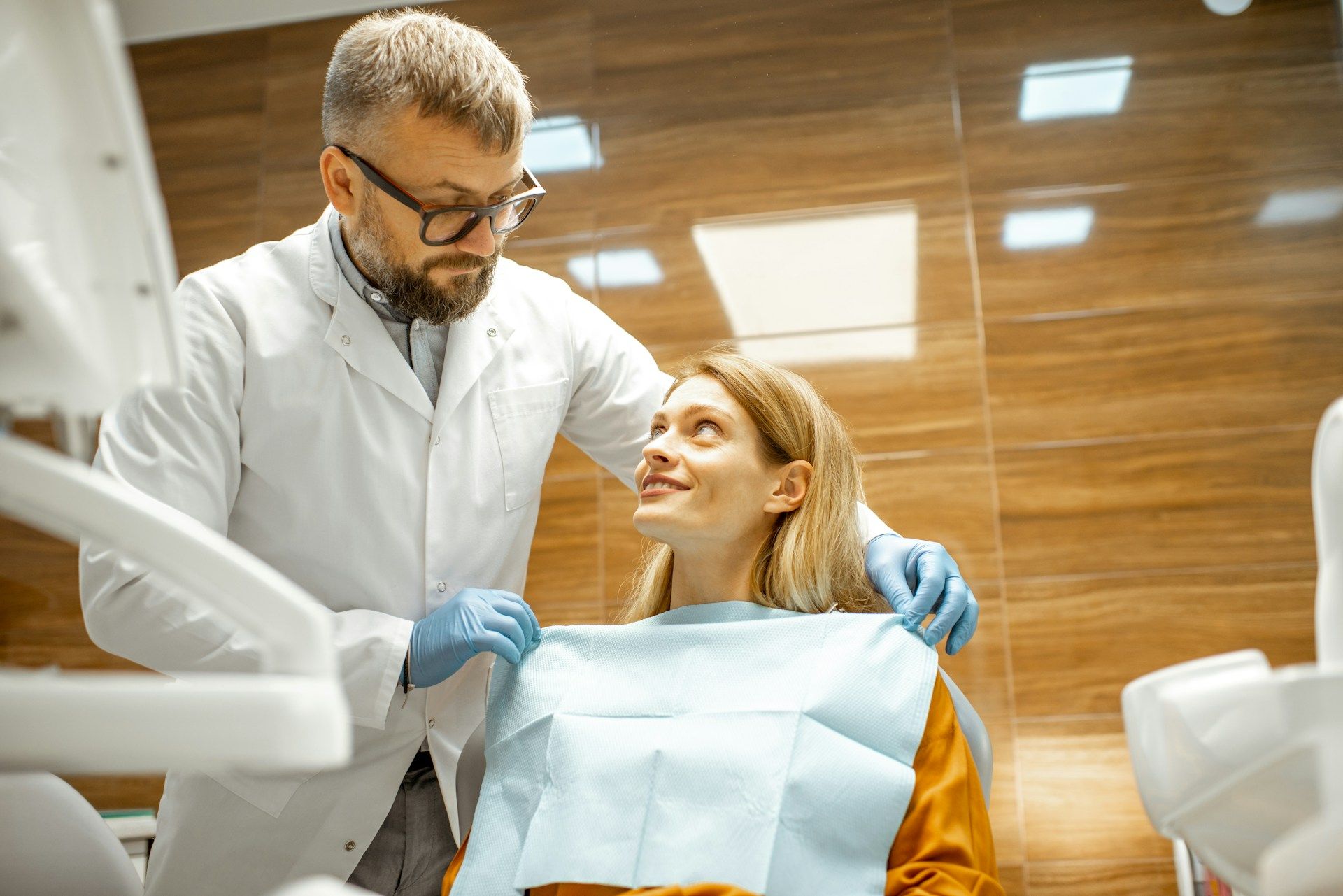
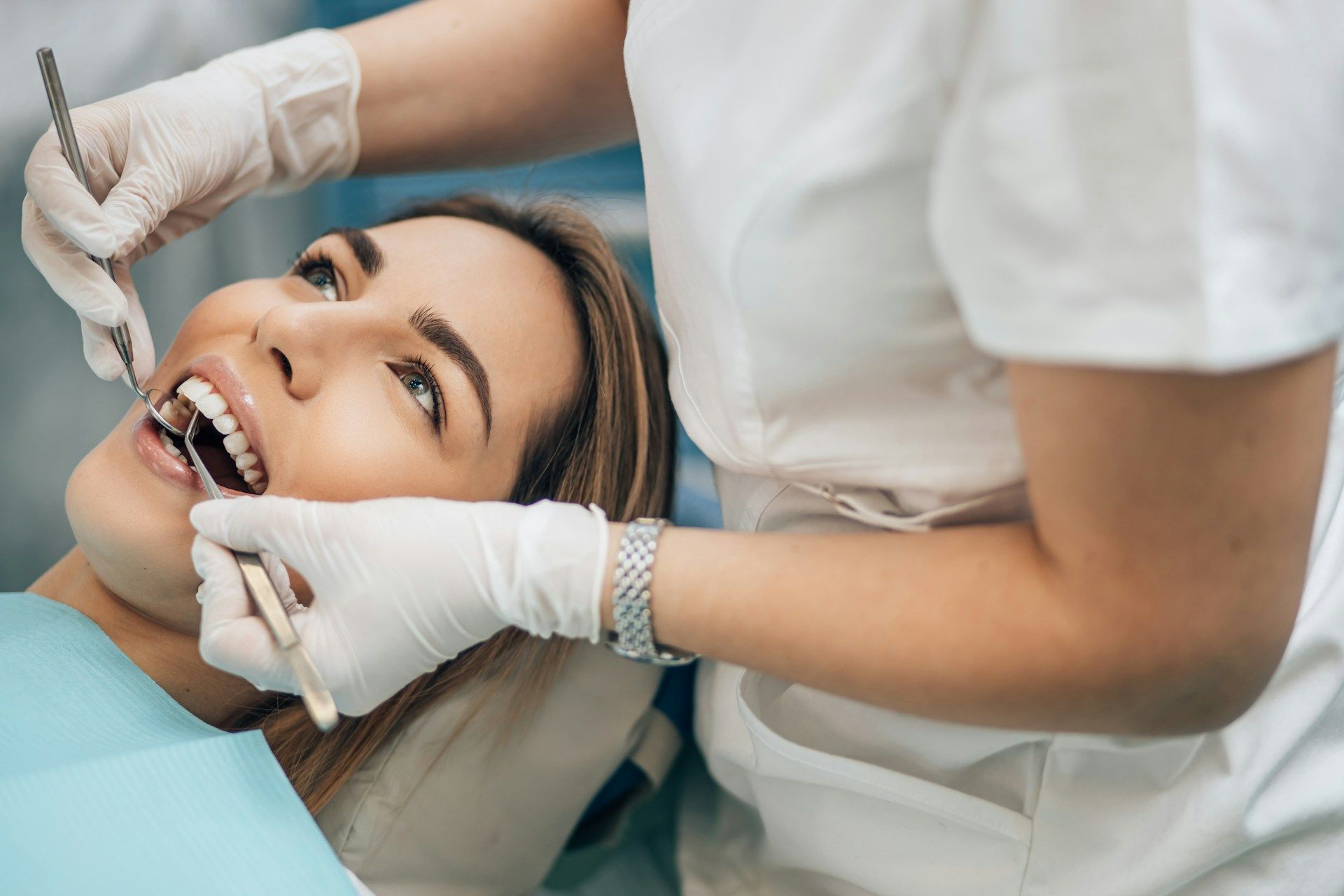
A sleep apnea screening during a dental visit is simple and comfortable. It usually fits right into a normal appointment, with a bit of extra focus on your sleep and breathing.
We start by talking. We want to know:
- How you sleep at night and how you feel during the day
- Whether you snore or stop breathing, as far as you or your partner can tell
- Any medical conditions you have, like blood pressure concerns or weight changes
- How long you have had your symptoms and what you have tried before
We often use short questionnaires, such as tools that ask about daytime sleepiness, loud snoring, or neck size. These are quick forms that help us measure your risk level in a clear, structured way.
Next, we perform a detailed exam of:
- Your jaw joint, bite, and how your teeth fit together
- Tongue size and position, and how much space it takes up in your mouth
- The back of your throat and how open or crowded your airway appears
- Head and neck posture that can affect how you breathe when you lie down
We may also take airway-focused photos, digital scans, or records of your bite. These help us see how your jaw position could affect airflow while you sleep. None of this is painful. There are no needles and no machines you have to sleep with during this visit. The goal is to gather clear information while keeping the process easy and stress-free, even when your schedule is tight.
From Screening to Diagnosis and at-Home Sleep Testing
A dental screening can show that you are at risk for sleep apnea, but it is not an official diagnosis. Only a physician can diagnose sleep apnea, and that requires a sleep study.
Once we see signs of possible sleep apnea, we help connect you with a board-certified sleep physician. At Great Sleep Dental, we coordinate this process so it feels smooth and organized. Many patients can complete an at-home sleep test, which means you get to sleep in your own bed instead of going to a lab.
Here is what an at-home test is usually like:
- You receive a small device, often worn on the finger, chest, or under the nose
- You set it up at bedtime with simple instructions
- The device records breathing patterns, oxygen levels, and snoring sounds while you sleep
- The data is sent to a sleep physician, who reviews it and provides a report
After the physician makes a diagnosis, we go over those results together. Dr. Bagdonas explains what the findings mean in everyday language and talks through your options for sleep apnea dental treatment, including whether you may be a candidate for non-CPAP care.
Non-CPAP Options for Sleep Apnea Dental Treatment
For many people with mild to moderate obstructive sleep apnea, or for those who cannot get used to CPAP, a custom oral appliance can be a strong option. This is a small device, similar in size to a clear retainer or nightguard, that you wear on your teeth during sleep.
A custom oral appliance works by gently guiding your lower jaw into a slightly forward position. This can help keep the airway more open, reduce snoring, and lower the number of breathing pauses. It is made from impressions or digital scans of your teeth so it fits your mouth closely and comfortably.
Compared with CPAP, an oral appliance can offer:
- Easier travel and packing, with no bulky machine or distilled water
- Quiet nights, with no machine noise
- No mask, straps, or air pressure on your face
- Simple cleaning and storage
- Often better nightly use for people who find CPAP hard to tolerate
At Great Sleep Dental, treatment is always personalized. We:
- Carefully fit and adjust your appliance over several visits
- Check your bite and jaw comfort as we fine-tune the device
- Work with your medical team so care stays coordinated
- Arrange follow-up sleep testing when appropriate to confirm improvement
Our goal is not just to give you a device, but to support safer, more restful sleep in a way that fits your life.
Take the Next Step Toward Better Sleep and Better Health
If you snore, feel tired all the time, or have been unable to use CPAP, your dentist can be a powerful partner in figuring out what is going on. A simple screening during your dental visit may be the first clue that sleep apnea is affecting your health, mood, and focus.
For many busy parents, professionals, and frequent travelers in the Boston area, midyear is a natural moment to ask, “Why am I still so tired?” Sleep apnea dental treatment with a custom oral appliance could be one key part of the answer. By starting with a sleep-focused dental visit and, if needed, an at-home sleep test, you can move toward clearer mornings, steadier energy, and healthier nights of sleep.
Take Control Of Your Sleep And Health Today
If you are tired of restless nights and daytime fatigue, we are here to help you find relief. At Great Sleep Dental, our personalized
sleep apnea dental treatment is designed to improve your breathing, comfort, and overall health. Schedule a consultation today so we can evaluate your symptoms and discuss the best options for your needs. If you are ready to talk with our team, you can
contact us to get started.