Beyond the Lab: What Boston Sleep Studies Miss Without a Dentist
Why Your Sleep Study May Not Tell the Whole Story
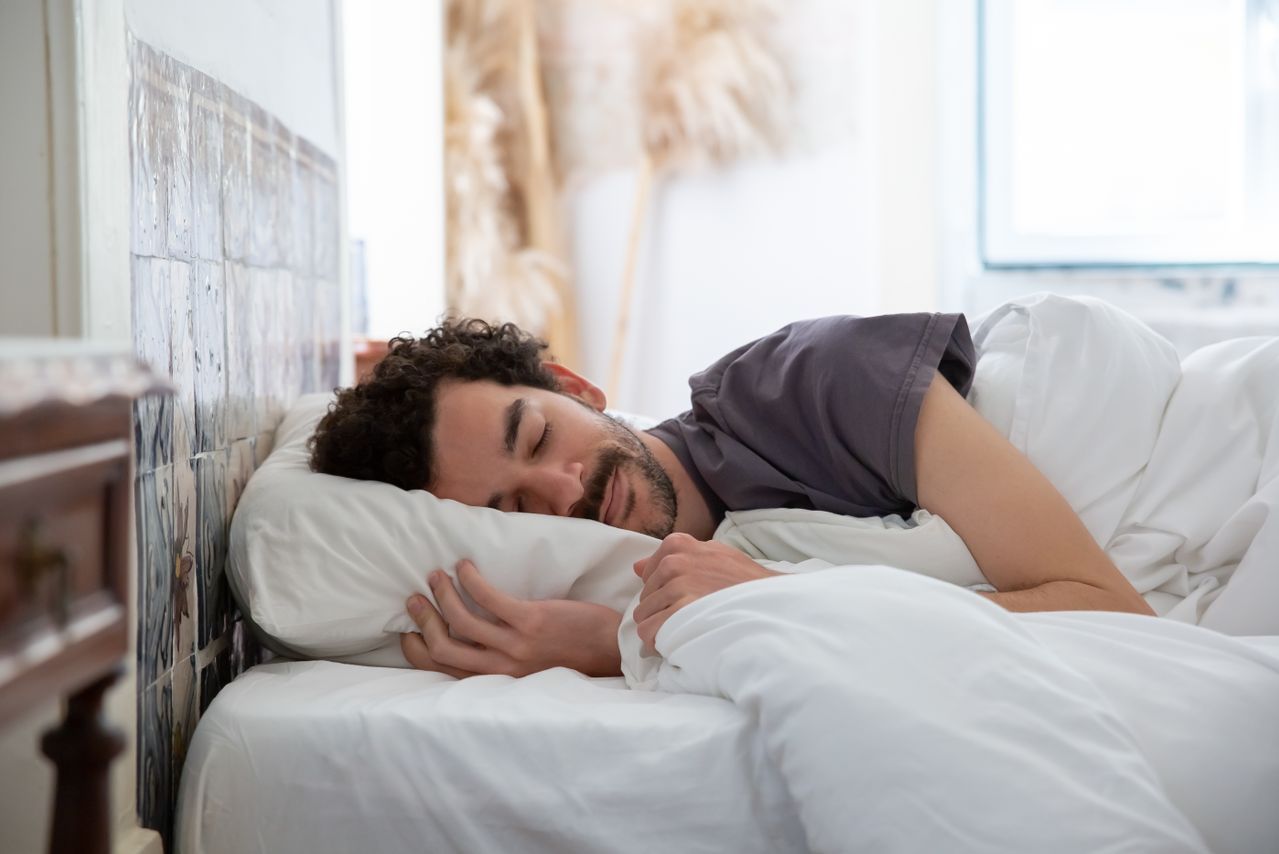
A lot of people in the Boston area go through a full sleep study, get told their apnea is mild or their results look normal, and still feel awful. They wake up tired, their partner complains about snoring, or they notice jaw pain and morning headaches. On paper, the numbers do not look that bad. In real life, something is clearly not right.
Traditional Boston sleep studies do a good job tracking breathing, oxygen levels, and sleep stages. What they usually do not look at in depth is your mouth, jaw, and airway structure. That is where a dentist trained in sleep medicine can fill in the gaps, especially when it comes to bite problems, jaw position, and how much room your tongue really has when you lie down. At our practice, Great Sleep Dental, we work with sleep physicians to give patients more answers and more options than CPAP alone.
What Boston Sleep Studies Measure Well and What They Miss
Sleep labs and home sleep tests are very good at certain things. Most Boston sleep studies focus on:
- Counting apnea and hypopnea events
- Tracking oxygen drops during the night
- Recording snoring sounds and intensity
- Measuring heart rate and basic sleep stages
This information is helpful, but it is not the whole picture. These tests usually do not include a careful look at:
- Tongue size and where it rests in your mouth
- Jaw alignment and how your bite fits together
- Narrow dental arches or crowded teeth that reduce airway space
- Signs of clenching and grinding that may point to nighttime airway struggle
Reports are often silent about how your teeth and jaws were shaped by past orthodontics, missing teeth, or TMJ problems. All of these can influence how easily your airway collapses when you relax at night. Without dental input, many people are told they have two choices, use CPAP or do nothing, which can feel discouraging if masks are hard to tolerate or fit into daily life.
The Hidden Clues in Your Mouth That Affect Sleep
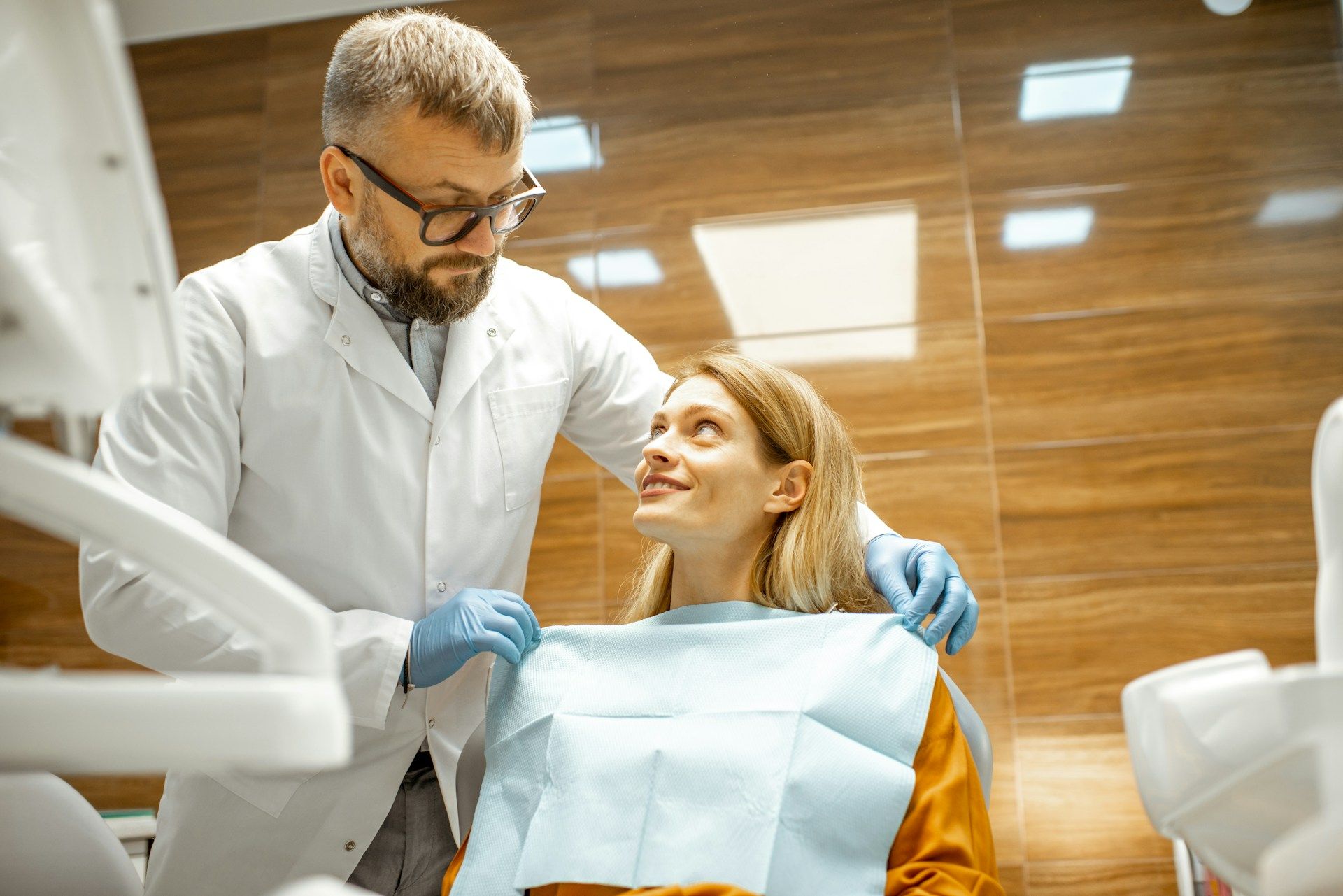
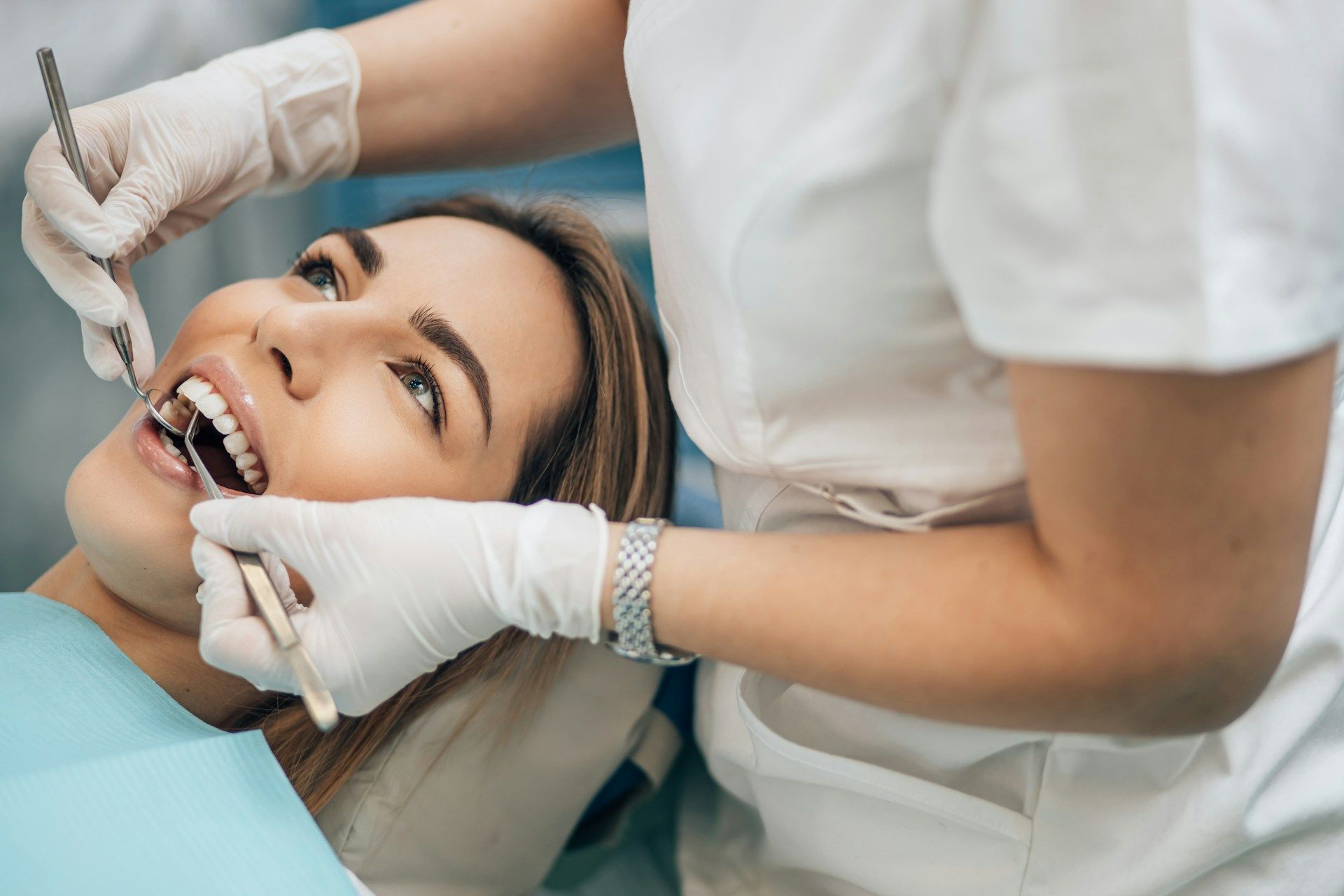
A dental sleep medicine exam looks very different from a quick cavity check. During a focused airway and jaw visit, we pay attention to things like:
- Tongue size and posture at rest
- A high or vaulted palate that crowds the nasal and oral space
- Crowded teeth or narrow arches that reduce the room for your tongue
- Wear patterns that suggest grinding or clenching at night
Jaw position is a big piece of the puzzle. If your lower jaw sits back even a little, it can push the tongue toward the throat when you lie on your back. That can increase snoring and airway blockage, even if your sleep study labels your apnea as mild or borderline.
Teeth grinding and clenching can be red flags too. The body may be trying to move the jaw to get more air, and the teeth show that struggle over time. A dentist trained in sleep medicine can connect these oral signs with symptoms such as:
- Morning headaches
- Jaw or facial pain
- Neck and shoulder stiffness
- Sore teeth or tight facial muscles
These details rarely show up in a standard sleep lab report, yet they can be key reasons you still feel tired.
How a Dental Sleep Specialist Complements Boston Sleep Studies
We do not replace Boston sleep studies; we build on them. A sleep physician is the one who reviews your test results and gives the diagnosis of sleep apnea or primary snoring. We then look at that same data through a dental lens.
That means we can:
- Match your sleep study results with what we see in your mouth and jaw
- Help identify who might do well with an oral appliance instead of CPAP alone
- Offer options for people with mild or moderate apnea, or for those who mainly snore
At Great Sleep Dental, we design custom oral appliances that gently guide the lower jaw forward to open the airway. They are made to fit your teeth and bite, not a one-size tray. Over time we can fine-tune these appliances by using:
- Follow-up home sleep tests when recommended by your medical team
- In-office checks of bite, comfort, and jaw range of motion
- Feedback from you and your bed partner about snoring and sleep quality
This collaborative model can be especially helpful when you are traveling. Many patients want a portable, mask-free option that fits easily in a small case, whether they are heading to the Cape, visiting family, or going on work trips.
When CPAP Is Not the Right Fit and What to Do Next
CPAP can be very effective, but it is not easy for everyone. Common struggles include:
- Mask leaks, especially on warm, humid summer nights
- Difficulty packing and carrying the machine for trips
- Skin irritation from straps and cushions
- Feeling tethered to tubing and equipment all night
For many people with mild to moderate apnea, or for those who mainly snore, a custom oral appliance can be a strong alternative. These devices are:
- Small and quiet
- Easy to travel with
- Simple to care for and store
Over-the-counter boil and bite devices might look similar at first, but they are not the same as a custom appliance made and adjusted by a dental sleep provider. Store-bought trays often:
- Do not fit securely, so they fall out during the night
- Are hard to adjust without guessing
- Can move teeth in unwanted ways
Custom appliances are built for your bite and can be adjusted in a controlled way as your sleep team reviews follow-up data. Some patients do best with combination therapy, which means using an oral appliance along with CPAP at a lower pressure. A dentist who understands sleep medicine can coordinate with your sleep physician to help balance comfort and airway support.
Turning Sleep Data Into Real-World Relief This Summer
If you already completed one or more Boston sleep studies but still feel tired, confused, or stuck with CPAP, that test is not the end of the story. It is a starting point. Bringing those reports to a dental sleep visit can open up new options.
At Great Sleep Dental, we offer a detailed look at your airway, tongue space, bite, and jaw joints, and we put that together with your medical sleep data. From there, we can talk about whether an oral appliance, combination therapy, or another approach might fit your needs and your lifestyle, including travel and seasonal changes. The goal is simple: to move from numbers on a page to deeper, quieter, more restorative sleep that actually feels better when you wake up.
Take The First Step Toward Restful, Restorative Sleep
If you are waking up tired, snoring, or worried about sleep apnea, we can help you find clear answers and a personalized plan. Our sleep evaluation process is designed to be comfortable, convenient, and focused on your long-term health.
At Great Sleep Dental, we work alongside medical providers and use take-home sleep studies to uncover what is disrupting your sleep so we can recommend targeted oral appliance options. Ready to talk with our team about your next step toward better sleep and better days ahead?
Contact us today.